
 IN
INundefined
Slotted Angles
2 products available
𝗪𝗵𝗮𝘁 𝗮𝗿𝗲 𝗦𝗹𝗼𝘁𝘁𝗲𝗱 𝗔𝗻𝗴𝗹𝗲𝘀?
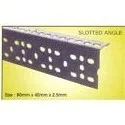
Slotted angles are versatile structural components made from metal, typically steel or aluminum, that feature evenly spaced slots along their length. These slots allow for easy adjustment and assembly, making slotted angles a popular choice in constructing frameworks, shelving, and supports in various applications. They are designed to provide strength and stability while allowing for flexibility in design and configuration.
In business applications, slotted angles are widely used in manufacturing, warehousing, and construction. They serve as the backbone for shelving units, display racks, conveyor systems, and even equipment housing. The ability to customize and assemble slotted angles on-site makes them particularly valuable in industries requiring quick setups and modifications. Their relevance spans across numerous sectors, contributing to efficient operations and effective space management.
𝗞𝗲𝘆 𝗙𝗲𝗮𝘁𝘂𝗿𝗲𝘀 𝗮𝗻𝗱 𝗦𝗽𝗲𝗰𝗶𝗳𝗶𝗰𝗮𝘁𝗶𝗼𝗻𝘀
Slotted angles possess several distinctive features that enhance their functionality in various applications. Their design allows for easy integration into existing structures, making them user-friendly for assembly and modification. Additionally, they are available in different sizes, materials, and finishes, catering to specific needs in different industries.
Key specifications include:
1. Material Type
- Commonly made from steel or aluminum
- Offers varying levels of strength and weight
2. Slot Width
- Typically ranges from 1/4 inch to 1/2 inch
- Allows for the accommodation of different fasteners
3. Length Options
- Available in lengths from 2 feet to 10 feet
- Provides flexibility depending on application requirements
4. Thickness
- Standard thickness ranges from 1/16 inch to 1/8 inch
- Determines load-bearing capacity
5. Finish Type
- Options include galvanized, painted, or plain
- Affects corrosion resistance and aesthetic appeal
6. Load Capacity
- Varies based on material and thickness
- Essential for determining suitability for specific applications
7. Standard Compliance
- Often manufactured to meet industry standards
- Ensures quality and safety in use
Slotted angles are a reliable choice for a myriad of industrial applications due to their robust features and specifications.
𝗖𝗼𝗺𝗺𝗼𝗻 𝗔𝗽𝗽𝗹𝗶𝗰𝗮𝘁𝗶𝗼𝗻𝘀 𝗮𝗻𝗱 𝗨𝘀𝗲 𝗖𝗮𝘀𝗲𝘀
Slotted angles are utilized across various industries, showcasing their versatility and adaptability in different environments.
1. Manufacturing: In manufacturing settings, slotted angles are used for constructing machinery frames and support structures, facilitating efficient workflows.
2. Warehousing: Slotted angles are popular in warehousing for building shelving units that maximize storage capacity while ensuring easy access to products.
3. Construction: In construction, slotted angles serve as brackets and supports for scaffolding and framework, allowing for quick assembly and robust support.
4. Retail: Retail environments use slotted angles to create display racks and fixtures, providing flexibility in product presentation.
5. Automotive: In the automotive industry, slotted angles are employed in assembly lines to support tools and equipment.
6. Telecommunications: Slotted angles are used for mounting equipment and creating frameworks for telecommunications infrastructure.
7. Aerospace: In the aerospace sector, they assist in the assembly of lightweight structures and support systems.
𝗣𝗿𝗼𝗱𝘂𝗰𝘁 𝗩𝗮𝗿𝗶𝗮𝗻𝘁𝘀 𝗮𝗻𝗱 𝗦𝘂𝗯𝗰𝗮𝘁𝗲𝗴𝗼𝗿𝗶𝗲𝘀
While specific subcategories of slotted angles are not available, there are variations that cater to different needs and applications.
Standard Slotted Angles
These are the most common types, designed for general use in various applications. They come in standard sizes and finishes, making them suitable for a wide range of projects.
Heavy-Duty Slotted Angles
These variants are designed for applications requiring greater strength and load-bearing capacity. They are ideal for industrial settings where durability is critical.
Lightweight Slotted Angles
These angles are made from lighter materials, making them suitable for applications where weight is a consideration without compromising structural integrity.
𝗕𝗲𝗻𝗲𝗳𝗶𝘁𝘀 𝗮𝗻𝗱 𝗔𝗱𝘃𝗮𝗻𝘁𝗮𝗴𝗲𝘀
Slotted angles offer numerous benefits that make them a preferred choice for many businesses.
1. Versatility: Slotted angles can be used in a variety of applications, making them adaptable to different industrial needs.
2. Easy Assembly: Their design allows for quick and straightforward assembly, reducing labor costs and time.
3. Customizable: Slotted angles can be cut and adjusted on-site, enabling tailored solutions for specific projects.
4. Cost-Effective: The ability to reuse and modify slotted angles can lead to significant cost savings in material and labor.
5. Durability: Made from robust materials, slotted angles are designed to withstand demanding environments, ensuring longevity.
6. Space Efficiency: They help in maximizing space utilization, especially in storage and shelving applications.
𝗕𝘂𝘆𝗶𝗻𝗴 𝗚𝘂𝗶𝗱𝗲 𝗳𝗼𝗿 𝗕𝟮𝗕 𝗕𝘂𝘆𝗲𝗿𝘀
When sourcing slotted angles, it is crucial to consider several key factors to ensure the best choice for your needs.
1. Quality Assessment: Evaluate the quality of materials used in slotted angles. Look for certifications and compliance with industry standards to ensure reliability.
2. Supplier Verification: Vet suppliers to confirm their credibility and track record. Consider their experience in the industry and customer reviews to inform your decision.
3. Pricing and MOQ: Understand the pricing structure and minimum order quantities (MOQ) to ensure alignment with your budget and project requirements.
4. Delivery and Lead Times: Discuss logistics and expected lead times with suppliers. Timely delivery is essential to avoid project delays.
5. Compliance Requirements: Ensure that the slotted angles meet relevant regulatory and safety standards applicable to your industry.
𝗖𝗼𝗺𝗽𝗹𝗶𝗮𝗻𝗰𝗲 𝗮𝗻𝗱 𝗖𝗲𝗿𝘁𝗶𝗳𝗶𝗰𝗮𝘁𝗶𝗼𝗻𝘀
Slotted angles must adhere to various quality and safety standards to ensure their reliability and performance in different applications. Common industry certifications include CE, which signifies that the product meets European safety and health requirements. Additionally, compliance with ISO 9001 standards is often sought, as it indicates a commitment to quality management principles.
Manufacturers may also need to comply with specific regulations relevant to their geographical regions, which can include safety and testing requirements. Ensuring that slotted angles meet these compliance standards is vital for businesses looking to maintain operational safety and efficiency.
𝗪𝗵𝘆 𝗦𝗼𝘂𝗿𝗰𝗲 𝗦𝗹𝗼𝘁𝘁𝗲𝗱 𝗔𝗻𝗴𝗹𝗲𝘀 𝗳𝗿𝗼𝗺 𝗣𝗲𝗽𝗮𝗴𝗼𝗿𝗮?
Pepagora stands out as a trusted platform for sourcing slotted angles, providing several advantages to B2B buyers.
Verified Supplier Network: Pepagora connects buyers with a network of verified suppliers. This ensures that businesses can source high-quality products from reputable manufacturers, minimizing risk.
Streamlined RFQ Process: The platform facilitates an efficient request for quotation (RFQ) process, allowing buyers to easily obtain competitive pricing and tailored solutions for their projects.
Trade Assurance and Support: Pepagora offers trade assurance to protect buyers, ensuring that transactions are secure and that support is readily available throughout the purchasing process.
Regional Coverage: With a strong presence in India, the GCC, and Southeast Asia, Pepagora provides geographic reach that enables businesses to source slotted angles conveniently and efficiently across various markets.
Newly Added


Recently Added
Saturn Industries
Premium Aircraft Cables For Aerospace Marine Industrial Applications
Aircraft Wheel Chocks Premium Durable Secure Parking Ground Safety
Premium Automotive Sheet Metal Components For Vehicle Manufacturing
Beeco Storage Systems
Industrial Pigeon Hole Racks For Small Parts Storage Organization
Industrial Heavy Duty Steel Angle Racks for Warehouse Storage
Industrial Storage Steel Racks Heavy Duty Alloy Carbon Stainless Steel
Chavanda Sales Corporation
Industrial Sheds Asbestos Slotted Angle Quick Assembly Storage Shelter
Industrial Fastening Solutions Pandex Nuts Bolts High Quality
Industrial Slotted Angle Bars For Shelving And Storage Racks
Why Businesses Trust Pepagora
Thousands of companies trust Pepagora to source smarter and sell faster
Expand Your Sales Globally
25000+Products listed.Get discovered by global buyers
Tools to boost visibility
Build your own catalog

Source Smarter,Grow Faster
4000+Active RFQs
100+ Countries served
Easy Sourcing Tools
