
 IN
INundefined
Skateboards (Standard, Longboards)
1 products available
What are Skateboards (Standard, Longboards)?
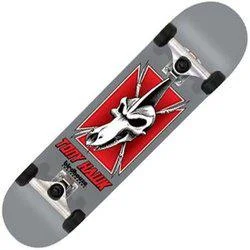
Skateboards are versatile wheeled boards used for a variety of recreational activities and sports. They consist of a deck, trucks, and wheels, enabling riders to perform tricks, commute, or simply enjoy riding. Skateboards come in two primary types: standard skateboards, which are generally shorter and designed for tricks and stunts, and longboards, which are longer and offer greater stability for cruising and downhill riding.
These products find use in multiple sectors including recreational sports, urban transportation, and even in fitness activities. Businesses in the sporting goods industry, rental services, and even educational institutions can benefit from offering skateboards. The growing popularity of skateboarding as a sport, especially with its inclusion in events such as the Olympics, further highlights its relevance in the market, driving demand for both standard skateboards and longboards.
𝗞𝗲𝘆 𝗙𝗲𝗮𝘁𝘂𝗿𝗲𝘀 𝗮𝗻𝗱 𝗦𝗽𝗲𝗰𝗶𝗳𝗶𝗰𝗮𝘁𝗶𝗼𝗻𝘀
When considering skateboards, it is essential to understand their key features and specifications. These attributes can significantly affect performance, durability, and user experience. Below are some important specifications to keep in mind.
Key specifications include:
1. Deck Material
- Typically made from maple wood, bamboo, or composite materials
- Material choice impacts flexibility and durability
2. Deck Length
- Standard skateboards range from 28 to 32 inches
- Longboards can range from 32 to 60 inches
3. Wheel Size
- Standard skateboard wheels generally measure between 50 to 55 mm
- Longboard wheels vary from 60 to 80 mm, offering better grip and shock absorption
4. Truck Width
- Standard skateboards usually have truck widths of 7.5 to 8.5 inches
- Longboard trucks are wider, typically measuring between 8 to 10 inches
5. Weight Capacity
- Most skateboards can support weights up to 220 pounds
- Specific models may support higher weights based on design
6. Grip Tape
- Non-slip surface applied to the deck for better traction
- Quality varies and affects rider stability during tricks
7. Price Range
- Standard skateboards typically range from 50 to 150 USD
- Longboards can range from 100 to 500 USD based on features
In summary, understanding these specifications will help buyers select the right skateboard that meets their needs and preferences.
𝗖𝗼𝗺𝗺𝗼𝗻 𝗔𝗽𝗽𝗹𝗶𝗰𝗮𝘁𝗶𝗼𝗻𝘀 𝗮𝗻𝗱 𝗨𝘀𝗲 𝗖𝗮𝘀𝗲𝘀
Skateboards serve various industries and applications, making them a versatile product choice.
1. Sporting Goods Retail: Many retail stores sell skateboards as part of their sports and recreational equipment offerings, catering to both beginners and advanced riders.
2. Rental Services: Skateboards are commonly available for rent at recreational facilities, parks, and tourist destinations, providing a fun activity for visitors.
3. Schools and Universities: Educational institutions may incorporate skateboarding into their physical education programs or offer skateboarding clubs for students.
4. Fitness Studios: Some fitness centers have adopted skateboarding as a unique workout option, focusing on balance and endurance.
5. Urban Mobility: Skateboards are increasingly used for short commutes in urban areas, providing an eco-friendly alternative to traditional transportation.
𝗣𝗿𝗼𝗱𝘂𝗰𝘁 𝗩𝗮𝗿𝗶𝗮𝗻𝘁𝘀 𝗮𝗻𝗱 𝗦𝘂𝗯𝗰𝗮𝘁𝗲𝗴𝗼𝗿𝗶𝗲𝘀
Skateboards are available in a variety of styles to cater to different riding preferences and applications.
Standard Skateboards
These boards are designed for tricks and stunts, typically shorter and more maneuverable. They feature a kicktail, allowing riders to perform ollies and slides effectively.
Longboards
Longboards are built for speed and stability, making them ideal for downhill racing and cruising. Their longer deck provides a comfortable ride, especially over longer distances.
Cruiser Skateboards
These are a subcategory of longboards that feature a wider deck and softer wheels, designed for casual riding and commuting.
Mini Skateboards
Smaller in size, these boards are perfect for children or beginners. They are lightweight and easier to maneuver, enabling new riders to learn quickly.
𝗕𝗲𝗻𝗲𝗳𝗶𝘁𝘀 𝗮𝗻𝗱 𝗔𝗱𝘃𝗮𝗻𝘁𝗮𝗴𝗲𝘀
Investing in skateboards offers numerous advantages for businesses and consumers alike.
1. Versatility: Skateboards can be used in various environments, from urban streets to skate parks, appealing to a wide range of users.
2. Health Benefits: Riding a skateboard enhances balance, coordination, and cardiovascular fitness, making it a fun way to stay active.
3. Cost-Effective: Compared to other recreational sports, skateboarding requires minimal equipment and maintenance costs, making it accessible.
4. Community Engagement: Skateboarding fosters social interaction and community building through local skate parks and events.
5. Sustainability: Skateboards can be an eco-friendly mode of transportation, reducing reliance on vehicles for short trips.
6. Skill Development: Skateboarding promotes perseverance and skill acquisition, particularly beneficial for young riders.
𝗕𝘂𝘆𝗶𝗻𝗴 𝗚𝘂𝗶𝗱𝗲 𝗳𝗼𝗿 𝗕𝟮𝗕 𝗕𝘂𝘆𝗲𝗿𝘀
When sourcing skateboards, businesses should consider several key factors to ensure they make informed purchasing decisions.
1. Quality Assessment: Evaluate the material quality and construction of the skateboards. Look for durable decks and reliable hardware to ensure longevity.
2. Supplier Verification: Vet potential suppliers by checking their credentials, customer reviews, and product samples to ascertain reliability.
3. Pricing and MOQ: Understand the pricing structures and minimum order quantity (MOQ) requirements from suppliers to align with your budget and inventory needs.
4. Delivery and Lead Times: Confirm the logistics related to delivery schedules and lead times to ensure timely availability of products.
5. Compliance Requirements: Investigate any regulatory compliance or safety standards that must be met, especially if targeting specific markets.
𝗖𝗼𝗺𝗽𝗹𝗶𝗮𝗻𝗰𝗲 𝗮𝗻𝗱 𝗖𝗲𝗿𝘁𝗶𝗳𝗶𝗰𝗮𝘁𝗶𝗼𝗻𝘀
Compliance with industry standards is crucial for the manufacturing and sale of skateboards. Many skateboards adhere to relevant quality standards such as ISO 9001, which ensures consistent quality management systems across production.
Additionally, industry certifications like CE indicate that the products meet European safety, health, and environmental protection standards. This is particularly important for businesses looking to operate in markets that mandate certification for consumer safety.
Safety and testing requirements may vary by region but typically include assessments for durability, weight capacity, and material safety. It is essential for manufacturers to comply with these regulations to ensure their products are safe for users.
Businesses should also consider regional compliance requirements, as different countries may have specific safety standards and testing protocols for skateboards.
Why Source Skateboards (Standard, Longboards) from Pepagora?
Pepagora offers a reliable platform for sourcing skateboards, providing multiple advantages for B2B buyers.
Verified Supplier Network: Pepagora boasts a comprehensive network of verified suppliers, ensuring buyers can trust the quality and reliability of products sourced through the platform.
Streamlined RFQ Process: The platform features a straightforward Request for Quotation (RFQ) system, allowing buyers to easily compare quotes and make informed purchasing decisions.
Trade Assurance and Support: Pepagora provides trade assurance and buyer protection, giving businesses confidence in their transactions and minimizing risks.
Regional Coverage: With operations spanning India, the GCC, and Southeast Asia, Pepagora ensures broad accessibility to skateboards, catering to diverse market needs and preferences.


Recently Added
Citizen Sports The Oldest Shope
Fitness Centers Premium Ab Circles Core Workouts Portable Design
Commercial Abdominal Bench Heavy Duty Steel Adjustable Core Workout
Commercial Afton Treadmill 2.58HP 16km/h 125kg 12 Programs LCD
Why Businesses Trust Pepagora
Thousands of companies trust Pepagora to source smarter and sell faster
Expand Your Sales Globally
25000+Products listed.Get discovered by global buyers
Tools to boost visibility
Build your own catalog

Source Smarter,Grow Faster
4000+Active RFQs
100+ Countries served
Easy Sourcing Tools
