
 IN
INundefined
Sieving & Grading Machines
15 products available
𝗪𝗵𝗮𝘁 𝗮𝗿𝗲 𝗦𝗶𝗲𝘃𝗶𝗻𝗴 & 𝗚𝗿𝗮𝗱𝗶𝗻𝗴 𝗠𝗮𝗰𝗵𝗶𝗻𝗲𝘀?
Sieving and grading machines are essential equipment used in various industries to separate and classify materials based on particle size. These machines utilize a screen or sieve to filter out larger particles while allowing smaller particles to pass through. This process not only enhances product quality but also ensures uniformity in material size, which is critical for further processing or final product assembly.
These machines find widespread application in industries such as food processing, pharmaceuticals, chemicals, and construction materials. In food production, they help in separating flour from impurities, while in pharmaceuticals, they ensure that active ingredients are uniformly sized for effective dosage. The growing demand for quality control in manufacturing processes has significantly increased the relevance of sieving and grading machines in industrial settings, making them indispensable in today’s market.
𝗞𝗲𝘆 𝗙𝗲𝗮𝘁𝘂𝗿𝗲𝘀 𝗮𝗻𝗱 𝗦𝗽𝗲𝗰𝗶𝗳𝗶𝗰𝗮𝘁𝗶𝗼𝗻𝘀
Sieving and grading machines come equipped with various features designed to enhance efficiency and reliability. Understanding the specifications of these machines is crucial for selecting the right model for your business needs.
Key specifications include:
1. Sieve Size
- Typically ranges from 50 microns to 10 mm
- Allows for customization based on material requirements
2. Capacity
- Varies depending on machine size and configuration
- Can range from 100 kg/h to over 2000 kg/h
3. Power Consumption
- Generally between 1 kW to 5 kW
- Efficiency is influenced by the motor type and machine design
4. Material Construction
- Commonly made from stainless steel or high-grade carbon steel
- Ensures durability and resistance to corrosion
5. Vibration Control
- Features adjustable vibration settings
- Enhances separation efficiency and reduces noise levels
6. Automation Level
- Options available from manual to fully automated systems
- Automation increases throughput and reduces labor costs
7. Cleaning Mechanism
- Some models include self-cleaning features
- Facilitates maintenance and minimizes downtime
8. Safety Features
- Equipped with emergency stop buttons and protective covers
- Ensures operator safety during operation
These specifications highlight the versatility and adaptability of sieving and grading machines to meet various industrial requirements.
𝗖𝗼𝗺𝗺𝗼𝗻 𝗔𝗽𝗽𝗹𝗶𝗰𝗮𝘁𝗶𝗼𝗻𝘀 𝗮𝗻𝗱 𝗨𝘀𝗲 𝗖𝗮𝘀𝗲𝘀
Sieving and grading machines serve a multitude of industries, each with unique applications.
1. Food Processing: Used for separating flour from foreign particles and ensuring uniformity in grain sizes for baking.
2. Pharmaceuticals: Essential for the precise formulation of powders and ensuring consistent particle size for effective drug delivery.
3. Chemical Industry: Employed in the classification of powders and granules, ensuring quality control in product packaging.
4. Construction Materials: Used for grading sand, gravel, and other aggregates to ensure compliance with construction standards.
5. Plastics and Polymers: Helps in the separation of plastic pellets by size for consistent quality in production.
6. Mining: Utilized for classifying ores and minerals based on particle sizes for further processing.
7. Recycling: Important for separating recyclable materials from non-recyclables in waste management.
𝗣𝗿𝗼𝗱𝘂𝗰𝘁 𝗩𝗮𝗿𝗶𝗮𝗻𝘁𝘀 𝗮𝗻𝗱 𝗦𝘂𝗯𝗰𝗮𝘁𝗲𝗴𝗼𝗿𝗶𝗲𝘀
The diversity of sieving and grading machines caters to different industrial needs.
Vibrating Sieves
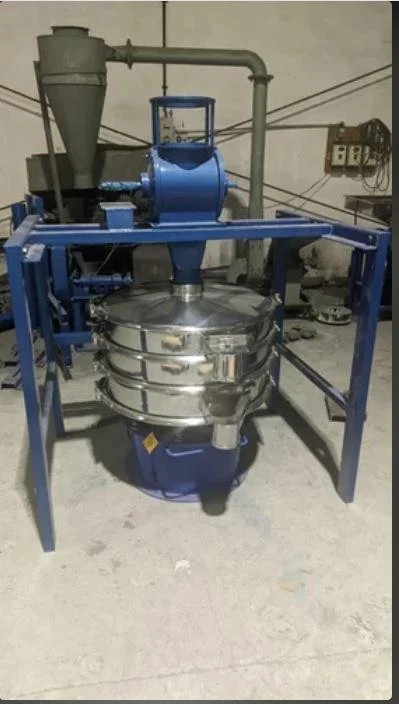
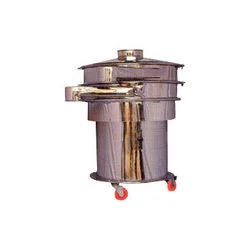
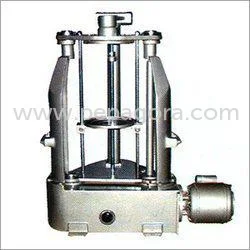
Vibrating sieves utilize mechanical vibrations to facilitate the separation of materials effectively. They are suitable for high-capacity applications and are commonly used in food and chemical industries.
Rotary Graders
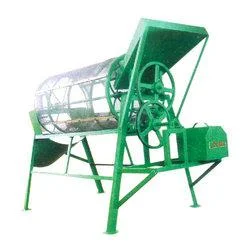
These machines feature a rotating drum that sorts materials as they pass through. They are ideal for delicate materials that require gentle handling, such as in the pharmaceutical industry.
Linear Screens
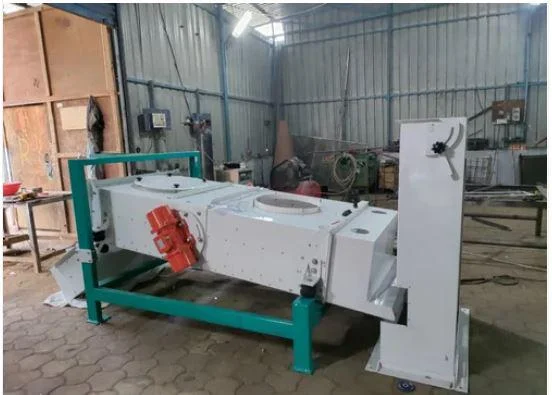
Linear screens are designed for high-efficiency separation and are often used in the mining and aggregates sectors. They allow for precise grading of materials over a longer surface area.
𝗕𝗲𝗻𝗲𝗳𝗶𝘁𝘀 𝗮𝗻𝗱 𝗔𝗱𝘃𝗮𝗻𝘁𝗮𝗴𝗲𝘀
Investing in sieving and grading machines provides several advantages.
1. Enhanced Quality Control: Ensures that products meet specific size requirements, improving overall quality.
2. Increased Efficiency: Automating the sieving process speeds up production and reduces manual labor.
3. Versatility: Suitable for a wide range of materials across various industries, making them adaptable to different applications.
4. Cost-Effectiveness: Reduces waste by ensuring only the desired particle sizes are processed, leading to better resource utilization.
5. Improved Safety: Modern machines come with safety features that protect operators and reduce the risk of accidents.
6. Easy Maintenance: Many models are designed for quick cleaning and maintenance, minimizing downtime.
𝗕𝘂𝘆𝗶𝗻𝗴 𝗚𝘂𝗶𝗱𝗲 𝗳𝗼𝗿 𝗕𝟮𝗕 𝗕𝘂𝘆𝗲𝗿𝘀
When sourcing sieving and grading machines, it is essential to consider several key factors.
1. Quality Assessment: Look for machines that meet industry standards and have a proven track record of performance. Consider certifications like CE to ensure quality.
2. Supplier Verification: Vet potential suppliers by checking their reputation, customer reviews, and the reliability of their machines.
3. Pricing and MOQ: Understand the pricing structure and minimum order quantities to align with your budget and operational needs.
4. Delivery and Lead Times: Discuss logistics with suppliers to ensure timely delivery and minimize disruption to your production schedule.
5. Compliance Requirements: Ensure that the machines comply with relevant regulatory standards in your region to avoid legal issues.
𝗖𝗼𝗺𝗽𝗹𝗶𝗮𝗻𝗰𝗲 𝗮𝗻𝗱 𝗖𝗲𝗿𝘁𝗶𝗳𝗶𝗰𝗮𝘁𝗶𝗼𝗻𝘀
Compliance with industry standards is critical for sieving and grading machines. Many manufacturers strive to meet quality standards such as ISO 9001, which ensures effective quality management systems. Additionally, certifications like HACCP and CE are essential for industries like food and pharmaceuticals, where safety and quality are paramount.
Testing requirements may include safety checks, performance assessments, and material analysis to ensure machines operate efficiently and safely. Regional compliance considerations may vary; therefore, it is crucial for buyers to confirm that their machines meet local regulations and standards.
𝗪𝗵𝘆 𝗦𝗼𝘂𝗿𝗰𝗲 𝗦𝗶𝗲𝘃𝗶𝗻𝗴 & 𝗚𝗿𝗮𝗱𝗶𝗻𝗴 𝗠𝗮𝗰𝗵𝗶𝗻𝗲𝘀 𝗳𝗿𝗼𝗺 𝗣𝗲𝗽𝗮𝗴𝗼𝗿𝗮?
Pepagora provides a trusted platform for sourcing sieving and grading machines, offering several key advantages.
Verified Supplier Network: Our platform features a network of verified suppliers that ensure quality and reliability. This gives buyers peace of mind knowing they are dealing with reputable manufacturers.
Streamlined RFQ Process: The Request for Quotation (RFQ) system allows buyers to easily compare offers from multiple suppliers, facilitating better decision-making.
Trade Assurance and Support: We offer buyer protection mechanisms that safeguard transactions, ensuring that clients receive what they ordered.
Regional Coverage: Pepagora's reach extends across India, the GCC, and Southeast Asia, making it easy for businesses to find local suppliers that meet their specific needs.
Utilizing our platform simplifies the procurement process, ensuring that businesses find the right equipment to enhance their operations.
Newly Added



Recently Added
New Ghosh Industries
Lab Gas Pycnometer For Solid Density And Volume Measurement
Field Density Test Apparatus for Soil Compaction in Construction
Geotechnical Engineering Field Vane Shear Test Apparatus for Soil Strength
Real Tech Engineering
Agri Waste Shredder For Composting Biomass Fuel Farm Waste Management
Industrial Solid Waste Shredder for Recycling and Waste Management
Industrial Coconut Husk Shredder Machine For Composting And Coir Extraction
ACME Scientific International
Professional Abrasion Testing Machine for Material Durability Assessment
Concrete Testing Air Entrainment Meter 0.1m 150mm Aggregate
Bench Mounting Load Frame For Mechanical Testing In R&D And Quality Control
Laxmi Engineers
Industrial Jaw Crusher For Primary Crushing Of Minerals And Aggregates
Heavy Duty Roller Crusher 25 TPH Manganese Steel Pre Assembled
Industrial Hammer Mill Heavy Duty Grinder 3 40 TPH Manganese Steel
Dahela Engineers, India
Industrial Banjo Tee Fittings High Pressure Hydraulic Pneumatic
Industrial Hydraulic Side Cut Banjo Tee Fittings For Automotive Systems
Industrial Banjo Tee Side Cut Nipple Hydraulic Pneumatic Fitting
Bombay Pharma Equipments Pvt. Ltd
Industrial Packing Belt Conveyor SS 304 Variable Speed Height Length Width
Industrial Bottle Filling Machine for Liquid Packaging Solutions
SMEs Semi Automatic Liquid Filling Machine Precise Efficient Portable
ARC Engineering Industries
Heavy Duty Hydraulic Hopper 10 cu ft 6HP Diesel 5HP Electric Motor
Mechanical Clutch Hopper 10/7 Cu Ft Mixer 6HP Diesel 5HP Electric
Hand Feed Concrete Mixer 7 Cu. Ft. 20 RPM Diesel Electric
Pooja Scientific Instruments
Industrial High Temperature Muffle Furnace 1400C Digital Control
Digital Bomb Calorimeter for Coal Biofuels Chemicals Testing
Industrial Digital Colony Counter for Microbial Counting OEM Supply
Ashwini Enterprises
Precision Multimill Screens For Particle Size Control 0.5 25mm
Industrial Clit Mill Screens 0.5mm 25mm Perforations For Food Pharma Chemical
Industrial Silicon Sifter Sieve Z Type 12 45 Inch Food Grade
Chamunda Equipment
Industrial CE Vibrating Screen For Food Chemicals Pharmaceuticals
CE Pneumatic Conveying System For Dust Free Material Transfer
Industrial Screw Conveyor For Bulk Material Handling With Electric Motor
Why Businesses Trust Pepagora
Thousands of companies trust Pepagora to source smarter and sell faster
Expand Your Sales Globally
25000+Products listed.Get discovered by global buyers
Tools to boost visibility
Build your own catalog

Source Smarter,Grow Faster
4000+Active RFQs
100+ Countries served
Easy Sourcing Tools
