
 IN
INundefined
Shielded & Unshielded Cables
24 products available
𝗪𝗵𝗮𝘁 𝗮𝗿𝗲 𝗦𝗵𝗶𝗲𝗹𝗱𝗲𝗱 & 𝗨𝗻𝘀𝗵𝗶𝗲𝗹𝗱𝗲𝗱 𝗖𝗮𝗯𝗹𝗲𝘀?
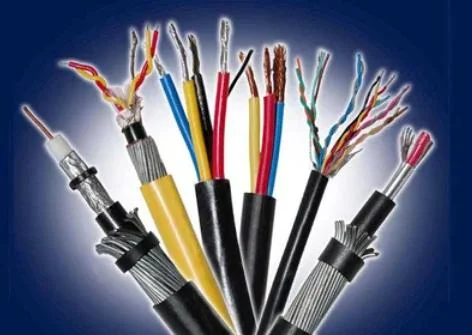
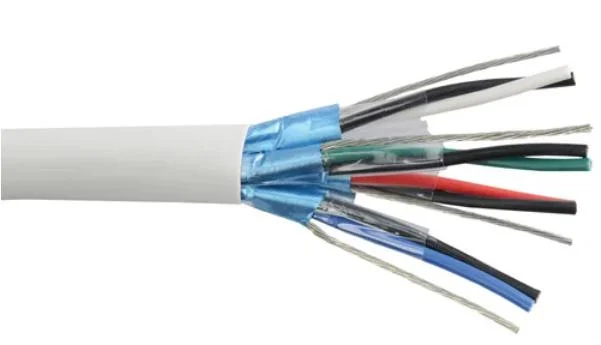
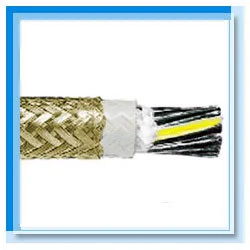
Shielded and unshielded cables are essential components in various industrial and commercial applications, serving as conduits for electrical signals. Shielded cables include a conductive layer that protects against electromagnetic interference (EMI) and radio frequency interference (RFI), ensuring the integrity of the transmitted signals. In contrast, unshielded cables lack this protective layer, making them more susceptible to interference but often more cost-effective for certain applications.
These cables find primary use in telecommunications, data transmission, and industrial automation systems. Shielded cables are particularly valuable in environments with high levels of electronic noise, while unshielded cables are commonly used in less demanding settings. Industries such as manufacturing, telecommunications, and transportation frequently utilize these cables to facilitate communication and signal processing.
In the current market landscape, the choice between shielded and unshielded cables is influenced by factors such as application requirements, environmental conditions, and budget constraints. The growing demand for reliable communication systems in various sectors underscores the importance of understanding the differences between these cable types.
𝗞𝗲𝘆 𝗙𝗲𝗮𝘁𝘂𝗿𝗲𝘀 𝗮𝗻𝗱 𝗦𝗽𝗲𝗰𝗶𝗳𝗶𝗰𝗮𝘁𝗶𝗼𝗻𝘀
Shielded and unshielded cables come with a variety of features and specifications that cater to different applications and requirements. Understanding these specifications is crucial for selecting the right cable for your needs.
Key specifications include:
1. Cable Type
- Shielded cables provide protection against EMI and RFI.
- Unshielded cables are more lightweight and flexible.
2. Conductor Material
- Copper or aluminum conductors are common, with copper offering better conductivity.
- The type of conductor impacts the cable's overall performance.
3. Voltage Rating
- Cables are available with different voltage ratings suitable for various applications.
- Common ratings include low voltage (up to 1kV) and medium voltage (1kV to 35kV).
4. Insulation Material
- PVC, PE, and XLPE are common materials for insulation.
- The choice of insulation affects durability and environmental resistance.
5. Cable Length
- Available in standard lengths, custom lengths can also be ordered.
- Longer cables may require additional considerations for signal degradation.
6. Temperature Range
- Cables are rated for specific temperature ranges, typically from -20°C to +80°C.
- Applications in extreme conditions may require specialized cables.
7. Compliance Standards
- Cables should meet industry standards such as CE certification.
- Compliance ensures reliability and safety in applications.
8. Packaging Options
- Cables can be supplied in reels, coils, or custom packaging.
- The choice of packaging affects ease of handling and storage.
In summary, selecting the right shielded or unshielded cable involves understanding these key features and specifications, which directly impact performance and application suitability.
𝗖𝗼𝗺𝗺𝗼𝗻 𝗔𝗽𝗽𝗹𝗶𝗰𝗮𝘁𝗶𝗼𝗻𝘀 𝗮𝗻𝗱 𝗨𝘀𝗲 𝗖𝗮𝘀𝗲𝘀
Shielded and unshielded cables are versatile and serve a wide range of industries and applications.
1. Telecommunications: Used for data transmission in telecommunication networks, ensuring effective signal delivery over long distances.
2. Industrial Automation: Essential for connecting sensors, controllers, and actuators in automated systems, facilitating seamless communication.
3. Transportation: Employed in vehicle wiring, signaling systems, and traffic control to ensure reliable operation under various conditions.
4. Audio and Video Systems: Utilized in professional audio and video equipment to minimize interference and improve signal clarity.
5. Power Distribution: Unshielded cables are often used in low-voltage power distribution systems where EMI is not a significant concern.
6. Medical Equipment: Shielded cables are critical in medical devices to prevent interference from surrounding electronic equipment.
7. Renewable Energy: Used in wind and solar energy systems for signal and power transmission, contributing to efficient energy management.
𝗣𝗿𝗼𝗱𝘂𝗰𝘁 𝗩𝗮𝗿𝗶𝗮𝗻𝘁𝘀 𝗮𝗻𝗱 𝗦𝘂𝗯𝗰𝗮𝘁𝗲𝗴𝗼𝗿𝗶𝗲𝘀
The product range of shielded and unshielded cables includes various variants to cater to specific requirements.
Shielded Twisted Pair (STP) Cables: These cables are designed with twisted pairs of conductors, providing enhanced protection against EMI. They are ideal for high-speed data applications and are commonly used in networking.
Unshielded Twisted Pair (UTP) Cables: UTP cables are used in many networking applications due to their cost-effectiveness. They are suitable for short-distance data transmission and are widely used in local area networks.
Coaxial Cables: These cables feature a central conductor surrounded by insulation and shielding. They are commonly used in video and radio frequency applications.
Fiber Optic Cables: Although not directly shielded or unshielded, fiber optic cables are essential for high-speed data transmission over long distances. They offer immunity to EMI and are increasingly used in telecommunication networks.
𝗕𝗲𝗻𝗲𝗳𝗶𝘁𝘀 𝗮𝗻𝗱 𝗔𝗱𝘃𝗮𝗻𝘁𝗮𝗴𝗲𝘀
Choosing shielded and unshielded cables provides several advantages tailored to specific applications.
1. Enhanced Signal Integrity: Shielded cables reduce interference, ensuring clear signal transmission in noisy environments.
2. Cost-Effectiveness: Unshielded cables are typically more affordable, making them ideal for budget-conscious projects.
3. Versatility: These cables are available in various types and configurations, accommodating diverse applications across industries.
4. Easy Installation: Many shielded and unshielded cables are designed for straightforward installation, reducing labor costs and time.
5. Durability: High-quality cables are designed to withstand environmental stress, ensuring longevity in various conditions.
6. Compliance with Standards: Many cables meet industry standards, providing assurance of quality and reliability.
𝗕𝘂𝘆𝗶𝗻𝗴 𝗚𝘂𝗶𝗱𝗲 𝗳𝗼𝗿 𝗕𝟮𝗕 𝗕𝘂𝘆𝗲𝗿𝘀
When sourcing shielded and unshielded cables, several factors should be considered to ensure an effective purchase.
1. Quality Assessment: Evaluate the quality of cables based on material, construction, and compliance with industry standards. High-quality cables reduce the risk of failure.
2. Supplier Verification: Vet suppliers for reliability and reputation. Look for certifications and customer reviews to ensure they meet your quality expectations.
3. Pricing and MOQ: Assess the pricing structures and minimum order quantities (MOQ) of potential suppliers. Ensure that the costs align with your project budget.
4. Delivery and Lead Times: Consider the logistics involved in receiving your order. Check delivery timelines to avoid project delays.
5. Compliance Requirements: Ensure that the cables meet any regulatory requirements specific to your industry or application. Compliance is crucial for safety and performance.
𝗖𝗼𝗺𝗽𝗹𝗶𝗮𝗻𝗰𝗲 𝗮𝗻𝗱 𝗖𝗲𝗿𝘁𝗶𝗳𝗶𝗰𝗮𝘁𝗶𝗼𝗻𝘀
Compliance and certifications for shielded and unshielded cables are vital in ensuring product quality and reliability. Relevant quality standards such as ISO 9001 focus on maintaining high production quality through systematic processes.
Additionally, certifications like CE indicate that products meet European safety standards, which is essential for market acceptance. Safety and testing requirements vary by application but may include electrical, thermal, and environmental testing to ensure durability and performance.
Regional compliance considerations also play a significant role. Different regions may have specific regulations governing electrical products, and manufacturers must ensure their cables adhere to these standards to operate in those markets.
𝗪𝗵𝘆 𝗦𝗼𝘂𝗿𝗰𝗲 𝗦𝗵𝗶𝗲𝗹𝗱𝗲𝗱 & 𝗨𝗻𝘀𝗵𝗶𝗲𝗹𝗱𝗲𝗱 𝗖𝗮𝗯𝗹𝗲𝘀 𝗳𝗿𝗼𝗺 𝗣𝗲𝗽𝗮𝗴𝗼𝗿𝗮?
Pepagora offers a trusted platform for sourcing shielded and unshielded cables, providing several significant advantages for B2B buyers.
Verified Supplier Network: Pepagora ensures that all suppliers go through a rigorous verification process. This guarantees that buyers are connected with reputable manufacturers who meet industry standards.
Streamlined RFQ Process: The request for quotation (RFQ) process is designed to be efficient and user-friendly. Buyers can easily request quotes from multiple suppliers, allowing for quick comparisons and informed decision-making.
Trade Assurance and Support: With trade assurance policies in place, buyers receive protection against potential issues in transactions. This support enhances buyer confidence and security.
Regional Coverage: Pepagora's platform caters to a broad geographic reach, including India, GCC, and Southeast Asia. This allows buyers access to a diverse range of suppliers and products, no matter their location.
By choosing Pepagora, businesses can streamline their sourcing process for shielded and unshielded cables while ensuring quality and compliance.
Newly Added




Recently Added
Allied Engg Works
Industrial Three Phase Tamper Proof Static Energy Meter IEC IS Compliant
Industrial LT XLPE Power Cables For Efficient Transmission And Distribution
Industrial Unscreened Cables For Reliable Signal Transmission
Bharat Fiber Glass Ind
Industrial FRP Flats For Electrical Insulation And Mechanical Support
Industrial Cable Trays Heavy Duty Secure Cable Management
Industrial FRP Dog Bone Profiles For Structural Reinforcement
Anshul Automation
Industrial Quick Couplings For Hydraulic Pneumatic Fluid Systems
Industrial Hydraulic Adapters High Pressure Leak Free Connections
Automotive Heaters For Commercial Vehicles And Fleets
Elcon Industries
Premium Cable Lugs For Secure Electrical Connections In Industrial Applications
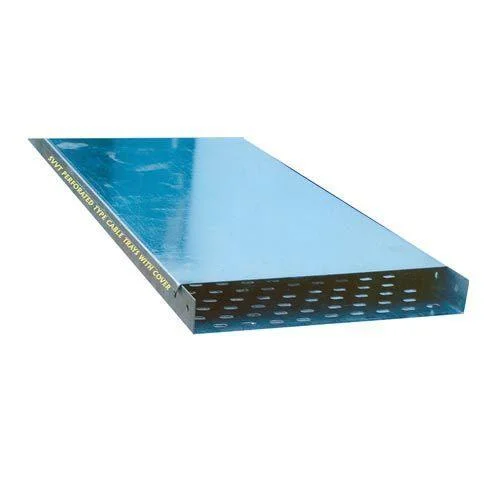
Industrial Perforated Cable Trays For Secure Cable Management
Industrial Perforated Cable Tray Covers Durable Corrosion Resistant
Alankar Sales Corporation
High Temperature Fiberglass Cables 130C 150C 180C For Telecom Industrial
Industrial PTFE Thread Seal Tapes High Density Chemical Resistant
Industrial K Type Compensating Cables For Temperature Sensing
Blue Cross Enterprises
Premium RJ 45 Plugs Cat5e Cat6 Gold Contacts Ethernet Connectors
Premium OTDR Devices For Fiber Optic Testing With Reliable Performance
C Band Dish Antenna High Performance Satellite Communication
Vardhman Industries
Industrial High Temperature Fiberglass Tape For Electrical Insulation
Aluminised Heat Resistant Sleeve 130mm ID For Automotive Industrial
Industrial Fiber Glass Tapes For Heat Resistance And Durability
Vijay Trading Corporation
Industrial Electrical Insulation Mica Products High Temperature Resistant
Industrial Silicon Cables High Temperature Fire Resistant Wiring
Industrial Adhesive Tapes For Strong Bonding And Durable Protection
Allied Power Solutions
Lightning Strike Recorder LSR Counter IP67 6 Digit Display 1500A 220kA
ESE Air Terminal NFC 17 102 Lightning Protection For High Rise Buildings
Industrial Commercial Voltage Stabilizers Surge Protectors Power Protection
Avee Electro Controls
Industrial Power Factor Correction Capacitors For Energy Efficiency
Industrial Power Capacitors For Power Factor Correction And Energy Efficiency
Industrial Gear Boxes For Precise Power Transmission And Durability
Why Businesses Trust Pepagora
Thousands of companies trust Pepagora to source smarter and sell faster
Expand Your Sales Globally
25000+Products listed.Get discovered by global buyers
Tools to boost visibility
Build your own catalog

Source Smarter,Grow Faster
4000+Active RFQs
100+ Countries served
Easy Sourcing Tools
