
 IN
INundefined
Sheet Metal Forming Tools
33 products available
𝗪𝗵𝗮𝘁 𝗮𝗿𝗲 𝗦𝗵𝗲𝗲𝘁 𝗠𝗲𝘁𝗮𝗹 𝗙𝗼𝗿𝗺𝗶𝗻𝗴 𝗧𝗼𝗼𝗹𝘀?
Sheet metal forming tools are specialized devices used to shape and manipulate sheets of metal into desired forms. These tools operate through various processes such as bending, cutting, and folding. They are essential in the manufacturing sector, providing the means to create parts and components for a wide range of applications. The versatility of these tools allows them to be used for both simple operations and complex fabrications.
The primary uses of sheet metal forming tools include the production of components for automotive, aerospace, electronics, and construction industries. These tools facilitate the creation of products like brackets, chassis, enclosures, and other custom parts. The demand for precision and efficiency in manufacturing processes makes these tools vital for companies focusing on quality and productivity. As industries continue to evolve, the relevance of sheet metal forming tools remains crucial in meeting modern production needs.
𝗞𝗲𝘆 𝗙𝗲𝗮𝘁𝘂𝗿𝗲𝘀 𝗮𝗻𝗱 𝗦𝗽𝗲𝗰𝗶𝗳𝗶𝗰𝗮𝘁𝗶𝗼𝗻𝘀
Sheet metal forming tools come with a variety of features that enhance their functionality and efficiency. The key specifications are important for buyers to consider when selecting the right tools for their operations.
Key specifications include:
1. Material Compatibility
- Suitable for various metals like aluminum, steel, and copper.
- Ensures versatility in production.
2. Tooling Types
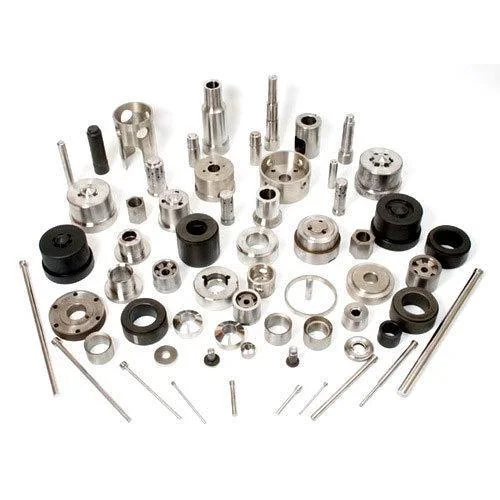
- Includes dies, punches, and rollers.
- Each type serves a specific forming process.
3. Precision Tolerance
- Offers accuracy typically within ±0.01 mm.
- Critical for high-quality production standards.
4. Forming Capacity
- Capable of handling thicknesses ranging from 0.5 mm to 5 mm.
- Determines the types of metal sheets that can be processed.
5. Machine Type
- Available in manual, semi-automatic, and fully automatic options.
- Affects operational efficiency and labor costs.
6. Speed of Operation
- Varies based on the machine design, typically ranges from 5 to 30 strokes per minute.
- Influences production rates and turnaround times.
7. Safety Features
- Includes emergency stop buttons and safety guards.
- Essential for worker protection.
8. Compliance Standards
- Adheres to industry standards such as CE certification.
- Ensures quality and safety in operations.
Understanding these specifications can assist buyers in making informed decisions when selecting sheet metal forming tools.
𝗖𝗼𝗺𝗺𝗼𝗻 𝗔𝗽𝗽𝗹𝗶𝗰𝗮𝘁𝗶𝗼𝗻𝘀 𝗮𝗻𝗱 𝗨𝘀𝗲 𝗖𝗮𝘀𝗲𝘀
Sheet metal forming tools serve a wide range of industries with various applications.
1. Automotive: In the automotive industry, these tools are used to fabricate parts like body panels, brackets, and frames, ensuring precision and structural integrity.
2. Aerospace: Aerospace manufacturers utilize these tools to create lightweight, durable components that meet stringent safety and performance standards.
3. Electronics: In electronics, sheet metal forming tools are essential for producing enclosures and heat sinks, contributing to the efficiency and reliability of electronic devices.
4. Construction: The construction industry uses these tools to produce roofing sheets, HVAC ducts, and structural components, facilitating faster and more efficient building processes.
5. HVAC: In HVAC systems, forming tools are used to create ductwork and fittings, ensuring optimal airflow and energy efficiency.
6. Furniture: The furniture industry employs these tools to make metal frames and components, enhancing the aesthetic and functional aspects of products.
7. Agriculture: In agriculture, these tools are used to manufacture equipment parts, ensuring durability and performance in demanding environments.
𝗣𝗿𝗼𝗱𝘂𝗰𝘁 𝗩𝗮𝗿𝗶𝗮𝗻𝘁𝘀 𝗮𝗻𝗱 𝗦𝘂𝗯𝗰𝗮𝘁𝗲𝗴𝗼𝗿𝗶𝗲𝘀
Sheet metal forming tools come in various configurations to cater to different manufacturing needs. Each variant is designed for specific applications and functionalities.
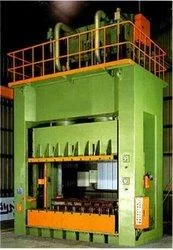
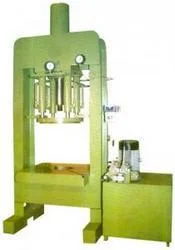
Hydraulic Presses
Hydraulic presses are powerful machines used for bending and shaping sheet metal. They offer high force and precision, making them suitable for heavy-duty applications.
Punching Machines
Punching machines are used to create holes or cut shapes in sheet metal. Their speed and efficiency make them ideal for mass production of components.
Brake Presses
Brake presses are designed for bending sheet metal at precise angles. They are essential in creating various shapes and are widely used in metal fabrication shops.
Roll Forming Machines
Roll forming machines utilize a series of rolls to shape metal into desired profiles. They are commonly used in the production of continuous lengths of metal parts.
𝗕𝗲𝗻𝗲𝗳𝗶𝘁𝘀 𝗮𝗻𝗱 𝗔𝗱𝘃𝗮𝗻𝘁𝗮𝗴𝗲𝘀
Investing in sheet metal forming tools offers numerous benefits for manufacturers.
1. Enhanced Precision: These tools provide high levels of accuracy, ensuring that each part meets strict specifications.
2. Increased Efficiency: Automated options can significantly reduce production times, allowing for quicker turnaround on projects.
3. Cost-Effectiveness: High-quality tools can lead to lower operational costs by minimizing waste and maximizing material usage.
4. Versatility: Capable of working with various metal types and thicknesses, these tools adapt to diverse production needs.
5. Improved Safety: Modern tools come equipped with safety features that protect operators and reduce workplace hazards.
6. Quality Assurance: Compliance with industry standards ensures that the products manufactured are reliable and meet market expectations.
𝗕𝘂𝘆𝗶𝗻𝗴 𝗚𝘂𝗶𝗱𝗲 𝗳𝗼𝗿 𝗕𝟮𝗕 𝗕𝘂𝘆𝗲𝗿𝘀
When sourcing sheet metal forming tools, several factors should be considered to ensure the best selection for business needs.
1. Quality Assessment: Evaluate tools based on durability, manufacturer reputation, and user reviews to ensure they meet quality expectations.
2. Supplier Verification: Vet suppliers by checking certifications, industry experience, and customer testimonials to ensure reliability and service quality.
3. Pricing and MOQ: Understand the pricing structure and minimum order quantities to align with budgetary constraints and production requirements.
4. Delivery and Lead Times: Consider logistics, including shipping times and availability of products, to ensure timely delivery for production schedules.
5. Compliance Requirements: Ensure that the tools meet necessary regulatory and safety standards, such as CE certifications, to maintain operational integrity.
𝗖𝗼𝗺𝗽𝗹𝗶𝗮𝗻𝗰𝗲 𝗮𝗻𝗱 𝗖𝗲𝗿𝘁𝗶𝗳𝗶𝗰𝗮𝘁𝗶𝗼𝗻𝘀
Compliance with industry standards and certifications is vital for sheet metal forming tools. Many manufacturers adhere to ISO 9001, which sets out criteria for quality management systems, ensuring consistent quality in production processes.
CE certification is also significant, indicating that products meet European health, safety, and environmental protection standards. This certification is crucial for companies looking to compete in international markets.
In addition to these certifications, it is essential to consider safety and testing requirements. Tools must pass rigorous safety tests to ensure they can operate reliably without posing risks to operators.
Regional compliance considerations may vary by location, making it essential for manufacturers to stay informed about local regulations and standards.
𝗪𝗵𝘆 𝗦𝗼𝘂𝗿𝗰𝗲 𝗦𝗵𝗲𝗲𝘁 𝗠𝗲𝘁𝗮𝗹 𝗙𝗼𝗿𝗺𝗶𝗻𝗴 𝗧𝗼𝗼𝗹𝘀 𝗳𝗿𝗼𝗺 𝗣𝗲𝗽𝗮𝗴𝗼𝗿𝗮?
Pepagora provides a trusted platform for sourcing sheet metal forming tools, offering several key advantages to businesses.
Verified Supplier Network: Pepagora connects buyers with a network of verified suppliers, ensuring that all listed vendors have undergone thorough vetting. This guarantees reliability and quality in sourcing.
Streamlined RFQ Process: The platform simplifies the request for quotation (RFQ) process, allowing buyers to easily compare offers from multiple suppliers. This efficiency helps businesses make informed purchasing decisions.
Trade Assurance and Support: Pepagora offers trade assurance, providing buyers with protection against potential issues during transactions. This support fosters a secure purchasing environment.
Regional Coverage: With a strong presence in India, the GCC, and Southeast Asia, Pepagora is well-positioned to serve businesses across diverse markets, facilitating easy access to quality sheet metal forming tools.
Newly Added



Recently Added
Aarati Engineering & Co
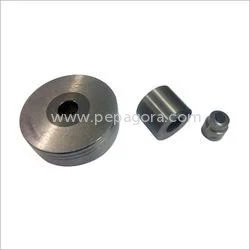
Industrial Metalworking Cutting Files High Quality Steel Precision
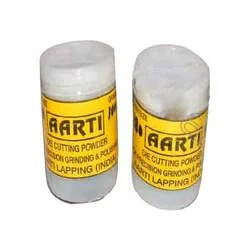
Wire Drawing Dies Cutting And Polishing Paste For Precision Maintenance
Industrial Wire Drawing Dies Cutting Powders For Precision Metal Forming
Abhishek Scientific Company
Premium Lab Bulbs For Scientific And Industrial Continuous Operation
Premium Polyacetal Conical Joints For Leak Free Medical Lab Connections
Lab Collapsible Shafts 6mm 8mm 450mm 600mm Precision Industrial
Yashica Technologies
Automotive Plastic Gears High Wear Corrosion Resistant Compact
Automotive High Tensile Wheel Hubs Seamless Corrosion Proof Long Life
Automotive Wheel Hubs High Tensile Strength Corrosion Resistant Long Life
Rays Tech
OEM Steel Gear Box Spares Galvanized Long Life Durable
Industrial Hex Bolts 40mm Diameter 400mm Length Galvanized SS Aluminium Copper
Industrial Forged Galvanized Nuts OEM Long Life Metal
Asha Spring & Engineering Co
Industrial Conical Suspension Springs High Load 40 Tons
Industrial Spiral Springs Heavy Duty Automotive Manufacturing Machinery
Industrial Extension Springs High Tensile Strength Custom Sizes
Vbs Engineering & Chemicals
Industrial Trisodium Phosphate Dodecahydrate For Cleaning And Metal Treatment
Pure Mono Potassium Phosphate MKP Fertilizer For Agriculture Food Industrial
Industrial Dodecahydrate Trisodium Phosphate For Water Treatment
Keshav New Tech Machines India Pvt Ltd
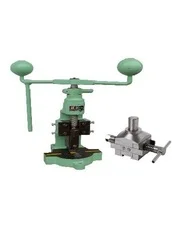
Industrial Over Crank Shearing Machine For Precision Metal Cutting
Industrial Fabrication Under Crank Shearing Machines For Metal Cutting
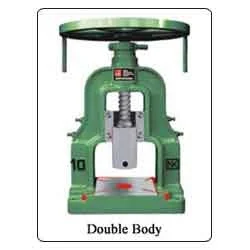
Industrial Hydraulic Press Brakes For Precision Metal Bending
Saturn Industries
Premium Aircraft Cables For Aerospace Marine Industrial Applications
Aircraft Wheel Chocks Premium Durable Secure Parking Ground Safety
Premium Automotive Sheet Metal Components For Vehicle Manufacturing
K P Service Center
Industrial Polypropylene Products For Packaging Automotive Construction
Industrial PP Top Cover Die Precision Plastic Injection Molding
Industrial RO Top Covers Durable Corrosion Resistant Protection
Bharat Machine Tools
Professional Jewelry Making Tools For Suppliers And Artisans
Industrial Upright Drills For Apparel Manufacturing Precision Stitching
Professional Jewellery Drilling Machines for Gold Silver Gemstones Precision
Why Businesses Trust Pepagora
Thousands of companies trust Pepagora to source smarter and sell faster
Expand Your Sales Globally
25000+Products listed.Get discovered by global buyers
Tools to boost visibility
Build your own catalog

Source Smarter,Grow Faster
4000+Active RFQs
100+ Countries served
Easy Sourcing Tools
