
 IN
INundefined
Sheet Cutting Machines
33 products available
𝗪𝗵𝗮𝘁 𝗮𝗿𝗲 𝗦𝗵𝗲𝗲𝘁 𝗖𝘂𝘁𝘁𝗶𝗻𝗴 𝗠𝗮𝗰𝗵𝗶𝗻𝗲𝘀?
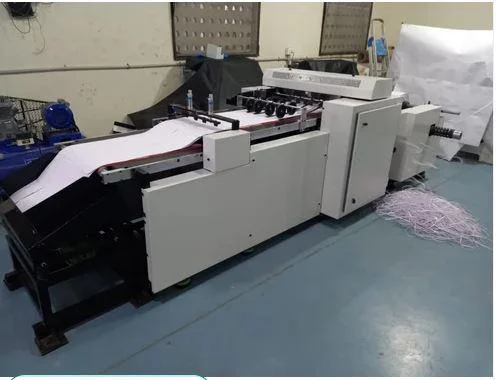
Sheet cutting machines are industrial devices designed to cut sheets of various materials into specified shapes and sizes. These machines are essential in manufacturing processes where precision and efficiency are critical. They operate through different cutting methods, including guillotine cutting, rotary cutting, and laser cutting, depending on the material and application requirements.
The primary uses of sheet cutting machines span across numerous industries such as manufacturing, construction, and packaging. They are used to cut metals, plastics, rubber, and textiles among other materials, making them versatile tools in production lines. Businesses utilize these machines to improve productivity, reduce waste, and ensure consistency in product quality. As industries evolve and demand for precision increases, sheet cutting machines continue to play a vital role in meeting these challenges.
In the current market context, the demand for sheet cutting machines is growing due to the rise in customized manufacturing and the need for high-quality production standards. Companies are increasingly investing in advanced machines that offer automation and enhanced capabilities. This trend is driven by the need to stay competitive and efficient in a rapidly changing industrial landscape.
𝗞𝗲𝘆 𝗙𝗲𝗮𝘁𝘂𝗿𝗲𝘀 𝗮𝗻𝗱 𝗦𝗽𝗲𝗰𝗶𝗳𝗶𝗰𝗮𝘁𝗶𝗼𝗻𝘀
Sheet cutting machines are equipped with various features that enhance their functionality and efficiency. Understanding these specifications is crucial for businesses looking to invest in the right equipment.
Key specifications include:
1. Cutting Width
- This refers to the maximum width of the sheet that the machine can cut.
- Typical ranges vary between 1.2 meters to 3 meters, depending on the machine model.
2. Cutting Thickness
- The maximum thickness of the material that can be processed.
- Most machines can handle thicknesses from 0.5 mm to 20 mm.
3. Cutting Speed
- This indicates how quickly the machine can perform cuts.
- Speed can range from 20 to 100 meters per minute based on machine capabilities.
4. Power Requirement
- The total power consumption of the machine, which is crucial for operational efficiency.
- Power ratings typically range from 1.5 kW to 15 kW.
5. Control System
- The type of control system used, such as manual, semi-automatic, or fully automatic.
- Advanced models feature digital controls for enhanced precision.
6. Safety Features
- Essential for protecting operators and ensuring safe operation.
- Includes emergency stop buttons, safety guards, and sensor systems.
7. Dimensions
- Overall size and weight of the machine, impacting installation and space requirements.
- Dimensions vary widely based on machine design.
8. Certification
- Compliance with industry standards such as CE for safety and performance.
- Ensures that the machine meets regulatory requirements.
In summary, selecting the right sheet cutting machine involves understanding these key features and specifications to match specific operational needs.
𝗖𝗼𝗺𝗺𝗼𝗻 𝗔𝗽𝗽𝗹𝗶𝗰𝗮𝘁𝗶𝗼𝗻𝘀 𝗮𝗻𝗱 𝗨𝘀𝗲 𝗖𝗮𝘀𝗲𝘀
Sheet cutting machines find applications across various sectors, each with unique requirements.
1. Manufacturing: In this sector, sheet cutting machines are used to produce components for automobiles, electronics, and machinery, allowing for precise cuts that meet strict quality standards.
2. Construction: These machines are essential for cutting materials like metal sheets and plywood for building structures, facilitating faster assembly and reducing material wastage.
3. Packaging: In the packaging industry, sheet cutting machines are employed to produce boxes and displays from cardboard and plastic sheets, ensuring consistent sizes and designs.
4. Textile: In the textile sector, these machines cut fabric sheets for garments and other applications, aiding in efficient production processes.
5. Aerospace: Precision cutting of lightweight materials is crucial in aerospace manufacturing, where these machines help create parts that meet stringent safety and weight requirements.
6. Signage: For the signage industry, sheet cutting machines enable the cutting of acrylic and metal sheets into various shapes and sizes for effective display solutions.
7. Furniture: In furniture manufacturing, these machines cut wood and composite materials to create furniture components with high precision.
𝗣𝗿𝗼𝗱𝘂𝗰𝘁 𝗩𝗮𝗿𝗶𝗮𝗻𝘁𝘀 𝗮𝗻𝗱 𝗦𝘂𝗯𝗰𝗮𝘁𝗲𝗴𝗼𝗿𝗶𝗲𝘀
Sheet cutting machines come in various types, each designed for specific applications and industries.
Guillotine Cutter
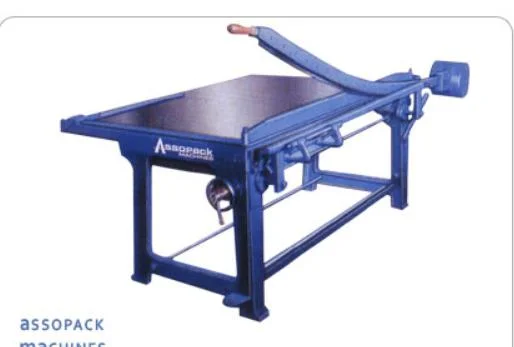
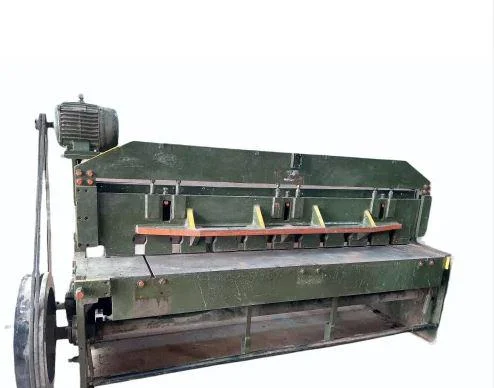
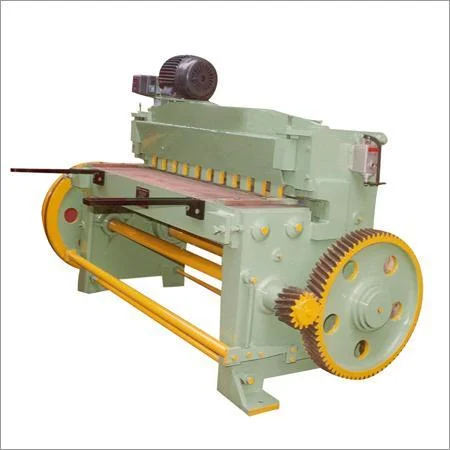
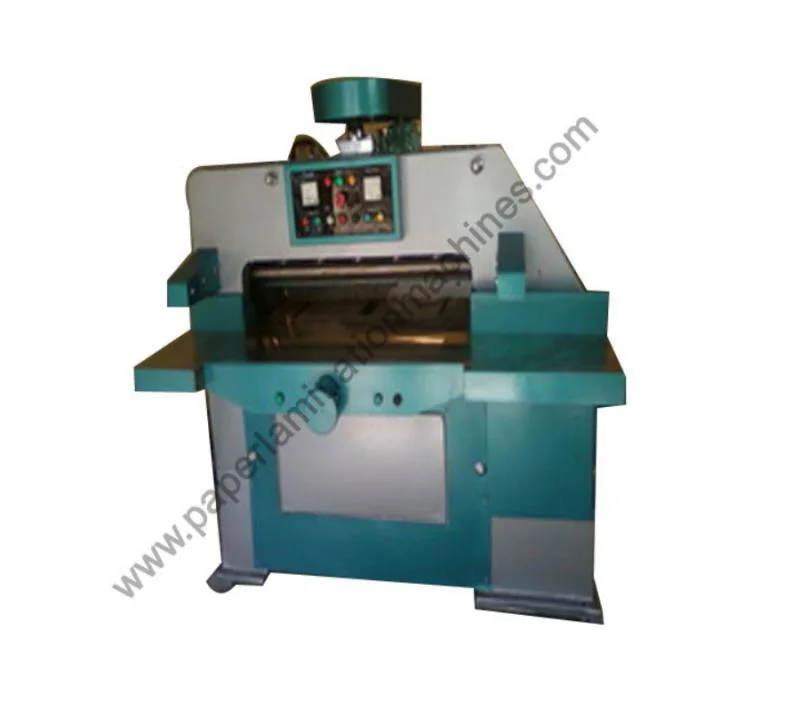
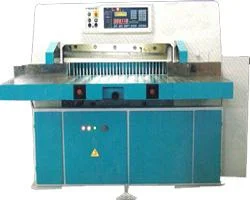
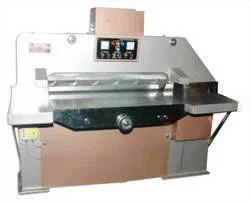
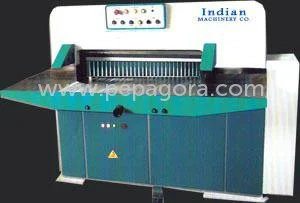
This variant is ideal for cutting sheets of paper, plastic, and thin metals. It features a sharp blade that performs straight cuts and is known for its simplicity and efficiency in high-volume environments.
Laser Cutter
Laser cutting machines provide high precision and versatility. They can cut intricate designs in various materials such as metal, wood, and acrylic. This variant is perfect for industries that require detailed work and complex shapes.
Rotary Cutter
Rotary cutters are commonly used in textile and packaging industries. They operate using a circular blade that rolls over the material, allowing for smooth and continuous cuts. This machine is favored for its speed and efficiency.
𝗕𝗲𝗻𝗲𝗳𝗶𝘁𝘀 𝗮𝗻𝗱 𝗔𝗱𝘃𝗮𝗻𝘁𝗮𝗴𝗲𝘀
Investing in sheet cutting machines offers numerous advantages for businesses.
1. Precision Cutting: These machines provide high accuracy in cuts, ensuring that products meet exact specifications and reducing the need for rework.
2. Increased Efficiency: Sheet cutting machines can operate at high speeds, significantly improving production rates and reducing lead times.
3. Cost Savings: By minimizing material wastage and enhancing productivity, businesses can achieve better cost management and profitability.
4. Versatility: These machines can cut a wide range of materials, making them suitable for various industries and applications.
5. Automation Features: Advanced models offer automation, reducing the need for manual intervention and improving overall operational efficiency.
6. Enhanced Safety: Modern sheet cutting machines come equipped with safety features that protect operators, promoting a safer working environment.
𝗕𝘂𝘆𝗶𝗻𝗴 𝗚𝘂𝗶𝗱𝗲 𝗳𝗼𝗿 𝗕𝟮𝗕 𝗕𝘂𝘆𝗲𝗿𝘀
When sourcing sheet cutting machines, it is important to consider several factors to ensure a successful purchase.
1. Quality Assessment: Evaluate the quality of the machines based on manufacturer reputation, customer reviews, and performance metrics. Quality equipment will lead to better production outcomes.
2. Supplier Verification: Conduct thorough checks on potential suppliers, including their certifications, production capabilities, and past client experiences. This helps in identifying reliable partners.
3. Pricing and MOQ: Understand the pricing structure and minimum order quantities (MOQ). Compare prices across different suppliers to find the best value for your investment.
4. Delivery and Lead Times: Inquire about the delivery schedules and lead times. Timely delivery is crucial for maintaining production schedules.
5. Compliance Requirements: Ensure that the machines meet industry compliance standards and regulations. This may include safety certifications and environmental considerations.
𝗖𝗼𝗺𝗽𝗹𝗶𝗮𝗻𝗰𝗲 𝗮𝗻𝗱 𝗖𝗲𝗿𝘁𝗶𝗳𝗶𝗰𝗮𝘁𝗶𝗼𝗻𝘀
Compliance and certifications are critical aspects of sheet cutting machines, ensuring they meet industry standards for quality and safety.
Relevant quality standards such as ISO 9001 ensure that manufacturers adhere to consistent quality management practices. This certification is vital for businesses that prioritize quality assurance in their operations.
Additionally, many machines carry the CE mark, indicating compliance with European health, safety, and environmental protection standards. This certification assures buyers of the machine's reliability and safety.
Safety and testing requirements vary by region but generally include assessments of operational safety, performance, and material handling. Buyers should be aware of these requirements to ensure compliance in their respective markets.
Regional compliance considerations may also play a role, particularly in markets like the EU, where stringent regulations may apply. It is essential for businesses to stay informed about these regulations when sourcing equipment.
𝗪𝗵𝘆 𝗦𝗼𝘂𝗿𝗰𝗲 𝗦𝗵𝗲𝗲𝘁 𝗖𝘂𝘁𝘁𝗶𝗻𝗴 𝗠𝗮𝗰𝗵𝗶𝗻𝗲𝘀 𝗳𝗿𝗼𝗺 𝗣𝗲𝗽𝗮𝗴𝗼𝗿𝗮?
Pepagora provides a trusted platform for sourcing sheet cutting machines, offering several key advantages to B2B buyers.
Verified Supplier Network: Pepagora connects buyers with a network of verified suppliers, ensuring that all partners are vetted for quality and reliability. This minimizes the risk of sourcing issues and enhances buyer confidence.
Streamlined RFQ Process: The platform features a streamlined Request for Quotation (RFQ) process, making it easy for buyers to obtain multiple quotes from various suppliers. This efficiency helps buyers make informed purchasing decisions quickly.
Trade Assurance and Support: Pepagora offers trade assurance and dedicated support to buyers, providing protection against potential sourcing risks. This added layer of security fosters a smoother transaction experience.
Regional Coverage: With a strong presence in markets like India, GCC, and Southeast Asia, Pepagora offers extensive regional coverage. This enables buyers to access a wide range of suppliers and products tailored to their specific needs.
By choosing Pepagora, businesses can simplify their sourcing process for sheet cutting machines while ensuring they receive high-quality products and services.
Newly Added





.webp)

Recently Added
Bhoomika Trading Co
Premium Automotive Clutches For Importers And Distributors
Industrial Tensioners For Power Transmission Systems
Premium Printed Electric Chokes For Fluorescent Tubelights
B. N. Engineering Works
Premium Automatic Lamination Machine For Packaging Bonding Precision
Industrial 4 Bar Rotary Cutting And Creasing Machine For Corrugated Sheets
Automatic Sheet Laminating Machine For Corrugated Board Packaging
A.K.Engineering Company
Automatic Paper Core Cutting Machine 25 300mm Inner Diameter 10 1000mm Length
Industrial Paste Preparation Machine Corrosion Resistant 50 300kg
Parallel Paper Tube Making Machine 8 25mm ID 350mm Length Low Maintenance
Batra Sales Corporation
Professional Book Stitching Machine High Grade Steel Durable Binding
Industrial Metal Fabrication Heavy Duty Die Punching Machine
Hot Leaf Unit For Die Punching Machine Foil Stamping
Bagyalakshmi Engineering Works
Industrial Gluing Machine For Precision Bonding Across Materials
Industrial Labelling Machine For High Speed Accurate Product Identification
Premium Offset Printing Machines For High Volume Commercial Applications
Alpha Print Pack Machinery Co
Industrial Electric Die Cutting Machine For High Volume Precision Cutting
Automatic Paper Cutting Machine For Printing And Packaging Industries
Industrial Thermal Film Lamination Machine For Professional Applications
H R (Paper) Machinery Pvt Ltd
Paper Reel to Sheet Cutting Machine with Hydraulic Shaftless Stands
Industrial Precision Cut To Length Machine For Paper 36 250gsm 20 54 Inch
Industrial Flexographic Printing Machine HR FP 501 for Cement Fertilizer Grain Sacks
Indian Machinery Co
Industrial Heavy Duty Punching Creasing Machine 22x28 Platen 1700 IPH
Hot Foil Stamping Attachment 22x28 Platen 1700 Impressions/Hour
Professional Film Lamination Machine 24 Inch 1800 Ft/Hr 1.5 HP OEM
Aryan Impex
Professional HP Laptop Bags Durable Fabric International Compliance
Durable School Bags High Quality Fabric Bulk Distribution
Ludan Cargo School Bags Durable Student Backpacks Bulk Customization
Dreampac Machines
Disposable Paper Cups 150 ml For Hot And Cold Beverages
Fully Automatic Roll To Planks Printing And Cutting Machine
Fully Automatic Roll to Roll Printing Machine 20 Inch Wide with Dryer
Why Businesses Trust Pepagora
Thousands of companies trust Pepagora to source smarter and sell faster
Expand Your Sales Globally
25000+Products listed.Get discovered by global buyers
Tools to boost visibility
Build your own catalog

Source Smarter,Grow Faster
4000+Active RFQs
100+ Countries served
Easy Sourcing Tools
