
 IN
INundefined
Shade Nets (35% - 90%)
24 products available
What are Shade Nets (35% - 90%)?
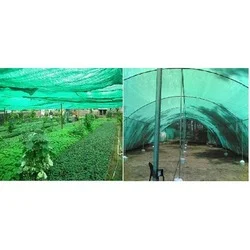
Shade nets are specialized fabric structures designed to provide varying levels of shade, typically ranging from 35% to 90%. They are made from high-density polyethylene (HDPE) and are engineered to reduce sunlight exposure while allowing air circulation. This makes them highly effective in protecting plants, livestock, and outdoor spaces from excessive heat and UV radiation.
These nets are widely used in agriculture, horticulture, and landscaping, offering essential protection for crops and sensitive plants. Additionally, they are employed in various business applications, including construction sites and outdoor recreational areas, where shade and protection from harsh weather conditions are needed. The increasing awareness of the benefits of shade nets has driven their demand across multiple industries, making them a staple in modern agricultural practices.
𝗞𝗲𝘆 𝗙𝗲𝗮𝘁𝘂𝗿𝗲𝘀 𝗮𝗻𝗱 𝗦𝗽𝗲𝗰𝗶𝗳𝗶𝗰𝗮𝘁𝗶𝗼𝗻𝘀
Shade nets come with several key features that enhance their usability and effectiveness. They are designed for durability and ease of installation, catering to a wide range of applications.
Key specifications include:
1. Shade Percentage
- Available in varying percentages from 35% to 90%
- Allows users to select the appropriate level of shade based on specific needs
2. Material Quality
- Made from high-density polyethylene (HDPE)
- Offers high tensile strength and UV resistance
3. Color Options
- Available in various colors, including black, green, and white
- Color choice can affect heat absorption and aesthetic appeal
4. Size Variety
- Available in multiple sizes to accommodate different applications
- Custom sizes can be provided based on client specifications
5. UV Stabilization
- Enhanced with UV stabilizers to extend lifespan
- Reduces degradation from sunlight exposure over time
6. Breathability
- Designed to allow air circulation while blocking sunlight
- Helps in temperature control for plants and animals
7. Water Permeability
- Some models allow rainwater to pass through, preventing water pooling
- Supports plant health during rainy seasons
8. Easy Installation
- Lightweight and easy to handle for quick setup
- Can be mounted on various structures, such as frames and poles
In summary, shade nets are versatile products with essential features that cater to a wide range of agricultural and commercial needs.
𝗖𝗼𝗺𝗺𝗼𝗻 𝗔𝗽𝗽𝗹𝗶𝗰𝗮𝘁𝗶𝗼𝗻𝘀 𝗮𝗻𝗱 𝗨𝘀𝗲 𝗖𝗮𝘀𝗲𝘀
Shade nets are utilized across various industries to improve efficiency and protect investments.
1. Agriculture: They are commonly used to shield crops from direct sunlight, helping to reduce heat stress and improve yield quality.
2. Horticulture: Greenhouses and nurseries use shade nets to protect delicate seedlings and ornamental plants from harsh sunlight.
3. Livestock Farming: Farmers use shade nets in animal enclosures to provide comfort and protection against extreme weather conditions.
4. Construction: Shade nets are deployed at construction sites to protect workers from the sun and improve working conditions.
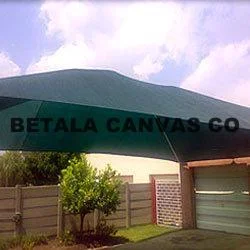
5. Outdoor Events: They are used in outdoor venues to provide shade for guests during events and festivals, enhancing comfort.
6. Sports Facilities: Shade nets are employed around sports fields and courts to protect players and spectators from sun exposure.
7. Landscaping: Landscapers use shade nets to create shaded areas in gardens and parks, enhancing the aesthetic appeal while protecting plants.
𝗣𝗿𝗼𝗱𝘂𝗰𝘁 𝗩𝗮𝗿𝗶𝗮𝗻𝘁𝘀 𝗮𝗻𝗱 𝗦𝘂𝗯𝗰𝗮𝘁𝗲𝗴𝗼𝗿𝗶𝗲𝘀
Shade nets are available in various forms to meet specific customer needs.
Standard Shade Nets
These nets provide a general level of shade suitable for most agricultural and horticultural applications. They are designed for durability and ease of use.
Heavy-Duty Shade Nets
These nets offer higher UV protection and are ideal for more demanding environments. They are often used in commercial agriculture and large-scale landscaping projects.
Custom Shade Solutions
For unique projects, custom shade solutions can be tailored to specific dimensions and shade requirements. These are perfect for specialized agricultural setups or bespoke landscaping designs.
𝗕𝗲𝗻𝗲𝗳𝗶𝘁𝘀 𝗮𝗻𝗱 𝗔𝗱𝘃𝗮𝗻𝘁𝗮𝗴𝗲𝘀
Shade nets deliver numerous benefits that can significantly enhance productivity and comfort.
1. Temperature Regulation: They help maintain optimal temperatures for plants and livestock, promoting better growth and health.
2. UV Protection: Shade nets provide essential protection from harmful UV rays, safeguarding both crops and livestock.
3. Increased Yield: By reducing heat stress and protecting from harsh sunlight, shade nets can lead to better crop yields.
4. Versatile Applications: Suitable for various industries, shade nets can be adapted for agricultural, commercial, and recreational use.
5. Cost-Effectiveness: Investing in shade nets can reduce losses due to heat damage, providing long-term savings for businesses.
6. Easy Maintenance: Shade nets are typically easy to clean and maintain, ensuring longevity and continued effectiveness.
𝗕𝘂𝘆𝗶𝗻𝗴 𝗚𝘂𝗶𝗱𝗲 𝗳𝗼𝗿 𝗕𝟮𝗕 𝗕𝘂𝘆𝗲𝗿𝘀
When sourcing shade nets (35% - 90%), it is important to consider several factors to ensure you make an informed decision.
1. Quality Assessment: Look for high-quality materials and construction standards. Check for UV stabilization and durability to ensure long-lasting performance.
2. Supplier Verification: Vet suppliers carefully by reviewing their reputation, certifications, and previous client feedback. A reliable supplier can provide peace of mind and quality assurance.
3. Pricing and MOQ: Understand the pricing structure and minimum order quantities (MOQ) to ensure that you are making a financially sound purchase. Compare quotes from different suppliers for better deals.
4. Delivery and Lead Times: Consider the logistics involved in shipping and delivery times. Make sure the supplier can meet your project timelines.
5. Compliance Requirements: Ensure that the shade nets meet relevant industry standards and regulations. This includes checking for certifications like CE to guarantee safety and quality.
𝗖𝗼𝗺𝗽𝗹𝗶𝗮𝗻𝗰𝗲 𝗮𝗻𝗱 𝗖𝗲𝗿𝘁𝗶𝗳𝗶𝗰𝗮𝘁𝗶𝗼𝗻𝘀
Shade nets are subject to various quality and safety standards that ensure they meet industry expectations.
Key quality standards include ISO 9001, which focuses on quality management systems, ensuring that manufacturers maintain high standards in production.
The CE certification is another important standard, indicating that the products comply with European safety, health, and environmental requirements.
It is also essential to consider safety and testing requirements, which may vary by region. Regional compliance may involve specific testing for UV stability and material safety.
Understanding these compliance and certification requirements is crucial for businesses to ensure that their shade nets meet necessary regulations and provide reliable performance.
Why Source Shade Nets (35% - 90%) from Pepagora?
Pepagora stands out as a trusted platform for sourcing shade nets (35% - 90%) due to its robust supplier network and commitment to quality.
Verified Supplier Network: Pepagora ensures that all suppliers undergo thorough vetting to maintain high standards. This gives buyers confidence in the quality and reliability of the products.
Streamlined RFQ Process: The platform offers a user-friendly Request for Quotation (RFQ) process, making it easy for buyers to obtain competitive quotes from multiple suppliers quickly.
Trade Assurance and Support: Pepagora provides trade assurance, offering buyers protection and support throughout the purchasing process. This includes assistance with any issues that may arise post-purchase.
Regional Coverage: With a strong presence in India, the GCC, and Southeast Asia, Pepagora offers extensive geographic reach, catering to diverse market needs and ensuring timely delivery.
By choosing Pepagora, businesses can streamline their sourcing process while accessing high-quality shade nets that meet their specific requirements.
Newly Added


Recently Added
Betala Tarpaulin Company
Industrial HDPE Tarpaulins For Durable Weather Protection
Premium Nylon Tarpaulins Durable Weather Resistant Covers
Industrial Cotton Wax Tarpaulins Waterproof Chemical Resistant Durable
Blue Stallion Equipments Private Limited
Professional Turbo 16 Knapsack Sprayer For Agriculture And Sanitation
Fighter Knapsack Sprayer For Agriculture And Pest Control
Professional Knapsack Sprayer High Pressure Brass Piston Chemical Resistant
Aura Decors
Industrial Commercial Panel Curtains Durable Partitioning Noise Reduction
Industrial Commercial Panel Curtains Durable Customizable Partitions
19mm Stainless Steel And Wooden Curtain Rods For Bulk Orders
Bharat Tarpaulin Company
Professional Heavy Duty Canvas Camping Tents For Outdoor Commercial Use
Automotive Carpets Premium Durability OEM Grade Custom Sizing
Commercial Modular Carpet Tiles Durable Stain Resistant Anti Static
Betala Canvas Company
Anti Bird Car Covers Durable Protection For Vehicles
Premium Canvas Car Body Covers Durable Weather Resistant Bulk
Premium Car Covers For Vehicle Protection Weather Dust UV
Aayesha Agro Traders
Premium Garden Fencing Durable Security For Homes Farms Parks
Professional Hand And Battery Sprayers For Agriculture Horticulture Sanitation
Commercial Lawn Mowers And Rollers For Professional Landscaping
Essen Metals & Alloy
UV Resistant Shade Net Threads For Greenhouse Construction
Premium Zig Zag Wire High Durability Horticulture Construction
Premium Galvanized Steel Clamps For Greenhouse And Polyhouse Construction
Neelgiri Tarpaulin & Co
Industrial Wax Coated Tarpaulin Waterproof Heavy Duty Cover
Premium UV Film For Agriculture Greenhouses And Low Tunnels
Construction Site Brick Covers Premium Fabric Weather Resistant
Foresight
Danpalon Polycarbonate Roofing Sheets With Thermal Insulation And UV Protection
Skylight Danpalon Roofing Sheets Polycarbonate UV Thermal Insulation
Entrance Canopy Danpalon Roofing Sheets With UV Protection And Thermal Insulation
Bharat Awning & Canopies
Premium Venetian Blinds For Offices Hotels Hospitals Light Control
Premium Roman Blinds Durable Light Control Privacy Bulk
Commercial Roller Blinds Premium Durable Light Control Customizable
Why Businesses Trust Pepagora
Thousands of companies trust Pepagora to source smarter and sell faster
Expand Your Sales Globally
25000+Products listed.Get discovered by global buyers
Tools to boost visibility
Build your own catalog

Source Smarter,Grow Faster
4000+Active RFQs
100+ Countries served
Easy Sourcing Tools
