
 IN
INundefined
Sensor Replacement & Calibration
1 products available
𝗪𝗵𝗮𝘁 𝗮𝗿𝗲 𝗦𝗲𝗻𝘀𝗼𝗿 𝗥𝗲𝗽𝗹𝗮𝗰𝗲𝗺𝗲𝗻𝘁 & 𝗖𝗮𝗹𝗶𝗯𝗿𝗮𝘁𝗶𝗼𝗻?
Sensor replacement and calibration are essential processes in maintaining the accuracy and reliability of various measurement and control systems. Sensors are devices that detect and respond to physical stimuli such as temperature, pressure, humidity, and more. Over time, sensors can drift or degrade due to environmental factors, leading to inaccurate readings. Replacement ensures that the measurement system continues to function optimally, while calibration aligns the sensor's output with known standards to ensure accuracy.
Primary uses of sensor replacement and calibration span across multiple industries, including manufacturing, healthcare, and environmental monitoring. In manufacturing, precise measurements are crucial for quality control and process optimization. In healthcare, accurate sensor readings are vital for patient safety and effective treatment. Environmental monitoring requires calibrated sensors to ensure compliance with regulatory standards. As industries increasingly rely on automation and data-driven decision-making, the importance of reliable sensor performance continues to grow.
The market for sensor replacement and calibration services is expanding, driven by technological advancements and increasing demand for precision. Industries are investing in advanced sensor technologies and calibration techniques to enhance operational efficiency. As a result, businesses recognize the need for regular sensor maintenance to minimize downtime and ensure compliance with industry standards.
𝗞𝗲𝘆 𝗙𝗲𝗮𝘁𝘂𝗿𝗲𝘀 𝗮𝗻𝗱 𝗦𝗽𝗲𝗰𝗶𝗳𝗶𝗰𝗮𝘁𝗶𝗼𝗻𝘀
Sensor replacement and calibration services offer several key features that enhance their effectiveness and reliability. Understanding these specifications can help businesses make informed decisions when selecting the right services for their needs.
Key specifications include:
1. Accuracy
- Defines the degree of closeness of a measured value to its true value.
- Typical accuracy levels can range from ±0.1% to ±2% depending on the sensor type.
2. Range
- Refers to the operational limits within which the sensor can accurately measure.
- Measurement ranges vary widely, from -40°C to 150°C for temperature sensors to 0 to 100 psi for pressure sensors.
3. Response Time
- Indicates how quickly a sensor can respond to changes in the measured environment.
- Typical response times can range from milliseconds to several seconds.
4. Calibration Frequency
- Specifies how often a sensor should be calibrated to maintain accuracy.
- Recommended calibration intervals can range from monthly to annually based on usage conditions.
5. Environmental Compatibility
- Describes the sensor's ability to function in specific environmental conditions such as humidity and temperature extremes.
- Some sensors are rated for operation in high-humidity or high-temperature environments.
6. Communication Protocols
- Refers to the methods used for data transmission from the sensor to the monitoring system.
- Common protocols include analog (4-20 mA), digital (Modbus, CAN, etc.), and wireless standards.
7. Mounting Options
- Details the types of mounting configurations available for sensors.
- Options may include wall-mounted, panel-mounted, or handheld units.
8. Power Supply Requirements
- Specifies the electrical needs for the sensor to operate effectively.
- Typical requirements can range from 24V DC to battery-operated systems.
In summary, understanding these specifications is crucial for selecting the right sensor replacement and calibration services that meet specific industry needs and regulatory requirements.
𝗖𝗼𝗺𝗺𝗼𝗻 𝗔𝗽𝗽𝗹𝗶𝗰𝗮𝘁𝗶𝗼𝗻𝘀 𝗮𝗻𝗱 𝗨𝘀𝗲 𝗖𝗮𝘀𝗲𝘀
Sensor replacement and calibration are integral to various industries, ensuring accuracy and reliability in measurement systems.
1. Manufacturing: In manufacturing settings, sensors are used for monitoring pressure, temperature, and flow rates. Regular calibration ensures that production processes remain efficient and product quality is maintained.
2. Healthcare: Medical devices rely on sensors for monitoring patient vitals. Calibration is critical to ensure that readings are accurate, thereby safeguarding patient health and ensuring compliance with medical standards.
3. Environmental Monitoring: Sensors used in environmental applications must be calibrated to detect pollutant levels and climate data accurately. This is essential for regulatory compliance and effective environmental management.
4. Automotive: In the automotive industry, sensors are used for various functions, including engine management and driver assistance systems. Regular calibration ensures optimal performance and safety.
5. Food and Beverage: Sensors play a vital role in monitoring temperature and humidity during food processing and storage. Calibration helps maintain food safety standards.
6. HVAC: In heating, ventilation, and air conditioning systems, sensors monitor temperature and humidity levels. Calibration ensures that systems operate efficiently and provide comfort.
7. Oil and Gas: Sensors are critical for monitoring pressure and flow in oil and gas operations. Regular calibration is necessary to prevent leaks and ensure safety.
𝗣𝗿𝗼𝗱𝘂𝗰𝘁 𝗩𝗮𝗿𝗶𝗮𝗻𝘁𝘀 𝗮𝗻𝗱 𝗦𝘂𝗯𝗰𝗮𝘁𝗲𝗴𝗼𝗿𝗶𝗲𝘀
Sensor replacement and calibration services offer a variety of options to meet different industrial needs. While specific product variants may not be available, businesses can consider the following general categories.
Temperature Sensors
These sensors are designed for measuring temperature in various environments. They can be used in industrial processes, HVAC systems, and medical applications. Features may include wide temperature ranges and quick response times.
Pressure Sensors
Pressure sensors monitor gas and liquid pressure in pipelines and tanks. They are essential for safety and efficiency in manufacturing and automotive applications. These sensors often come with robust construction to withstand harsh environments.
Humidity Sensors
Humidity sensors measure moisture levels in the air, which is crucial in industries such as food processing and pharmaceuticals. Calibration ensures accurate readings and compliance with safety standards.
𝗕𝗲𝗻𝗲𝗳𝗶𝘁𝘀 𝗮𝗻𝗱 𝗔𝗱𝘃𝗮𝗻𝘁𝗮𝗴𝗲𝘀
Investing in sensor replacement and calibration services provides numerous advantages for businesses seeking to enhance operational efficiency and reliability.
Key benefits include:
1. Improved Accuracy: Regular calibration ensures that sensors provide precise readings, which is crucial for quality control and compliance.
2. Reduced Downtime: Timely sensor replacement minimizes operational interruptions, allowing businesses to maintain productivity.
3. Enhanced Safety: Accurate sensor readings are vital for safety in environments such as healthcare and manufacturing, reducing the risk of accidents.
4. Compliance Assurance: Regular calibration helps businesses meet industry regulations, avoiding potential fines and legal issues.
5. Cost Savings: By maintaining sensor accuracy, businesses can prevent costly errors and rework, leading to overall cost reduction.
6. Increased Equipment Lifespan: Proper maintenance through replacement and calibration can extend the lifespan of sensor equipment, maximizing return on investment.
𝗕𝘂𝘆𝗶𝗻𝗴 𝗚𝘂𝗶𝗱𝗲 𝗳𝗼𝗿 𝗕𝟮𝗕 𝗕𝘂𝘆𝗲𝗿𝘀
When sourcing sensor replacement and calibration services, it is essential for B2B buyers to consider various factors to ensure they make informed decisions.
1. Quality Assessment: Evaluate the quality of sensors and calibration methods. Look for suppliers that adhere to recognized quality standards and have a proven track record in the industry.
2. Supplier Verification: Vet potential suppliers by checking their certifications, customer reviews, and references. Ensuring that a supplier is reliable and reputable is crucial for maintaining operational integrity.
3. Pricing and MOQ: Understand the pricing structures and minimum order quantities (MOQ) of different suppliers. This helps in budgeting and ensuring that the chosen supplier aligns with your economic constraints.
4. Delivery and Lead Times: Consider the logistics involved in obtaining sensor replacement and calibration services. Assess the supplier's ability to deliver products on time to avoid disruptions in your operations.
5. Compliance Requirements: Be aware of any regulatory compliance needs specific to your industry. Choose suppliers who can provide documentation and assurance that their products meet these requirements.
𝗖𝗼𝗺𝗽𝗹𝗶𝗮𝗻𝗰𝗲 𝗮𝗻𝗱 𝗖𝗲𝗿𝘁𝗶𝗳𝗶𝗰𝗮𝘁𝗶𝗼𝗻𝘀
In the sensor replacement and calibration industry, adherence to relevant quality standards and certifications is vital for ensuring product reliability and safety.
One of the primary standards is ISO 9001, which outlines the criteria for a quality management system. Companies that meet ISO 9001 standards demonstrate their commitment to providing high-quality products and services.
Additionally, compliance with the CE certification indicates that the products meet European safety, health, and environmental protection standards. This is particularly important for businesses operating in or exporting to European markets.
Safety and testing requirements also play a crucial role in the sensor industry. Regular testing ensures that sensors can withstand the environmental conditions in which they operate, maintaining their accuracy and functionality over time.
Regional compliance considerations may vary, depending on local regulations and industry standards. It is essential for businesses to stay informed about these requirements to ensure full compliance and avoid potential liabilities.
𝗪𝗵𝘆 𝗦𝗼𝘂𝗿𝗰𝗲 𝗦𝗲𝗻𝘀𝗼𝗿 𝗥𝗲𝗽𝗹𝗮𝗰𝗲𝗺𝗲𝗻𝘁 & 𝗖𝗮𝗹𝗶𝗯𝗿𝗮𝘁𝗶𝗼𝗻 𝗳𝗿𝗼𝗺 𝗣𝗲𝗽𝗮𝗴𝗼𝗿𝗮?
Pepagora provides a trusted platform for sourcing sensor replacement and calibration services, offering several key advantages to B2B buyers.
Verified Supplier Network: Pepagora's robust network of verified suppliers ensures that businesses have access to high-quality products and services. Each supplier undergoes a rigorous vetting process, confirming their reliability and compliance with industry standards.
Streamlined RFQ Process: The request for quotation (RFQ) process on Pepagora is designed to be efficient and straightforward. Buyers can quickly compare offers from multiple suppliers, allowing them to make informed decisions based on pricing and service quality.
Trade Assurance and Support: Pepagora prioritizes buyer protection through its trade assurance policies. This support provides added confidence in transactions, ensuring that buyers receive the products they expect.
Regional Coverage: With a focus on markets in India, the GCC, and Southeast Asia, Pepagora offers extensive regional coverage. This geographic reach ensures that businesses can find local suppliers that understand their specific market needs and challenges.
By choosing Pepagora, businesses can streamline their sourcing process for sensor replacement and calibration while ensuring quality, compliance, and competitive pricing.


Recently Added
A One Sensor Systems
Commercial Automatic Air Freshener Dispensers for Bulk
Commercial Automatic Air Freshener with Long Battery Life and Durable Design
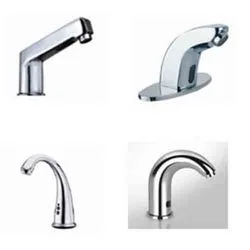
Commercial Automatic Sensor Taps For Hygiene And Water Savings
Why Businesses Trust Pepagora
Thousands of companies trust Pepagora to source smarter and sell faster
Expand Your Sales Globally
25000+Products listed.Get discovered by global buyers
Tools to boost visibility
Build your own catalog

Source Smarter,Grow Faster
4000+Active RFQs
100+ Countries served
Easy Sourcing Tools
