
 IN
INundefined
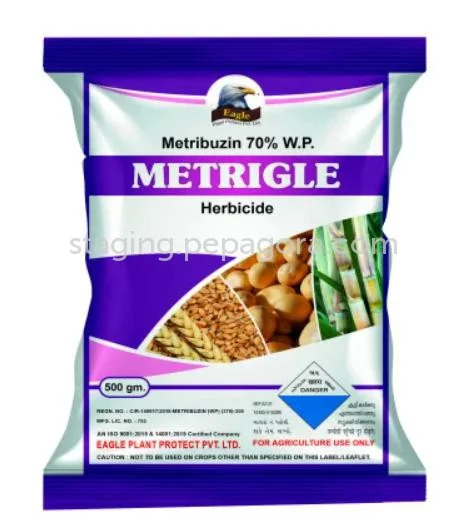
Selective Weed Killers
1 products available
𝗪𝗵𝗮𝘁 𝗮𝗿𝗲 𝗦𝗲𝗹𝗲𝗰𝘁𝗶𝘃𝗲 𝗪𝗲𝗲𝗱 𝗞𝗶𝗹𝗹𝗲𝗿𝘀?
Selective weed killers are specialized herbicides designed to target specific types of weeds while leaving desired plants unharmed. Unlike non-selective herbicides, which kill all vegetation, selective weed killers work by exploiting the biological differences between weed species and the plants that are desired in a given area. This selective action allows for effective weed control in gardens, lawns, and agricultural settings without damaging crops or ornamental plants.
These products are primarily used in agricultural practices, landscaping, and turf management. Farmers utilize selective weed killers to protect their crops from invasive weed species that compete for nutrients, water, and light. Landscapers and homeowners employ these herbicides to maintain the health and appearance of their lawns and gardens. As awareness of sustainable practices grows, the demand for selective weed killers that minimize environmental impact while ensuring effective weed management has also increased.
The industrial relevance of selective weed killers is significant, as they play a crucial role in modern agriculture and landscaping. With the global population steadily rising, the need for efficient food production and land management has never been more pronounced. Consequently, the market for selective weed killers is expanding, driven by innovation in formulations and an increasing focus on environmentally friendly options.
𝗞𝗲𝘆 𝗙𝗲𝗮𝘁𝘂𝗿𝗲𝘀 𝗮𝗻𝗱 𝗦𝗽𝗲𝗰𝗶𝗳𝗶𝗰𝗮𝘁𝗶𝗼𝗻𝘀
Selective weed killers offer various features tailored to meet the needs of different users. Understanding these specifications is essential for businesses looking to select the right product for their applications.
Key specifications include:
1. Active Ingredient Concentration
- This refers to the amount of the active herbicide component in the formulation.
- Common concentrations range from 2% to 20%, depending on the product.
2. Application Method
- Selective weed killers can be applied as sprays or granules.
- Each method has specific usage instructions and effectiveness based on the target environment.
3. Coverage Area
- This indicates the total area that can be treated with a specific volume of product.
- Coverage typically ranges from 1,000 to 10,000 square feet per gallon.
4. Rainfastness
- This specification defines how quickly the product becomes effective after application.
- Most selective weed killers require 1 to 3 hours of dry time for optimal performance.
5. Temperature Range for Application
- Some products specify the ideal temperature range for application.
- Recommended ranges often fall between 50°F and 85°F.
6. Environmental Safety Ratings
- Many selective weed killers are evaluated for their environmental impact.
- Products may be rated based on their toxicity to non-target species and aquatic life.
7. Shelf Life
- This indicates how long the product remains effective when stored correctly.
- Shelf life typically ranges from 2 to 5 years.
8. Regulatory Compliance
- Selective weed killers must comply with local agricultural regulations.
- Certifications such as CE ensure safety and effectiveness.
In summary, understanding these key features and specifications is vital for businesses to select the most suitable selective weed killers for their specific needs.
𝗖𝗼𝗺𝗺𝗼𝗻 𝗔𝗽𝗽𝗹𝗶𝗰𝗮𝘁𝗶𝗼𝗻𝘀 𝗮𝗻𝗱 𝗨𝘀𝗲 𝗖𝗮𝘀𝗲𝘀
Selective weed killers are versatile products used across various industries. Their specific applications help ensure effective weed management while protecting desired vegetation.
1. Agriculture: Farmers use selective weed killers to protect crops from competitive weed species, improving yield and reducing the need for manual weeding.
2. Landscaping: Landscapers apply these herbicides to maintain the aesthetic quality of lawns, gardens, and public spaces, ensuring that ornamental plants thrive without weed interference.
3. Turf Management: Sports fields and golf courses utilize selective weed killers to maintain healthy grass while controlling unwanted weeds that can affect playability.
4. Horticulture: Nurseries and greenhouses use selective weed killers to protect young plants and seedlings from invasive weed species during the critical growth phase.
5. Residential Lawn Care: Homeowners employ selective weed killers to maintain their lawns, ensuring a lush, green appearance by targeting persistent weed types.
6. Roadside Maintenance: Municipalities apply selective weed killers along highways and roadsides to control weed growth, reducing maintenance costs and improving safety.
7. Forestry: Land managers use selective weed killers to promote the growth of desirable tree species while managing understory competition from invasive weeds.
𝗣𝗿𝗼𝗱𝘂𝗰𝘁 𝗩𝗮𝗿𝗶𝗮𝗻𝘁𝘀 𝗮𝗻𝗱 𝗦𝘂𝗯𝗰𝗮𝘁𝗲𝗴𝗼𝗿𝗶𝗲𝘀
Selective weed killers come in various formulations designed to meet specific needs and applications. Each variant offers unique features that cater to different user requirements.
Granular Selective Weed Killer: This variant is easy to apply and is effective for treating larger areas. Granular formulations are often used in agricultural applications where precise targeting is required.
Liquid Selective Weed Killer: Liquid formulations are widely used for their ease of application and quick absorption by plants. They are ideal for both residential and commercial landscaping projects.
Selective Herbicide Concentrates: These products require dilution before application, allowing users to customize the strength based on specific weed problems. Concentrates are popular among large-scale agricultural operators.
Ready-to-Use Selective Weed Killers: These products come pre-mixed, making them convenient for homeowners and small-scale users who prefer a hassle-free solution.
𝗕𝗲𝗻𝗲𝗳𝗶𝘁𝘀 𝗮𝗻𝗱 𝗔𝗱𝘃𝗮𝗻𝘁𝗮𝗴𝗲𝘀
Selective weed killers provide numerous advantages that make them an essential tool for effective weed management.
1. Targeted Action: Selective weed killers specifically target unwanted weed species, allowing desirable plants to flourish without competition.
2. Environmental Safety: Many modern formulations are designed to minimize impact on non-target species, making them safer for the environment.
3. Cost-Effective: By reducing the need for manual weeding and improving crop yields, selective weed killers can lead to significant cost savings for agricultural businesses.
4. Ease of Use: With various application methods available, these products can be easily integrated into existing weed management practices.
5. Time Efficiency: Selective weed killers work quickly, allowing users to manage weed issues without extensive labor or time commitments.
6. Versatility: Suitable for use in multiple settings, from large agricultural fields to residential lawns, these products cater to a wide range of user needs.
𝗕𝘂𝘆𝗶𝗻𝗴 𝗚𝘂𝗶𝗱𝗲 𝗳𝗼𝗿 𝗕𝟮𝗕 𝗕𝘂𝘆𝗲𝗿𝘀
When sourcing selective weed killers, it is crucial for B2B buyers to consider several factors to ensure they select the right product for their needs.
1. Quality Assessment: Evaluate the quality of the product through reviews, certifications, and trial results. Look for products that meet industry standards and have proven effectiveness.
2. Supplier Verification: Vet potential suppliers by checking their reputation, certifications, and compliance with regulatory requirements. A reliable supplier is essential for consistent product quality.
3. Pricing and MOQ: Understand the pricing structure and minimum order quantities (MOQ) required by suppliers. Compare costs against the quality and features of the products offered.
4. Delivery and Lead Times: Assess the supplier's ability to meet your logistics needs. Consider delivery times and whether the supplier can accommodate urgent orders.
5. Compliance Requirements: Ensure that the products meet regional regulations and safety standards. Familiarity with local compliance requirements is essential for legal and operational reasons.
𝗖𝗼𝗺𝗽𝗹𝗶𝗮𝗻𝗰𝗲 𝗮𝗻𝗱 𝗖𝗲𝗿𝘁𝗶𝗳𝗶𝗰𝗮𝘁𝗶𝗼𝗻𝘀
Compliance with industry standards and certifications is vital for selective weed killers to ensure safety and effectiveness. Relevant quality standards such as ISO 9001 and HACCP help guarantee that products are manufactured under stringent quality control measures.
Many selective weed killers also carry certifications like CE, which indicate that they meet European safety, health, and environmental protection standards. This certification is crucial for products sold in European markets and assures buyers of the product's reliability.
Safety and testing requirements play a significant role in the formulation of selective weed killers. Manufacturers must conduct thorough testing to confirm the product's effectiveness and its impact on non-target species.
Regional compliance considerations vary based on local regulations governing pesticide use. Buyers should familiarize themselves with these regulations to ensure they are sourcing compliant products.
𝗪𝗵𝘆 𝗦𝗼𝘂𝗿𝗰𝗲 𝗦𝗲𝗹𝗲𝗰𝘁𝗶𝘃𝗲 𝗪𝗲𝗲𝗱 𝗞𝗶𝗹𝗹𝗲𝗿𝘀 𝗳𝗿𝗼𝗺 𝗣𝗲𝗽𝗮𝗴𝗼𝗿𝗮?
Pepagora offers a trusted platform for sourcing selective weed killers, providing several key advantages to B2B buyers.
Verified Supplier Network: Pepagora connects buyers with a network of verified suppliers who comply with industry regulations. This network ensures reliability and product quality.
Streamlined RFQ Process: The platform offers a simplified request for quotation (RFQ) system that allows buyers to easily compare offers from multiple suppliers, facilitating informed purchasing decisions.
Trade Assurance and Support: Pepagora provides trade assurance to protect buyers, ensuring that they receive the products as described and on time. This support helps build trust in the procurement process.
Regional Coverage: With a strong presence in India, the GCC, and Southeast Asia, Pepagora provides buyers access to a diverse range of suppliers and products, catering to various regional needs. This broad coverage enhances sourcing opportunities for businesses across different markets.


Recently Added
Eagle Plant Protect Private Limited
Eagatra Thiamethoxam Insecticide For Cotton Rice Vegetables Pulses
Cygale Cypermethrin Insecticide For Cotton Vegetables Field Crops
Procygle Super Profenofos Cypermethrin Insecticide For Cotton Paddy Vegetables
Why Businesses Trust Pepagora
Thousands of companies trust Pepagora to source smarter and sell faster
Expand Your Sales Globally
25000+Products listed.Get discovered by global buyers
Tools to boost visibility
Build your own catalog

Source Smarter,Grow Faster
4000+Active RFQs
100+ Countries served
Easy Sourcing Tools
