
 IN
INundefined
School Uniform Manufacturers
12 products available
𝗪𝗵𝗮𝘁 𝗮𝗿𝗲 𝗦𝗰𝗵𝗼𝗼𝗹 𝗨𝗻𝗶𝗳𝗼𝗿𝗺 𝗠𝗮𝗻𝘂𝗳𝗮𝗰𝘁𝘂𝗿𝗲𝗿𝘀?
School uniform manufacturers are specialized companies that produce clothing specifically designed for students in educational institutions. These manufacturers focus on creating uniforms that meet the specific requirements of schools, including branding, color schemes, and design elements. The uniform production process typically involves the sourcing of high-quality materials, pattern making, cutting, sewing, and quality control to ensure that the final product aligns with the school's expectations.
The primary applications of school uniform manufacturers include producing items such as shirts, trousers, skirts, blazers, and accessories like ties and hats. Schools often partner with these manufacturers to establish a consistent look among students, which can foster a sense of community and belonging. In addition, some manufacturers offer customization options, allowing schools to incorporate logos or specific colors into their uniforms. The relevance of this industry continues to grow, particularly as educational institutions recognize the benefits of uniforms in promoting discipline and reducing peer pressure related to clothing choices.
𝗞𝗲𝘆 𝗙𝗲𝗮𝘁𝘂𝗿𝗲𝘀 𝗮𝗻𝗱 𝗦𝗽𝗲𝗰𝗶𝗳𝗶𝗰𝗮𝘁𝗶𝗼𝗻𝘀
School uniform manufacturers offer a range of features and specifications designed to meet the unique needs of educational institutions. These features ensure that uniforms are not only functional but also comfortable and appealing to students.
Key specifications include:
1. Fabric Quality
- Durable materials that withstand daily wear and tear
- Options for breathable fabrics suitable for various climates
2. Design Versatility
- Customizable options for logos and school branding
- Variety of styles catering to different age groups and preferences
3. Size Range
- Comprehensive sizing options to accommodate all body types
- Availability of tailored fits for enhanced comfort
4. Color Options
- Wide selection of colors to match school branding
- Availability of colorfast materials to prevent fading
5. Safety Features
- Use of non-toxic dyes and materials
- Compliance with safety regulations for children's clothing
6. Production Lead Times
- Efficient manufacturing processes to meet school deadlines
- Flexibility to accommodate bulk orders and last-minute requests
7. Pricing Structure
- Competitive pricing models for bulk purchases
- Transparency in cost breakdown, including potential discounts
8. Eco-Friendly Options
- Availability of sustainable materials and practices
- Certifications for environmentally friendly production processes
These specifications ensure that schools receive high-quality uniforms tailored to their specific needs.
𝗖𝗼𝗺𝗺𝗼𝗻 𝗔𝗽𝗽𝗹𝗶𝗰𝗮𝘁𝗶𝗼𝗻𝘀 𝗮𝗻𝗱 𝗨𝘀𝗲 𝗖𝗮𝘀𝗲𝘀
School uniform manufacturers serve a variety of educational settings and institutions. Their products are crucial in creating a uniform appearance among students.
1. Primary Schools: Uniforms in primary schools often focus on comfort and ease of movement, while incorporating playful designs that appeal to younger children.
2. Secondary Schools: Manufacturers provide more formal attire, such as blazers and ties, to meet the standards of secondary education institutions while allowing some degree of personalization.
3. Private Schools: Private institutions frequently have stricter uniform policies, requiring manufacturers to produce custom designs that align with their branding and ethos.
4. International Schools: Manufacturers cater to diverse cultural backgrounds by offering uniforms that respect various traditions while maintaining a modern appearance.
5. Sports Teams: Some manufacturers extend their offerings to include athletic wear for school sports teams, ensuring that students represent their school during competitions.
6. Special Education Institutions: Custom uniforms for special education settings are designed with unique features to accommodate specific needs.
7. Summer Camps: Uniforms for summer camps provide a cohesive look for participants while being suitable for outdoor activities.
𝗣𝗿𝗼𝗱𝘂𝗰𝘁 𝗩𝗮𝗿𝗶𝗮𝗻𝘁𝘀 𝗮𝗻𝗱 𝗦𝘂𝗯𝗰𝗮𝘁𝗲𝗴𝗼𝗿𝗶𝗲𝘀
School uniform manufacturers provide a diverse array of products to meet the varying needs of educational institutions. This diversity allows schools to choose uniforms that best reflect their values and branding.
Standard Uniforms
These are the basic offerings that include traditional items like shirts, trousers, and skirts. They are designed for everyday wear and are often made from durable fabrics to withstand daily use.
Sports Uniforms
Designed for physical education classes and extracurricular sports activities, these uniforms prioritize comfort and performance. They often feature moisture-wicking fabrics and flexible designs.
Seasonal Uniforms
These uniforms are tailored for different seasons, ensuring that students are comfortable in varying weather conditions. They may include heavier materials for winter and lighter fabrics for summer months.
𝗕𝗲𝗻𝗲𝗳𝗶𝘁𝘀 𝗮𝗻𝗱 𝗔𝗱𝘃𝗮𝗻𝘁𝗮𝗴𝗲𝘀
Choosing the right school uniform manufacturers comes with several advantages that benefit both educational institutions and students.
Key benefits include:
1. Enhanced School Identity: Uniforms foster a sense of belonging and community among students, promoting a unified school spirit.
2. Simplified Dress Code: Uniforms alleviate the pressure on students and parents to choose daily outfits, making morning routines easier.
3. Improved Focus: Studies suggest that uniforms can help minimize distractions in the classroom, allowing students to concentrate better on their studies.
4. Cost-effectiveness: Purchasing uniforms in bulk from manufacturers can reduce costs for families compared to buying individual clothing items.
5. Quality Assurance: Established manufacturers ensure that uniforms meet specific quality standards, providing durability and comfort for students.
6. Customization Options: Schools can tailor uniforms to fit their branding, which enhances their overall image and identity.
𝗕𝘂𝘆𝗶𝗻𝗴 𝗚𝘂𝗶𝗱𝗲 𝗳𝗼𝗿 𝗕𝟮𝗕 𝗕𝘂𝘆𝗲𝗿𝘀
When sourcing school uniform manufacturers, it is essential for B2B buyers to consider several important factors to ensure they select the right partner.
1. Quality Assessment: Evaluate the quality of materials and craftsmanship. Request samples to assess durability, comfort, and overall design.
2. Supplier Verification: Conduct thorough background checks on potential suppliers. Look for reviews and testimonials from other schools to gauge their reliability.
3. Pricing and MOQ: Understand the manufacturer’s pricing structure and minimum order quantities. This will help in budgeting and ensuring that the quantities meet school needs.
4. Delivery and Lead Times: Discuss delivery schedules and lead times with manufacturers to ensure uniforms are available before the school year begins.
5. Compliance Requirements: Ensure that the manufacturer complies with relevant safety and quality standards. This includes certifications like CE to guarantee that uniforms are safe for children.
𝗖𝗼𝗺𝗽𝗹𝗶𝗮𝗻𝗰𝗲 𝗮𝗻𝗱 𝗖𝗲𝗿𝘁𝗶𝗳𝗶𝗰𝗮𝘁𝗶𝗼𝗻𝘀
School uniform manufacturers often adhere to various compliance standards and certifications to ensure quality and safety in their products.
Key quality standards include ISO 9001, which focuses on quality management systems, ensuring that manufacturers maintain high standards in their production processes. Additionally, HACCP principles may apply in ensuring that materials are sourced safely, especially when dealing with children’s clothing.
Industry certifications such as CE indicate that products meet European safety standards. Compliance with these standards is essential, as it assures schools and parents that the uniforms are safe for wear.
Safety and testing requirements are also critical. Manufacturers should be able to provide documentation that their products have been tested for harmful substances and meet any regional compliance requirements, especially if they serve international markets.
𝗪𝗵𝘆 𝗦𝗼𝘂𝗿𝗰𝗲 𝗦𝗰𝗵𝗼𝗼𝗹 𝗨𝗻𝗶𝗳𝗼𝗿𝗺 𝗠𝗮𝗻𝘂𝗳𝗮𝗰𝘁𝘂𝗿𝗲𝗿𝘀 𝗳𝗿𝗼𝗺 𝗣𝗲𝗽𝗮𝗴𝗼𝗿𝗮?
Pepagora is a trusted platform for sourcing school uniform manufacturers, offering several key advantages for educational institutions looking to establish partnerships.
Verified Supplier Network: Pepagora has a robust network of verified suppliers, ensuring that buyers can connect with reputable manufacturers who have a proven track record of delivering quality products.
Streamlined RFQ Process: The platform simplifies the request for quotation process, allowing buyers to compare multiple suppliers quickly and efficiently, saving time and effort.
Trade Assurance and Support: Pepagora provides trade assurance, which protects buyers' investments by ensuring that manufacturers meet their commitments regarding quality and delivery timelines.
Regional Coverage: With a strong presence in India, the GCC, and Southeast Asia, Pepagora offers geographic reach that enables schools in these regions to access reliable manufacturers that meet their specific needs.
By leveraging the advantages offered by Pepagora, schools can confidently source high-quality uniforms that enhance their identity and support their students’ needs.
Newly Added


Recently Added
Blue Dot Enterprises
School T Shirts Premium Uniforms Durable Fabric Bulk Orders
Bulk Green And White Cotton T Shirts For School Uniforms
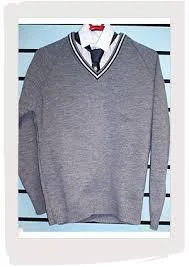
Bulk Navy Blue Full Sleeves Pullover Wool Cotton Acrylic Blend
A To Z Collection
Bulk Arabic Thobes Premium Quality Traditional Attire
Professional Chef Coats And Cook Dresses For Kitchen Staff
School And College Uniforms Premium Quality Durable Comfortable Bulk
Alfa Tex Industries
Premium Suiting Shirting Fabrics Durable Comfort Bulk Orders
Suiting Fabrics Premium Durable Professional Apparel Manufacturing
Premium Shirting Fabrics For Buyers High Quality & Durable
Azure Design Studio
Premium Black Tops With Silver Embroidery For Fashion Retailers
Wholesale One Shoulder Embellished Chiffon Dresses
Premium Embroidered Sleeveless Tops For Wholesale Fashion
Asia Enterprises
Premium Rubber Labels For Apparel Footwear Bags Toys Durable Branding
Reflective Trims For Automotive Workwear Industrial Safety
Reflective Yarn For Safety Gear 1mm 2mm Widths Durable Flexible
Dressco
School Uniform Belts For Children Nylon Sport Breathable Steel Buckle
Girls School Uniforms & Skirts Durable, Comfortable, Reliable
Boys School Uniforms Durable Comfort Bulk Pricing
Allwin Tex
Industrial Heat Transfer Fluids Low Volatility Thermal Oil
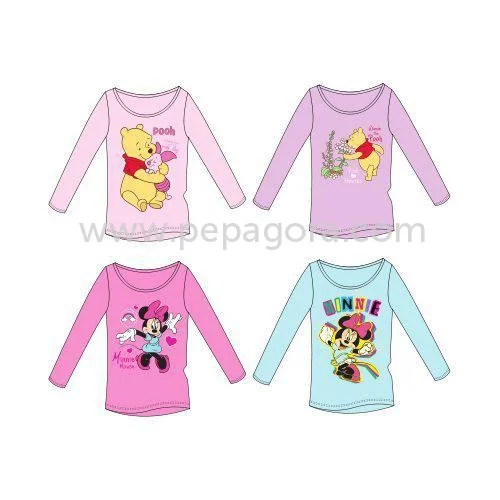
Children's Apparel Reflective Heat Transfer Film Disney Basics Safety
Premium Heat Transfer Nature Wildlife Stickers For Apparel Merchandise
Arora Industries
Kids Tricycle Saloni Aristo Wheel Musical Hood Rear Basket 5/8 Frame
Manufacturer Musical Tricycle For Kids Plastic Colorful Durable
Wholesale Musical Tricycles For Kids Plastic, Multi Color, Export Ready
Banthia Group
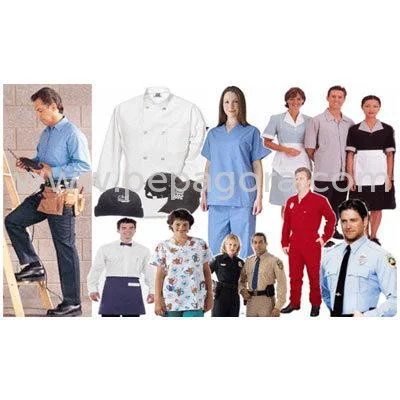
Premium Hotel Uniforms For Waiters Chefs Butlers Housekeeping Staff
School Uniforms Premium Quality Durable Fabrics Comfortable Wear
Industrial Safety Acidproof Boiler Suits Unisex Polyester Cotton Overalls
B. R. Aggarwal Military Store
Premium Web Belts Leather Belts Durable Adjustable Scratch Resistant
Bulk Military Socks Olive Green Sizes 6 11 Durable Comfort
Military Grade Fabric Durable Tactical Uniform Material
Why Businesses Trust Pepagora
Thousands of companies trust Pepagora to source smarter and sell faster
Expand Your Sales Globally
25000+Products listed.Get discovered by global buyers
Tools to boost visibility
Build your own catalog

Source Smarter,Grow Faster
4000+Active RFQs
100+ Countries served
Easy Sourcing Tools
