
 IN
INundefined
Scaffoldings
49 products available
𝗪𝗵𝗮𝘁 𝗮𝗿𝗲 𝗦𝗰𝗮𝗳𝗳𝗼𝗹𝗱𝗶𝗻𝗴𝘀?
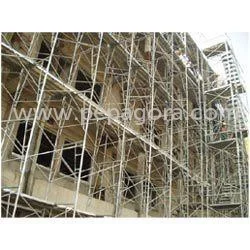
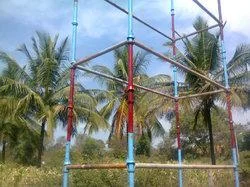
Scaffoldings are temporary structures that provide support and access for construction, maintenance, and repair tasks. They are typically made from steel or aluminum and are designed to hold workers and materials at various heights. Scaffoldings are essential for creating safe working environments at construction sites, allowing for efficient and effective project execution.
These structures are widely used in the construction industry for tasks such as building, painting, and roofing. In addition to construction, scaffoldings find applications in maintenance work in various sectors, including manufacturing and facility management. Their versatility makes them integral to projects that require elevated access.
The scaffolding market has seen significant growth due to increasing infrastructure development and urbanization across the globe. As construction projects continue to rise, the demand for reliable scaffolding solutions is expected to expand further, highlighting the importance of safety and compliance in the industry.
𝗞𝗲𝘆 𝗙𝗲𝗮𝘁𝘂𝗿𝗲𝘀 𝗮𝗻𝗱 𝗦𝗽𝗲𝗰𝗶𝗳𝗶𝗰𝗮𝘁𝗶𝗼𝗻𝘀
Scaffoldings come with several key features and specifications that ensure safety, usability, and durability. The following specifications outline critical aspects of scaffoldings.
Key specifications include:
1. Load Capacity
- Typically ranges from 200 kg to 500 kg per platform.
- Ensures that scaffoldings can support multiple workers and materials safely.
2. Material Type
- Commonly constructed from aluminum or steel.
- Aluminum is lightweight and resistant to corrosion, while steel offers high strength.
3. Height Adjustability
- Can be adjusted in increments, often from 1 meter to 6 meters.
- Allows for versatility in various construction scenarios.
4. Platform Width
- Standard widths range from 0.6 meters to 1.2 meters.
- Provides a stable working surface for workers.
5. Assembly Type
- Includes both modular and system scaffoldings.
- Modular scaffoldings are flexible and customizable, while system scaffoldings are pre-engineered for quick setup.
6. Safety Features
- Equipped with guardrails, toe boards, and non-slip surfaces.
- Enhances safety for workers at height.
7. Compliance Standards
- Must meet local and international safety standards, such as CE certification.
- Ensures reliability and safety in various applications.
8. Portability
- Many scaffoldings are designed to be easily transportable.
- Facilitates quick setup and dismantling at different job sites.
Overall, scaffoldings are engineered to provide robust support while ensuring the safety of workers at elevated heights.
𝗖𝗼𝗺𝗺𝗼𝗻 𝗔𝗽𝗽𝗹𝗶𝗰𝗮𝘁𝗶𝗼𝗻𝘀 𝗮𝗻𝗱 𝗨𝘀𝗲 𝗖𝗮𝘀𝗲𝘀
Scaffoldings are utilized across a variety of industries, reflecting their importance in construction and maintenance work.
1. Construction: Scaffoldings are essential for building new structures, allowing workers to access heights safely during framing, roofing, and facade work.
2. Maintenance: In facilities management, scaffoldings are used for the maintenance of tall buildings and industrial facilities, enabling safe access for repairs and inspections.
3. Painting: Scaffoldings provide stable access for painters to reach high walls and ceilings, ensuring quality finishes without compromising safety.
4. Events: Temporary scaffoldings are often used in event setups for stages and seating arrangements, providing safe access and support for equipment.
5. Shipping: In ports and warehouses, scaffoldings assist in loading and unloading goods at elevated levels, enhancing operational efficiency.
6. Telecommunications: Scaffoldings are crucial for installing and maintaining communication towers, allowing technicians to work safely at great heights.
7. Film and Television: In the entertainment industry, scaffoldings are used to create elevated platforms for filming and staging purposes.
𝗣𝗿𝗼𝗱𝘂𝗰𝘁 𝗩𝗮𝗿𝗶𝗮𝗻𝘁𝘀 𝗮𝗻𝗱 𝗦𝘂𝗯𝗰𝗮𝘁𝗲𝗴𝗼𝗿𝗶𝗲𝘀
Scaffoldings are available in various configurations to meet specific project needs, reflecting the diversity of applications and environments.
Lightweight Scaffoldings
These are designed for easy handling and setup, making them ideal for smaller projects or indoor applications. They often feature aluminum construction, providing portability without compromising stability.
Heavy-Duty Scaffoldings
Constructed from robust steel, these scaffoldings are meant for larger construction projects. They offer enhanced load capacity and durability, making them suitable for extensive building tasks.
Mobile Scaffoldings
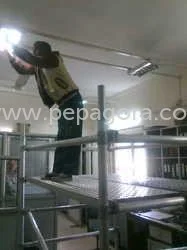
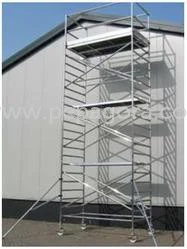
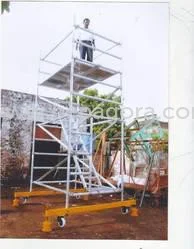
Equipped with wheels, mobile scaffoldings allow for quick movement across job sites. They are particularly useful in projects requiring frequent repositioning, such as painting or maintenance work.
System Scaffoldings
These pre-engineered systems offer a rapid setup process. They are designed for specific applications, ensuring safety and efficiency by adhering to industry standards.
𝗕𝗲𝗻𝗲𝗳𝗶𝘁𝘀 𝗮𝗻𝗱 𝗔𝗱𝘃𝗮𝗻𝘁𝗮𝗴𝗲𝘀
Scaffoldings provide numerous benefits that enhance safety and efficiency in construction and maintenance tasks.
Key benefits include:
1. Enhanced Safety: Scaffoldings are designed with safety features such as guardrails and non-slip surfaces, reducing the risk of accidents.
2. Increased Efficiency: With scaffoldings, workers can access elevated areas more easily, leading to faster project completion.
3. Versatility: Scaffoldings can be adapted for various applications across different industries, making them a flexible solution.
4. Cost-Effective: Renting or purchasing scaffoldings can be a cost-effective way to ensure safe access for workers without extensive investment in permanent structures.
5. Easy Setup: Many scaffoldings are designed for quick assembly and disassembly, allowing for efficient deployment in multiple locations.
6. Compliance Assurance: Scaffoldings that meet industry standards provide peace of mind regarding safety and regulatory compliance.
𝗕𝘂𝘆𝗶𝗻𝗴 𝗚𝘂𝗶𝗱𝗲 𝗳𝗼𝗿 𝗕𝟮𝗕 𝗕𝘂𝘆𝗲𝗿𝘀
When sourcing scaffoldings, it is essential for businesses to consider several key factors to ensure they make informed purchasing decisions.
1. Quality Assessment: Review the material quality and construction standards of scaffoldings. Look for products that comply with safety certifications to guarantee reliability.
2. Supplier Verification: Conduct thorough due diligence on potential suppliers. Ensure they have established reputations and positive reviews in the industry to minimize risks.
3. Pricing and MOQ: Understand the pricing structure and minimum order quantities (MOQ) that suppliers offer. This will help in budgeting and ensuring that you meet project needs.
4. Delivery and Lead Times: Discuss lead times with suppliers to ensure timely delivery of scaffoldings to your job site. This is crucial for maintaining project schedules.
5. Compliance Requirements: Ensure that the scaffoldings meet local and international safety standards. Compliance is essential for protecting workers and avoiding legal issues.
𝗖𝗼𝗺𝗽𝗹𝗶𝗮𝗻𝗰𝗲 𝗮𝗻𝗱 𝗖𝗲𝗿𝘁𝗶𝗳𝗶𝗰𝗮𝘁𝗶𝗼𝗻𝘀
Compliance and certification are vital aspects of scaffoldings that ensure safety and quality in various applications. Scaffoldings should adhere to relevant quality standards such as ISO 9001, which focuses on quality management systems. This standard helps manufacturers maintain high-quality production processes.
In addition, scaffoldings may require industry certifications, such as CE marking, indicating compliance with European safety standards. This certification assures users that the scaffolding products meet essential safety requirements.
Safety and testing requirements must also be met to ensure the structural integrity of scaffoldings. Regular inspections and adherence to safety protocols are necessary to maintain compliance with local regulations. Furthermore, regional compliance considerations should be taken into account, as different areas may have specific requirements for scaffolding use.
𝗪𝗵𝘆 𝗦𝗼𝘂𝗿𝗰𝗲 𝗦𝗰𝗮𝗳𝗳𝗼𝗹𝗱𝗶𝗻𝗴𝘀 𝗳𝗿𝗼𝗺 𝗣𝗲𝗽𝗮𝗴𝗼𝗿𝗮?
Pepagora offers a reliable platform for sourcing scaffoldings with several key advantages that benefit B2B buyers.
Verified Supplier Network: Pepagora connects buyers with a network of verified suppliers who have undergone thorough vetting processes. This ensures that buyers are engaging with reputable vendors.
Streamlined RFQ Process: The Request for Quotation (RFQ) system simplifies the sourcing process. Buyers can easily submit their requirements and receive competitive quotes from multiple suppliers, enhancing decision-making.
Trade Assurance and Support: Pepagora provides trade assurance, protecting buyers from potential risks associated with transactions. This includes support throughout the purchasing process to ensure satisfaction.
Regional Coverage: With a focus on markets such as India, the GCC, and Southeast Asia, Pepagora offers extensive regional coverage. This enables buyers to source scaffoldings locally while benefiting from competitive pricing and timely delivery.
Newly Added





Recently Added
Bengal Industries
Industrial Precision Press Components For Auto Electrical And Power Tools
Industrial Control Panels For Manufacturing Automation And Process
Premium Molded Luggage Fittings Hinges Locks Handles Durable Components
Excelsior Ceramic Industries
Industrial Ceramic Fiber Blankets High Temperature Insulation Fire Protection
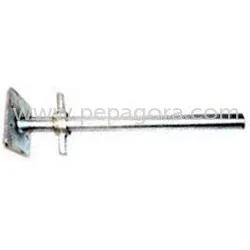
Industrial Props And Supports For Construction And Manufacturing
Commercial Cordierite Pizza Stone For High Performance Baking
Channa Enterprises
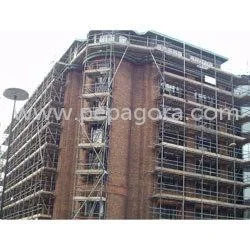
Durable Scaffolding Systems For Construction And Industrial Projects
Durable Scaffolding Systems for Construction and Industrial Projects
Heavy Duty Scaffolding Centering Systems For Bridge And Slab Construction
Airbridge Greens
Premium Green Biodiesel Sustainable Fuel For Business Applications
Premium Dried Flowers Bulk Everlasting Elegance Decor
Bulk Premium Dried Flowers Pot Pourri For Decorative Fragrance
E. V. E. Kay
Construction Adjustable Telescopic Props For Slabs Beams Columns
Wall Form Shuttering Systems For Construction Walls Columns Beams
Premium Column Boxes For Concrete Shuttering Durable Formwork Solutions
ARKS Engineering Industries
Industrial Aluminum Extension Wall Reclining Ladder For Construction
Industrial Self Support Extension Ladder Model 507 with Safety Features
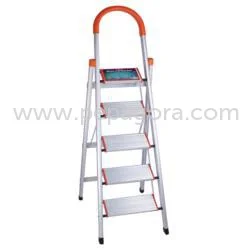
Industrial Self Supporting Platform Ladder Model 502 Aluminum Durable
Laxpars Roll Forms Industries
Industrial Cold Roll Forming Mills For Precision Metal Profiles Up To 1500mm
Commercial Residential Single Door Frames Durable Easy Installation Security
Industrial Shutter Leaf With Both Side Curve Ends For Durability
Oil Gas Industries Services
Industrial Plate Heat Exchanger For Juice And Beverage Processing
Industrial Rotary Filter For Solid Liquid Separation In Various Industries
Industrial Pan Mixer Metal Diesel Engine Manual Operation In Stock
Sarson Enterprises
Construction Scaffoldings Premium Durable Safety Reliable
Premium Cuplock Scaffolding System With Drop Forged Verticals And Horizontals
Industrial H Frame Scaffolding Systems For Construction And Maintenance
A N Pal Chowdhury Engg Enteprises
Industrial Piping Systems Cast Iron Bends High Strength Thermal Resistance
Premium Detachable Pipe Joints For Industrial And Commercial Use
Premium M.S. Flanges Hub Hubless Blank Types Industrial Piping
Why Businesses Trust Pepagora
Thousands of companies trust Pepagora to source smarter and sell faster
Expand Your Sales Globally
25000+Products listed.Get discovered by global buyers
Tools to boost visibility
Build your own catalog

Source Smarter,Grow Faster
4000+Active RFQs
100+ Countries served
Easy Sourcing Tools
