
 IN
INundefined
Scaffold Tags & Labels
16 products available
𝗪𝗵𝗮𝘁 𝗮𝗿𝗲 𝗦𝗰𝗮𝗳𝗳𝗼𝗹𝗱 𝗧𝗮𝗴𝘀 & 𝗟𝗮𝗯𝗲𝗹𝘀?
Scaffold tags and labels are essential safety tools used in construction and maintenance environments to communicate critical information about scaffolding structures. These tags are typically made from durable materials that withstand harsh weather conditions and are attached to scaffolding components. Their primary purpose is to indicate whether a scaffold is safe for use, what inspections have been conducted, and any specific safety guidelines that must be followed.
These tags and labels play a vital role in ensuring worker safety by providing clear and visible information. Businesses utilize scaffold tags and labels to enhance compliance with safety regulations and standards. They serve various applications in construction sites, maintenance operations, and industrial facilities where scaffolding is employed. The increasing focus on safety protocols in industries has heightened the relevance of scaffold tags and labels in today’s market.
𝗞𝗲𝘆 𝗙𝗲𝗮𝘁𝘂𝗿𝗲𝘀 𝗮𝗻𝗱 𝗦𝗽𝗲𝗰𝗶𝗳𝗶𝗰𝗮𝘁𝗶𝗼𝗻𝘀
Scaffold tags and labels are characterized by several key features that ensure their effectiveness and durability in demanding environments. Understanding these specifications is crucial for businesses seeking reliable safety solutions.
Key specifications include:
1. Material Composition
- Typically made from weather-resistant materials such as plastic or laminated paper.
- Designed to endure various environmental conditions.
2. Visibility and Design
- Bright colors and clear fonts for easy readability.
- Standardized symbols to convey safety messages quickly.
3. Size and Dimensions
- Common sizes include 5 x 3 inches or 7 x 4 inches.
- Designed to fit standard scaffolding components.
4. Compliance Standards
- Often compliant with OSHA and other industry safety regulations.
- May feature certifications such as CE.
5. Customization Options
- Available for personalized branding or specific safety messages.
- Options for sequential numbering for tracking inspections.
6. Attachment Features
- Grommets or adhesive backs for easy attachment to scaffolding.
- Resistant to tearing and fading.
7. Inspection Fields
- Pre-printed areas for recording inspection dates and signatures.
- Space for noting any issues or repairs needed.
8. Temperature Resistance
- Suitable for use in a range of temperatures, although specific ranges are not provided.
These features contribute to the overall utility and effectiveness of scaffold tags and labels in maintaining workplace safety.
𝗖𝗼𝗺𝗺𝗼𝗻 𝗔𝗽𝗽𝗹𝗶𝗰𝗮𝘁𝗶𝗼𝗻𝘀 𝗮𝗻𝗱 𝗨𝘀𝗲 𝗖𝗮𝘀𝗲𝘀
Scaffold tags and labels are widely utilized across various industries. Their application is critical in enhancing safety and compliance.
1. Construction: Scaffold tags are essential on construction sites to indicate the status of scaffolding. They help ensure that workers are aware of any inspections or safety issues before using the scaffolds.
2. Maintenance: In maintenance operations, scaffold tags provide necessary information for ongoing repairs or inspections. They help maintenance teams track the condition of scaffolding used during service tasks.
3. Oil and Gas: In the oil and gas industry, scaffold tags are used in hazardous environments to communicate safety information and ensure compliance with strict safety regulations.
4. Manufacturing: Manufacturing facilities that employ scaffolding for maintenance or assembly work use tags to maintain safety protocols and keep workers informed.
5. Warehousing: In warehousing operations, scaffold tags help manage temporary structures for storage and inventory management, ensuring safety during loading and unloading.
6. Event Management: Temporary scaffolding used for events requires clear labeling to ensure safety for attendees and staff, making scaffold tags vital in this sector.
7. Transportation: Scaffold tags may also be used in transportation sectors where scaffolding is temporarily erected for loading and unloading goods.
𝗣𝗿𝗼𝗱𝘂𝗰𝘁 𝗩𝗮𝗿𝗶𝗮𝗻𝘁𝘀 𝗮𝗻𝗱 𝗦𝘂𝗯𝗰𝗮𝘁𝗲𝗴𝗼𝗿𝗶𝗲𝘀
Scaffold tags and labels come in a variety of formats to suit different needs and preferences. Their diversity allows businesses to select options that align with their specific requirements.
Standard Scaffold Tags
These are pre-printed tags that provide essential safety information and inspection fields. They are widely used in various industries and help ensure compliance with safety standards.
Custom Scaffold Labels
Custom labels offer businesses the opportunity to brand their tags or include specific safety messages relevant to their operations. This variant is particularly beneficial for companies looking to enhance their safety culture.
Weather-Resistant Tags
Designed for outdoor use, these tags are made from materials that withstand harsh weather conditions. They are ideal for construction sites where exposure to rain and sun is common.
Reusable Scaffold Tags
These tags can be updated and reused, making them a cost-effective solution for companies engaged in multiple projects. They typically feature erasable surfaces for easy modification.
𝗕𝗲𝗻𝗲𝗳𝗶𝘁𝘀 𝗮𝗻𝗱 𝗔𝗱𝘃𝗮𝗻𝘁𝗮𝗴𝗲𝘀
Scaffold tags and labels offer numerous benefits that enhance workplace safety and compliance.
1. Improved Safety: Scaffold tags clearly communicate the safety status of scaffolding, reducing the risk of accidents and injuries.
2. Regulatory Compliance: Using scaffold tags helps businesses comply with OSHA and other safety regulations, minimizing legal risks.
3. Enhanced Visibility: Bright colors and clear designs ensure that safety information is easily visible to all workers on-site.
4. Efficient Inspections: Scaffold tags provide designated spaces for inspection records, making it easier to track safety checks and maintenance needs.
5. Customization Options: The ability to customize tags allows companies to reflect their branding and specific safety protocols.
6. Cost-Effective Solutions: Reusable and durable tags provide long-term savings by reducing the need for frequent replacements.
𝗕𝘂𝘆𝗶𝗻𝗴 𝗚𝘂𝗶𝗱𝗲 𝗳𝗼𝗿 𝗕𝟮𝗕 𝗕𝘂𝘆𝗲𝗿𝘀
When sourcing scaffold tags and labels, buyers should consider several critical factors to ensure they select the right products for their needs.
1. Quality Assessment: Evaluate materials used in the tags for durability and resistance to environmental conditions. Look for features that enhance visibility and readability.
2. Supplier Verification: Conduct thorough research on potential suppliers to ensure they have a proven track record for quality and reliability. Check for customer reviews and past performance.
3. Pricing and MOQ: Consider budget constraints while comparing prices. Be aware of minimum order quantities (MOQ) as they can vary significantly between suppliers.
4. Delivery and Lead Times: Assess the logistics capabilities of suppliers to ensure timely delivery. Understand lead times, especially for custom products.
5. Compliance Requirements: Verify that the tags meet industry standards and regulations. This ensures that the products will serve their intended safety purpose.
𝗖𝗼𝗺𝗽𝗹𝗶𝗮𝗻𝗰𝗲 𝗮𝗻𝗱 𝗖𝗲𝗿𝘁𝗶𝗳𝗶𝗰𝗮𝘁𝗶𝗼𝗻𝘀
Scaffold tags and labels must adhere to various compliance standards and certifications to ensure safety and quality. Relevant quality standards include ISO 9001, which emphasizes the importance of a quality management system. Additionally, certifications such as CE indicate compliance with European health, safety, and environmental protection standards.
Safety and testing requirements may vary by region and industry. It is essential for manufacturers to conduct rigorous testing to ensure that their products can withstand environmental challenges and meet safety regulations.
Regional compliance considerations are also vital, as different countries may have specific requirements for scaffolding safety. Companies should be aware of these differences to ensure their scaffold tags and labels are compliant across various operational areas.
𝗪𝗵𝘆 𝗦𝗼𝘂𝗿𝗰𝗲 𝗦𝗰𝗮𝗳𝗳𝗼𝗹𝗱 𝗧𝗮𝗴𝘀 & 𝗟𝗮𝗯𝗲𝗹𝘀 𝗳𝗿𝗼𝗺 𝗣𝗲𝗽𝗮𝗴𝗼𝗿𝗮?
Pepagora provides a trusted platform for sourcing scaffold tags and labels, offering several key advantages for businesses.
Verified Supplier Network: Pepagora connects buyers with a network of pre-screened suppliers who meet rigorous quality and safety standards. This network ensures that buyers can source reliable products with confidence.
Streamlined RFQ Process: The platform features an efficient request-for-quotation (RFQ) system that simplifies the procurement process. Buyers can easily send inquiries to multiple suppliers, facilitating competitive pricing and better negotiation outcomes.
Trade Assurance and Support: Pepagora offers trade assurance, providing protection for buyers against non-compliance or delivery issues. This level of support enhances buyer confidence when sourcing products.
Regional Coverage: With a focus on markets in India, the GCC, and Southeast Asia, Pepagora offers extensive regional coverage. This geographic reach enables buyers to access diverse suppliers and products tailored to their local needs.
Newly Added
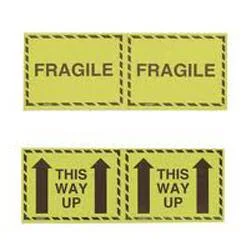





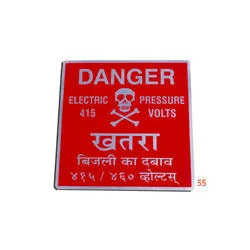


Recently Added
Allwin Process
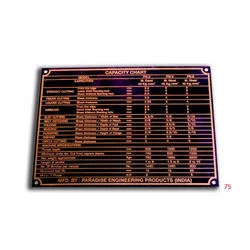
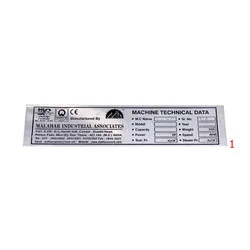
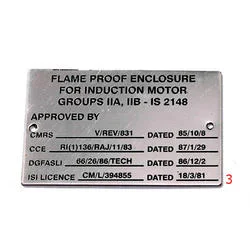
Industrial Durable Etched Labels For Identification And Branding
Self Adhesive Dome Labels Strong Adhesion Customizable Printing
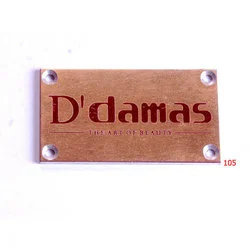
Industrial Brass Labels With Baked Lacquer Finish For Durability
Balaji Fire Control Co
Automatic Modular Fire Extinguisher 5kg 10kg 15kg For Commercial Industrial Safety
ABC Store Pressure Fire Extinguisher for Commercial Industrial Use
OEM Workwear Fire Safety Jackets Anti Shrink High Visibility Men
Yashaswi Labels
Customized Labels For Branding Compliance And Identification
Workplace Safety Labels Premium OSHA ANSI Compliant Durable Materials
White Goods Labels For Appliances And Electronics With Tamper Proof Features
Why Businesses Trust Pepagora
Thousands of companies trust Pepagora to source smarter and sell faster
Expand Your Sales Globally
25000+Products listed.Get discovered by global buyers
Tools to boost visibility
Build your own catalog

Source Smarter,Grow Faster
4000+Active RFQs
100+ Countries served
Easy Sourcing Tools
