
 IN
INundefined
Sauna & Steam Units
16 products available
𝗪𝗵𝗮𝘁 𝗮𝗿𝗲 𝗦𝗮𝘂𝗻𝗮 & 𝗦𝘁𝗲𝗮𝗺 𝗨𝗻𝗶𝘁𝘀?
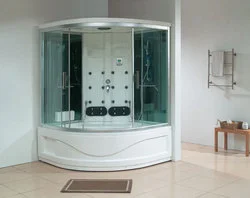
Sauna and steam units are specialized equipment designed to create a controlled environment for heat and humidity therapy. These units are typically used in wellness centers, spas, gyms, and hotels to provide relaxation and therapeutic benefits. Saunas generally use dry heat, while steam units operate by generating moist heat through steam production. Both types can enhance physical well-being through improved circulation, detoxification, and relaxation.
The primary uses of sauna and steam units span across various industries. They are often employed in health and wellness facilities for therapeutic treatments. Businesses in the hospitality sector utilize these units to enhance guest experiences, promoting relaxation and health benefits. Additionally, fitness centers may incorporate sauna and steam units to aid in post-workout recovery for members. As wellness trends continue to rise globally, the market for sauna and steam units shows significant growth potential.
The relevance of sauna and steam units in the industry is evident through their increasing popularity. As more consumers seek holistic health solutions, businesses are investing in these units to meet demand. The market is adapting, with innovations in design and technology that enhance user experience and efficiency. This trend further solidifies the importance of sauna and steam units in modern wellness practices.
𝗞𝗲𝘆 𝗙𝗲𝗮𝘁𝘂𝗿𝗲𝘀 𝗮𝗻𝗱 𝗦𝗽𝗲𝗰𝗶𝗳𝗶𝗰𝗮𝘁𝗶𝗼𝗻𝘀
Sauna and steam units come with a variety of features and specifications that cater to different business needs. Understanding these specifications is crucial for selecting the right equipment for your establishment.
Key specifications include:
1. Heating Method
- Saunas typically use electric, wood, or gas heaters.
- Steam units generate steam through electric boilers.
2. Temperature Range
- Saunas often operate between 150°F to 195°F (65°C to 90°C).
- Steam units generally maintain temperatures around 100°F to 120°F (38°C to 49°C).
3. Humidity Control
- Saunas maintain low humidity levels, usually around 10-20%.
- Steam units operate with humidity levels close to 100%.
4. Size and Capacity
- Saunas can accommodate anywhere from 1 to 12 or more users.
- Steam units also vary in capacity, catering to individual or group use.
5. Construction Material
- Common materials for saunas include wood such as cedar, hemlock, or spruce.
- Steam units typically use stainless steel or other moisture-resistant materials.
6. Control Systems
- Many sauna units come with digital controls for temperature and timers.
- Steam units often feature automated control systems for steam generation.
7. Safety Features
- Units may include automatic shut-off systems to prevent overheating.
- Some models have emergency stop buttons for immediate shutdown.
8. Energy Efficiency
- Look for units that are designed to conserve energy while maintaining performance.
In summary, selecting the right sauna and steam unit involves evaluating features that align with your business needs, focusing on heating methods, capacity, and safety measures.
𝗖𝗼𝗺𝗺𝗼𝗻 𝗔𝗽𝗽𝗹𝗶𝗰𝗮𝘁𝗶𝗼𝗻𝘀 𝗮𝗻𝗱 𝗨𝘀𝗲 𝗖𝗮𝘀𝗲𝘀
Sauna and steam units serve a variety of industries, each with specific applications that enhance customer experience and well-being.
1. Health and Wellness Centers: These facilities utilize sauna and steam units for therapeutic treatments aimed at improving health and relaxation for clients.
2. Hotels and Resorts: Many hospitality businesses incorporate these units to provide luxury and wellness amenities, enhancing guest satisfaction during their stay.
3. Fitness Centers: Gyms and fitness studios often offer sauna and steam rooms to help members with post-workout recovery, promoting muscle relaxation and detoxification.
4. Spas: Spa facilities integrate sauna and steam units into their service offerings, allowing clients to enjoy a complete wellness experience.
5. Residential Projects: Homeowners are increasingly installing sauna and steam units in personal wellness spaces, providing at-home relaxation.
6. Rehabilitation Centers: These units support physical therapy programs, aiding recovery and improving mobility for patients.
7. Corporate Wellness Programs: Companies are adopting sauna and steam units in office wellness spaces to promote employee health and reduce stress.
𝗣𝗿𝗼𝗱𝘂𝗰𝘁 𝗩𝗮𝗿𝗶𝗮𝗻𝘁𝘀 𝗮𝗻𝗱 𝗦𝘂𝗯𝗰𝗮𝘁𝗲𝗴𝗼𝗿𝗶𝗲𝘀
Sauna and steam units come in various types to meet different user needs and preferences.
Traditional Sauna
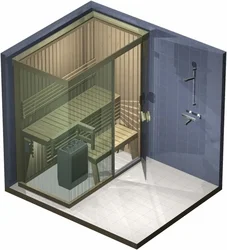
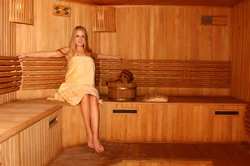
This variant uses dry heat from electric or wood-burning stoves. It is popular for its relaxing environment and health benefits associated with dry heat therapy.
Infrared Sauna
Infrared saunas utilize infrared heaters to emit radiant heat that directly warms the body. They are known for lower operating temperatures and quicker heating times.
Steam Room
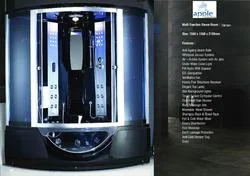
Steam rooms provide moist heat, creating a high-humidity environment. They are favored for respiratory benefits and skin hydration.
Portable Sauna
These units are designed for easy setup and can be used in various locations. They are ideal for individuals seeking sauna benefits without the need for permanent installation.
Commercial Steam Generator
This variant is designed for larger applications and can serve multiple steam rooms or facilities, providing efficient steam production on-demand.
𝗕𝗲𝗻𝗲𝗳𝗶𝘁𝘀 𝗮𝗻𝗱 𝗔𝗱𝘃𝗮𝗻𝘁𝗮𝗴𝗲𝘀
Investing in sauna and steam units offers numerous benefits for businesses in the wellness industry.
Key benefits include:
1. Enhanced Customer Experience: Providing sauna and steam services can significantly improve customer satisfaction and loyalty.
2. Health and Wellness Promotion: These units support various health benefits, including improved circulation and relaxation, making them attractive to health-conscious consumers.
3. Revenue Generation: Adding sauna and steam options can create new revenue streams for spas, fitness centers, and hotels.
4. Versatility: Sauna and steam units can be tailored to different environments and customer preferences, increasing their appeal.
5. Reduced Stress Levels: Regular use of these units can aid in stress reduction, an important factor for many clients seeking wellness solutions.
6. Increased Membership Retention: Fitness centers that offer sauna and steam services may see higher member retention rates as clients value these additional amenities.
𝗕𝘂𝘆𝗶𝗻𝗴 𝗚𝘂𝗶𝗱𝗲 𝗳𝗼𝗿 𝗕𝟮𝗕 𝗕𝘂𝘆𝗲𝗿𝘀
When sourcing sauna and steam units, businesses should consider several essential factors to ensure they make informed decisions.
1. Quality Assessment: Evaluate the craftsmanship and materials used in the construction of the units. Look for durable and reliable designs to ensure longevity.
2. Supplier Verification: Conduct thorough research on potential suppliers. Check their reputation, customer reviews, and certifications to ensure they are trustworthy and capable of delivering quality products.
3. Pricing and MOQ: Understand the pricing structures and minimum order quantities (MOQ) that suppliers offer. This knowledge will help you manage budget constraints effectively.
4. Delivery and Lead Times: Inquire about logistics, including delivery schedules and lead times. This information is crucial for planning installation and service offerings.
5. Compliance Requirements: Familiarize yourself with any regulatory compliance requirements that may apply to sauna and steam units in your region. This is important to ensure safety and legality.
𝗖𝗼𝗺𝗽𝗹𝗶𝗮𝗻𝗰𝗲 𝗮𝗻𝗱 𝗖𝗲𝗿𝘁𝗶𝗳𝗶𝗰𝗮𝘁𝗶𝗼𝗻𝘀
Sauna and steam units are subject to various quality standards and compliance certifications that ensure safety and functionality.
Relevant quality standards include ISO 9001, which focuses on quality management systems, ensuring consistent product quality. Additionally, HACCP principles may be applied to units intended for use in spas or wellness centers that serve food or beverages.
Industry certifications, such as CE marking, indicate that products meet European safety, health, and environmental protection standards. This certification is essential for suppliers looking to enter markets that require compliance with strict regulations.
Safety and testing requirements are critical in the design and manufacturing of sauna and steam units. These include compliance with electrical safety standards and materials that can withstand high temperatures and humidity.
Regional compliance considerations may vary, so it's important for buyers to be aware of local regulations that affect the installation and operation of sauna and steam units.
𝗪𝗵𝘆 𝗦𝗼𝘂𝗿𝗰𝗲 𝗦𝗮𝘂𝗻𝗮 & 𝗦𝘁𝗲𝗮𝗺 𝗨𝗻𝗶𝘁𝘀 𝗳𝗿𝗼𝗺 𝗣𝗲𝗽𝗮𝗴𝗼𝗿𝗮?
Pepagora provides a trusted platform for sourcing sauna and steam units with several key advantages that set it apart in the marketplace.
Verified Supplier Network: Pepagora connects buyers with a network of verified suppliers, ensuring that only reputable manufacturers and distributors are available for sourcing. This gives buyers confidence in the quality and reliability of their purchases.
Streamlined RFQ Process: The Request for Quotation (RFQ) process on Pepagora is designed to be efficient and user-friendly. Buyers can easily request quotes from multiple suppliers, allowing for informed decision-making based on pricing and specifications.
Trade Assurance and Support: Pepagora offers trade assurance to protect buyers throughout the sourcing process. This includes support in negotiations and assistance if issues arise with the purchase, providing an additional layer of security.
Regional Coverage: With a strong presence in India, the GCC, and Southeast Asia, Pepagora offers extensive regional coverage. This allows buyers to access a diverse range of sauna and steam units tailored to local market demands, ensuring that they can find the right products for their specific needs.
Newly Added





Recently Added
Bath & Crafts Division Of Chowdhry Agencies
Commercial Grade Hindware Designer Wash Basins Durable Elegant
Commercial Wall Mounted Water Closets Premium Durable Space Saving
Premium Bathroom And Kitchen Accessories Durable Commercial
Bio Gen Energy System
Industrial LPG Diesel Gensets For Reliable Power Backup
Industrial Air Cooler 4000 CUM/HR High Performance Climate Control
Industrial Air Coolers Energy Efficient Commercial Cooling Durable
Anirudh Investment
Horizontal Car Parking System Parklift 440 Space Saving Solution
Urban Parking Solution Parklift 402 Automatic Car System
Urban Commercial Automated Parking System Maximizes Space Efficiency
Apple Thermo Sanitation Private Limited
Luxury Stainless Steel Shower Panel With Rain Jets And Hand Shower
Premium Shower Panel AAC with 6 Hydro Jets and Twin Flow Technology
Hotel Resort AAC Shower Panel 4 Hydro Jets Twin Flow Hand Head Shower
Acupressure Health Care System
Wellness Centers ACS Mat I Super Acupressure Mat for Pain Relief
Bulk Acupressure Mats For Pain Relief And Wellness
Professional Acupressure Twister For Body Shaping And Pain Relief
Poly Process Engineers
Premium Acrylic Round Bath Tubs Durable Smooth Finish
Premium Acrylic Bath Tubs Durable Customizable Commercial
Premium Acrylic Bath Tubs For Hotels And Resorts
Why Businesses Trust Pepagora
Thousands of companies trust Pepagora to source smarter and sell faster
Expand Your Sales Globally
25000+Products listed.Get discovered by global buyers
Tools to boost visibility
Build your own catalog

Source Smarter,Grow Faster
4000+Active RFQs
100+ Countries served
Easy Sourcing Tools
