
 IN
INundefined
Rye Grain
0 products available
𝗪𝗵𝗮𝘁 𝗮𝗿𝗲 𝗥𝘆𝗲 𝗚𝗿𝗮𝗶𝗻?
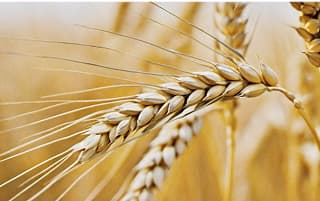
Rye grain is the cereal grain derived from the rye plant, a member of the wheat family. It is characterized by its robust nature and adaptability to various climates, making it a staple crop in many regions. Rye grain can be used in various forms, including whole grain, flour, and as animal feed. Known for its high fiber content and nutritional benefits, it is a valuable addition to both human and animal diets.
The primary applications of rye grain span several sectors, most prominently in food production and animal husbandry. In the food industry, rye is commonly used to produce bread, crackers, and cereals. Its unique flavor and health benefits, such as improved digestive health, make it a sought-after ingredient. In agriculture, rye grain serves as an essential feed for livestock, providing necessary nutrients. Additionally, rye is employed in cover cropping to enhance soil quality and prevent erosion.
The relevance of rye grain in the market is significant due to the growing demand for healthier food alternatives. As consumers increasingly seek whole grain products, the market for rye grain continues to expand. Its versatility and sustainability further enhance its appeal, making it a critical component in agricultural practices and food manufacturing.
𝗞𝗲𝘆 𝗙𝗲𝗮𝘁𝘂𝗿𝗲𝘀 𝗮𝗻𝗱 𝗦𝗽𝗲𝗰𝗶𝗳𝗶𝗰𝗮𝘁𝗶𝗼𝗻𝘀
Rye grain stands out due to its unique characteristics and nutritional profile. It is rich in dietary fiber, essential vitamins, and minerals, making it an attractive choice for health-conscious consumers. The following specifications define its quality and usability in various applications.
Key specifications include:
1. Nutritional Composition
- High in dietary fiber, protein, and essential minerals.
- Contains vitamins B1, B2, and E.
2. Moisture Content
- Ideal moisture range of 12-14% for storage stability.
- Higher moisture levels can lead to spoilage.
3. Grain Color
- Typically dark brown to light gray.
- Color can affect market value and consumer perception.
4. Kernel Hardness
- Harder kernels are preferred for milling.
- Measured on a hardness scale.
5. Purity Level
- Minimum purity level of 98% is standard for premium quality.
- Essential for maintaining quality in food production.
6. Test Weight
- Test weight typically ranges from 56 to 62 pounds per bushel.
- Indicates grain density and quality.
7. Foreign Material Content
- Acceptable levels of foreign material should be less than 2%.
- Crucial for maintaining product quality.
8. Shelf Life
- Properly stored rye grain has a shelf life of 12 months or more.
- Storage conditions greatly influence longevity.
In summary, understanding these specifications is vital for buyers to ensure they acquire high-quality rye grain suitable for their specific needs.
𝗖𝗼𝗺𝗺𝗼𝗻 𝗔𝗽𝗽𝗹𝗶𝗰𝗮𝘁𝗶𝗼𝗻𝘀 𝗮𝗻𝗱 𝗨𝘀𝗲 𝗖𝗮𝘀𝗲𝘀
Rye grain is utilized across numerous industries due to its versatility and nutritional value.
1. Food Industry: Rye is primarily used to produce various baked goods, including rye bread, which is known for its dense texture and distinctive flavor. It is also used in cereals and snack foods, appealing to health-conscious consumers looking for whole grain options.
2. Animal Feed: In livestock production, rye grain serves as a valuable feed source, providing essential nutrients to cattle, poultry, and swine. Its high fiber content aids digestion and promotes overall animal health.
3. Brewing Industry: Rye is increasingly being used in the production of craft beers, adding complexity to flavor profiles. Rye malt contributes to the unique taste and character of certain beer styles.
4. Agronomy: Rye is employed as a cover crop in agriculture to improve soil health and prevent erosion. Its deep root system helps retain moisture and nutrients in the soil.
5. Health and Wellness: With its high fiber and nutrient content, rye grain is recognized for its health benefits, including improved digestion and potential weight management, making it popular among health-focused consumers.
6. Specialty Foods: Rye grain is also used in gluten-free products and as an ingredient in vegetarian and vegan diets, catering to a diverse range of dietary preferences.
7. Biofuel Production: Rye can be utilized in the production of biofuels, contributing to sustainable energy solutions.
𝗣𝗿𝗼𝗱𝘂𝗰𝘁 𝗩𝗮𝗿𝗶𝗮𝗻𝘁𝘀 𝗮𝗻𝗱 𝗦𝘂𝗯𝗰𝗮𝘁𝗲𝗴𝗼𝗿𝗶𝗲𝘀
Rye grain is available in various forms, catering to different market needs and applications.
Whole Rye Grain
This form retains all parts of the grain, making it a nutritious option for direct consumption or milling into flour. It is popular for use in health foods and specialty diets.
Rye Flour
Ground from whole rye grain, this flour is used in baking and cooking. It is ideal for making breads, crackers, and pastries, providing unique flavors and textures.
Crushed Rye
Crushed or flaked rye is processed for easier digestion and faster cooking. It is often used in cereals and health bars, appealing to consumers seeking convenient meal options.
Rye Bran
The outer layer of the rye grain, rye bran is rich in fiber and often added to various food products to enhance nutritional value. It is commonly used in health-focused recipes.
𝗕𝗲𝗻𝗲𝗳𝗶𝘁𝘀 𝗮𝗻𝗱 𝗔𝗱𝘃𝗮𝗻𝘁𝗮𝗴𝗲𝘀
Sourcing rye grain offers numerous benefits for businesses and consumers alike.
Key benefits include:
1. Nutritional Value: Rye grain is rich in dietary fiber, vitamins, and minerals, making it a healthier alternative to refined grains.
2. Versatility: It can be used in various applications, from baking to animal feed, accommodating multiple industries.
3. Sustainability: Rye is a hardy crop that can grow in less-than-ideal conditions, promoting sustainable agricultural practices.
4. Flavor Profile: Rye adds a unique flavor to baked goods and beverages, appealing to consumers looking for diverse taste experiences.
5. Health Benefits: Regular consumption of rye has been linked to improved digestive health and weight management, enhancing its appeal in the health market.
6. Increased Demand: The growing consumer preference for whole grains drives the market for rye grain, making it a potentially profitable investment for suppliers.
𝗕𝘂𝘆𝗶𝗻𝗴 𝗚𝘂𝗶𝗱𝗲 𝗳𝗼𝗿 𝗕𝟮𝗕 𝗕𝘂𝘆𝗲𝗿𝘀
When considering the purchase of rye grain, it is essential to evaluate several factors to ensure a successful transaction.
1. Quality Assessment: Buyers should examine the nutritional composition, moisture content, and purity levels of rye grain. Quality specifications will impact both product performance and marketability.
2. Supplier Verification: Vetting suppliers is crucial. Look for suppliers with a proven track record, certifications, and positive reviews to ensure reliability and quality.
3. Pricing and MOQ: Understand the pricing structure and minimum order quantities (MOQ) set by suppliers. Comparing prices can help buyers make informed purchasing decisions.
4. Delivery and Lead Times: Assess the logistics of delivery, including lead times and shipping methods. Reliable delivery is key to maintaining supply chains.
5. Compliance Requirements: Ensure that the rye grain meets local and international food safety regulations and standards. Compliance with certifications like CE can influence product acceptance in the market.
𝗖𝗼𝗺𝗽𝗹𝗶𝗮𝗻𝗰𝗲 𝗮𝗻𝗱 𝗖𝗲𝗿𝘁𝗶𝗳𝗶𝗰𝗮𝘁𝗶𝗼𝗻𝘀
Rye grain must adhere to various quality standards and certifications to ensure safety and marketability. Key standards include ISO 9001, which focuses on quality management systems, and HACCP, which emphasizes food safety through hazard analysis and critical control points.
In addition to these standards, industry certifications like CE signify compliance with European Union regulations, ensuring that the product meets safety and quality requirements for the market.
It is also essential to consider regional compliance requirements, as different markets may impose specific regulations on agricultural products. Buyers should stay informed about these requirements to avoid potential issues during importation or distribution.
𝗪𝗵𝘆 𝗦𝗼𝘂𝗿𝗰𝗲 𝗥𝘆𝗲 𝗚𝗿𝗮𝗶𝗻 𝗳𝗿𝗼𝗺 𝗣𝗲𝗽𝗮𝗴𝗼𝗿𝗮?
Pepagora is a trusted platform for sourcing rye grain, offering numerous advantages that benefit B2B buyers.
Verified Supplier Network: Pepagora ensures that all suppliers are thoroughly vetted, providing buyers with access to reliable sources of high-quality rye grain. This verification process enhances trust and reduces the risk of purchasing substandard products.
Streamlined RFQ Process: The request for quotation (RFQ) system simplifies the procurement process. Buyers can easily submit their requirements and receive competitive quotes from multiple suppliers, facilitating informed decision-making.
Trade Assurance and Support: Pepagora offers trade assurance programs that protect buyers throughout the purchasing process. This support includes assistance with disputes and ensuring compliance with regulations.
Regional Coverage: With a wide geographic reach, including India, the GCC, and Southeast Asia, Pepagora connects buyers with suppliers across these regions. This extensive network allows for more options and better pricing, catering to the diverse needs of B2B buyers.
Newly Added
Currently, no products are listed. Explore other categories listed below or post your buying request
Explore Verified Categories
Browse trusted industries powered by verified suppliers.
Recently Added













Why Businesses Trust Pepagora
Thousands of companies trust Pepagora to source smarter and sell faster
Expand Your Sales Globally
25000+Products listed.Get discovered by global buyers
Tools to boost visibility
Build your own catalog

Source Smarter,Grow Faster
4000+Active RFQs
100+ Countries served
Easy Sourcing Tools
