
 IN
INundefined
Rotavators & Cultivators
5 products available
𝗪𝗵𝗮𝘁 𝗮𝗿𝗲 𝗥𝗼𝘁𝗮𝘃𝗮𝘁𝗼𝗿𝘀 & 𝗖𝘂𝗹𝘁𝗶𝘃𝗮𝘁𝗼𝗿𝘀?
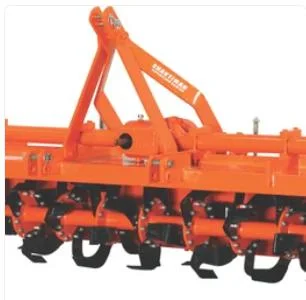
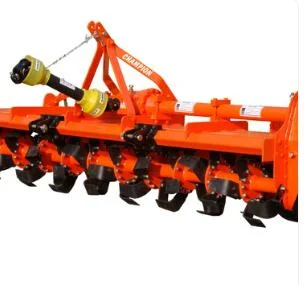
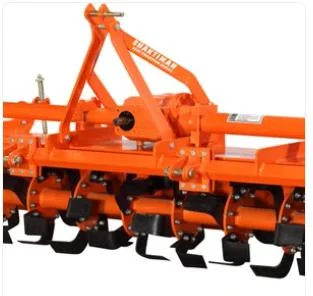
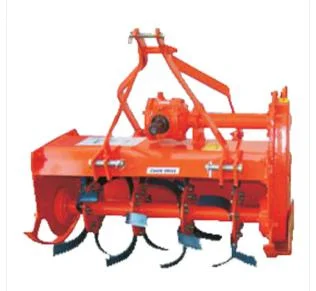
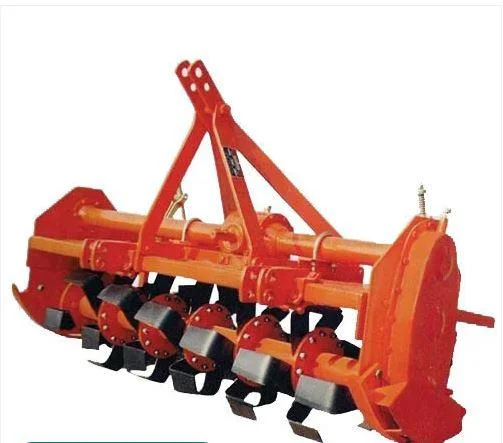
Rotavators and cultivators are essential agricultural implements used for soil preparation. A rotavator, often referred to as a rotary tiller, uses rotating blades to break up and aerate the soil. This process helps to create a fine seedbed, making it easier for crops to establish roots. Cultivators, on the other hand, are primarily designed to loosen the soil and control weeds without disturbing the soil structure excessively. Both tools play a vital role in modern farming and gardening practices.
In commercial agriculture, these devices are used extensively for land preparation, enhancing soil fertility, and increasing crop yield. Farmers and agricultural businesses rely on rotavators and cultivators to save time and labor while ensuring optimal soil conditions for planting. The relevance of these tools in the agricultural sector is underscored by their ability to improve soil aeration, nutrient distribution, and moisture retention, all of which are crucial for successful crop production.
As the demand for efficient and sustainable farming practices grows, the market for rotavators and cultivators continues to expand. Innovations in technology and design are making these tools more efficient and user-friendly, catering to a diverse range of agricultural needs. This positions rotavators and cultivators as integral components in the drive towards modernized agricultural practices.
𝗞𝗲𝘆 𝗙𝗲𝗮𝘁𝘂𝗿𝗲𝘀 𝗮𝗻𝗱 𝗦𝗽𝗲𝗰𝗶𝗳𝗶𝗰𝗮𝘁𝗶𝗼𝗻𝘀
When selecting rotavators and cultivators, several key features and specifications must be considered to ensure optimal performance. These specifications define the capabilities of the equipment and contribute to its effectiveness in various agricultural applications.
Key specifications include:
1. Working Width
- The width of the implement affects the area covered in one pass.
- Common widths range from 1 meter to 3 meters.
2. Engine Power
- The power requirement determines the type of tractor or power source needed.
- Typical power ratings range from 15 HP to 100 HP.
3. Tilling Depth
- This specification indicates how deep the implement can work the soil.
- Standard tilling depths can vary from 5 cm to 30 cm.
4. Number of Blades
- The number of blades affects the efficiency of soil mixing and aeration.
- Models may feature between 4 to 12 blades.
5. Weight
- Heavier implements provide better stability and penetration in the soil.
- Weights can range from 200 kg to over 1000 kg.
6. Material Construction
- Durability is influenced by the materials used in construction.
- Common materials include high-strength steel and heavy-duty alloys.
7. Gearbox Type
- The gearbox affects the efficiency of power transfer from the tractor to the implement.
- Options include chain drive and gear drive systems.
8. Adjustable Settings
- Some models offer adjustable settings for depth and width.
- This feature allows for versatility in different soil conditions.
In summary, understanding these key features and specifications is crucial for B2B buyers looking to invest in high-quality rotavators and cultivators that meet their specific agricultural needs.
𝗖𝗼𝗺𝗺𝗼𝗻 𝗔𝗽𝗽𝗹𝗶𝗰𝗮𝘁𝗶𝗼𝗻𝘀 𝗮𝗻𝗱 𝗨𝘀𝗲 𝗖𝗮𝘀𝗲𝘀
Rotavators and cultivators find widespread application across various industries, addressing diverse agricultural challenges.
1. Agriculture: These tools are primarily used in large-scale farming for soil preparation, enabling farmers to cultivate and plant crops efficiently.
2. Horticulture: In gardening and landscaping, cultivators help prepare beds for flowers, vegetables, and shrubs, ensuring optimal growth conditions.
3. Organic Farming: Rotavators are essential in organic farming for soil aeration and weed control without the use of chemicals.
4. Forestry: In forestry applications, these implements assist in preparing land for tree planting and maintaining undergrowth.
5. Sports Turf Management: Rotavators and cultivators are employed to maintain sports fields, ensuring even soil preparation and healthy grass growth.
6. Greenhouses: Inside greenhouses, these tools aid in soil management, promoting better root development for plants.
7. Research Institutions: Agricultural research facilities use rotavators and cultivators for experimental plots, studying soil behavior and crop responses.
𝗣𝗿𝗼𝗱𝘂𝗰𝘁 𝗩𝗮𝗿𝗶𝗮𝗻𝘁𝘀 𝗮𝗻𝗱 𝗦𝘂𝗯𝗰𝗮𝘁𝗲𝗴𝗼𝗿𝗶𝗲𝘀
Rotavators and cultivators come in various models and configurations, catering to different agricultural needs and preferences.
Standard Rotavator
This variant is designed for general tilling and soil preparation. It features a robust construction and adjustable depth settings, making it suitable for various soil types and conditions.
Mini Cultivator
Ideal for smaller gardens and horticultural applications, this lightweight variant is easy to maneuver. It is particularly effective for weeding and light soil mixing.
Heavy-Duty Rotavator
Designed for tough conditions, this variant can handle hard and compacted soils. It offers increased power and durability, making it suitable for large-scale farming operations.
Compact Cultivator
This model is designed for tight spaces and smaller plots. It is efficient for precise work in flower beds and vegetable gardens, providing excellent soil aeration.
𝗕𝗲𝗻𝗲𝗳𝗶𝘁𝘀 𝗮𝗻𝗱 𝗔𝗱𝘃𝗮𝗻𝘁𝗮𝗴𝗲𝘀
Investing in rotavators and cultivators provides multiple benefits that enhance agricultural productivity.
1. Improved Soil Structure: These tools effectively aerate the soil, promoting better drainage and root development.
2. Time Efficiency: Using rotavators and cultivators significantly reduces the time required for soil preparation compared to manual methods.
3. Cost-Effective: By increasing efficiency and reducing labor costs, these implements offer a good return on investment for agricultural businesses.
4. Versatility: Rotavators and cultivators can be used for various applications, from large farms to small gardens, making them adaptable to different needs.
5. Enhanced Yield: Improved soil conditions lead to healthier crops, which can result in higher yields and better quality produce.
6. Reduced Soil Compaction: These implements help avoid soil compaction, ensuring that the soil remains loose and conducive to plant growth.
𝗕𝘂𝘆𝗶𝗻𝗴 𝗚𝘂𝗶𝗱𝗲 𝗳𝗼𝗿 𝗕𝟮𝗕 𝗕𝘂𝘆𝗲𝗿𝘀
When sourcing rotavators and cultivators, it is essential for B2B buyers to consider several critical factors.
1. Quality Assessment: Evaluate the build quality and durability of the equipment. Look for reliable manufacturers that adhere to industry standards.
2. Supplier Verification: Vet suppliers by checking their credentials, customer reviews, and product warranties. This helps ensure you are dealing with reputable companies.
3. Pricing and MOQ: Understand the cost structure and minimum order quantities. Compare prices across suppliers to make informed decisions.
4. Delivery and Lead Times: Discuss logistics and expected delivery times. Ensure that the supplier can meet your operational timelines.
5. Compliance Requirements: Check for any regulatory compliance that may apply in your region, such as safety standards and certifications.
𝗖𝗼𝗺𝗽𝗹𝗶𝗮𝗻𝗰𝗲 𝗮𝗻𝗱 𝗖𝗲𝗿𝘁𝗶𝗳𝗶𝗰𝗮𝘁𝗶𝗼𝗻𝘀
Rotavators and cultivators must meet various compliance and certification standards to ensure quality and safety.
ISO 9001 is a widely recognized standard that outlines quality management systems. Compliance with this standard ensures that manufacturers maintain consistent quality in their products.
Industry certifications such as CE and UL indicate that the equipment meets essential safety and performance criteria. These certifications are crucial for ensuring that the products are safe for use in agricultural environments.
In addition to safety certifications, it is essential to consider regional compliance requirements. Different countries may have specific regulations regarding agricultural equipment that must be adhered to, ensuring that the tools are suitable for local conditions and practices.
𝗪𝗵𝘆 𝗦𝗼𝘂𝗿𝗰𝗲 𝗥𝗼𝘁𝗮𝘃𝗮𝘁𝗼𝗿𝘀 & 𝗖𝘂𝗹𝘁𝗶𝘃𝗮𝘁𝗼𝗿𝘀 𝗳𝗿𝗼𝗺 𝗣𝗲𝗽𝗮𝗴𝗼𝗿𝗮?
Pepagora offers a reliable platform for sourcing high-quality rotavators and cultivators, providing numerous advantages for B2B buyers.
Verified Supplier Network: Our platform features a network of verified suppliers who meet stringent quality and performance standards. Buyers can trust that they are purchasing from reputable sources.
Streamlined RFQ Process: Pepagora simplifies the request for quotation process, allowing buyers to easily compare offers from multiple suppliers and make informed decisions.
Trade Assurance and Support: We prioritize buyer protection through trade assurance measures that safeguard transactions and ensure satisfaction with purchases.
Regional Coverage: Pepagora connects buyers with suppliers across India, the GCC, and Southeast Asia, providing a broad range of options tailored to different regional needs and preferences.
By choosing Pepagora, buyers can access a comprehensive selection of rotavators and cultivators while benefiting from a structured and secure sourcing experience.
Newly Added


Recently Added
K B Engineering works
Five Tine Cultivator Tractor PTO Soil Loosening Weed Control
Heavy Duty Nine Tine Cultivator For Deep Tillage And Soil Aeration
Heavy Duty Tractor Cultivator 40 45HP 1050rpm 210kg Soil Tilling
Tirth Agro Technology Pvt Ltd
Agricultural Fertilizer Broadcaster For Uniform Distribution Across Fields
Agricultural Rotary Mulcher For Crop Residue Shredding And Soil Enhancement
Agricultural Post Hole Digger For Planting Trees And Installing Poles
Why Businesses Trust Pepagora
Thousands of companies trust Pepagora to source smarter and sell faster
Expand Your Sales Globally
25000+Products listed.Get discovered by global buyers
Tools to boost visibility
Build your own catalog

Source Smarter,Grow Faster
4000+Active RFQs
100+ Countries served
Easy Sourcing Tools
