
 IN
INundefined
Rope Pulley Systems
21 products available
𝗪𝗵𝗮𝘁 𝗮𝗿𝗲 𝗥𝗼𝗽𝗲 𝗣𝘂𝗹𝗹𝗲𝘆 𝗦𝘆𝘀𝘁𝗲𝗺𝘀?
Rope pulley systems are mechanical devices designed to lift, lower, or move loads with the assistance of ropes and pulleys. They operate on the principle of mechanical advantage, enabling users to exert less force to move heavy objects. These systems consist of a rope or cable, pulleys, and sometimes additional components like hooks or clamps that secure the load. They can be configured in various ways to suit specific lifting needs, including single, double, or multiple pulley arrangements.
Rope pulley systems are widely used in various industries, including construction, manufacturing, and logistics. They are particularly valuable in environments where heavy lifting is required but space is limited. Common applications include hoisting materials on construction sites, moving goods in warehouses, and even lifting equipment in maintenance scenarios. The versatility and efficiency of these systems make them essential tools for businesses looking to streamline operations and enhance productivity.
The market for rope pulley systems is growing, driven by advancements in technology and increased demand for efficient lifting solutions. Industries are focusing on safety and reliability, leading to innovations in design and materials. As companies prioritize operational efficiency, the adoption of rope pulley systems is expected to rise, reinforcing their importance across different sectors.
𝗞𝗲𝘆 𝗙𝗲𝗮𝘁𝘂𝗿𝗲𝘀 𝗮𝗻𝗱 𝗦𝗽𝗲𝗰𝗶𝗳𝗶𝗰𝗮𝘁𝗶𝗼𝗻𝘀
Rope pulley systems come with a range of features and specifications that cater to diverse lifting requirements. Understanding these elements is crucial for selecting the right system for your application.
Key specifications include:
1. Load Capacity
- Refers to the maximum weight the system can safely lift.
- Typically ranges from a few hundred pounds to several tons, depending on the design.
2. Pulley Material
- Common materials include steel, aluminum, and reinforced plastics.
- The choice of material affects the system’s durability and weight.
3. Rope Type
- Options include synthetic fibers, steel cables, and natural fibers.
- Each type offers different strengths, flexibility, and resistance to environmental factors.
4. Dimensions
- Includes the diameter of pulleys and the length of the rope.
- Must be considered based on the application's space constraints.
5. Safety Features
- May include locking mechanisms, safety latches, and overload protection.
- These features enhance user safety during operation.
6. Installation Requirements
- Systems may vary in terms of complexity for setup and installation.
- Some require professional installation, while others are designed for easy assembly.
7. Operating Temperature Range
- Data not available for specific temperature ranges for different models.
- Important for environments with extreme conditions.
8. Compliance Certifications
- Many systems meet industry standards such as CE and UL.
- Compliance ensures adherence to safety and performance benchmarks.
In summary, the specifications of rope pulley systems are critical for ensuring they meet the specific needs of various applications. Buyers should carefully evaluate these features to select the most suitable system.
𝗖𝗼𝗺𝗺𝗼𝗻 𝗔𝗽𝗽𝗹𝗶𝗰𝗮𝘁𝗶𝗼𝗻𝘀 𝗮𝗻𝗱 𝗨𝘀𝗲 𝗖𝗮𝘀𝗲𝘀
Rope pulley systems find applications in numerous industries, demonstrating their versatility and effectiveness in various scenarios.
1. Construction: These systems are essential for lifting heavy materials like steel beams and concrete blocks, allowing for efficient vertical transport on job sites.
2. Manufacturing: In factories, rope pulley systems are used to move components along assembly lines and facilitate the lifting of heavy machinery for maintenance.
3. Warehousing: Rope pulleys assist in the movement of goods in storage facilities, enabling workers to lift and organize items without straining.
4. Maritime: These systems are vital for loading and unloading cargo on ships, providing a safe and efficient means of handling heavy loads.
5. Entertainment: In the film and theater industries, rope pulley systems are used for stage rigging to move equipment and scenery seamlessly.
6. Agriculture: Farmers utilize pulley systems to lift bags of feed or equipment, improving efficiency in their daily operations.
7. Transportation: In transport logistics, these systems help in loading and unloading vehicles, enhancing productivity in freight handling.
𝗣𝗿𝗼𝗱𝘂𝗰𝘁 𝗩𝗮𝗿𝗶𝗮𝗻𝘁𝘀 𝗮𝗻𝗱 𝗦𝘂𝗯𝗰𝗮𝘁𝗲𝗴𝗼𝗿𝗶𝗲𝘀
Rope pulley systems come in various configurations and designs to meet distinct user needs.
Heavy-Duty Rope Pulley System
This variant is designed for industrial applications where maximum load capacity is required. It features robust construction and materials, ensuring reliability in demanding environments.
Lightweight Rope Pulley System
Ideal for smaller tasks, this variant offers portability without sacrificing performance. It is typically used in home improvement projects and light commercial applications.
Portable Rope Pulley System
Designed for ease of transport, this variant is perfect for outdoor or temporary setups. It allows users to quickly assemble and disassemble for various lifting tasks.
Electric Rope Pulley System
This advanced variant features an electric motor for automated lifting. It is particularly useful in environments where manual lifting is impractical due to weight or safety concerns.
𝗕𝗲𝗻𝗲𝗳𝗶𝘁𝘀 𝗮𝗻𝗱 𝗔𝗱𝘃𝗮𝗻𝘁𝗮𝗴𝗲𝘀
Rope pulley systems offer numerous benefits that enhance operational efficiency and safety in various applications.
1. Increased Efficiency: These systems reduce the amount of force needed to lift heavy objects, allowing for quicker and easier operations.
2. Enhanced Safety: With proper safety features, the risk of accidents during lifting operations is minimized, protecting workers and equipment.
3. Versatility: The adaptability of rope pulley systems makes them suitable for a wide range of applications across different industries.
4. Cost-Effectiveness: Investing in a rope pulley system can lead to significant savings in labor costs and increased productivity over time.
5. Space Saving: Many designs are compact and can be used in tight spaces, making them ideal for urban and constrained environments.
6. Durability: High-quality materials used in construction ensure that these systems withstand harsh conditions and have a long service life.
𝗕𝘂𝘆𝗶𝗻𝗴 𝗚𝘂𝗶𝗱𝗲 𝗳𝗼𝗿 𝗕𝟮𝗕 𝗕𝘂𝘆𝗲𝗿𝘀
When sourcing rope pulley systems, several critical factors should be considered to ensure the right selection.
1. Quality Assessment: It is essential to evaluate the quality of materials and construction. Look for products that meet industry standards and certifications to guarantee reliability.
2. Supplier Verification: Vetting suppliers is crucial to ensure they have a proven track record in providing high-quality products and excellent customer service.
3. Pricing and MOQ: Understanding the pricing structure and minimum order quantity (MOQ) is essential for budgeting. Compare quotes from multiple suppliers to find competitive rates.
4. Delivery and Lead Times: Consider logistical aspects such as delivery times and shipping methods. Ensure suppliers can meet your timelines for project completion.
5. Compliance Requirements: Familiarize yourself with any regulatory or compliance standards that may apply to your industry. Ensure the products you purchase meet these requirements.
𝗖𝗼𝗺𝗽𝗹𝗶𝗮𝗻𝗰𝗲 𝗮𝗻𝗱 𝗖𝗲𝗿𝘁𝗶𝗳𝗶𝗰𝗮𝘁𝗶𝗼𝗻𝘀
Rope pulley systems are subject to various quality standards and compliance regulations that ensure their safety and reliability.
ISO 9001 is a widely recognized standard that specifies requirements for quality management systems. Manufacturers of rope pulley systems that adhere to this standard demonstrate their commitment to quality and customer satisfaction.
Certifications such as CE and UL indicate that products meet specific safety and performance criteria. These certifications are essential for ensuring that the systems are safe for use in industrial and commercial environments.
Additionally, safety and testing requirements are crucial for the operation of rope pulley systems. Manufacturers must conduct rigorous testing to ensure their products can withstand the stresses of lifting heavy loads.
Regional compliance considerations may also apply, depending on where the products are manufactured and sold. It is essential for buyers to be aware of local regulations to ensure they are sourcing compliant products.
𝗪𝗵𝘆 𝗦𝗼𝘂𝗿𝗰𝗲 𝗥𝗼𝗽𝗲 𝗣𝘂𝗹𝗹𝗲𝘆 𝗦𝘆𝘀𝘁𝗲𝗺𝘀 𝗳𝗿𝗼𝗺 𝗣𝗲𝗽𝗮𝗴𝗼𝗿𝗮?
Pepagora offers a reliable platform for sourcing rope pulley systems with several key advantages that cater to B2B buyers.
Verified Supplier Network: Pepagora connects buyers with a network of verified suppliers who have been vetted for quality and reliability. This network ensures that businesses can source high-quality products with confidence.
Streamlined RFQ Process: The request for quotation (RFQ) process on Pepagora is designed to be efficient and user-friendly. Buyers can quickly compare offers from multiple suppliers, facilitating informed purchasing decisions.
Trade Assurance and Support: Pepagora provides trade assurance to protect buyers throughout the purchasing process. This support ensures that transactions are secure and that buyers receive the products they expect.
Regional Coverage: With a strong presence in India, the GCC, and Southeast Asia, Pepagora allows businesses to access a wide range of rope pulley systems from local suppliers, reducing lead times and shipping costs. This regional focus enhances the convenience and efficiency of sourcing for B2B buyers.
Newly Added





Recently Added
Allwyn Engineers
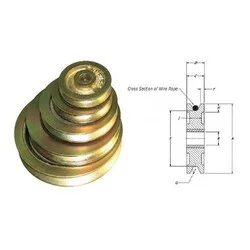
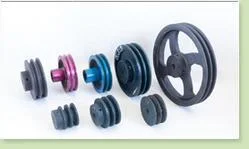
Industrial Pulleys For Heavy Machinery Speed Torque Control
Industrial Gear Boxes Heavy Duty Power Transmission Double Reduction
Textile Machinery Plastic Spares For Carding Draw Frames Spinning Autoconer
Avee Electro Controls
Industrial Power Factor Correction Capacitors For Energy Efficiency
Industrial Power Capacitors For Power Factor Correction And Energy Efficiency
Industrial Gear Boxes For Precise Power Transmission And Durability
Amar Enterprises
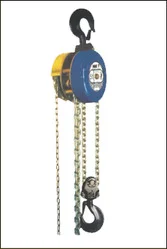
Industrial Heavy Duty Chain Hoists For Manufacturing Construction Warehouses
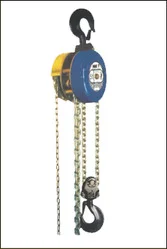
Industrial Chain Pulley Blocks For Heavy Duty Lifting And Pulling
Industrial Couplings For Automotive, Printing, And Engineering
A One Enterprise
Industrial EOT Cranes For Heavy Duty Lifting And Material Handling
Heavy Duty Wire Rope Hoist HW Model with Safety Features
ISI Marked P Series Chain Pulley Blocks 500kg 10T Capacity ISO 9001
Shubham Engineering Enterprises
Industrial Aluminium Telescoping Ladder with Hand Winch & Anti Slip Steps
Hydraulic High Lift Hand Pallet Truck 1 Ton Scissor Lift For Warehouses
Industrial Hand Operated Hydraulic Lifting Table For Material Handling
Boraste Agro Implements & Allied Industry
Agricultural Sprayer 200L Tractor Mounted For Crop Protection
Agricultural Harrow For Soil Preparation And Seedbed Leveling
Agricultural Reidger for Soil Loosening and Weed Removal in Orchards
Jai Vinayak Enterprises
Industrial Heavy Duty Bucket Elevators For Bulk Material Transport
Industrial Heavy Duty Slat Conveyor For Material Handling
Industrial Printing Drum Rollers Corrosion Resistant Durable
Vkfenner
Industrial V Belts For High Horsepower Power Transmission Reliability
Industrial V Belt Rubber Heat Resistant Standard New
Industrial Space Saver Wedge Belts Fire Resistant Rubber V Belt 3V 5V 8V
Elmech Equipment Company
Industrial Brake Motors DC AC 24 195V Premium Long Life
Industrial Soft Starters Emco Brakes High Pressure Long Life New
Industrial Pethe Brake High Pressure Long Life Transmission Power
Ankush Enterprises
Premium Steel Wire Ropes For Heavy Duty Lifting And Securing
Industrial Stainless Steel Wire Ropes For Marine Construction
Industrial Galvanized Wire Rope for Lifting and Rigging
Why Businesses Trust Pepagora
Thousands of companies trust Pepagora to source smarter and sell faster
Expand Your Sales Globally
25000+Products listed.Get discovered by global buyers
Tools to boost visibility
Build your own catalog

Source Smarter,Grow Faster
4000+Active RFQs
100+ Countries served
Easy Sourcing Tools
