
 IN
INundefined
Roots Blowers
23 products available
𝗪𝗵𝗮𝘁 𝗮𝗿𝗲 𝗥𝗼𝗼𝘁𝘀 𝗕𝗹𝗼𝘄𝗲𝗿𝘀?
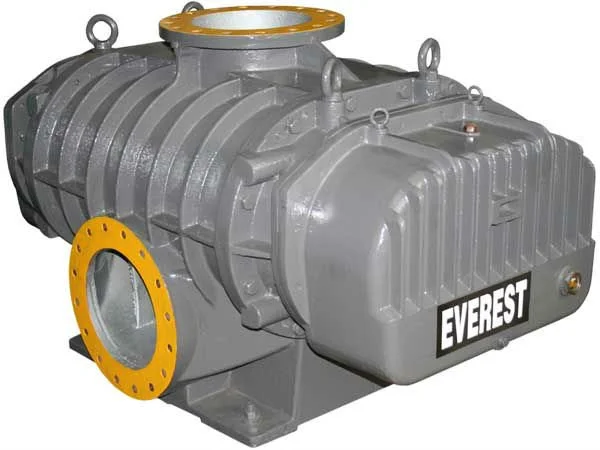
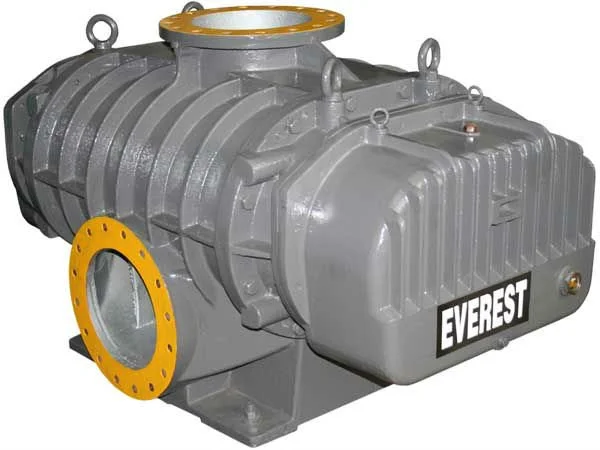
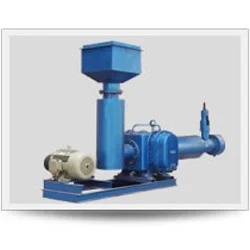
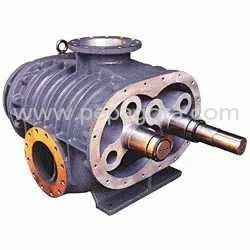
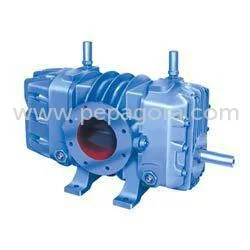
Roots blowers are positive displacement pumps commonly used in various industrial applications. They operate by trapping a specific volume of air or gas and forcing it into a discharge pipe. The design typically features two rotors that rotate in a synchronized manner, creating a vacuum that draws in air and pushes it out with increased pressure. This mechanism allows for efficient and consistent airflow, which is critical in many industrial processes.
Roots blowers find their primary applications in sectors such as wastewater treatment, pneumatic conveying, and vacuum packaging. They are particularly valuable in processes requiring a stable flow of air or gas without pulsation. Industries rely on these blowers for tasks like aerating sewage, conveying bulk materials, and maintaining vacuum conditions in packaging systems. The relevance of Roots blowers in the market is evident as they continue to evolve with technological advancements, ensuring enhanced performance and energy efficiency.
𝗞𝗲𝘆 𝗙𝗲𝗮𝘁𝘂𝗿𝗲𝘀 𝗮𝗻𝗱 𝗦𝗽𝗲𝗰𝗶𝗳𝗶𝗰𝗮𝘁𝗶𝗼𝗻𝘀
Roots blowers come equipped with several key features that enhance their performance and adaptability across various applications. Understanding these features and specifications helps businesses select the right blower for their needs.
Key specifications include:
1. Flow Rate
- Measurement of the volume of air or gas moved per unit time
- Typically ranges from 50 to 5000 CFM
2. Pressure Range
- Indicates the maximum pressure the blower can achieve
- Standard ranges from 1 to 15 PSI
3. Efficiency
- Reflects the energy consumption relative to the air moved
- High-efficiency models can exceed 80%
4. Noise Level
- Measured in decibels (dB), indicating operational sound
- Usually between 70 to 90 dB
5. Temperature Tolerance
- Maximum allowable operating temperature
- Often specified up to 80°C, depending on the model
6. Material Construction
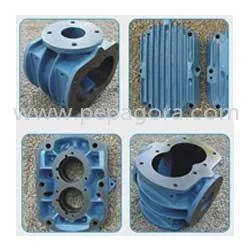
- Common materials include cast iron and aluminum for durability
- Corrosion-resistant coatings are available for specific environments
7. Lubrication Type
- Options include oil-lubricated and dry running designs
- Choice affects maintenance frequency and operational lifespan
8. Size and Weight
- Dimensions and weight vary based on the model and performance capabilities
- Compact designs are available for limited space applications
In summary, understanding the features and specifications of Roots blowers is essential for selecting the appropriate equipment for specific industrial needs. These specifications influence performance, efficiency, and suitability for various applications.
𝗖𝗼𝗺𝗺𝗼𝗻 𝗔𝗽𝗽𝗹𝗶𝗰𝗮𝘁𝗶𝗼𝗻𝘀 𝗮𝗻𝗱 𝗨𝘀𝗲 𝗖𝗮𝘀𝗲𝘀
Roots blowers are versatile and serve a variety of industries with distinct applications.
1. Wastewater Treatment: Roots blowers are extensively used for aeration in wastewater treatment plants, promoting the growth of aerobic bacteria that help break down organic matter.
2. Pneumatic Conveying: In the food and pharmaceutical industries, Roots blowers facilitate the transport of bulk materials, ensuring safe and efficient handling of powders and granules.
3. Vacuum Packaging: These blowers create the necessary vacuum for packaging food products, extending shelf life by reducing oxygen levels.
4. Chemical Processing: Used for gas handling and transport, Roots blowers play a critical role in maintaining atmospheric conditions in reactors and storage tanks.
5. Aquaculture: Roots blowers are utilized to provide aeration in fish farming operations, enhancing oxygen levels in water for healthier aquatic life.
6. Petrochemical Industry: They assist in moving gases and vapors in various processes, contributing to efficiency and safety in chemical production.
In conclusion, the adaptability of Roots blowers across diverse applications makes them vital components in many industrial processes.
𝗣𝗿𝗼𝗱𝘂𝗰𝘁 𝗩𝗮𝗿𝗶𝗮𝗻𝘁𝘀 𝗮𝗻𝗱 𝗦𝘂𝗯𝗰𝗮𝘁𝗲𝗴𝗼𝗿𝗶𝗲𝘀
Roots blowers offer a range of variants to cater to different operational requirements. This diversity allows businesses to select models that best fit their specific applications.
Single-Stage Roots Blower: This variant is ideal for applications requiring moderate pressure and flow rates. It is commonly used in pneumatic conveying and light-duty vacuum applications.
Two-Stage Roots Blower: Designed for higher pressure applications, this variant provides enhanced efficiency and performance. It is suited for demanding environments such as wastewater treatment and chemical processing.
High-Temperature Roots Blower: Specifically designed to handle elevated temperatures, this version is used in applications involving hot gases or processes requiring high thermal resistance.
Sound-Insulated Roots Blower: This model features sound-dampening technology, making it ideal for environments where noise reduction is critical, such as in urban installations or sensitive facilities.
In summary, the variety of Roots blower models ensures that businesses can find the right solution to meet their specific needs.
𝗕𝗲𝗻𝗲𝗳𝗶𝘁𝘀 𝗮𝗻𝗱 𝗔𝗱𝘃𝗮𝗻𝘁𝗮𝗴𝗲𝘀
Choosing Roots blowers comes with several significant advantages for industrial applications.
1. Energy Efficiency: Roots blowers are designed to operate with minimal energy consumption, leading to reduced operating costs over time.
2. Reliability: The robust construction and design of Roots blowers ensure consistent performance and longevity, minimizing downtime and maintenance needs.
3. Low Maintenance: Many models are designed for easy maintenance, with fewer moving parts and straightforward lubrication requirements.
4. Versatility: Roots blowers can be adapted for various applications, making them suitable for diverse industries from food processing to petrochemicals.
5. Continuous Operation: They provide continuous air or gas flow, essential for processes that require stable operational conditions.
6. Customizable Options: Many manufacturers offer customization options, allowing businesses to tailor their blowers to specific operational needs.
In conclusion, the benefits of Roots blowers make them a valuable investment for companies looking to enhance efficiency and reliability in their operations.
𝗕𝘂𝘆𝗶𝗻𝗴 𝗚𝘂𝗶𝗱𝗲 𝗳𝗼𝗿 𝗕𝟮𝗕 𝗕𝘂𝘆𝗲𝗿𝘀
When sourcing Roots blowers, businesses should consider several key factors to ensure they make informed purchasing decisions.
1. Quality Assessment: It is crucial to evaluate the quality of the blowers. Look for manufacturers that adhere to industry standards and provide detailed specifications and performance data.
2. Supplier Verification: Vetting suppliers is essential to ensure reliability and product quality. Check references, certifications, and past performance to assess their credibility.
3. Pricing and MOQ: Understand the cost structure, including unit price and minimum order quantity (MOQ). This helps in budgeting and negotiating with suppliers.
4. Delivery and Lead Times: Confirm delivery schedules and lead times to ensure timely availability of products. This is particularly important for projects with tight timelines.
5. Compliance Requirements: Ensure that the blowers meet relevant regulatory and compliance standards for your industry. This may include safety certifications and environmental regulations.
In summary, a comprehensive buying guide will assist B2B buyers in making well-informed decisions when sourcing Roots blowers.
𝗖𝗼𝗺𝗽𝗹𝗶𝗮𝗻𝗰𝗲 𝗮𝗻𝗱 𝗖𝗲𝗿𝘁𝗶𝗳𝗶𝗰𝗮𝘁𝗶𝗼𝗻𝘀
Compliance and certifications are vital aspects of Roots blowers, ensuring they meet industry and safety standards.
Many manufacturers adhere to quality management standards such as ISO 9001, which signifies a commitment to quality control and continuous improvement. Compliance with such standards assures buyers of the product's reliability and performance.
Additionally, industry certifications like CE mark indicate that the products conform to European health, safety, and environmental protection standards. This is especially important for businesses operating in regulated markets.
Manufacturers may also need to comply with safety and testing requirements to ensure the blowers operate safely under various conditions. This includes testing for performance, durability, and safety features.
Regional compliance considerations may vary based on local regulations and market demands. It is essential for buyers to be aware of these requirements to ensure that their chosen products are compliant.
𝗪𝗵𝘆 𝗦𝗼𝘂𝗿𝗰𝗲 𝗥𝗼𝗼𝘁𝘀 𝗕𝗹𝗼𝘄𝗲𝗿𝘀 𝗳𝗿𝗼𝗺 𝗣𝗲𝗽𝗮𝗴𝗼𝗿𝗮?
Pepagora provides a trusted platform for sourcing Roots blowers with several key advantages that enhance the purchasing experience for businesses.
Verified Supplier Network: Pepagora maintains a network of verified suppliers, ensuring that buyers have access to reliable manufacturers. This verification process helps in selecting quality products.
Streamlined RFQ Process: The platform offers a streamlined Request for Quotation (RFQ) process, allowing buyers to quickly obtain competitive quotes from multiple suppliers. This efficiency saves time and facilitates better decision-making.
Trade Assurance and Support: Pepagora offers trade assurance, providing buyers with protection against potential issues during the purchasing process. This includes support for disputes and ensuring product quality.
Regional Coverage: With a strong presence in regions such as India, the GCC, and Southeast Asia, Pepagora connects buyers with suppliers in key markets. This geographic reach ensures diverse options for sourcing Roots blowers.
In conclusion, choosing Pepagora for sourcing Roots blowers ensures a comprehensive and supportive purchasing experience, backed by a network of verified suppliers and efficient processes.
Newly Added





Recently Added
Manilal Pack Plast Pvt Ltd
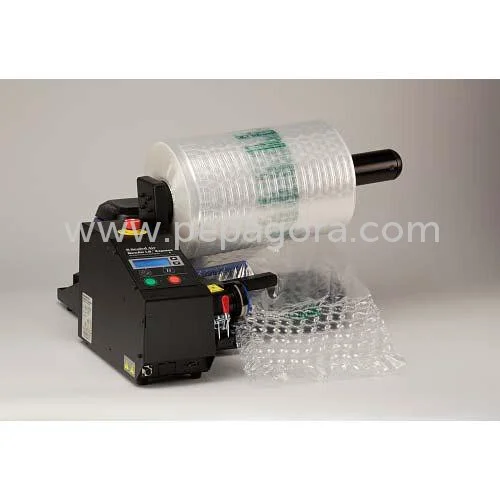
Premium Fill Air Pillows For Secure Eco Friendly Packaging
Packaging Fill Air RF Flexible Void Fill Material
Industrial Tong Sealer Machine For Bags And Pouches With Adjustable Timer
Harsh Industrial Services
Industrial CD Series Vacuum Pump Water Cooled Continuous Operation
Industrial HHV Oil Sealed Rotary Vane Vacuum Pumps For High Medium Vacuum
Industrial PP Magnetic Drive Pumps For Chemical Transfer Leak Free
Cross Flow India
Industrial Ventilation Fan 10.8 M3/min 60W 56dB AC 230V
OEM Fly Catcher Machine Silent Rugged High Efficiency Pest Control
Commercial Air Curtains 600mm High Velocity 18.5 20 m/s Efficient
Burner India
Industrial Axial Blowers For Cooling And Ventilation Systems
Industrial Centrifugal Blowers High Efficiency Durable Design
Industrial Axial Impeller High Performance 200,000 CFM Aluminum Hub
Amalamary Engineering Works
Industrial Municipal Water Treatment Tanks For Pure Water Systems
Industrial Sugar Processing Equipment For Mills And Refineries
Industrial Cyclone Separators For Dust Collection And Air Pollution Control
Bajaj Steel Industries Limited
Industrial Cotton Seed Cleaner 5 TPH Durable Steel Sieve Technology
Cotton Ginning Machinery Double Roller High Efficiency CNC Precision
Cotton Ginning Auto Feeder For Productivity Boost & Energy Efficiency
Oerlikon Leybold Vacuum
Industrial High Vacuum DIP Oil Diffusion Pump With Vapor Jet Technology
Industrial Vacuum Pump S 1.5 Oil Sealed Rotary Vane With Gas Ballast
Industrial Sogevac Single Stage Oil Sealed Rotary Vane Vacuum Pumps
Xtreme Mech Xperts
Industrial Radial Tip Blower 131W 115V/230V/24V High Efficiency Airflow
Industrial Aerofoil Blower 970 RPM 1440 RPM 1000 160000 CMH
Industrial Commercial Backward Inclined Blower 115V 230V 24V 131W
Ppi Pumps Pvt Ltd
Industrial Vacuum Pump Compressor Spares High Quality OEM Parts
Industrial Liquid Ring Vacuum Pump Spares Corrosion Resistant Components
Industrial Chemical Process Pump Spares Durable Corrosion Resistant
Bisht Electric Works
Industrial Power Tools For Drilling Grinding Cutting Sanding
Industrial Bosch Power Tools Angle Grinders Drill Machines Hammer Drills
Light Duty Drills For Industrial Precision And Construction Applications
Why Businesses Trust Pepagora
Thousands of companies trust Pepagora to source smarter and sell faster
Expand Your Sales Globally
25000+Products listed.Get discovered by global buyers
Tools to boost visibility
Build your own catalog

Source Smarter,Grow Faster
4000+Active RFQs
100+ Countries served
Easy Sourcing Tools
