
 IN
INundefined
Rock Phosphate
1 products available
𝗪𝗵𝗮𝘁 𝗮𝗿𝗲 𝗥𝗼𝗰𝗸 𝗣𝗵𝗼𝘀𝗽𝗵𝗮𝘁𝗲?
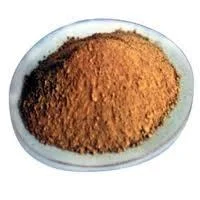
Rock phosphate is a naturally occurring mineral that contains a high concentration of phosphorus. This mineral is primarily used as a fertilizer in agriculture, as phosphorus is a crucial nutrient for plant growth. Rock phosphate is mined from phosphate-rich sedimentary rocks and can be processed into various forms for agricultural use.
The primary applications of rock phosphate include its use in direct application to the soil, as well as in the production of phosphoric acid, which serves as a key ingredient in many fertilizers. Industries that rely on rock phosphate include agriculture, horticulture, and environmental management, where it plays a vital role in enhancing soil fertility. The increasing demand for sustainable agricultural practices has further boosted the relevance of rock phosphate in the market, as it provides a natural alternative to synthetic fertilizers.
𝗞𝗲𝘆 𝗙𝗲𝗮𝘁𝘂𝗿𝗲𝘀 𝗮𝗻𝗱 𝗦𝗽𝗲𝗰𝗶𝗳𝗶𝗰𝗮𝘁𝗶𝗼𝗻𝘀
Rock phosphate offers several key features that make it valuable in various applications. Understanding these specifications can help businesses make informed purchasing decisions.
Key specifications include:
1. Phosphorus Content
- Typically ranges from 25% to 35%
- Determines the effectiveness of the mineral as a fertilizer
2. Solubility
- Varies depending on the source and treatment
- Important for determining how readily plants can absorb phosphorus
3. Particle Size
- Common sizes include granules and powders
- Affects application methods and soil interaction
4. Calcium Content
- Usually between 30% to 50%
- Contributes to soil structure and nutrient balancing
5. Heavy Metal Content
- Should be monitored to ensure safety
- Compliance with regulatory standards is essential
6. Moisture Content
- Typically kept below 5%
- Influences storage and shelf life
7. Source of Origin
- Different sources may exhibit varied nutrient profiles
- Important for specific agricultural needs
8. Certification
- CE certification indicates compliance with European safety standards
- Ensures quality assurance for buyers
Overall, understanding these specifications helps businesses assess the suitability of rock phosphate for their specific agricultural and industrial applications.
𝗖𝗼𝗺𝗺𝗼𝗻 𝗔𝗽𝗽𝗹𝗶𝗰𝗮𝘁𝗶𝗼𝗻𝘀 𝗮𝗻𝗱 𝗨𝘀𝗲 𝗖𝗮𝘀𝗲𝘀
Rock phosphate serves various industries with its unique properties and benefits.
1. Agriculture: Rock phosphate is widely utilized in organic farming as a direct soil amendment. It provides essential phosphorus that promotes root development and overall plant health.
2. Horticulture: In horticultural applications, rock phosphate enhances flower and fruit production. It is often applied in gardens and nurseries to improve soil fertility.
3. Environmental Management: The mineral is used in wastewater treatment processes to remove excess phosphorus from effluents, helping to prevent water pollution.
4. Animal Feed: Rock phosphate is sometimes included in animal feed formulations as a source of phosphorus, supporting healthy growth in livestock.
5. Soil Remediation: It can be used to rehabilitate phosphorus-deficient soils, improving their productivity and sustainability.
6. Landscaping: Rock phosphate is applied in landscaping projects to promote healthy plant growth in parks and recreational areas.
7. Sustainable Agriculture: As farmers shift towards more sustainable practices, rock phosphate's natural properties make it a preferred choice for eco-friendly farming.
𝗣𝗿𝗼𝗱𝘂𝗰𝘁 𝗩𝗮𝗿𝗶𝗮𝗻𝘁𝘀 𝗮𝗻𝗱 𝗦𝘂𝗯𝗰𝗮𝘁𝗲𝗴𝗼𝗿𝗶𝗲𝘀
While rock phosphate itself is a specific mineral, it can come in various forms tailored to different applications.
Granulated Rock Phosphate
This variant is processed into granules for easy application. It is ideal for use in large agricultural fields, ensuring even distribution and minimal dust during handling.
Powdered Rock Phosphate
This form is finely milled for quick soil incorporation. It is suitable for small-scale gardening and horticultural applications where rapid nutrient availability is required.
Pelleted Rock Phosphate
Pelleted versions are designed for controlled release, allowing for prolonged nutrient availability. This variant is beneficial in environments with variable moisture conditions, ensuring plants receive phosphorus over time.
𝗕𝗲𝗻𝗲𝗳𝗶𝘁𝘀 𝗮𝗻𝗱 𝗔𝗱𝘃𝗮𝗻𝘁𝗮𝗴𝗲𝘀
Rock phosphate offers numerous advantages that can significantly impact agricultural productivity.
1. Natural Source of Nutrients: Rock phosphate is derived from natural resources, making it an organic option for farmers seeking sustainable practices.
2. Improves Soil Fertility: By adding phosphorus to the soil, it enhances overall fertility, leading to increased crop yields.
3. Reduces Soil Acidification: The addition of rock phosphate can help neutralize acidic soils, promoting a healthier growing environment.
4. Cost-Effective: Compared to synthetic fertilizers, rock phosphate can be a more economical choice over the long term, especially for large-scale operations.
5. Long-Lasting Effects: The slow-release nature of rock phosphate ensures that plants benefit from a sustained supply of nutrients over time.
6. Environmentally Friendly: Its use aligns with eco-friendly farming initiatives, reducing reliance on chemical fertilizers.
𝗕𝘂𝘆𝗶𝗻𝗴 𝗚𝘂𝗶𝗱𝗲 𝗳𝗼𝗿 𝗕𝟮𝗕 𝗕𝘂𝘆𝗲𝗿𝘀
When sourcing rock phosphate, it is crucial for buyers to consider several key factors to ensure they make informed purchasing decisions.
1. Quality Assessment: Evaluate the phosphorus content and heavy metal levels to ensure compliance with agricultural standards. Request certification documentation to verify quality.
2. Supplier Verification: Research potential suppliers to confirm their reputation and reliability. Check for industry certifications and customer reviews.
3. Pricing and MOQ: Understand the pricing structure and minimum order quantities. Compare quotes from multiple suppliers to ensure competitive pricing.
4. Delivery and Lead Times: Inquire about shipping options and expected delivery times. Timely delivery is essential for maintaining production schedules.
5. Compliance Requirements: Be aware of any regulatory standards that apply to rock phosphate in your region. Ensure that your supplier adheres to these guidelines.
𝗖𝗼𝗺𝗽𝗹𝗶𝗮𝗻𝗰𝗲 𝗮𝗻𝗱 𝗖𝗲𝗿𝘁𝗶𝗳𝗶𝗰𝗮𝘁𝗶𝗼𝗻𝘀
Rock phosphate must adhere to various quality standards and industry certifications to ensure safety and effectiveness. Relevant quality standards include ISO 9001, which focuses on quality management systems, and HACCP, which addresses food safety. Compliance with Good Distribution Practices (GDP) is also critical for maintaining product integrity during transportation.
In addition, obtaining CE certification demonstrates that rock phosphate meets European Union safety directives. This certification is particularly important for suppliers exporting to Europe, as it assures buyers of the product's quality and safety.
Safety and testing requirements must be enforced during production and handling to minimize risks associated with heavy metal contamination. Regional compliance considerations may differ; therefore, it is essential for buyers to understand specific local regulations governing the use of rock phosphate in their respective markets.
𝗪𝗵𝘆 𝗦𝗼𝘂𝗿𝗰𝗲 𝗥𝗼𝗰𝗸 𝗣𝗵𝗼𝘀𝗽𝗵𝗮𝘁𝗲 𝗳𝗿𝗼𝗺 𝗣𝗲𝗽𝗮𝗴𝗼𝗿𝗮?
Pepagora provides a trusted platform for sourcing rock phosphate, offering several key advantages to B2B buyers.
Verified Supplier Network: Pepagora maintains a robust network of verified suppliers, ensuring that buyers have access to quality products and reputable vendors. This minimizes the risk associated with procurement.
Streamlined RFQ Process: The platform features a user-friendly request for quotation (RFQ) system, simplifying the process of obtaining quotes from multiple suppliers. This allows buyers to compare options efficiently and make informed decisions.
Trade Assurance and Support: With Pepagora, buyers benefit from trade assurance programs that protect their purchases. The platform offers support throughout the buying process, ensuring a smooth transaction experience.
Regional Coverage: Pepagora's extensive reach includes markets in India, the Gulf Cooperation Council (GCC) countries, and Southeast Asia. This geographic coverage facilitates access to diverse suppliers and products, catering to different business needs in various regions.


Recently Added
Central & Western (India) Chemicals
Ascorbic Acid Vitamin C Powder High Purity Antioxidant
Industrial Glacial Acetic Acid For Chemical Synthesis And Food Processing
Industrial Sulphamic Acid For Metal Cleaning And Water Treatment
Why Businesses Trust Pepagora
Thousands of companies trust Pepagora to source smarter and sell faster
Expand Your Sales Globally
25000+Products listed.Get discovered by global buyers
Tools to boost visibility
Build your own catalog

Source Smarter,Grow Faster
4000+Active RFQs
100+ Countries served
Easy Sourcing Tools
