
 IN
INundefined
Road Sweepers
1 products available
𝗪𝗵𝗮𝘁 𝗮𝗿𝗲 𝗥𝗼𝗮𝗱 𝗦𝘄𝗲𝗲𝗽𝗲𝗿𝘀?
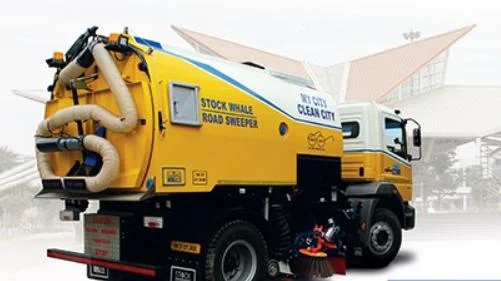
Road sweepers are specialized vehicles designed for cleaning roadways, parking lots, and other surfaces. They utilize various mechanisms to remove dirt, debris, and litter, ensuring that these areas remain clean and safe for public use. These machines are equipped with brushes, vacuum systems, and sometimes water sprayers to effectively capture and dispose of waste materials.
The primary uses of road sweepers extend to municipalities, construction sites, and industrial facilities. These sweepers are essential for maintaining cleanliness, improving safety by reducing hazards associated with debris, and enhancing the aesthetic appeal of urban environments. As cities expand and the need for cleanliness increases, the demand for road sweepers continues to grow, making them a vital component in public works and facility management.
In the current market context, road sweepers play an essential role in environmental management and urban planning. With increasing regulations around cleanliness and pollution control, these machines are increasingly recognized for their importance in maintaining public spaces and ensuring compliance with local laws.
𝗞𝗲𝘆 𝗙𝗲𝗮𝘁𝘂𝗿𝗲𝘀 𝗮𝗻𝗱 𝗦𝗽𝗲𝗰𝗶𝗳𝗶𝗰𝗮𝘁𝗶𝗼𝗻𝘀
Road sweepers come with a variety of features tailored to meet diverse cleaning needs. Understanding these features and specifications is crucial for selecting the right type of sweeper for specific applications.
Key specifications include:
1. Cleaning Width
- This refers to the total width covered by the sweeper during operation.
- Typically ranges from 1.5 meters to 3 meters, depending on the model.
2. Water Tank Capacity
- The size of the water tank used for dust suppression during sweeping.
- Common capacities range from 200 liters to 1000 liters.
3. Engine Power
- The power of the engine that drives the sweeper.
- Usually measured in horsepower, with common values between 20 HP and 150 HP.
4. Hopper Capacity
- The volume of debris that the sweeper can collect before needing to be emptied.
- Ranges from 500 liters to 3000 liters.
5. Sweep Speed
- The maximum speed at which the sweeper can operate while effectively cleaning.
- Typical speeds range from 5 km/h to 20 km/h.
6. Filter System
- The type of filtration system used to prevent dust and particles from being released back into the air.
- Options include HEPA filters and cyclone separators.
7. Maneuverability
- The ability of the sweeper to navigate tight spaces and corners.
- Many sweepers feature compact designs for improved maneuverability.
8. Control System
- The technology used for operating the sweeper, which may include manual controls or advanced automation.
- Some models offer remote control options for enhanced ease of use.
In summary, understanding the features and specifications of road sweepers is key to making informed purchasing decisions that align with specific operational needs.
𝗖𝗼𝗺𝗺𝗼𝗻 𝗔𝗽𝗽𝗹𝗶𝗰𝗮𝘁𝗶𝗼𝗻𝘀 𝗮𝗻𝗱 𝗨𝘀𝗲 𝗖𝗮𝘀𝗲𝘀
Road sweepers are versatile machines used across various industries to maintain cleanliness.
1. Municipalities: Local governments employ road sweepers to keep streets, sidewalks, and public spaces clean. They help reduce litter, improve aesthetics, and ensure compliance with cleanliness regulations.
2. Construction Sites: On construction sites, road sweepers are essential for removing debris and dust, which can pose safety hazards. They help maintain a clean work environment and minimize the impact on surrounding areas.
3. Industrial Facilities: Factories and warehouses utilize road sweepers to keep loading docks, parking lots, and outdoor areas free from dirt and spills. This enhances safety and ensures operational efficiency.
4. Airports: Airports use road sweepers to maintain runways, taxiways, and parking areas. Keeping these areas clean is critical for safety and operational effectiveness.
5. Shopping Centers: Retail establishments benefit from road sweepers to ensure that parking lots and outdoor spaces are clean and inviting for customers.
6. Road Maintenance: Regular road maintenance programs utilize sweepers to remove debris and prevent damage to road surfaces, improving longevity and safety.
7. Event Venues: Temporary road sweepers are employed at events to maintain cleanliness in crowded areas, ensuring a pleasant experience for attendees.
𝗣𝗿𝗼𝗱𝘂𝗰𝘁 𝗩𝗮𝗿𝗶𝗮𝗻𝘁𝘀 𝗮𝗻𝗱 𝗦𝘂𝗯𝗰𝗮𝘁𝗲𝗴𝗼𝗿𝗶𝗲𝘀
Road sweepers are available in various configurations to meet specific cleaning needs.
Compact Road Sweepers: These smaller models are ideal for urban environments where space is limited. They offer excellent maneuverability and can easily navigate narrow streets and crowded areas.
Ride-On Road Sweepers: Designed for larger areas, these models allow operators to sit while cleaning. They are efficient for municipal and industrial applications, offering comfort and speed.
Vacuum Road Sweepers: These machines use powerful suction systems to collect debris and dust. They are highly effective in urban settings and are often used in conjunction with water systems for dust control.
Mechanical Road Sweepers: Utilizing rotating brushes, these sweepers are suitable for rough surfaces and can handle larger debris. They are commonly used in construction and road maintenance.
𝗕𝗲𝗻𝗲𝗳𝗶𝘁𝘀 𝗮𝗻𝗱 𝗔𝗱𝘃𝗮𝗻𝘁𝗮𝗴𝗲𝘀
Road sweepers offer numerous benefits that make them an invaluable asset for various industries.
1. Enhanced Cleanliness: Road sweepers effectively remove dirt, debris, and litter, ensuring clean and safe environments.
2. Improved Safety: By reducing hazards associated with debris on roadways and public spaces, sweepers contribute to overall safety for pedestrians and vehicles.
3. Environmental Compliance: Regular use of road sweepers helps organizations comply with environmental regulations regarding cleanliness and pollution control.
4. Cost-Effectiveness: Investing in road sweepers can lead to long-term savings by reducing manual labor and improving operational efficiency.
5. Versatility: With various models available, road sweepers can be utilized in different environments, from urban streets to industrial sites.
6. Time Efficiency: Road sweepers operate quickly and effectively, allowing for faster cleaning processes compared to manual methods.
𝗕𝘂𝘆𝗶𝗻𝗴 𝗚𝘂𝗶𝗱𝗲 𝗳𝗼𝗿 𝗕𝟮𝗕 𝗕𝘂𝘆𝗲𝗿𝘀
When sourcing road sweepers, it is essential for B2B buyers to consider several factors to ensure they make informed decisions.
1. Quality Assessment: Evaluate the quality of materials and construction. Look for models that meet industry standards and have a proven track record of performance.
2. Supplier Verification: Vet suppliers to ensure they have a solid reputation and are capable of providing reliable support and service. Check for reviews and references.
3. Pricing and MOQ: Understand the pricing structure and minimum order quantities. This will help in budgeting and making purchasing decisions that align with company needs.
4. Delivery and Lead Times: Consider the logistics involved in delivery. Ensure that the supplier can meet your timeframes for delivery and installation.
5. Compliance Requirements: Be aware of any regulatory needs that may apply to the use of road sweepers in your region. This may include safety standards and environmental considerations.
𝗖𝗼𝗺𝗽𝗹𝗶𝗮𝗻𝗰𝗲 𝗮𝗻𝗱 𝗖𝗲𝗿𝘁𝗶𝗳𝗶𝗰𝗮𝘁𝗶𝗼𝗻𝘀
When purchasing road sweepers, compliance with relevant quality standards and certifications is crucial for ensuring safety and reliability.
ISO 9001 is a widely recognized standard that signifies a commitment to quality management systems. Suppliers adhering to this standard can assure buyers of their dedication to maintaining high-quality production processes.
The CE marking represents compliance with European health, safety, and environmental protection standards. Road sweepers with this certification meet stringent requirements, ensuring they are safe for use in various applications.
Safety and testing requirements are also essential. Many road sweepers undergo rigorous testing to ensure they meet operational safety standards. This includes evaluations of their performance under different conditions.
Additionally, regional compliance considerations may affect the purchase decision. Understanding local regulations regarding emissions and noise levels can guide buyers in selecting models that conform to these requirements.
𝗪𝗵𝘆 𝗦𝗼𝘂𝗿𝗰𝗲 𝗥𝗼𝗮𝗱 𝗦𝘄𝗲𝗲𝗽𝗲𝗿𝘀 𝗳𝗿𝗼𝗺 𝗣𝗲𝗽𝗮𝗴𝗼𝗿𝗮?
Pepagora offers a trusted platform for sourcing road sweepers, providing several key advantages to buyers.
Verified Supplier Network: Pepagora maintains a network of verified suppliers known for their quality and reliability. This ensures that buyers can connect with reputable manufacturers.
Streamlined RFQ Process: The request for quotation (RFQ) system allows buyers to easily obtain quotes from multiple suppliers, simplifying the purchasing process and enabling informed decision-making.
Trade Assurance and Support: Pepagora provides trade assurance to protect buyers throughout the purchasing process. This includes support for any issues that may arise during negotiations or transactions.
Regional Coverage: With a presence in India, GCC, and Southeast Asia, Pepagora offers regional coverage that connects buyers with local suppliers, facilitating faster delivery and support tailored to specific markets.


Recently Added











Why Businesses Trust Pepagora
Thousands of companies trust Pepagora to source smarter and sell faster
Expand Your Sales Globally
25000+Products listed.Get discovered by global buyers
Tools to boost visibility
Build your own catalog

Source Smarter,Grow Faster
4000+Active RFQs
100+ Countries served
Easy Sourcing Tools
