
 IN
INundefined
Rhizobium Cultures
2 products available
𝗪𝗵𝗮𝘁 𝗮𝗿𝗲 𝗥𝗵𝗶𝘇𝗼𝗯𝗶𝘂𝗺 𝗖𝘂𝗹𝘁𝘂𝗿𝗲𝘀?
Rhizobium cultures are specialized bacteria that play a crucial role in agriculture and environmental sustainability. These nitrogen-fixing microorganisms form symbiotic relationships with leguminous plants, enabling them to convert atmospheric nitrogen into a form that plants can utilize for growth. The process enhances soil fertility and reduces the need for chemical fertilizers, promoting more sustainable farming practices.
In business applications, Rhizobium cultures are primarily used in agriculture to improve crop yields and soil health. They are essential for farmers seeking to optimize the growth of legumes and other crops that benefit from nitrogen fixation. The relevance of these cultures in the industry is increasing as more agricultural stakeholders prioritize sustainable practices and seek alternatives to synthetic fertilizers. The market for Rhizobium cultures is expanding, driven by the growing demand for organic farming solutions and environmentally friendly agricultural technologies.
𝗞𝗲𝘆 𝗙𝗲𝗮𝘁𝘂𝗿𝗲𝘀 𝗮𝗻𝗱 𝗦𝗽𝗲𝗰𝗶𝗳𝗶𝗰𝗮𝘁𝗶𝗼𝗻𝘀
Rhizobium cultures come with several key features that make them valuable for agricultural applications. These features are designed to ensure effective nitrogen fixation and support plant growth.
Key specifications include:
1. Nitrogen-Fixing Capability
- High efficiency in converting atmospheric nitrogen to ammonia
- Essential for legumes and other nitrogen-dependent plants
2. Viability and Shelf Life
- Cultures are provided with a guaranteed shelf life
- Typically maintained at specific temperatures for maximum viability
3. Formulation Type
- Available in liquid or powder forms
- Formulations may vary based on specific crop needs
4. Concentration Levels
- Different concentrations available to match application requirements
- Helps in optimizing the dosage based on soil conditions
5. Compatibility with Other Inputs
- Can be used alongside various fertilizers and soil amendments
- Ensures synergistic effects for enhanced crop performance
6. Packaging Options
- Offered in various package sizes to accommodate different farming scales
- Ensures ease of use and storage for farmers
Rhizobium cultures are vital for promoting sustainable agriculture and improving overall crop performance.
𝗖𝗼𝗺𝗺𝗼𝗻 𝗔𝗽𝗽𝗹𝗶𝗰𝗮𝘁𝗶𝗼𝗻𝘀 𝗮𝗻𝗱 𝗨𝘀𝗲 𝗖𝗮𝘀𝗲𝘀
Rhizobium cultures serve various industries, particularly in agriculture and environmental management.
1. Agriculture: Widely used in legume cultivation, Rhizobium cultures enhance soil nitrogen levels, promoting healthier plant growth and higher yields.
2. Organic Farming: These cultures are essential in organic farming practices, where synthetic fertilizers are avoided. They help maintain soil health and fertility.
3. Environmental Restoration: Rhizobium cultures are applied in reforestation projects and land reclamation efforts to improve soil quality and support native plant growth.
4. Research and Development: Used in agricultural research, these cultures help scientists study nitrogen fixation processes and develop new strains for improved agricultural outcomes.
5. Sustainable Agriculture: Increasingly used by farms transitioning to sustainable practices, Rhizobium cultures support eco-friendly farming methods by reducing reliance on chemical fertilizers.
𝗣𝗿𝗼𝗱𝘂𝗰𝘁 𝗩𝗮𝗿𝗶𝗮𝗻𝘁𝘀 𝗮𝗻𝗱 𝗦𝘂𝗯𝗰𝗮𝘁𝗲𝗴𝗼𝗿𝗶𝗲𝘀
Rhizobium cultures are diverse, catering to various agricultural needs and plant types.
Standard Rhizobium Culture
This variant is formulated for general use with a wide range of legumes. It supports efficient nitrogen fixation and is ideal for large-scale agricultural applications.
Specialized Rhizobium Culture
Tailored for specific legume species, this variant enhances nitrogen-fixing capabilities unique to certain crops. It is used by farmers looking to maximize yields of particular legume varieties.
Liquid Rhizobium Culture
Offered in a liquid formulation, this variant provides ease of application and can be mixed with irrigation systems for efficient distribution across fields.
Dry Powder Rhizobium Culture
This variant is available in dry powder form, offering a longer shelf life and convenience for storage and transportation.
𝗕𝗲𝗻𝗲𝗳𝗶𝘁𝘀 𝗮𝗻𝗱 𝗔𝗱𝘃𝗮𝗻𝘁𝗮𝗴𝗲𝘀
Sourcing Rhizobium cultures provides several key benefits for agricultural stakeholders.
1. Enhanced Crop Yields: Rhizobium cultures significantly improve the growth and yield of legumes, resulting in higher returns for farmers.
2. Reduced Fertilizer Costs: By fixing nitrogen naturally, these cultures decrease the need for synthetic fertilizers, leading to cost savings.
3. Improved Soil Health: Regular use of Rhizobium cultures enriches soil fertility and enhances microbial activity, promoting a healthier ecosystem.
4. Sustainable Agricultural Practices: Utilizing these cultures contributes to environmentally friendly farming, aligning with global sustainability goals.
5. Compatibility with Various Farming Systems: Rhizobium cultures can be integrated into conventional and organic farming systems without adverse effects.
6. Increased Soil Biodiversity: The application of Rhizobium cultures fosters a diverse soil microbiome, which is essential for long-term soil health.
𝗕𝘂𝘆𝗶𝗻𝗴 𝗚𝘂𝗶𝗱𝗲 𝗳𝗼𝗿 𝗕𝟮𝗕 𝗕𝘂𝘆𝗲𝗿𝘀
When sourcing Rhizobium cultures, it is essential to consider several factors to ensure quality and reliability.
1. Quality Assessment: Evaluate the quality of Rhizobium cultures based on viability tests and nitrogen-fixing efficiency. Look for suppliers that provide detailed product specifications.
2. Supplier Verification: Vet potential suppliers by checking their reputation, certifications, and track record in the industry. Reliable suppliers should have a history of providing quality products.
3. Pricing and MOQ: Understand the pricing structure and minimum order quantities. Some suppliers may offer discounts for bulk purchases, which can be beneficial for larger operations.
4. Delivery and Lead Times: Confirm delivery schedules and lead times to ensure timely availability of cultures for planting seasons. Efficient logistics are crucial for maintaining farm operations.
5. Compliance Requirements: Ensure that the Rhizobium cultures meet any regulatory and safety standards applicable in your region. This may include certifications like CE and UL.
𝗖𝗼𝗺𝗽𝗹𝗶𝗮𝗻𝗰𝗲 𝗮𝗻𝗱 𝗖𝗲𝗿𝘁𝗶𝗳𝗶𝗰𝗮𝘁𝗶𝗼𝗻𝘀
Rhizobium cultures must adhere to various quality standards and compliance requirements to ensure safety and efficacy.
Relevant quality standards include ISO 9001, which focuses on quality management systems, and HACCP, which is essential for food safety. These standards ensure that the cultures are produced and handled with care, maintaining their effectiveness and safety.
Industry certifications such as CE and UL further validate the quality of Rhizobium cultures, assuring buyers of their safety and reliability in agricultural applications.
Additionally, compliance with safety and testing requirements is critical. Regular testing for microbial viability and effectiveness ensures that the cultures perform as expected in the field.
Regional compliance considerations vary, so it is important for buyers to familiarize themselves with local regulations governing agricultural inputs to ensure adherence.
𝗪𝗵𝘆 𝗦𝗼𝘂𝗿𝗰𝗲 𝗥𝗵𝗶𝘇𝗼𝗯𝗶𝘂𝗺 𝗖𝘂𝗹𝘁𝘂𝗿𝗲𝘀 𝗳𝗿𝗼𝗺 𝗣𝗲𝗽𝗮𝗴𝗼𝗿𝗮?
Pepagora provides a trusted platform for sourcing Rhizobium cultures with several key advantages.
Verified Supplier Network: The platform connects buyers with a network of verified suppliers, ensuring that the products meet high-quality standards. Each supplier undergoes a thorough vetting process to guarantee reliability.
Streamlined RFQ Process: Pepagora simplifies the request for quotation (RFQ) process, allowing buyers to easily compare offers from multiple suppliers. This efficiency helps in making informed purchasing decisions.
Trade Assurance and Support: Buyers can benefit from trade assurance policies that protect their orders and investments. Support is provided throughout the purchasing process, ensuring a smooth experience.
Regional Coverage: With geographic reach across India, the GCC, and Southeast Asia, Pepagora facilitates access to Rhizobium cultures in diverse markets. This extensive network ensures that buyers can find the right products to meet their needs.
Newly Added


Recently Added
Iic Industrial Corporation
Industrial Vacuum Drying Oven for Pharmaceuticals and Electronics
Industrial Dehumidifiers For Pharmaceuticals Food Processing Laboratories
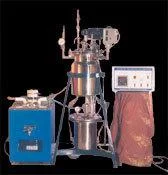
IIC Bio Fermenter Bioreactor For Microbial Cultivation In Pharmaceuticals
Instrumentation India
Compact Bench Scale Fermentor for Microbial Batch Cultivation
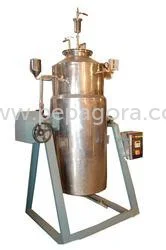
Medium Scale Oil Heated Stainless Steel Fermentor for Rhizobia Mass Culture
Laboratory Double Decker Rotary Shaker High Capacity Cell Culturing
Why Businesses Trust Pepagora
Thousands of companies trust Pepagora to source smarter and sell faster
Expand Your Sales Globally
25000+Products listed.Get discovered by global buyers
Tools to boost visibility
Build your own catalog

Source Smarter,Grow Faster
4000+Active RFQs
100+ Countries served
Easy Sourcing Tools
