
 IN
INundefined
Reusable Protective Equipment
5 products available
𝗪𝗵𝗮𝘁 𝗮𝗿𝗲 𝗥𝗲𝘂𝘀𝗮𝗯𝗹𝗲 𝗣𝗿𝗼𝘁𝗲𝗰𝘁𝗶𝘃𝗲 𝗘𝗾𝘂𝗶𝗽𝗺𝗲𝗻𝘁?
Reusable Protective Equipment refers to gear designed to protect individuals in various work environments while being reusable rather than disposable. This equipment is engineered to withstand repeated use, maintaining its protective qualities over time. Common examples include face shields, gloves, and coveralls made from durable materials that can be cleaned and sanitized after each use.
The primary applications of Reusable Protective Equipment span industries such as manufacturing, healthcare, construction, and food processing. Businesses utilize this type of equipment to enhance worker safety and reduce waste associated with single-use products. As organizations increasingly prioritize sustainability and cost-efficiency, the demand for reusable solutions has grown significantly, making it a vital component of modern safety protocols.
In the current market landscape, Reusable Protective Equipment is particularly relevant as regulations around workplace safety and environmental responsibility become stricter. Companies are now more inclined to adopt equipment that not only complies with safety standards but also contributes to reducing their carbon footprint. This shift represents an evolving industry trend toward sustainability and worker well-being.
𝗞𝗲𝘆 𝗙𝗲𝗮𝘁𝘂𝗿𝗲𝘀 𝗮𝗻𝗱 𝗦𝗽𝗲𝗰𝗶𝗳𝗶𝗰𝗮𝘁𝗶𝗼𝗻𝘀
Reusable Protective Equipment is characterized by several key features that enhance its effectiveness and usability. These features are designed to meet the demands of various industries while ensuring compliance with safety standards.
Key specifications include:
1. Material Quality
- Constructed from high-grade, durable materials.
- Resistant to wear, tear, and chemical exposure.
2. Cleanability
- Designed for easy cleaning and sanitization.
- Suitable for various cleaning agents without compromising integrity.
3. Fit and Comfort
- Ergonomically designed for a comfortable fit during prolonged use.
- Adjustable components for a secure fit.
4. Protective Standards
- Meets or exceeds industry safety standards such as CE certification.
- Tested for specific protective capabilities based on intended use.
5. Durability
- Engineered for long-lasting use under normal operating conditions.
- Capable of withstanding multiple cleaning cycles.
6. Versatility
- Applicable across different sectors with varying safety needs.
- Available in various sizes and configurations to suit diverse applications.
7. Portability
- Lightweight designs for easy transport and storage.
- Foldable or compact styles available for convenience.
In summary, Reusable Protective Equipment combines functional design, durability, and compliance with industry standards, making it an essential choice for businesses focused on safety and sustainability.
𝗖𝗼𝗺𝗺𝗼𝗻 𝗔𝗽𝗽𝗹𝗶𝗰𝗮𝘁𝗶𝗼𝗻𝘀 𝗮𝗻𝗱 𝗨𝘀𝗲 𝗖𝗮𝘀𝗲𝘀
Reusable Protective Equipment serves a wide range of industries, each with unique applications that emphasize safety and efficiency.
1. Healthcare: In hospitals and clinics, reusable protective gear is essential for staff to prevent contamination and ensure patient safety during procedures.
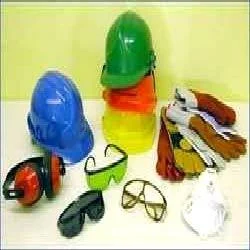
2. Manufacturing: Workers in manufacturing environments use reusable protective equipment such as gloves and goggles to safeguard against physical and chemical hazards.
3. Construction: In construction sites, durable helmets and high-visibility gear protect workers from accidents and enhance visibility in hazardous conditions.
4. Food Processing: Workers in food production and processing facilities utilize reusable aprons and gloves to maintain hygiene standards while handling food products.
5. Agriculture: Agricultural workers often wear reusable protective clothing to shield themselves from pesticides and harsh environmental conditions.
6. Laboratory: In research and laboratory settings, reusable lab coats and safety goggles are vital for protecting staff from spills and hazardous materials.
7. Automotive: Mechanics and technicians use reusable protective gear to guard against grease, chemicals, and sharp objects while performing repairs.
𝗣𝗿𝗼𝗱𝘂𝗰𝘁 𝗩𝗮𝗿𝗶𝗮𝗻𝘁𝘀 𝗮𝗻𝗱 𝗦𝘂𝗯𝗰𝗮𝘁𝗲𝗴𝗼𝗿𝗶𝗲𝘀
Reusable Protective Equipment encompasses a variety of products tailored to meet different safety needs and industry standards. This diversity allows businesses to select the appropriate equipment for their specific applications.
Face Shields
Face shields provide full-face protection from splashes and debris, making them ideal for healthcare and industrial environments. They are designed for comfort and visibility, often featuring adjustable straps.
Protective Gloves
Reusable gloves are essential in many industries, offering protection against chemicals, abrasions, and cuts. These gloves can be made from materials like nitrile or latex, ensuring flexibility and durability.
Coveralls
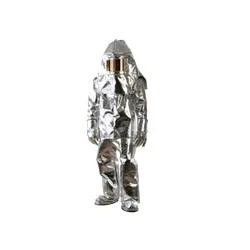
Protective coveralls offer full-body protection in environments where workers may be exposed to hazardous materials. They are designed to be breathable yet resistant to chemicals, ensuring comfort and safety.
Respirators
Reusable respirators are critical in environments with airborne contaminants. They provide filtration against dust, fumes, and other harmful particles, ensuring worker safety in various settings.
Goggles
Safety goggles protect the eyes from chemicals and flying debris. They are designed to fit securely and can be cleaned and reused, making them cost-effective for businesses.
𝗕𝗲𝗻𝗲𝗳𝗶𝘁𝘀 𝗮𝗻𝗱 𝗔𝗱𝘃𝗮𝗻𝘁𝗮𝗴𝗲𝘀
Choosing Reusable Protective Equipment offers numerous benefits that can positively impact workplace safety and operational efficiency.
1. Cost-Effectiveness: Reduced long-term costs compared to disposable options, as they can be reused multiple times.
2. Environmental Sustainability: Decreases waste generation, contributing to eco-friendly business practices and promoting sustainability.
3. Enhanced Safety: Provides reliable protection against workplace hazards, reducing the risk of injuries and accidents.
4. Compliance with Standards: Helps businesses meet regulatory requirements for workplace safety, ensuring legal compliance.
5. Improved Comfort: Designed for better fit and comfort, allowing workers to perform tasks efficiently without compromising safety.
6. Versatile Applications: Suitable for a wide range of industries and tasks, ensuring adaptability to various work environments.
𝗕𝘂𝘆𝗶𝗻𝗴 𝗚𝘂𝗶𝗱𝗲 𝗳𝗼𝗿 𝗕𝟮𝗕 𝗕𝘂𝘆𝗲𝗿𝘀
When sourcing Reusable Protective Equipment, several factors should be taken into consideration to ensure a successful purchase.
1. Quality Assessment: It is vital to evaluate the quality of materials and manufacturing processes. Look for certifications and compliance with industry standards to ensure product reliability.
2. Supplier Verification: Vet potential suppliers by checking their reputation, customer reviews, and compliance history. A reliable supplier not only offers quality products but also provides timely support.
3. Pricing and MOQ: Understand the pricing structure and minimum order quantities (MOQ). It's essential to balance cost with quality to ensure the best value for your investment.
4. Delivery and Lead Times: Consider logistics and how long it will take for the equipment to arrive. Reliable suppliers provide clear delivery timelines to avoid disruptions in operations.
5. Compliance Requirements: Ensure that the equipment meets relevant regulatory and safety standards for your industry. This includes checking for certifications such as CE.
𝗖𝗼𝗺𝗽𝗹𝗶𝗮𝗻𝗰𝗲 𝗮𝗻𝗱 𝗖𝗲𝗿𝘁𝗶𝗳𝗶𝗰𝗮𝘁𝗶𝗼𝗻𝘀
Compliance with industry standards is crucial for Reusable Protective Equipment. Key quality standards include ISO 9001, which ensures consistent quality management across manufacturing processes. Additionally, HACCP and GDP standards may apply in specific sectors, particularly in food safety and pharmaceuticals.
Industry certifications, such as CE marking, indicate that products meet European safety, health, and environmental protection standards. Safety and testing requirements ensure that equipment is rigorously tested for performance and durability under various conditions.
Regional compliance considerations are also important, as different countries may have specific regulations governing protective equipment. Businesses must ensure that their equipment complies with local laws to avoid legal issues and ensure worker safety.
𝗪𝗵𝘆 𝗦𝗼𝘂𝗿𝗰𝗲 𝗥𝗲𝘂𝘀𝗮𝗯𝗹𝗲 𝗣𝗿𝗼𝘁𝗲𝗰𝘁𝗶𝘃𝗲 𝗘𝗾𝘂𝗶𝗽𝗺𝗲𝗻𝘁 𝗳𝗿𝗼𝗺 𝗣𝗲𝗽𝗮𝗴𝗼𝗿𝗮?
Pepagora provides a trusted platform for sourcing Reusable Protective Equipment, offering several key advantages that support businesses in their procurement processes.
Verified Supplier Network: Pepagora connects buyers with a network of verified suppliers, ensuring that all products meet high-quality standards. This verification process enhances trust and reliability in transactions.
Streamlined RFQ Process: The Request for Quotation (RFQ) process is designed to be efficient and user-friendly. Buyers can quickly obtain quotes from multiple suppliers, making it easier to compare options and make informed decisions.
Trade Assurance and Support: Pepagora offers trade assurance, providing buyers with protection in their purchases. This support includes assistance with any issues that may arise during the procurement process.
Regional Coverage: With a broad geographic reach, Pepagora serves clients in India, the Gulf Cooperation Council (GCC), and Southeast Asia. This regional coverage ensures that businesses can access quality protective equipment tailored to their specific market needs.
Newly Added



Recently Added
Bakshi Enterprises
Premium Poly V Belts For Automotive And Agricultural Machinery
Industrial GI Pipes 10 100mm NB 1.80 5.40mm Thickness
Industrial PU Tubes Durable Flexible Abrasion Oil Chemical Resistant
Adinath Traders
Industrial TIG Welding Machine For Stainless Steel And Aluminum
Industrial S.S. Welding Rods Premium Corrosion Resistant High Strength
Industrial Plasma Cutting Machine For Steel Aluminum Stainless
B.M. Dev Plastics
Premium Zip Lock Pouches For Packaging And Storage
Premium Zip Pouches For Freshness And Aroma Preservation
Premium Export Packaging Pouches For Product Protection
D M Safety & Security Systems
Business Access And Attendance Systems For Time Tracking And Payroll
Commercial Industrial Fire Alarm Systems Alarms Manual Call Points
Industrial Fire Extinguishers CO2 Types Compliant International Standards
PROTECH ENGINEERING PVT. LTD.
Automotive Workshop Hydraulic Service Ramps Heavy Duty Protech PT150
Industrial Heavy Duty Parts Wagon with Sliding Shelves and Casters
Industrial Heavy Duty Parts Wagon With Four Lockable Caster Wheel Shelves
Centroid Engineers India Pvt Ltd
Industrial Welding Electrode Holder EHAL20 with GF Polyamide Handle CE Certified
Industrial Diesel Welding Machines TX Range 200/250/300 For Remote Sites
Heapro Ventra & Standard Industrial Safety Helmets Vented/Unvented PE Head Protection for Mining, Construction
Why Businesses Trust Pepagora
Thousands of companies trust Pepagora to source smarter and sell faster
Expand Your Sales Globally
25000+Products listed.Get discovered by global buyers
Tools to boost visibility
Build your own catalog

Source Smarter,Grow Faster
4000+Active RFQs
100+ Countries served
Easy Sourcing Tools
