
 IN
INundefined
Retail Packaging with Custom Prints
22 products available
𝗪𝗵𝗮𝘁 𝗮𝗿𝗲 𝗥𝗲𝘁𝗮𝗶𝗹 𝗣𝗮𝗰𝗸𝗮𝗴𝗶𝗻𝗴 𝘄𝗶𝘁𝗵 𝗖𝘂𝘀𝘁𝗼𝗺 𝗣𝗿𝗶𝗻𝘁𝘀?
Retail packaging with custom prints refers to specialized packaging solutions that are tailored to meet the branding and marketing needs of businesses. This type of packaging not only serves as a protective container for products but also plays a crucial role in enhancing brand visibility and customer engagement. Custom prints allow businesses to showcase their logos, product information, and promotional messages directly on the packaging, creating a unique and memorable presentation.
The primary uses of retail packaging with custom prints include product packaging, point-of-sale displays, and promotional materials. Businesses across various industries utilize these solutions to differentiate their products in a competitive market. From food and beverage companies to electronics and cosmetics, custom-printed packaging helps create a cohesive brand identity and attracts potential customers. In today's market, where consumer choices are abundant, effective packaging can significantly influence purchasing decisions.
The relevance of retail packaging with custom prints extends beyond mere aesthetics. In a world where branding and customer experience are paramount, this type of packaging serves as a critical touchpoint between the consumer and the product. As e-commerce continues to grow, the demand for innovative packaging solutions that enhance the unboxing experience will only increase.
𝗞𝗲𝘆 𝗙𝗲𝗮𝘁𝘂𝗿𝗲𝘀 𝗮𝗻𝗱 𝗦𝗽𝗲𝗰𝗶𝗳𝗶𝗰𝗮𝘁𝗶𝗼𝗻𝘀
Retail packaging with custom prints comes with a variety of features designed to meet specific business needs. Understanding these specifications is essential for making informed purchasing decisions.
Key specifications include:
1. Material Type
- Common materials include cardboard, paper, plastic, and biodegradable options.
- Options vary based on strength, durability, and environmental considerations.
2. Print Quality
- High-resolution printing ensures vibrant colors and crisp details.
- Options for digital printing, flexographic printing, and offset printing are available.
3. Customization Options
- Businesses can choose various sizes, shapes, and finishes.
- Options for foil stamping, embossed logos, and matte or gloss finishes enhance visual appeal.
4. Closure Types
- Various closure mechanisms like adhesive seals, tuck flaps, and snap closures.
- These options provide convenience and security for product protection.
5. Eco-Friendliness
- Availability of recyclable and biodegradable materials.
- Compliance with sustainability standards is increasingly important.
6. Minimum Order Quantity (MOQ)
- Often varies by supplier but typically ranges from 100 to thousands of units.
- Buyers should confirm MOQs prior to ordering.
7. Lead Times
- Production and delivery times can vary based on order size and customization.
- Businesses should plan ahead to accommodate these timelines.
In summary, understanding the features and specifications of retail packaging with custom prints allows businesses to choose the right solutions that align with their brand identity and operational needs.
𝗖𝗼𝗺𝗺𝗼𝗻 𝗔𝗽𝗽𝗹𝗶𝗰𝗮𝘁𝗶𝗼𝗻𝘀 𝗮𝗻𝗱 𝗨𝘀𝗲 𝗖𝗮𝘀𝗲𝘀
Retail packaging with custom prints is utilized across a wide range of industries, providing tailored solutions that enhance product presentation and brand recognition.
1. Food and Beverage: Custom packaging is essential for food products to convey freshness and quality. Eye-catching designs can attract consumers on store shelves.
2. Cosmetics and Personal Care: Custom prints on packaging help communicate brand values and product benefits, creating a more engaging customer experience.
3. Electronics: Retail packaging for electronics often includes protective features and instructions, with custom graphics that highlight features and brand identity.
4. Apparel and Fashion: Custom-printed packaging enhances the unboxing experience, reinforcing brand loyalty among fashion-conscious consumers.
5. Pharmaceuticals: Custom packaging is critical for pharmaceuticals, ensuring compliance with regulations while also providing essential product information.
6. Home Goods: Retail packaging for home goods often emphasizes design and functionality, appealing to consumers looking for quality and aesthetics.
7. E-commerce: With the rise of online shopping, custom packaging plays a vital role in creating a memorable unboxing experience, encouraging repeat purchases.
𝗣𝗿𝗼𝗱𝘂𝗰𝘁 𝗩𝗮𝗿𝗶𝗮𝗻𝘁𝘀 𝗮𝗻𝗱 𝗦𝘂𝗯𝗰𝗮𝘁𝗲𝗴𝗼𝗿𝗶𝗲𝘀
Retail packaging with custom prints offers a diverse range of variants to meet different business needs. Each variant features unique attributes to enhance functionality and appeal.
Retail Boxes
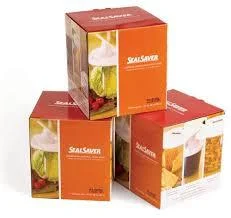
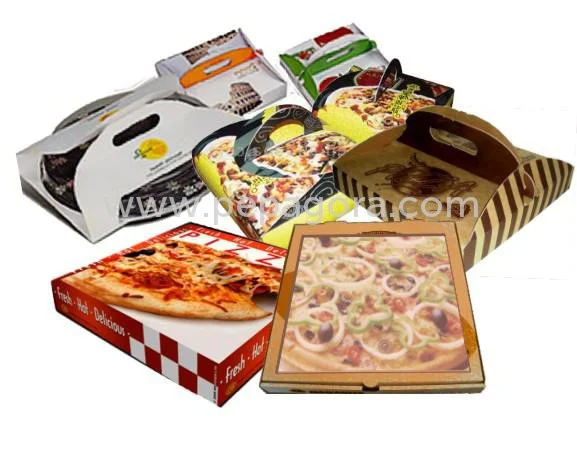
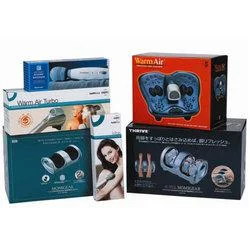
Retail boxes are sturdy containers designed for various products. They can be customized in size, shape, and print to suit the product and branding requirements. These boxes often come with features like inserts for product protection.
Bags and Pouches
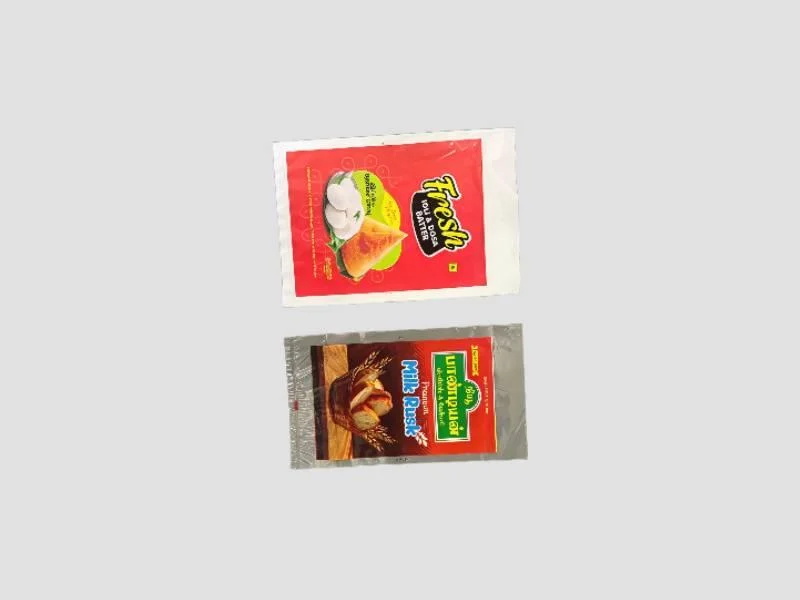
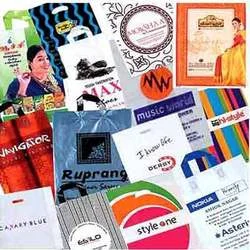
Custom-printed bags and pouches are versatile options for packaging. They are suitable for food items, cosmetics, and promotional materials. These can be made from paper or plastic and can include features like resealable closures.
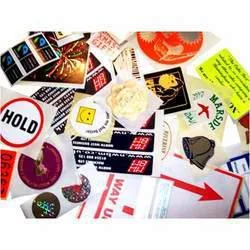
Labels and Stickers
Custom labels and stickers provide branding opportunities on products and packaging. They can be used for product identification, instructions, or promotional messaging, offering a cost-effective way to enhance brand visibility.
𝗕𝗲𝗻𝗲𝗳𝗶𝘁𝘀 𝗮𝗻𝗱 𝗔𝗱𝘃𝗮𝗻𝘁𝗮𝗴𝗲𝘀
Retail packaging with custom prints brings several advantages to businesses looking to enhance their product offerings.
1. Brand Recognition: Custom packaging helps reinforce brand identity, making products easily recognizable to consumers.
2. Marketing Impact: Eye-catching designs and messaging on packaging can attract attention and drive sales.
3. Customer Engagement: Unique packaging enhances the customer experience, encouraging brand loyalty through memorable unboxing experiences.
4. Protection and Safety: Custom packaging is designed to protect products during transit and storage, reducing the risk of damage.
5. Eco-Friendly Options: Many custom packaging solutions focus on sustainability, appealing to environmentally-conscious consumers.
6. Flexibility: Customization options allow businesses to adapt packaging to seasonal promotions, new product launches, or market trends.
𝗕𝘂𝘆𝗶𝗻𝗴 𝗚𝘂𝗶𝗱𝗲 𝗳𝗼𝗿 𝗕𝟮𝗕 𝗕𝘂𝘆𝗲𝗿𝘀
When sourcing retail packaging with custom prints, buyers should consider several key factors to ensure they make informed decisions.
1. Quality Assessment: Evaluate the material, print quality, and durability of the packaging. Look for samples to verify the quality before placing a large order.
2. Supplier Verification: Research suppliers to ensure they have a good reputation. Check customer reviews, certifications, and past work to gauge reliability.
3. Pricing and MOQ: Understand the cost structure and minimum order quantities. Compare quotes from multiple suppliers to find the best value.
4. Delivery and Lead Times: Confirm production timelines and shipping options to ensure timely delivery of your packaging needs.
5. Compliance Requirements: Verify that the packaging complies with relevant industry regulations and safety standards, particularly for food and pharmaceuticals.
𝗖𝗼𝗺𝗽𝗹𝗶𝗮𝗻𝗰𝗲 𝗮𝗻𝗱 𝗖𝗲𝗿𝘁𝗶𝗳𝗶𝗰𝗮𝘁𝗶𝗼𝗻𝘀
Retail packaging with custom prints must adhere to various compliance standards to ensure safety and quality. Key quality standards include ISO 9001, which outlines quality management systems, and HACCP, which focuses on food safety processes.
Certifications such as CE indicate that the packaging meets European safety standards. This is particularly relevant for products sold in European markets, ensuring that they comply with health, safety, and environmental protection requirements.
Safety and testing requirements are crucial, especially for packaging in sensitive industries like food and pharmaceuticals. Packaging must be tested for durability, safety, and potential contamination.
Regionally, businesses should be aware of compliance considerations specific to their markets. This includes understanding local regulations and standards that may apply to packaging materials and labeling.
𝗪𝗵𝘆 𝗦𝗼𝘂𝗿𝗰𝗲 𝗥𝗲𝘁𝗮𝗶𝗹 𝗣𝗮𝗰𝗸𝗮𝗴𝗶𝗻𝗴 𝘄𝗶𝘁𝗵 𝗖𝘂𝘀𝘁𝗼𝗺 𝗣𝗿𝗶𝗻𝘁𝘀 𝗳𝗿𝗼𝗺 𝗣𝗲𝗽𝗮𝗴𝗼𝗿𝗮?
Pepagora is a trusted platform for sourcing retail packaging with custom prints, offering several key advantages to B2B buyers.
Verified Supplier Network: Pepagora connects buyers with a network of reliable suppliers who have undergone thorough verification processes. This ensures that businesses can source quality packaging from reputable manufacturers.
Streamlined RFQ Process: The request for quotation (RFQ) process on Pepagora is designed to be efficient, allowing buyers to easily obtain quotes from multiple suppliers and compare options based on their needs.
Trade Assurance and Support: Pepagora provides buyer protection through trade assurance, ensuring that transactions are secure and that buyers receive the products as specified. This support adds an extra layer of confidence for businesses.
Regional Coverage: With a broad geographic reach across India, the GCC, and Southeast Asia, Pepagora caters to a diverse clientele. This allows businesses to access packaging solutions that are locally produced and tailored to regional market demands.
Newly Added







Recently Added
Asma Digital Graphics
Printing Services High Quality Customizable Solutions
Supplier Premium Diary Covers Bulk Pricing Branding Tools
Industrial High Tack Gum Sheets For Packaging And Printing Applications
Art O Print
Pharmaceutical Display Kits For Buyers With Expert Design
Eco Friendly Premium Paper Bags With Sturdy Cords For Retail Packaging
Pharmaceutical Braille Labelling Solutions For Regulatory Compliance
A. V. Packages
Duplex Paper Boxes Durable Packaging For Retail Food Industrial
Industrial Heavy Duty Shipping Boxes For Secure Storage
Printed Boxes For Agriculture Food Industrial Packaging
A. I. M Designers
Premium Printing Paintings For Decor Distributors And Wholesalers
Premium Advertising Hoardings For High Impact Outdoor Branding
Brochures And Booklets Manufacturer For Global Importers
Dhiraj Enterprises
Export Packaging Cartons For Secure Shipping Durable
Premium Die Cutting Boxes For Packaging And Industrial Use
Premium Printed Boxes For Secure Packaging And Brand Promotion
Sri Thirumalai Packaging Industries
Packaging Cartons Paper Screen Printing OEM Durable
E Commerce Shipping Printed Corrugated Boxes Screen Printing Pantone
Durable Corrugated Boxes For Packing With Screen Printing
Pragathi Cartons
Laminated Cartons Durable Waterproof Packaging FMCG Pharmaceuticals
Premium Biodegradable Lined Cartons For Secure Industrial Packaging
Industrial Shipping Heavy Duty Master Cartons For Secure Transport
Kwality Offset Pvt Ltd
Eco Friendly Non Woven Bags Durable Polypropylene Reusable Recyclable
Premium Paper Bags For Retail FMCG High Colorfastness Bulk Sizes
Promotional Danglers With Multi Color Offset Printing For Vibrant Branding
Pooja Prints
Fashion Brands Premium Durable Garment Labels For Apparel
Premium Advertisement Materials For Marketing And Brand Visibility
Premium Printed Duplex Boxes For Retail Gifting Packaging
Knitcity Graphics Private Limited
Garment Hang Tags Durable Construction Easy Installation
Industrial Die Cut Tags For Product Labeling And Inventory Management
Premium Self Adhesive Tags For Product Identification And Labeling
Why Businesses Trust Pepagora
Thousands of companies trust Pepagora to source smarter and sell faster
Expand Your Sales Globally
25000+Products listed.Get discovered by global buyers
Tools to boost visibility
Build your own catalog

Source Smarter,Grow Faster
4000+Active RFQs
100+ Countries served
Easy Sourcing Tools
