
 IN
INundefined
Refractory Lining Equipment
3 products available
𝗪𝗵𝗮𝘁 𝗮𝗿𝗲 𝗥𝗲𝗳𝗿𝗮𝗰𝘁𝗼𝗿𝘆 𝗟𝗶𝗻𝗶𝗻𝗴 𝗘𝗾𝘂𝗶𝗽𝗺𝗲𝗻𝘁?
Refractory Lining Equipment refers to specialized tools and machinery designed for the application and maintenance of refractory materials. These materials are engineered to withstand high temperatures and corrosive environments, making them essential in various industrial processes. The equipment assists in ensuring that the refractory linings are applied correctly and efficiently, thereby enhancing the longevity and performance of industrial furnaces, kilns, and reactors.
The primary uses of Refractory Lining Equipment include the installation, repair, and monitoring of refractory materials in high-temperature applications. Industries such as steel manufacturing, cement production, and glassmaking rely heavily on this equipment to maintain optimal operating conditions. By ensuring that the linings are properly installed and maintained, businesses can avoid costly downtimes and reduce the risk of equipment failure.
In the current market context, the demand for Refractory Lining Equipment has grown due to increasing industrial activities and the need for energy-efficient solutions. With advancements in technology, these tools have become more sophisticated, allowing for better control over the application process. As industries strive for higher efficiency and lower emissions, the importance of reliable refractory solutions continues to rise.
𝗞𝗲𝘆 𝗙𝗲𝗮𝘁𝘂𝗿𝗲𝘀 𝗮𝗻𝗱 𝗦𝗽𝗲𝗰𝗶𝗳𝗶𝗰𝗮𝘁𝗶𝗼𝗻𝘀
Refractory Lining Equipment comes with a range of features designed to enhance performance and efficiency. Understanding these specifications is crucial for businesses looking to procure the right tools for their needs.
Key specifications include:
1. Temperature Resistance
- Equipment designed to withstand extreme temperatures, typically up to 1,800 degrees Celsius.
2. Application Method
- Options for spraying, troweling, or casting refractory materials for various applications.
3. Equipment Size and Portability
- Available in various sizes, from portable units for small jobs to larger, stationary systems for industrial applications.
4. Material Compatibility
- Designed to work with different types of refractory materials, including castables, bricks, and monolithics.
5. Safety Features
- Includes protective mechanisms to ensure safe operation in high-temperature environments.
6. Monitoring Capabilities
- Some equipment features monitoring systems to track temperature and lining integrity during operation.
7. Efficiency Ratings
- Equipment with energy-efficient designs to help reduce operational costs.
In summary, the right Refractory Lining Equipment should meet specific temperature and application requirements, provide safety features, and offer compatibility with various refractory materials.
𝗖𝗼𝗺𝗺𝗼𝗻 𝗔𝗽𝗽𝗹𝗶𝗰𝗮𝘁𝗶𝗼𝗻𝘀 𝗮𝗻𝗱 𝗨𝘀𝗲 𝗖𝗮𝘀𝗲𝘀
Refractory Lining Equipment plays a vital role across several industries. Its applications vary based on the specific needs of each sector.
1. Steel Manufacturing: In steel mills, refractory linings are used in furnaces and ladles to withstand the extreme heat and protect the structural integrity of the equipment.
2. Cement Production: Refractory linings are critical in kilns where raw materials are heated to high temperatures, ensuring durability and efficiency in the cement-making process.
3. Glassmaking: High-temperature furnaces in glass production require robust refractory linings to maintain operational efficiency and product quality.
4. Petrochemicals: In reactors and furnaces used in petrochemical processes, refractory linings help manage high temperatures and corrosive substances.
5. Power Generation: Refractory linings are essential in boilers and other heat-exchange equipment to enhance efficiency and extend service life.
6. Foundries: Refractory materials are applied in metal casting processes, providing thermal insulation and resistance to molten metal.
7. Waste Incineration: Refractory linings are used in waste-to-energy plants to handle the high temperatures generated during the incineration of waste materials.
𝗣𝗿𝗼𝗱𝘂𝗰𝘁 𝗩𝗮𝗿𝗶𝗮𝗻𝘁𝘀 𝗮𝗻𝗱 𝗦𝘂𝗯𝗰𝗮𝘁𝗲𝗴𝗼𝗿𝗶𝗲𝘀
Refractory Lining Equipment is diverse, catering to different industrial needs. Although specific subcategories are not available, there are various types of equipment suited for particular applications.
Spray Equipment: This variant is designed for the application of sprayable refractory materials, allowing for efficient coverage of surfaces. It is ideal for large-scale applications in industrial settings.
Trowel Equipment: This type features tools specifically designed for manually applying refractory materials by troweling. It is commonly used for small repairs and maintenance tasks.
Mixing Equipment: Essential for preparing refractory mixtures, this equipment ensures that materials are combined correctly for optimal performance.
𝗕𝗲𝗻𝗲𝗳𝗶𝘁𝘀 𝗮𝗻𝗱 𝗔𝗱𝘃𝗮𝗻𝘁𝗮𝗴𝗲𝘀
Investing in Refractory Lining Equipment brings numerous advantages to industrial operations. These benefits enhance productivity and safety.
1. Enhanced Durability: Properly applied refractory linings extend the life of industrial equipment, reducing maintenance and replacement costs.
2. Improved Efficiency: High-quality refractory linings improve thermal efficiency, leading to lower energy consumption during industrial processes.
3. Safety Compliance: Using reliable refractory lining equipment helps maintain safety standards, protecting workers and equipment from high-temperature hazards.
4. Reduced Downtime: Efficient application and repair processes minimize operational interruptions, ensuring continuous production.
5. Versatility: Refractory Lining Equipment can be adapted for various applications across multiple industries, making it a valuable investment.
6. Quality Consistency: Advanced equipment ensures uniform application of refractory materials, leading to consistent performance and reliability.
𝗕𝘂𝘆𝗶𝗻𝗴 𝗚𝘂𝗶𝗱𝗲 𝗳𝗼𝗿 𝗕𝟮𝗕 𝗕𝘂𝘆𝗲𝗿𝘀
When sourcing Refractory Lining Equipment, several factors should be considered to ensure the best purchase decision.
1. Quality Assessment: Evaluate equipment based on durability, material quality, and manufacturer reputation. Look for equipment that meets industry standards and specifications.
2. Supplier Verification: Vet potential suppliers thoroughly. Check for certifications, customer reviews, and their track record in delivering reliable products.
3. Pricing and MOQ: Compare pricing structures and understand the minimum order quantities (MOQ). Ensure that costs align with your budget without compromising on quality.
4. Delivery and Lead Times: Discuss delivery timelines and logistics with suppliers to ensure that your operational schedule is not disrupted.
5. Compliance Requirements: Verify that the equipment meets local and international compliance standards, including safety and environmental regulations.
𝗖𝗼𝗺𝗽𝗹𝗶𝗮𝗻𝗰𝗲 𝗮𝗻𝗱 𝗖𝗲𝗿𝘁𝗶𝗳𝗶𝗰𝗮𝘁𝗶𝗼𝗻𝘀
Compliance and certifications are essential aspects of Refractory Lining Equipment. Adhering to quality standards ensures that the equipment is safe and effective.
ISO 9001 is a significant quality management standard that many manufacturers strive to meet, ensuring consistency in quality and performance.
CE certification indicates that the equipment complies with European safety and health regulations. This certification is crucial for companies operating within or exporting to European markets.
Safety and testing requirements should also be reviewed to ensure that the equipment can withstand the rigors of industrial applications.
Regional compliance considerations may vary, so it is essential to be aware of local regulations that apply to refractory materials and equipment.
𝗪𝗵𝘆 𝗦𝗼𝘂𝗿𝗰𝗲 𝗥𝗲𝗳𝗿𝗮𝗰𝘁𝗼𝗿𝘆 𝗟𝗶𝗻𝗶𝗻𝗴 𝗘𝗾𝘂𝗶𝗽𝗺𝗲𝗻𝘁 𝗳𝗿𝗼𝗺 𝗣𝗲𝗽𝗮𝗴𝗼𝗿𝗮?
Pepagora offers a reliable platform for sourcing Refractory Lining Equipment, providing buyers with several key advantages.
Verified Supplier Network: Pepagora ensures that all suppliers within its network are thoroughly vetted. This verification process helps buyers find trustworthy partners for their equipment needs.
Streamlined RFQ Process: The Request for Quotation (RFQ) system simplifies the procurement process. Buyers can easily request quotes and compare offers from various suppliers in one place.
Trade Assurance and Support: Pepagora provides buyer protection through trade assurance, ensuring that transactions are secure and disputes are effectively managed.
Regional Coverage: With a strong presence in India, GCC, and Southeast Asia, Pepagora offers extensive regional coverage, making it easier for buyers to access high-quality Refractory Lining Equipment.
By choosing Pepagora, businesses can confidently source the equipment they need while benefiting from a robust support system.
Newly Added



Recently Added
Bajaj Export Corporation
Premium Brake Linings Superior Stopping Power Heat Resistant
Industrial Automotive Brake Roll Linings Asbestos Asbestos Free Rubberized Woven
Commercial Vehicle Premium Brake Drums Heavy Duty Durable Safety
Baroda Metal Cast
Industrial Air Injection Tubes For Wastewater Treatment And Aquaculture
Industrial Heating Premium Central Burner Tubes For Boilers Furnaces Kilns
Industrial Medical Radiation Protection Tubes Shielding Durable Safety
Anchors Tech
Industrial Heavy Duty Bogie Hearth Furnace For Large Parts Heat Treatment
High Temperature Scaffolding Ceramic Cuplocks Premium Wear Resistant
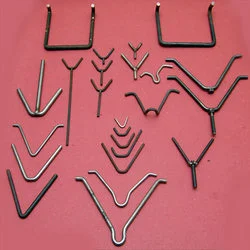
Industrial Refractory V Y Type Corrugated Anchors For High Temperature Linings
Why Businesses Trust Pepagora
Thousands of companies trust Pepagora to source smarter and sell faster
Expand Your Sales Globally
25000+Products listed.Get discovered by global buyers
Tools to boost visibility
Build your own catalog

Source Smarter,Grow Faster
4000+Active RFQs
100+ Countries served
Easy Sourcing Tools
