
 IN
INundefined
Refractometers & Viscometers
5 products available
𝗪𝗵𝗮𝘁 𝗮𝗿𝗲 𝗥𝗲𝗳𝗿𝗮𝗰𝘁𝗼𝗺𝗲𝘁𝗲𝗿𝘀 & 𝗩𝗶𝘀𝗰𝗼𝗺𝗲𝘁𝗲𝗿𝘀?
Refractometers and viscometers are precision instruments used to measure the properties of liquids. A refractometer measures the refractive index of a solution, which changes based on the solute concentration. This allows users to determine properties such as sugar content in beverages or salt concentration in brines. Viscometers, on the other hand, measure the viscosity of a liquid, indicating its resistance to flow. This measurement is critical for understanding how a liquid will behave in various industrial processes.
These instruments are widely applied across multiple industries, including food and beverage, pharmaceuticals, and chemical manufacturing. In the food sector, refractometers are essential for quality control, ensuring products meet specific concentration standards. Viscometers are invaluable in the pharmaceutical industry for ensuring proper formulations and consistency in liquid medications. As industries increasingly demand precise measurements for quality assurance, the relevance of refractometers and viscometers continues to grow, reflecting the need for accurate and reliable testing equipment.
𝗞𝗲𝘆 𝗙𝗲𝗮𝘁𝘂𝗿𝗲𝘀 𝗮𝗻𝗱 𝗦𝗽𝗲𝗰𝗶𝗳𝗶𝗰𝗮𝘁𝗶𝗼𝗻𝘀
Refractometers and viscometers come with a range of features and specifications that cater to diverse industrial needs. Understanding these specifications is essential for selecting the right instrument.
Key specifications include:
1. Measurement Range
- Refractometers typically measure from 1.0 to 1.8 refractive index.
- Viscometers can measure dynamic viscosity from 1 to 100,000 mPas.
2. Temperature Control
- Many instruments operate within a temperature range of 0 to 100 degrees Celsius.
- Some models feature automatic temperature compensation for accuracy.
3. Resolution
- Refractometers offer resolutions of 0.001 refractive index units.
- Viscometers can provide viscosity readings with a resolution of 0.1 mPas.
4. Calibration
- Instruments often come with factory calibration, and some allow for user calibration.
- Regular calibration is necessary to maintain accuracy.
5. Portability
- Handheld models are available for field testing.
- Bench-top models provide enhanced stability and measurement accuracy.
6. Digital Display
- Many models feature LCD displays for easy reading of results.
- Some devices offer connectivity options for data logging and analysis.
7. Sample Size
- Refractometers may require only a few drops of liquid.
- Viscometers can vary, with some requiring larger volumes for accurate readings.
8. Compliance Standards
- Many instruments meet industry standards such as CE certification.
- Compliance with regional regulations is critical for specific applications.
These specifications ensure that users select the most effective instrument for their specific needs, enhancing productivity and accuracy.
𝗖𝗼𝗺𝗺𝗼𝗻 𝗔𝗽𝗽𝗹𝗶𝗰𝗮𝘁𝗶𝗼𝗻𝘀 𝗮𝗻𝗱 𝗨𝘀𝗲 𝗖𝗮𝘀𝗲𝘀
Refractometers and viscometers serve a variety of industries with distinct applications.
1. Food and Beverage: Refractometers play a crucial role in measuring sugar content in juices and syrups, ensuring quality and compliance with industry standards. Viscometers are used to analyze the viscosity of sauces and dressings, which affects texture and stability.
2. Pharmaceutical: In the pharmaceutical industry, refractometers are used to verify the concentration of solutions, which is critical for drug formulation. Viscometers ensure the proper viscosity of creams and liquids, impacting the delivery and effectiveness of medications.
3. Chemical Manufacturing: Refractometers help in monitoring the concentration of chemical solutions, aiding in quality control. Viscometers are essential for understanding the flow characteristics of paints and coatings, influencing application techniques.
4. Agriculture: Refractometers measure sugar levels in fruits and vegetables, providing growers with information on product ripeness and quality. Viscometers assess the viscosity of fertilizers and pesticides, ensuring proper application.
5. Oil and Gas: In this sector, refractometers measure the concentration of various liquids, including drilling fluids. Viscometers analyze the viscosity of oils, which is vital for transportation and processing.
6. Environmental Testing: Refractometers can be used in water quality testing to determine salinity levels. Viscometers assess the viscosity of wastewater, which is crucial for treatment processes.
7. Textile Industry: Refractometers measure dye concentrations in textile processing, ensuring color consistency. Viscometers evaluate the viscosity of finishing agents, impacting the quality of the final product.
𝗣𝗿𝗼𝗱𝘂𝗰𝘁 𝗩𝗮𝗿𝗶𝗮𝗻𝘁𝘀 𝗮𝗻𝗱 𝗦𝘂𝗯𝗰𝗮𝘁𝗲𝗴𝗼𝗿𝗶𝗲𝘀
Refractometers and viscometers come in various models and designs, catering to specific applications and user needs.
Digital Refractometers
These instruments provide electronic readings and often feature data logging capabilities. They are user-friendly and suitable for laboratory and field use.
Handheld Refractometers
Compact and portable, these are ideal for quick field measurements. They are commonly used in agriculture and food inspections, offering ease of use without compromising accuracy.
Laboratory Viscometers
Designed for precise measurements, these models are essential in research and quality control environments. They typically offer advanced features such as temperature control and user calibration.
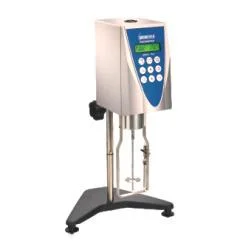
Rotational Viscometers
These instruments measure viscosity by rotating a spindle in the liquid. They are widely used in industries like cosmetics and pharmaceuticals for their accuracy and versatility.
𝗕𝗲𝗻𝗲𝗳𝗶𝘁𝘀 𝗮𝗻𝗱 𝗔𝗱𝘃𝗮𝗻𝘁𝗮𝗴𝗲𝘀
Refractometers and viscometers offer numerous advantages to businesses across various sectors.
Key benefits include:
1. Accuracy: These instruments provide precise measurements, essential for quality control and compliance.
2. Versatility: They can be used in multiple industries, making them a valuable investment for diverse applications.
3. Efficiency: Quick measurement capabilities enhance workflow, saving time in production and testing processes.
4. Cost-effective: Accurate readings can reduce waste and improve product quality, leading to significant cost savings.
5. User-friendly: Many models are designed for easy operation, allowing quick training for staff.
6. Compliance support: Instruments often meet industry standards, assisting businesses in maintaining regulatory compliance.
𝗕𝘂𝘆𝗶𝗻𝗴 𝗚𝘂𝗶𝗱𝗲 𝗳𝗼𝗿 𝗕𝟮𝗕 𝗕𝘂𝘆𝗲𝗿𝘀
When sourcing refractometers and viscometers, several factors should be considered to ensure the selection of the right instruments.
1. Quality Assessment: Look for instruments that adhere to industry standards and have a reputation for reliability. Check for certifications indicating compliance with quality benchmarks.
2. Supplier Verification: Vet suppliers to ensure they offer high-quality products and reliable support. Research their track record and read reviews from other businesses.
3. Pricing and MOQ: Understand the price range for the instruments and consider minimum order quantities. Compare prices among suppliers to find the best value.
4. Delivery and Lead Times: Inquire about delivery options and lead times to ensure the instruments arrive when needed. This is crucial for maintaining production schedules.
5. Compliance Requirements: Be aware of any regulatory needs specific to your industry. Ensure that the instruments you choose meet these compliance standards.
𝗖𝗼𝗺𝗽𝗹𝗶𝗮𝗻𝗰𝗲 𝗮𝗻𝗱 𝗖𝗲𝗿𝘁𝗶𝗳𝗶𝗰𝗮𝘁𝗶𝗼𝗻𝘀
Refractometers and viscometers must meet various compliance and certification standards to ensure reliability and safety.
Relevant quality standards such as ISO 9001 ensure that manufacturing processes meet rigorous quality management criteria. These standards help maintain consistency and reliability in product performance.
In addition, industry-specific certifications like CE signify that the instruments comply with European health, safety, and environmental protection standards. This certification is often essential for market acceptance.
Safety and testing requirements are critical, particularly in industries like pharmaceuticals and food production. Instruments should be tested for accuracy and reliability to ensure they meet operational demands.
Regional compliance considerations may also apply, depending on the market. It is essential for businesses to verify that their instruments adhere to local regulations to avoid potential legal issues.
𝗪𝗵𝘆 𝗦𝗼𝘂𝗿𝗰𝗲 𝗥𝗲𝗳𝗿𝗮𝗰𝘁𝗼𝗺𝗲𝘁𝗲𝗿𝘀 & 𝗩𝗶𝘀𝗰𝗼𝗺𝗲𝘁𝗲𝗿𝘀 𝗳𝗿𝗼𝗺 𝗣𝗲𝗽𝗮𝗴𝗼𝗿𝗮?
Pepagora offers a trusted platform for sourcing refractometers and viscometers, providing several key advantages to buyers.
Verified Supplier Network: Pepagora ensures that all suppliers are thoroughly vetted, providing buyers with peace of mind regarding the quality and reliability of products. This network includes manufacturers known for their high standards.
Streamlined RFQ Process: The request for quotation (RFQ) system is designed to simplify the purchasing process. Buyers can quickly submit their requirements and receive competitive quotes from multiple suppliers, making it easier to find the best deal.
Trade Assurance and Support: Pepagora provides buyer protection, ensuring that transactions are secure. This support is crucial for building trust between buyers and suppliers while facilitating smooth transactions.
Regional Coverage: With a strong presence in regions such as India, GCC, and Southeast Asia, Pepagora offers extensive geographic reach. This allows buyers to source products locally, reducing shipping times and costs while supporting regional manufacturers.
Newly Added


Recently Added
Pooja Scientific Instruments
Industrial High Temperature Muffle Furnace 1400C Digital Control
Digital Bomb Calorimeter for Coal Biofuels Chemicals Testing
Industrial Digital Colony Counter for Microbial Counting OEM Supply
Zenith Glasswares And Instruments Corporation
Laboratory High Vacuum Leak Proof Z Glass Stopcocks Valves
Laboratory Z Glass Sintered Micro Filter Holders With Sealed Glass Support
Laboratory Glassware Z Glass Spherical Joints Vacuum Sealing BS:2761
Ashoka Enterprises
Lab Testing Aggregate Crushing Value Machine For Construction Quality Control
Ductility Testing Machine IS 1208 1958 Compliant with H&T Accessories
Laboratory Specific Gravity Bottles for Accurate Density Measurements
Asha Scientific Company
Premium Quartz Distillation Units For High Purity Water In Labs And Industries
Laboratory Supplies Metalware Porcelainware Plasticware Tools
Industrial PTFE Products High Temperature Resistance Chemical Inertness
Bien Artium Natural Science Pvt. Ltd
Twin Roll Crusher For Mineral Processing And Ore Crushing
Heavy Duty Jaw Crusher For Mining Construction Recycling
Industrial High Frequency Disc Grinders For Precision Surface Grinding
Demi Specialty Chemicals & Co.
Coraway#384 Acid Corrosion Inhibitor For Oil Gas Chemical Industries
Amine Based Anti Caking Agents For Fertilizers And Industrial Chemicals
Bulk Aqueous Quaternary Ammonium Hydroxide Solutions 55 60% 40% 20%
C. Abhaykumar & Co
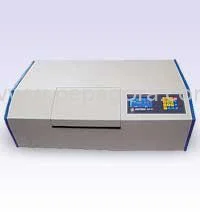
Industrial Abbe Refractometer for Accurate Refractive Index Measurements
Histology Lab Automatic Tissue Processor 1L Capacity Single Basket
BOD Oxidizer For Wastewater Treatment With 1 28 Day Measurement
M/S Contech Instruments Ltd
Laboratory Precision Semi Micro Balance 0.01mg Accuracy
Textile Quality Control Analytical Balances With Motorized Calibration
Apparel Industry Density Balances For Textile Quality Control
Why Businesses Trust Pepagora
Thousands of companies trust Pepagora to source smarter and sell faster
Expand Your Sales Globally
25000+Products listed.Get discovered by global buyers
Tools to boost visibility
Build your own catalog

Source Smarter,Grow Faster
4000+Active RFQs
100+ Countries served
Easy Sourcing Tools
