
 IN
INundefined
Refractometers
19 products available
𝗪𝗵𝗮𝘁 𝗮𝗿𝗲 𝗥𝗲𝗳𝗿𝗮𝗰𝘁𝗼𝗺𝗲𝘁𝗲𝗿𝘀?
Refractometers are precision optical instruments used to measure the refractive index of liquids or solids. They work by analyzing how light bends as it passes through a substance. This bending, or refraction, is measured and expressed as a numerical value, which can then be correlated to the concentration of a solution or the purity of a substance. Refractometers can be handheld or bench-mounted, and they are essential tools in various scientific and industrial applications.
The primary uses of refractometers include quality control, formulation, and research in industries such as food and beverage, pharmaceuticals, and chemical manufacturing. For instance, in the food industry, they are widely used to measure sugar content in syrups and juices, ensuring product consistency and compliance with industry standards. In pharmaceuticals, refractometers help in determining the purity of raw materials. With the growing emphasis on quality assurance across industries, the demand for refractometers continues to rise, highlighting their relevance in modern manufacturing and research processes.
𝗞𝗲𝘆 𝗙𝗲𝗮𝘁𝘂𝗿𝗲𝘀 𝗮𝗻𝗱 𝗦𝗽𝗲𝗰𝗶𝗳𝗶𝗰𝗮𝘁𝗶𝗼𝗻𝘀
Refractometers are equipped with several features that enhance their usability and accuracy. These specifications are vital for selecting the right instrument for your business needs.
Key specifications include:
1. Measurement Range
- The range over which the refractometer can accurately measure refractive index values.
- Typically ranges from 1.333 to 1.600 for standard models.
2. Accuracy
- The precision of the refractometer in its readings.
- Usually expressed in ±0.001 to ±0.003 refractive index units.
3. Temperature Compensation
- Many refractometers come with automatic temperature compensation to ensure accurate readings under varying temperature conditions.
4. Scale Type
- Refractometers may offer multiple scales, such as Brix for sugar content or specific gravity for density measurements.
5. Interface
- Some models feature digital displays, while others may be analog, catering to different user preferences.
6. Calibration
- Ease of calibration is crucial for maintaining accuracy over time, with some instruments offering one-touch calibration features.
7. Portability
- Handheld models are designed for field use, while benchtop models are more suited for laboratory environments.
8. Build Quality
- Look for durable materials and robust construction, particularly for instruments used in harsh industrial settings.
In summary, understanding these features and specifications will help businesses select the right refractometer tailored to their specific applications.
𝗖𝗼𝗺𝗺𝗼𝗻 𝗔𝗽𝗽𝗹𝗶𝗰𝗮𝘁𝗶𝗼𝗻𝘀 𝗮𝗻𝗱 𝗨𝘀𝗲 𝗖𝗮𝘀𝗲𝘀
Refractometers find applications across various industries due to their ability to provide precise measurements.
1. Food and Beverage: They are used to measure sugar content in products like juices and syrups, ensuring quality and consistency in taste.
2. Pharmaceuticals: Refractometers aid in determining the purity of compounds, which is critical for drug formulation and compliance with health regulations.
3. Chemical Manufacturing: These instruments are essential for monitoring concentrations of solutions in chemical processes, ensuring optimal production efficiency.
4. Agriculture: Farmers use refractometers to measure the sugar levels in crops, helping to determine the best harvest times.
5. Oil and Gas: Used for analyzing the purity of oil products, refractometers play a role in maintaining quality standards in the energy sector.
6. Environmental Testing: Refractometers can measure the salinity of water samples, which is important for environmental monitoring.
7. Laboratory Research: In research environments, refractometers are used to study the properties of various materials.
𝗣𝗿𝗼𝗱𝘂𝗰𝘁 𝗩𝗮𝗿𝗶𝗮𝗻𝘁𝘀 𝗮𝗻𝗱 𝗦𝘂𝗯𝗰𝗮𝘁𝗲𝗴𝗼𝗿𝗶𝗲𝘀
Refractometers come in various types tailored to specific needs and applications, allowing businesses to choose the right tool for their operations.
Digital Refractometers: These models provide quick readings and are often easier to use than traditional analog devices. They are suitable for labs and fieldwork due to their portability.
Handheld Refractometers: Lightweight and compact, these refractometers are ideal for on-the-go measurements, commonly used in agricultural settings and food production.
Benchtop Refractometers: Designed for laboratory use, these instruments offer higher accuracy and often include advanced features like data logging and extensive calibration options.
Pocket Refractometers: Compact and user-friendly, these are perfect for quick checks in food and beverage applications, allowing for easy portability.
𝗕𝗲𝗻𝗲𝗳𝗶𝘁𝘀 𝗮𝗻𝗱 𝗔𝗱𝘃𝗮𝗻𝘁𝗮𝗴𝗲𝘀
Refractometers offer numerous advantages that enhance operational efficiency across industries.
1. Enhanced Accuracy: Refractometers provide precise measurements that help in maintaining product quality and compliance with industry standards.
2. Improved Efficiency: The ability to quickly measure refractive index saves time in production and quality control processes.
3. Versatility: With various scales and measurement capabilities, refractometers can be used in different applications, making them a valuable investment.
4. Ease of Use: Many modern refractometers are designed for user-friendliness, enabling operators with minimal training to obtain accurate readings.
5. Cost-Effective: Investing in a refractometer can reduce costs associated with product testing, as they allow for rapid in-house quality checks.
6. Portability: Handheld models are convenient for fieldwork, providing flexibility and immediate results.
𝗕𝘂𝘆𝗶𝗻𝗴 𝗚𝘂𝗶𝗱𝗲 𝗳𝗼𝗿 𝗕𝟮𝗕 𝗕𝘂𝘆𝗲𝗿𝘀
When sourcing refractometers, there are several factors to consider to ensure you make an informed decision.
1. Quality Assessment: Look for refractometers that meet international quality standards, ensuring reliability and accuracy in measurements.
2. Supplier Verification: Vet potential suppliers by checking their credentials, customer reviews, and industry reputation to ensure you are sourcing from reliable manufacturers.
3. Pricing and MOQ: Evaluate the pricing structure and minimum order quantities (MOQ) offered by suppliers to find options that fit your budget and needs.
4. Delivery and Lead Times: Consider logistics and the expected delivery times when placing orders, as timely delivery can impact production schedules.
5. Compliance Requirements: Ensure that the refractometers comply with relevant industry regulations and standards to avoid issues with quality assurance.
𝗖𝗼𝗺𝗽𝗹𝗶𝗮𝗻𝗰𝗲 𝗮𝗻𝗱 𝗖𝗲𝗿𝘁𝗶𝗳𝗶𝗰𝗮𝘁𝗶𝗼𝗻𝘀
Refractometers must adhere to several quality and safety standards to ensure their reliability in various applications.
Relevant quality standards such as ISO 9001 are important as they signify that the manufacturing process has been vetted for quality management. Compliance with HACCP (Hazard Analysis Critical Control Point) is critical in the food industry, ensuring that safety protocols are followed during production.
Many refractometers also carry certifications like CE, indicating they meet European safety and health requirements. This is especially important for businesses operating in regulated markets.
Additionally, safety and testing requirements must be observed during the manufacturing of refractometers to ensure their durability and accuracy. Regional compliance considerations may vary, so it is essential to be aware of local regulations where the instruments will be utilized.
𝗪𝗵𝘆 𝗦𝗼𝘂𝗿𝗰𝗲 𝗥𝗲𝗳𝗿𝗮𝗰𝘁𝗼𝗺𝗲𝘁𝗲𝗿𝘀 𝗳𝗿𝗼𝗺 𝗣𝗲𝗽𝗮𝗴𝗼𝗿𝗮?
Pepagora provides a trusted platform for sourcing refractometers with several key advantages that can benefit B2B buyers.
Verified Supplier Network: Pepagora boasts a robust network of verified suppliers, ensuring that buyers have access to high-quality refractometers from reputable manufacturers. This verification process helps mitigate risks and ensures product reliability.
Streamlined RFQ Process: The platform simplifies the request for quotation (RFQ) process, allowing buyers to easily compare offers and select the best options based on their specific needs.
Trade Assurance and Support: Pepagora offers trade assurance, providing buyers with protection during transactions. This support helps build trust and confidence in the purchasing process.
Regional Coverage: With a strong presence in India, GCC, and Southeast Asia, Pepagora ensures that buyers can access refractometers suited to their regional requirements, facilitating smoother operations across borders.
Newly Added



Recently Added
Pooja Scientific Instruments
Industrial High Temperature Muffle Furnace 1400C Digital Control
Digital Bomb Calorimeter for Coal Biofuels Chemicals Testing
Industrial Digital Colony Counter for Microbial Counting OEM Supply
Asha Scientific Company
Premium Quartz Distillation Units For High Purity Water In Labs And Industries
Laboratory Supplies Metalware Porcelainware Plasticware Tools
Industrial PTFE Products High Temperature Resistance Chemical Inertness
Askib Engineers Private Limited
Industrial Brinell Microscope 25X Magnification 0.01mm LC NABL Certified
NABL Certified Rubber Bellows for Hardness Testers 8 Inch 12 Inch
NABL Certified Steel Ball Indentors For Rockwell Brinell Hardness Testers
C. Abhaykumar & Co
Industrial Abbe Refractometer for Accurate Refractive Index Measurements
Histology Lab Automatic Tissue Processor 1L Capacity Single Basket
BOD Oxidizer For Wastewater Treatment With 1 28 Day Measurement
Lab Sales Corporation
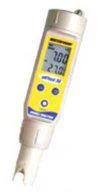
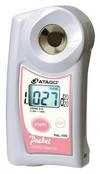
Laboratory Refractometers For Brix Concentration Purity Measurements
Laboratory Analytical Balances For Precise Weight Measurements
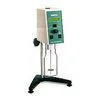
Precision Brookfield Viscometers For Accurate Viscosity Measurement In Labs
Medify Surgicals
MS Cosy Aluminum Electric Wheelchair Lightweight Foldable Mobility Aid with 15km Range
CP Child Wheelchair: Foldable Automatic Mobility Aid with Aluminum Frame & 75kg Capacity
CPWC 41 CP Wheelchair: Lightweight Aluminum Manual with Adjustable Armrests & 16 Inch Seat
Why Businesses Trust Pepagora
Thousands of companies trust Pepagora to source smarter and sell faster
Expand Your Sales Globally
25000+Products listed.Get discovered by global buyers
Tools to boost visibility
Build your own catalog

Source Smarter,Grow Faster
4000+Active RFQs
100+ Countries served
Easy Sourcing Tools
