
 IN
INundefined
Red Lentils (Masoor)
8 products available
What are Red Lentils (Masoor)?
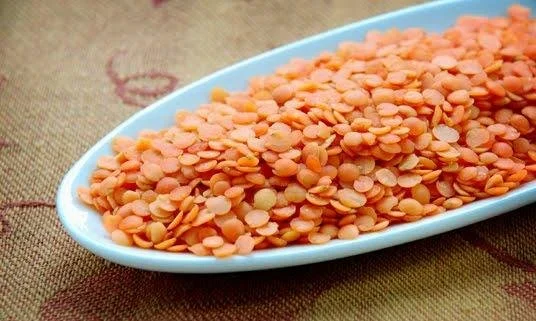
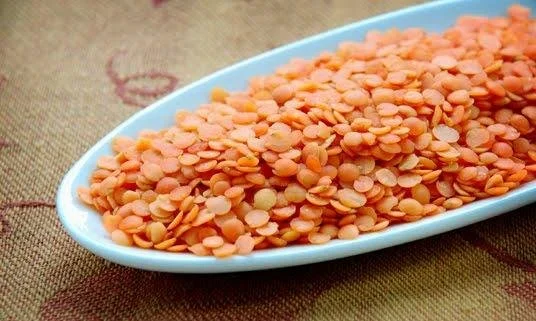
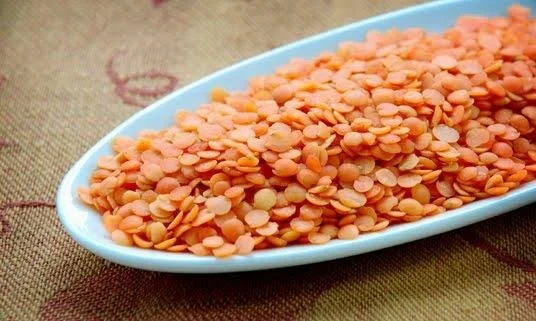
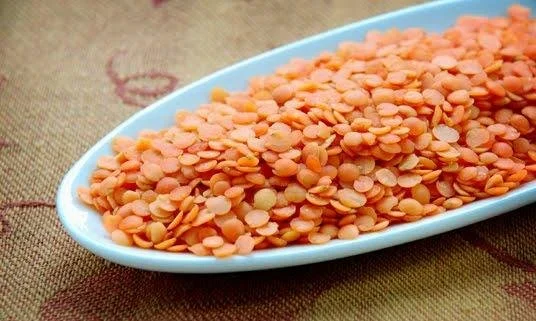
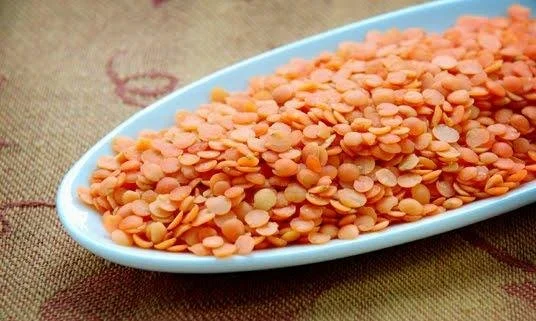
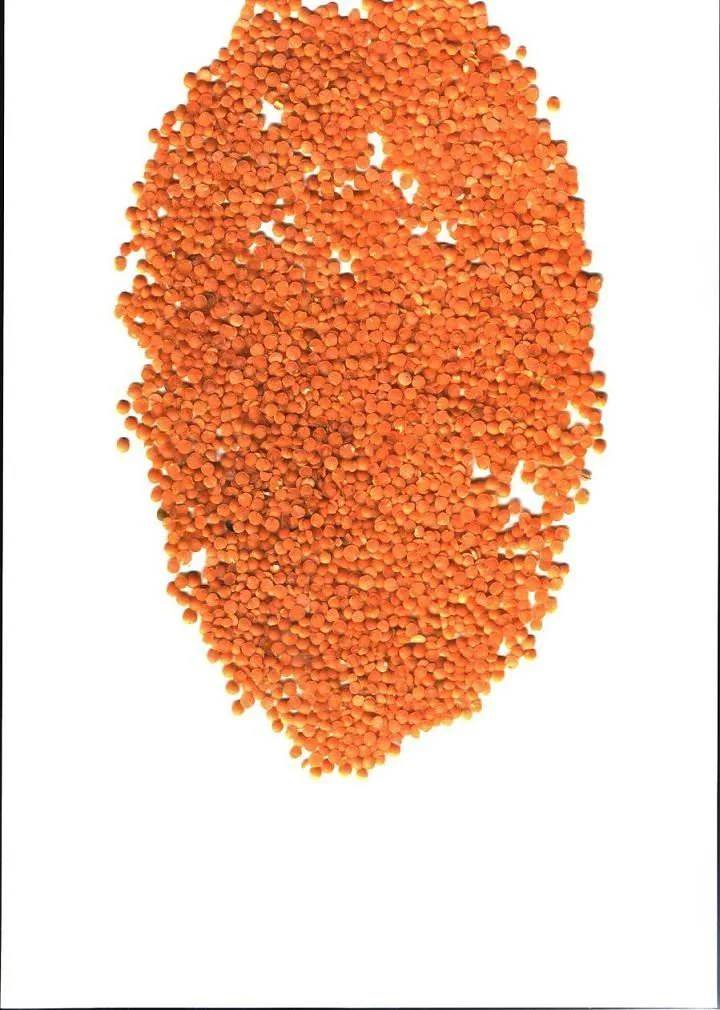
Red lentils, known as Masoor, are small, lens-shaped legumes that are a staple in many culinary traditions around the world. They are characterized by their reddish-orange color and quick cooking time. Red lentils are popular for their mild flavor and ability to blend well into various dishes. They are often sold in both whole and split forms, with the split red lentils cooking faster and being commonly used in soups and stews.
In the industrial sector, red lentils serve multiple purposes. They are used primarily in food manufacturing, catering, and meal preparation. Their high protein content and health benefits make them a favored ingredient in vegetarian and vegan products. As the demand for plant-based proteins rises, red lentils gain more relevance in the marketplace, appealing to health-conscious consumers and food producers alike.
𝗞𝗲𝘆 𝗙𝗲𝗮𝘁𝘂𝗿𝗲𝘀 𝗮𝗻𝗱 𝗦𝗽𝗲𝗰𝗶𝗳𝗶𝗰𝗮𝘁𝗶𝗼𝗻𝘀
Red lentils (Masoor) possess a range of features that make them highly desirable for both culinary and industrial applications. Their nutritional profile is rich in protein and fiber, while also being low in fat, which supports health-oriented food products. They are versatile ingredients suitable for various cuisines, making them a valuable asset for food manufacturers.
Key specifications include:
1. Nutritional Content
- High in protein (approximately 25% by weight)
- Rich in dietary fiber (around 10% by weight)
2. Cooking Time
- Whole red lentils: approximately 20-30 minutes
- Split red lentils: approximately 15-20 minutes
3. Color
- Bright reddish-orange hue, visually appealing for culinary presentations
4. Shelf Life
- Typically 12 months when stored in a cool, dry place
5. Moisture Content
- Optimal moisture level below 14% to ensure longevity and quality
6. Origin
- Sourced from various regions, including India, Canada, and Turkey
7. Packaging Options
- Available in bulk packaging as well as retail-ready options
8. Certifications
- CE certification indicating compliance with safety standards
Red lentils offer versatility and nutritional benefits, making them a popular choice for diverse applications.
𝗖𝗼𝗺𝗺𝗼𝗻 𝗔𝗽𝗽𝗹𝗶𝗰𝗮𝘁𝗶𝗼𝗻𝘀 𝗮𝗻𝗱 𝗨𝘀𝗲 𝗖𝗮𝘀𝗲𝘀
Red lentils (Masoor) find extensive use across various industries due to their nutritional benefits and culinary versatility.
1. Food Manufacturing: They are commonly used in the production of soups, sauces, and ready-to-eat meals, providing essential protein and texture.
2. Catering Services: Red lentils are a staple in vegetarian and vegan menus, used in salads, curries, and side dishes.
3. Snack Production: They can be processed into lentil chips and other snack items, appealing to health-conscious consumers.
4. Bakery Products: Some bakeries incorporate red lentils into bread and pastry recipes for added nutrition.
5. Health Foods: They are often included in protein powders and health bars, targeting fitness enthusiasts.
6. Animal Feed: Red lentils can also be used in animal feed formulations, providing a protein source for livestock.
7. Organic Food Products: Due to their health benefits, red lentils are popular in organic food lines, meeting the needs of health-focused consumers.
𝗣𝗿𝗼𝗱𝘂𝗰𝘁 𝗩𝗮𝗿𝗶𝗮𝗻𝘁𝘀 𝗮𝗻𝗱 𝗦𝘂𝗯𝗰𝗮𝘁𝗲𝗴𝗼𝗿𝗶𝗲𝘀
Red lentils (Masoor) come in various forms, catering to different culinary and industrial needs.
Whole Red Lentils: These lentils maintain their shape after cooking and are ideal for dishes where texture is important, such as salads or grain bowls.
Split Red Lentils: This variant cooks quickly and dissolves into a creamy consistency, making them perfect for soups and purees.
Both types can be used interchangeably in many recipes, allowing for flexibility in meal preparation.
𝗕𝗲𝗻𝗲𝗳𝗶𝘁𝘀 𝗮𝗻𝗱 𝗔𝗱𝘃𝗮𝗻𝘁𝗮𝗴𝗲𝘀
Red lentils (Masoor) offer numerous advantages for both consumers and businesses.
1. High Nutritional Value: They provide a significant source of protein and fiber, making them a healthy choice for various diets.
2. Quick Cooking Time: Their fast cooking properties save time in meal preparation, making them ideal for busy kitchens.
3. Versatile Ingredient: They can be used in a wide range of dishes, from soups and stews to salads and snacks.
4. Cost-Effective: Red lentils are generally affordable, providing an economical source of nutrition.
5. Gluten-Free: Being naturally gluten-free, they cater to consumers with dietary restrictions.
6. Environmentally Friendly: Lentils require less water and resources compared to animal protein sources, appealing to sustainable practices.
𝗕𝘂𝘆𝗶𝗻𝗴 𝗚𝘂𝗶𝗱𝗲 𝗳𝗼𝗿 𝗕𝟮𝗕 𝗕𝘂𝘆𝗲𝗿𝘀
When sourcing red lentils (Masoor) for industrial purposes, it is essential to consider several key factors to ensure quality and value.
1. Quality Assessment: Conduct a thorough analysis of lentil quality, focusing on factors such as color, size, and moisture content. High-quality lentils should be free from contaminants and meet industry standards.
2. Supplier Verification: Vet potential suppliers by checking their certifications, reviews, and industry reputation. A reliable supplier will provide consistent quality and timely deliveries.
3. Pricing and MOQ: Evaluate pricing structures and minimum order quantities. Compare offers from multiple suppliers to find the best value for your needs.
4. Delivery and Lead Times: Discuss logistics with suppliers to understand their delivery capabilities. Ensure they can meet your production schedules with reliable lead times.
5. Compliance Requirements: Verify that suppliers adhere to relevant regulatory standards, including food safety and quality certifications. This is crucial for maintaining product integrity and meeting customer expectations.
𝗖𝗼𝗺𝗽𝗹𝗶𝗮𝗻𝗰𝗲 𝗮𝗻𝗱 𝗖𝗲𝗿𝘁𝗶𝗳𝗶𝗰𝗮𝘁𝗶𝗼𝗻𝘀
Red lentils (Masoor) must meet specific quality standards and certifications to ensure safety and compliance in the food industry. ISO 9001 certification guarantees that the production processes adhere to international quality management standards. Additionally, HACCP (Hazard Analysis Critical Control Point) principles are vital for identifying and managing food safety risks throughout the supply chain.
CE certification is essential for products sold within European markets, indicating compliance with health, safety, and environmental protection standards. Safety testing requirements often include checks for contaminants and proper labeling. Regional compliance considerations may vary, emphasizing the importance of understanding local regulations when sourcing.
Why Source Red Lentils (Masoor) from Pepagora?
Pepagora provides a trusted platform for sourcing red lentils (Masoor) with several key advantages.
Verified Supplier Network: Pepagora connects buyers with verified suppliers who have undergone thorough vetting. This ensures that buyers can rely on the quality and consistency of the lentils sourced.
Streamlined RFQ Process: The request for quotation (RFQ) process at Pepagora is designed for efficiency. Buyers can easily submit their requirements and receive competitive quotes from multiple suppliers, simplifying the procurement process.
Trade Assurance and Support: Pepagora offers trade assurance to protect buyers throughout the transaction. This includes support for resolving disputes and ensuring that all agreements are honored.
Regional Coverage: With a strong presence in India, the GCC, and Southeast Asia, Pepagora facilitates international trade. This broad geographic reach allows buyers to access a variety of suppliers and products tailored to their specific needs.
Newly Added



Recently Added
Laxmi Protein Products Pvt Ltd
Premium Moong Dal For Buyers High Quality Reliable Supply
Organic Toor Dal Food Grade, Pesticide Free, Long Shelf Life
Premium Masoor Dal High Protein Food Grade Long Shelf Life
AASHRAY INCORPORATION
Premium Stemless Dried Red Chillies For Food Manufacturing
Premium Indian Red Chillies For Food Manufacturing And Spice Blending
Fine Grade Desiccated Coconut Flakes Under 1.7mm
DAL CENTER
Premium Basmati Rice Long Grain Aromatic Non Sticky
Premium Black Salt High Purity For Food Manufacturing Health Products
Packaging Premium Brown Paper Durable Eco Friendly
Spectrum Industries
Fully Automatic Gravity Separator For Food Grains 0.75 1 TPH Capacity
Seed Processing Vibro Cleaner Fully Automatic 1.5 Ton/Hour Capacity
Vibro Grader For Dry Nuts And Grains Fully Automatic High Capacity
Why Businesses Trust Pepagora
Thousands of companies trust Pepagora to source smarter and sell faster
Expand Your Sales Globally
25000+Products listed.Get discovered by global buyers
Tools to boost visibility
Build your own catalog

Source Smarter,Grow Faster
4000+Active RFQs
100+ Countries served
Easy Sourcing Tools
