
 IN
INundefined
Reboilers & Condensers
7 products available
𝗪𝗵𝗮𝘁 𝗮𝗿𝗲 𝗥𝗲𝗯𝗼𝗶𝗹𝗲𝗿𝘀 & 𝗖𝗼𝗻𝗱𝗲𝗻𝘀𝗲𝗿𝘀?
Reboilers and condensers are essential components in thermal and chemical processes, primarily used in distillation and heat exchange applications. A reboiler is a type of heat exchanger that provides the necessary heat to maintain a liquid in a boiling state, facilitating the separation of components in a mixture. Conversely, a condenser is designed to dissipate heat from vaporized substances, converting them back into liquid form. Both devices play a critical role in optimizing thermal efficiency and ensuring effective material recovery in industrial operations.
These devices are widely utilized across various industries, including oil and gas, chemical manufacturing, food processing, and pharmaceuticals. In oil refineries, reboilers assist in the separation of crude oil components, while condensers play a pivotal role in heat recovery processes. Their ability to enhance energy efficiency and improve product yield makes them indispensable in the manufacturing landscape, where operational efficiency is paramount.
The relevance of reboilers and condensers in the industrial sector cannot be overstated. As energy costs rise and regulatory pressures increase, businesses are seeking ways to reduce operational expenses and minimize environmental impact. The demand for high-performance heat exchangers that can withstand extreme conditions and operate efficiently is growing, creating opportunities for manufacturers and suppliers in this market.
𝗞𝗲𝘆 𝗙𝗲𝗮𝘁𝘂𝗿𝗲𝘀 𝗮𝗻𝗱 𝗦𝗽𝗲𝗰𝗶𝗳𝗶𝗰𝗮𝘁𝗶𝗼𝗻𝘀
Reboilers and condensers are engineered with various features that enhance their performance and reliability. Understanding these specifications is crucial for businesses looking to invest in these critical components.
Key specifications include:
1. Material Construction
- Common materials include stainless steel, carbon steel, and specialized alloys
- Resistance to corrosion and high temperatures is essential
2. Heat Transfer Efficiency
- Efficiency ratings often depend on design and surface area
- Higher efficiency leads to reduced energy consumption
3. Operating Pressure
- Designed for varying pressure ranges depending on application
- Essential to select units that meet specific operational needs
4. Capacity
- Defined by the amount of heat exchanged or processed per hour
- Varies based on the scale of industrial applications
5. Temperature Range
- Capable of operating in specific temperature ranges (data not available)
- Critical for maintaining process integrity
6. Design Type
- Includes vertical, horizontal, and modular designs
- Choice depends on space availability and installation requirements
7. Maintenance Requirements
- Ease of access for cleaning and inspection is vital
- Regular maintenance schedules can enhance lifespan
8. Compliance Standards
- Must meet industry-specific standards and regulations
- Ensures safety and performance reliability
In summary, selecting the right reboiler or condenser involves evaluating these key features and specifications to match the specific needs of your industrial process.
𝗖𝗼𝗺𝗺𝗼𝗻 𝗔𝗽𝗽𝗹𝗶𝗰𝗮𝘁𝗶𝗼𝗻𝘀 𝗮𝗻𝗱 𝗨𝘀𝗲 𝗖𝗮𝘀𝗲𝘀
Reboilers and condensers find utility across a variety of sectors, each with unique applications that leverage their capabilities.
1. Oil and Gas: In this sector, reboilers assist in the fractionation of crude oil into various hydrocarbon components, while condensers ensure efficient recovery of vapors.
2. Chemical Manufacturing: These devices are crucial in chemical plants for distillation processes, helping to separate products and recycle solvents.
3. Food Processing: In food production, reboilers are used for extracting flavors and essences, whereas condensers help in cooling and preserving products.
4. Pharmaceuticals: In the pharmaceutical industry, reboilers and condensers are vital for the production of active ingredients through distillation and crystallization.
5. Power Generation: Reboilers are employed in waste heat recovery systems, while condensers play a role in steam cycle efficiency, improving overall energy output.
6. Refrigeration: In refrigeration systems, condensers are critical for rejecting heat from refrigerants, ensuring efficient cooling cycles.
7. Water Treatment: Reboilers are used in evaporation processes, while condensers aid in the condensation of steam for water recovery.
𝗣𝗿𝗼𝗱𝘂𝗰𝘁 𝗩𝗮𝗿𝗶𝗮𝗻𝘁𝘀 𝗮𝗻𝗱 𝗦𝘂𝗯𝗰𝗮𝘁𝗲𝗴𝗼𝗿𝗶𝗲𝘀
Reboilers and condensers are available in various designs and configurations to suit different industrial needs. Each variant offers distinct features and applications that cater to specific requirements.
Shell and Tube Reboilers
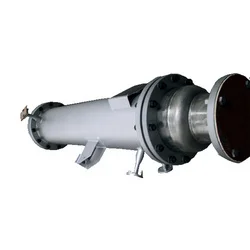
This variant consists of a series of tubes enclosed within a shell, providing high heat transfer efficiency and ease of maintenance. They are widely used in chemical processes where space is limited.
Plate Heat Exchangers
These reboilers and condensers feature a compact design with plates that enhance heat transfer. They are ideal for applications requiring high efficiency and low footprint.
Air-Cooled Condensers
Designed for outdoor applications, these condensers use ambient air to cool and condense vapors. They are commonly found in refrigeration and HVAC systems.
Double-Pipe Heat Exchangers
This design consists of one pipe inside another, providing a simple and cost-effective solution for heat exchange. They are suitable for low-capacity applications.
Spiral Heat Exchangers
These units offer a compact design with a spiral flow path for enhanced heat transfer. They are effective in handling viscous fluids and are used in various industries.
𝗕𝗲𝗻𝗲𝗳𝗶𝘁𝘀 𝗮𝗻𝗱 𝗔𝗱𝘃𝗮𝗻𝘁𝗮𝗴𝗲𝘀
Investing in reboilers and condensers offers numerous advantages that can lead to improved operational efficiency.
Key benefits include:
1. Enhanced Energy Efficiency: These devices optimize heat transfer, reducing energy consumption and operational costs.
2. Improved Product Recovery: By efficiently separating components, reboilers and condensers maximize yield and minimize waste.
3. Versatile Applications: Their adaptability allows for use across a wide range of industries, making them valuable assets.
4. Reduced Environmental Impact: Efficient heat exchange minimizes emissions and energy usage, supporting sustainability initiatives.
5. Customization Options: Many manufacturers offer tailored solutions to meet specific process requirements, enhancing performance.
6. Durability: High-quality materials and construction ensure that reboilers and condensers withstand harsh operating conditions, extending their lifespan.
𝗕𝘂𝘆𝗶𝗻𝗴 𝗚𝘂𝗶𝗱𝗲 𝗳𝗼𝗿 𝗕𝟮𝗕 𝗕𝘂𝘆𝗲𝗿𝘀
When sourcing reboilers and condensers, it is essential to consider several factors to ensure a successful purchase.
1. Quality Assessment: Evaluate the materials and construction quality to ensure longevity and performance. Look for reputable manufacturers with proven track records.
2. Supplier Verification: Vet suppliers by checking their certifications, customer reviews, and industry experience. A reliable supplier will offer support and service.
3. Pricing and MOQ: Understand the price range and minimum order quantities to align with budget constraints. Compare quotes from multiple suppliers for the best deal.
4. Delivery and Lead Times: Confirm delivery schedules and lead times to avoid disruptions in your operations. Timely delivery is crucial for maintaining production schedules.
5. Compliance Requirements: Ensure that the products meet necessary regulatory standards and certifications for your industry. Compliance is essential for safety and reliability.
𝗖𝗼𝗺𝗽𝗹𝗶𝗮𝗻𝗰𝗲 𝗮𝗻𝗱 𝗖𝗲𝗿𝘁𝗶𝗳𝗶𝗰𝗮𝘁𝗶𝗼𝗻𝘀
Reboilers and condensers must adhere to various compliance standards and certifications to ensure safety and effectiveness in industrial applications. Key quality standards include ISO 9001, which focuses on quality management systems, and HACCP, which emphasizes food safety protocols. Compliance with Good Distribution Practice (GDP) is also critical for ensuring that products are stored and transported under controlled conditions.
Additionally, industry-specific certifications such as CE mark indicate that products meet European Union safety and performance standards. These certifications enhance product credibility and assure buyers of their reliability. Safety and testing requirements are vital in mitigating risks associated with high-pressure and high-temperature operations.
Regional considerations also play a role in compliance, as different markets may have unique regulatory frameworks. Understanding these requirements is essential for manufacturers and suppliers to ensure that their products meet local laws and standards.
𝗪𝗵𝘆 𝗦𝗼𝘂𝗿𝗰𝗲 𝗥𝗲𝗯𝗼𝗶𝗹𝗲𝗿𝘀 & 𝗖𝗼𝗻𝗱𝗲𝗻𝘀𝗲𝗿𝘀 𝗳𝗿𝗼𝗺 𝗣𝗲𝗽𝗮𝗴𝗼𝗿𝗮?
Pepagora provides a trusted platform for sourcing reboilers and condensers, offering a range of key advantages.
Verified Supplier Network: Pepagora connects buyers with a robust network of verified suppliers, ensuring that you source high-quality products from reputable manufacturers. This network reduces the risk of substandard purchases.
Streamlined RFQ Process: The platform offers a simplified Request for Quotation (RFQ) process, allowing businesses to receive competitive quotes quickly. This efficiency helps in making informed purchasing decisions.
Trade Assurance and Support: With trade assurance policies, Pepagora provides buyers with protection against non-delivery and quality issues. This support enhances buyer confidence and reduces procurement risks.
Regional Coverage: Pepagora's extensive reach across India, the Gulf Cooperation Council (GCC) countries, and Southeast Asia ensures that businesses can find the right products and suppliers tailored to their regional needs. This geographic coverage facilitates smoother transactions and logistics.
In conclusion, Pepagora stands out as a reliable partner for sourcing reboilers and condensers, delivering quality, efficiency, and support to meet the diverse needs of industrial buyers.
Newly Added



Recently Added
Vidhyut Steel Tube Industries Pvt Ltd
Premium CDS Steel Tubes For Automotive And Industrial Applications
CEW Steel Tubes Cold Drawn ERW Multiple Grades Profiles
Custom Shaped Steel Tubes: Precision Engineered Strength & Corrosion Resistance
Arizona Tech- Zeal
Industrial Compressor Non Metallic Valve Plates High Strength Temperature Resistant
Industrial Hydraulic Seals High Pressure Leak Free Durable
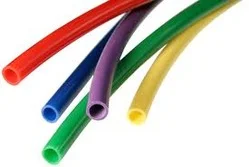
Industrial PTFE Tubing For Chemical Resistance And Thermal Stability
Askib Engineers Private Limited
Industrial Brinell Microscope 25X Magnification 0.01mm LC NABL Certified
NABL Certified Rubber Bellows for Hardness Testers 8 Inch 12 Inch
NABL Certified Steel Ball Indentors For Rockwell Brinell Hardness Testers
Bhagyoday Engineering Works
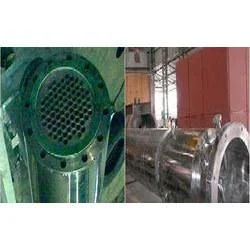
Industrial Reboilers For Distillation Columns High Performance Heat Exchangers
Industrial MS Fabrication Services For Structural Frameworks And Roofing
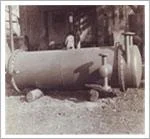
Industrial Copper Column Tanks For Distillation Processes
Anurag Moulding Private Limited
Precision Plastic Moulded Components For Automotive Medical Industrial
Premium Piston Seals For Hydraulic And Pneumatic Systems
Industrial Silicone O Rings High Temperature Sealing Hydraulics Pneumatics
GARG PROCESS GLASS INDIA PVT LTD
Industrial Glass Flask Receivers Spherical Cylindrical 5 500L
Premium Jacketed Flasks For Precise Temperature Control In Labs And Industry
Industrial Glass Vessels Spherical Cylindrical 5 500L
Devchand Engineers Private Limited
Industrial KO Kneader Casing 300mm ID x 2000mm Hastelloy C
Industrial Hydrofluoric Acid Storage Tank 60m Carbon Steel ASME
Industrial Hot Air Blower Impeller SS 310 1175mm 45000 m/hr 500C
Padmavati Fabrications
Falling Film Evaporator For Heat Sensitive Liquids In Food Chemical Pharmaceutical
Industrial Hydrogenators For Textile Processing Durable Efficient
Industrial Stainless Steel Condensers And Columns For Heat Transfer
Why Businesses Trust Pepagora
Thousands of companies trust Pepagora to source smarter and sell faster
Expand Your Sales Globally
25000+Products listed.Get discovered by global buyers
Tools to boost visibility
Build your own catalog

Source Smarter,Grow Faster
4000+Active RFQs
100+ Countries served
Easy Sourcing Tools
