
 IN
INundefined
Rebar & Steel Rods
2 products available
𝗪𝗵𝗮𝘁 𝗮𝗿𝗲 𝗥𝗲𝗯𝗮𝗿 & 𝗦𝘁𝗲𝗲𝗹 𝗥𝗼𝗱𝘀?
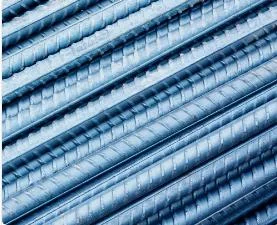
Rebar, or reinforcing bar, is a steel bar used in concrete construction to enhance tensile strength. It is typically made from carbon steel and is designed with ribs or surface deformations to improve adhesion to concrete. Steel rods, which may serve various structural purposes, can vary in diameter, length, and grade, depending on their application. Both products are essential in the construction and civil engineering sectors.
The primary use of rebar and steel rods is in concrete reinforcement, where they provide additional strength to structures such as bridges, buildings, and foundations. They are also utilized in various precast concrete products. The construction industry heavily relies on these materials to ensure the durability and longevity of structures. As urbanization and infrastructure development continue to grow globally, the demand for rebar and steel rods remains high, making them vital components in the construction supply chain.
𝗞𝗲𝘆 𝗙𝗲𝗮𝘁𝘂𝗿𝗲𝘀 𝗮𝗻𝗱 𝗦𝗽𝗲𝗰𝗶𝗳𝗶𝗰𝗮𝘁𝗶𝗼𝗻𝘀
Rebar and steel rods come with distinct features and specifications that cater to various construction needs. Understanding these specifications can help buyers make informed choices.
Key specifications include:
1. Material Grade
- Rebar is commonly available in grades such as Grade 40, Grade 60, and Grade 75.
- The grade indicates the yield strength of the steel, which can influence its application in construction.
2. Diameter
- Rebar and steel rods typically range in diameter from 6 mm to 40 mm.
- The diameter chosen affects the load-bearing capacity and flexibility of the structure.
3. Length
- Standard lengths for rebar and steel rods vary, usually ranging from 6 to 12 meters.
- Custom lengths may also be available based on project requirements.
4. Surface Condition
- Rebar can have a plain or deformed surface.
- Deformed bars enhance bonding with concrete.
5. Coating
- Rebar may be available with protective coatings such as epoxy or galvanization.
- Coatings improve corrosion resistance, making them suitable for harsh environments.
6. Compliance Standards
- Rebar and steel rods must meet standards such as ASTM A615 and A706.
- Compliance ensures quality and safety in structural applications.
7. Tensile Strength
- The tensile strength of rebar typically ranges from 400 MPa to 600 MPa.
- Higher tensile strength provides better performance under stress.
8. Availability of Customization
- Many suppliers offer customization options for diameter, length, and coatings.
- Custom solutions can meet specific engineering requirements.
In summary, rebar and steel rods are characterized by their material grade, diameter, length, surface condition, coating, compliance standards, tensile strength, and customization options. Understanding these features is crucial for selecting the right products for construction projects.
𝗖𝗼𝗺𝗺𝗼𝗻 𝗔𝗽𝗽𝗹𝗶𝗰𝗮𝘁𝗶𝗼𝗻𝘀 𝗮𝗻𝗱 𝗨𝘀𝗲 𝗖𝗮𝘀𝗲𝘀
Rebar and steel rods serve a wide array of industries due to their structural integrity and versatility.
1. Construction: In residential and commercial buildings, rebar is used in foundations, slabs, and walls to provide the necessary support against tensile forces.
2. Infrastructure: Bridges and highways use rebar for reinforcement in concrete, allowing them to withstand heavy traffic loads and environmental stressors.
3. Precast Concrete: Many precast elements, such as wall panels and beams, incorporate rebar to enhance their strength and durability during installation.
4. Industrial Facilities: Factories and warehouses utilize rebar in flooring and support structures to ensure safety and stability under heavy machinery.
5. Energy Sector: Wind turbine bases and other renewable energy installations often require robust reinforcement with rebar to endure harsh weather conditions.
6. Marine Applications: Rebar is vital in constructing docks and seawalls, where resistance to corrosion from saltwater is critical.
7. Mining: In underground mining operations, steel rods are used for stabilizing tunnels and shafts, ensuring safety for workers.
𝗣𝗿𝗼𝗱𝘂𝗰𝘁 𝗩𝗮𝗿𝗶𝗮𝗻𝘁𝘀 𝗮𝗻𝗱 𝗦𝘂𝗯𝗰𝗮𝘁𝗲𝗴𝗼𝗿𝗶𝗲𝘀
Rebar and steel rods are available in various forms to cater to specific application needs.
Reinforcing Steel Bar
This variant is designed specifically for use in concrete reinforcement. It features surface deformations that improve bonding with concrete, making it ideal for structural applications.
Mild Steel Rods
These rods are typically used for non-structural applications. They offer flexibility and are often employed in general fabrication and construction tasks.
High-Strength Steel Rods
These rods provide increased tensile strength and are suited for demanding applications such as high-rise buildings and heavy civil engineering projects.
𝗕𝗲𝗻𝗲𝗳𝗶𝘁𝘀 𝗮𝗻𝗱 𝗔𝗱𝘃𝗮𝗻𝘁𝗮𝗴𝗲𝘀
Choosing rebar and steel rods offers numerous benefits for construction projects.
1. Enhanced Strength: Rebar provides increased tensile strength to concrete, allowing for safer and more durable structures.
2. Cost-Effectiveness: Using these materials can lead to lower overall construction costs due to reduced material use while maintaining structural integrity.
3. Versatility: Rebar and steel rods are adaptable to various construction methods and designs, making them suitable for diverse projects.
4. Longevity: High-quality steel rods resist corrosion and wear, contributing to the longevity of the structures.
5. Compliance with Standards: Quality assurance through compliance with industry standards ensures reliability and safety in construction.
6. Availability: Rebar and steel rods are widely available, allowing for easy sourcing and procurement for projects of any scale.
𝗕𝘂𝘆𝗶𝗻𝗴 𝗚𝘂𝗶𝗱𝗲 𝗳𝗼𝗿 𝗕𝟮𝗕 𝗕𝘂𝘆𝗲𝗿𝘀
When sourcing rebar and steel rods, several factors should be considered to ensure the best purchase decision.
1. Quality Assessment: Evaluate the quality of materials based on industry standards. Look for certifications and ensure the product meets specific strength and durability criteria.
2. Supplier Verification: Vet suppliers to confirm their reliability and reputation in the market. Check for past performance and customer feedback to ensure they can meet your project requirements.
3. Pricing and MOQ: Understand the pricing structure and minimum order quantities. Compare different suppliers to find the best value without compromising quality.
4. Delivery and Lead Times: Confirm delivery schedules and lead times. Timely delivery is critical to keep construction projects on track.
5. Compliance Requirements: Ensure that the products comply with local regulations and industry standards. This will help avoid potential legal issues and ensure safety.
𝗖𝗼𝗺𝗽𝗹𝗶𝗮𝗻𝗰𝗲 𝗮𝗻𝗱 𝗖𝗲𝗿𝘁𝗶𝗳𝗶𝗰𝗮𝘁𝗶𝗼𝗻𝘀
Rebar and steel rods must adhere to various quality standards and certifications to ensure their suitability for construction use.
Relevant standards such as ISO 9001 guarantee that the manufacturing processes meet international quality management principles. Additionally, compliance with ASTM specifications, particularly A615 and A706, ensures that the materials fulfill mechanical property requirements.
Industry certifications such as CE mark indicate that the products comply with European safety standards. This certification is crucial for projects requiring adherence to strict quality regulations.
Safety and testing requirements also play a significant role in the production of rebar and steel rods. These materials undergo rigorous testing for tensile strength, ductility, and corrosion resistance before being released to the market.
Regional compliance considerations may vary, so it’s essential to be aware of local building codes and standards that apply to rebar and steel rod usage in construction projects.
𝗪𝗵𝘆 𝗦𝗼𝘂𝗿𝗰𝗲 𝗥𝗲𝗯𝗮𝗿 & 𝗦𝘁𝗲𝗲𝗹 𝗥𝗼𝗱𝘀 𝗳𝗿𝗼𝗺 𝗣𝗲𝗽𝗮𝗴𝗼𝗿𝗮?
Pepagora is a trusted platform for sourcing rebar and steel rods, offering several key advantages that benefit B2B buyers.
Verified Supplier Network: Pepagora provides access to a network of verified suppliers, ensuring that buyers can source high-quality materials with confidence. Each supplier undergoes a thorough vetting process to guarantee reliability.
Streamlined RFQ Process: The Request for Quotation (RFQ) process on Pepagora is designed for efficiency, allowing buyers to quickly obtain quotations from multiple suppliers. This saves time and helps in making informed purchasing decisions.
Trade Assurance and Support: Buyers enjoy protection through trade assurance, which safeguards their transactions. Pepagora also offers customer support to assist buyers throughout the sourcing process.
Regional Coverage: With a strong presence in India, the GCC, and Southeast Asia, Pepagora facilitates sourcing across multiple regions. This broad geographic reach ensures that buyers can find suitable suppliers that meet their specific needs and standards.
Newly Added



Recently Added
Arc Insulations & Insulators Pvt Ltd
Industrial FRP I Beams For Platforms Walkways Structural Supports
Transformer Coil Winding Epoxy Dog Bones Insulation Mechanical Strength
Industrial FRP Handrail Systems OSHA AS1657 Compliant, Corrosion Resistant
Balaji Sales Corporation
Industrial PVC 90 Elbow Hydraulic Pipe Fitting For Fluid Direction
PVC Pipe Tee Fittings 1/2 to 3 Inch for Plumbing Hydraulic Systems
JK White Cement 50 Kg Bag For Construction, Tile Fixing & Architectural Finishes
Why Businesses Trust Pepagora
Thousands of companies trust Pepagora to source smarter and sell faster
Expand Your Sales Globally
25000+Products listed.Get discovered by global buyers
Tools to boost visibility
Build your own catalog

Source Smarter,Grow Faster
4000+Active RFQs
100+ Countries served
Easy Sourcing Tools
