
 IN
INundefined
Rapier Looms
1 products available
𝗪𝗵𝗮𝘁 𝗮𝗿𝗲 𝗥𝗮𝗽𝗶𝗲𝗿 𝗟𝗼𝗼𝗺𝘀?
Rapier looms are advanced textile weaving machines designed to produce a wide variety of woven fabrics. They utilize a rapier mechanism to insert the weft yarn across the warp threads, allowing for the creation of complex patterns and high-quality fabrics. This technology stands out due to its efficiency and versatility, making it a preferred choice for modern textile manufacturing.
These looms are primarily used in industries such as apparel, upholstery, and technical textiles. They enable manufacturers to produce a broad range of products, from lightweight fabrics to heavy-duty materials. The ability to weave multiple yarn types and patterns makes rapier looms suitable for both high-volume production and specialized textile applications. As the demand for customized fabrics continues to grow, the relevance of rapier looms in the textile market is undeniable.
In the current industrial landscape, rapier looms play a crucial role in enhancing productivity and meeting diverse customer requirements. Their incorporation into factories aids in achieving faster turnaround times and improved fabric quality, making them a valuable asset for businesses looking to stay competitive in the textile sector.
𝗞𝗲𝘆 𝗙𝗲𝗮𝘁𝘂𝗿𝗲𝘀 𝗮𝗻𝗱 𝗦𝗽𝗲𝗰𝗶𝗳𝗶𝗰𝗮𝘁𝗶𝗼𝗻𝘀
Rapier looms come equipped with various features that enhance their performance and usability. Understanding the specifications is essential for businesses looking to invest in these machines.
Key specifications include:
1. Weaving Width
- The maximum width of fabric that can be woven.
- Typically ranges from 150 cm to 400 cm.
2. Speed
- The operational speed at which the loom can weave fabric.
- Generally falls between 300 to 1200 picks per minute.
3. Number of Harnesses
- Indicates the number of warp threads that can be controlled.
- Commonly between 4 to 16 harnesses depending on the complexity of the fabric.
4. Rapier Insertion System
- Type of mechanism used for weft insertion.
- Options include single or double rapier systems.
5. Control System
- Type of automation and control systems integrated.
- Can be electronic or mechanical, affecting user interface and precision.
6. Fabric Types
- Versatility in fabric types that can be produced.
- Suitable for woven fabrics, such as cotton, polyester, silk, and blended materials.
7. Energy Efficiency
- Measures the energy consumption of the loom during operation.
- Modern looms are designed to minimize energy use while maximizing output.
8. Maintenance Requirements
- Frequency and type of maintenance needed for optimal performance.
- Typically requires regular lubrication and periodic inspections.
In summary, understanding these key specifications helps businesses select the right rapier loom for their production needs, ensuring efficiency and quality in textile manufacturing.
𝗖𝗼𝗺𝗺𝗼𝗻 𝗔𝗽𝗽𝗹𝗶𝗰𝗮𝘁𝗶𝗼𝗻𝘀 𝗮𝗻𝗱 𝗨𝘀𝗲 𝗖𝗮𝘀𝗲𝘀
Rapier looms are utilized across a wide range of industries, providing flexibility in fabric production.
1. Apparel Industry: Rapier looms are extensively used to produce fabrics for clothing, ranging from casual wear to high-end fashion. Their ability to handle various yarn types allows for innovative designs and patterns.
2. Upholstery: In the furniture sector, these looms create durable and aesthetically pleasing fabrics for sofas, chairs, and other furnishings, meeting both functional and decorative needs.
3. Technical Textiles: Industries such as automotive and aerospace use rapier looms to manufacture specialized fabrics that require specific performance characteristics, such as strength, fire resistance, and lightweight properties.
4. Home Textiles: Bedding, curtains, and carpets are produced using rapier looms, allowing for a wide variety of textures and designs to meet consumer demands.
5. Industrial Fabrics: These looms are also suited for manufacturing heavy-duty fabrics used in tarpaulins, tents, and other industrial applications, providing durability and reliability.
6. Medical Textiles: In the healthcare sector, rapier looms produce fabrics for medical gowns, bandages, and other applications that require stringent quality standards.
7. Sportswear: The ability to create breathable and stretchable fabrics makes rapier looms ideal for manufacturing sportswear, enhancing performance and comfort.
𝗣𝗿𝗼𝗱𝘂𝗰𝘁 𝗩𝗮𝗿𝗶𝗮𝗻𝘁𝘀 𝗮𝗻𝗱 𝗦𝘂𝗯𝗰𝗮𝘁𝗲𝗴𝗼𝗿𝗶𝗲𝘀
While specific subcategories of rapier looms are not available, the diversity of these machines allows for various configurations and adaptations to meet different production needs.
Standard Rapier Loom
This variant is designed for general textile production, featuring a robust design for high-volume output. It is suitable for weaving a wide range of fabrics and is equipped with advanced automation features.
High-Speed Rapier Loom
This variant focuses on maximizing speed and efficiency. It is ideal for manufacturers requiring rapid production cycles without compromising fabric quality, making it a popular choice in competitive markets.
Compact Rapier Loom
Designed for smaller production facilities, this variant offers a space-saving solution without sacrificing performance. It is particularly beneficial for businesses focusing on niche markets or custom fabrics.
𝗕𝗲𝗻𝗲𝗳𝗶𝘁𝘀 𝗮𝗻𝗱 𝗔𝗱𝘃𝗮𝗻𝘁𝗮𝗴𝗲𝘀
Investing in rapier looms provides numerous benefits for textile manufacturers.
1. Enhanced Fabric Quality: The precision of rapier looms ensures high-quality fabric production with fewer defects, leading to improved end products.
2. Versatility: These looms can handle a wide variety of yarn types and fabric patterns, allowing manufacturers to diversify their product offerings.
3. Increased Productivity: High weaving speeds and efficient automation contribute to faster production times, helping businesses meet market demands.
4. Cost-Effectiveness: The durability and efficiency of rapier looms reduce operational costs over time, providing a good return on investment.
5. Adaptive Technology: With advancements in control systems, rapier looms can easily adapt to changing production requirements and market trends.
6. User-Friendly Operation: Modern rapier looms often come equipped with intuitive interfaces, making it easier for operators to manage and maintain the machines.
𝗕𝘂𝘆𝗶𝗻𝗴 𝗚𝘂𝗶𝗱𝗲 𝗳𝗼𝗿 𝗕𝟮𝗕 𝗕𝘂𝘆𝗲𝗿𝘀
When sourcing rapier looms, there are several important factors to consider.
1. Quality Assessment: Evaluate the manufacturing quality of the looms by checking certifications, customer reviews, and performance records to ensure reliability.
2. Supplier Verification: It's crucial to vet suppliers by examining their reputation, history in the market, and customer feedback to ensure they provide high-quality machines.
3. Pricing and MOQ: Understand the pricing structures and minimum order quantities (MOQ) required by suppliers to facilitate budget planning and procurement strategies.
4. Delivery and Lead Times: Discuss logistics and delivery timelines with suppliers to ensure that production schedules align with your operational needs.
5. Compliance Requirements: Verify that the looms meet relevant industry standards and regulations, including safety and environmental considerations, to ensure compliance.
𝗖𝗼𝗺𝗽𝗹𝗶𝗮𝗻𝗰𝗲 𝗮𝗻𝗱 𝗖𝗲𝗿𝘁𝗶𝗳𝗶𝗰𝗮𝘁𝗶𝗼𝗻𝘀
Rapier looms are subject to various quality standards and certifications that ensure their reliability and safety in manufacturing environments. Key standards include ISO 9001, which outlines the requirements for a quality management system, helping manufacturers deliver consistent products and services.
Additionally, compliance with CE certification indicates that the looms meet European safety, health, and environmental protection legislation, providing assurance to buyers regarding product safety and quality.
Safety and testing requirements involve thorough evaluations to ensure that the looms operate safely in industrial settings. Manufacturers should also consider regional compliance regulations, which may vary based on location, to avoid legal issues and ensure market access.
𝗪𝗵𝘆 𝗦𝗼𝘂𝗿𝗰𝗲 𝗥𝗮𝗽𝗶𝗲𝗿 𝗟𝗼𝗼𝗺𝘀 𝗳𝗿𝗼𝗺 𝗣𝗲𝗽𝗮𝗴𝗼𝗿𝗮?
Pepagora offers a trusted platform for sourcing rapier looms, providing several key advantages to businesses in need of these machines.
Verified Supplier Network: Pepagora has a robust network of verified suppliers, ensuring that buyers have access to high-quality products from reputable manufacturers. This reduces the risk associated with sourcing machinery.
Streamlined RFQ Process: The platform simplifies the request for quotation (RFQ) process, making it easier for buyers to obtain competitive pricing and specifications quickly. This efficiency can significantly enhance procurement timelines.
Trade Assurance and Support: Pepagora provides trade assurance to protect buyers during transactions. With dedicated support, customers can navigate any issues that arise confidently, ensuring a smooth purchasing experience.
Regional Coverage: With a focus on markets in India, GCC, and Southeast Asia, Pepagora offers extensive regional coverage, making it easier for businesses in these areas to find tailored solutions for their textile production needs.


Recently Added
Premier Looms Manufacturers Pvt Ltd
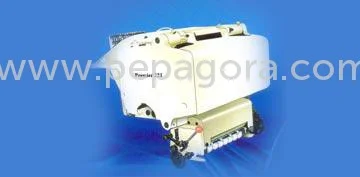
Rapier Loom For Fashion Fabrics 190cm Read Space 381cm Length
Super High Speed Jacquard Loom 600rpm Servo Motor Energy Saving
Terry Towel Rapier Loom For Premium Cotton Towel Weaving
Why Businesses Trust Pepagora
Thousands of companies trust Pepagora to source smarter and sell faster
Expand Your Sales Globally
25000+Products listed.Get discovered by global buyers
Tools to boost visibility
Build your own catalog

Source Smarter,Grow Faster
4000+Active RFQs
100+ Countries served
Easy Sourcing Tools
