
 IN
INundefined
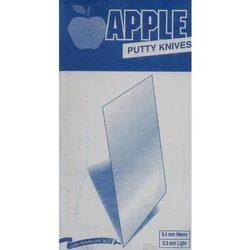
Putty Knives
1 products available
𝗪𝗵𝗮𝘁 𝗮𝗿𝗲 𝗣𝘂𝘁𝘁𝘆 𝗞𝗻𝗶𝘃𝗲𝘀?
Putty knives are essential hand tools widely used in the construction and renovation industries. They are designed primarily for applying, smoothing, and shaping putty, plaster, and other materials. Typically made from metal, plastic, or a combination of both, putty knives feature a flat, flexible blade that allows for precision application and removal of materials. The blade's width can vary, making it suitable for different tasks, from small detailing work to larger surface applications.
The primary uses of putty knives extend beyond simple putty application. They are commonly employed for spreading adhesives, patching drywall, and scraping unwanted materials from surfaces. Contractors, painters, and DIY enthusiasts alike rely on these tools for their versatility and effectiveness in achieving a smooth finish. In the market, putty knives are recognized as indispensable tools that enhance productivity and quality in various applications, making them a staple in both professional and home improvement settings.
The relevance of putty knives in the industry cannot be overstated. As construction and renovation projects continue to thrive globally, the demand for high-quality tools like putty knives remains strong. This market is characterized by a variety of options catering to different user preferences and job requirements, thus driving innovation and improvements in tool design and functionality.
𝗞𝗲𝘆 𝗙𝗲𝗮𝘁𝘂𝗿𝗲𝘀 𝗮𝗻𝗱 𝗦𝗽𝗲𝗰𝗶𝗳𝗶𝗰𝗮𝘁𝗶𝗼𝗻𝘀
Putty knives come with several important features that make them suitable for various applications. Understanding these specifications can help buyers select the right tool for their needs.
Key specifications include:
1. Blade Material
- Typically made from stainless steel or high-carbon steel for durability
- May also feature plastic blades for lightweight applications
2. Blade Width
- Common widths range from 1 inch to 6 inches
- Wider blades are suitable for larger surfaces, while narrower blades allow for precision work
3. Handle Type
- Handles can be made from plastic, wood, or rubber for comfortable grip
- Ergonomic designs are available for extended use
4. Flexibility
- Some knives feature flexible blades for better maneuverability
- Rigid blades offer added strength for tougher applications
5. Edge Type
- Straight edges for smooth applications
- Tapered edges for reaching into tight spaces
6. Weight
- Lightweight options are available for ease of use
- Heavier blades provide more control and stability
7. Rust Resistance
- Stainless steel options resist corrosion for longevity
- Coated blades may provide additional protection
8. Price Range
- Prices vary based on material and brand, typically ranging from budget-friendly to premium options
In summary, selecting the right putty knife requires understanding these features and specifications to ensure compatibility with the intended task.
𝗖𝗼𝗺𝗺𝗼𝗻 𝗔𝗽𝗽𝗹𝗶𝗰𝗮𝘁𝗶𝗼𝗻𝘀 𝗮𝗻𝗱 𝗨𝘀𝗲 𝗖𝗮𝘀𝗲𝘀
Putty knives serve various industries, making them highly versatile tools.
1. Construction: In construction, putty knives are used for drywall finishing and surface preparation. They help in applying joint compound and smoothing surfaces to create a seamless finish.
2. Painting: Painters utilize putty knives to scrape and prepare surfaces before painting. They also assist in filling gaps and cracks, ensuring a smooth paint application.
3. Carpentry: In carpentry, putty knives are essential for applying wood fillers and adhesives. They ensure a clean and precise finish on wood surfaces.
4. Automotive: In the automotive industry, putty knives are used for bodywork and paint repair. They help in smoothing out fillers and preparing surfaces for painting.
5. Home Improvement: DIY enthusiasts rely on putty knives for various tasks around the home, including patching walls and applying caulk.
6. Manufacturing: In manufacturing settings, putty knives are used to apply sealants and adhesives in product assembly.
7. Maintenance: Maintenance professionals use putty knives for scraping and cleaning surfaces, ensuring proper upkeep of equipment and facilities.
𝗣𝗿𝗼𝗱𝘂𝗰𝘁 𝗩𝗮𝗿𝗶𝗮𝗻𝘁𝘀 𝗮𝗻𝗱 𝗦𝘂𝗯𝗰𝗮𝘁𝗲𝗴𝗼𝗿𝗶𝗲𝘀
Putty knives offer a range of variants to meet diverse needs. While specific subcategories are not available, the following variations are commonly found in the market.
Standard Putty Knife
This is the most common variant, featuring a flat blade used for general applications. It is ideal for smoothing surfaces and applying materials evenly.
Taping Knife
This variant is designed with a wider blade, typically 10 inches or more, making it perfect for finishing drywall seams. It helps in achieving a smooth finish over larger areas.
Flexible Putty Knife
Featuring a thinner and more flexible blade, this type is excellent for intricate work. It allows users to reach into tight spots and apply materials with precision.
Scraper Knife
This variant has a sharper edge and is used primarily for removing paint, adhesives, and other materials from surfaces. It is a versatile tool for both preparation and cleanup.
𝗕𝗲𝗻𝗲𝗳𝗶𝘁𝘀 𝗮𝗻𝗱 𝗔𝗱𝘃𝗮𝗻𝘁𝗮𝗴𝗲𝘀
Investing in quality putty knives brings several benefits to end users.
1. Versatility: Putty knives can be used across various applications, making them suitable for multiple industries.
2. Ease of Use: Their ergonomic designs and comfortable handles make them easy to handle for extended periods.
3. Cost-Effectiveness: Quality putty knives provide durability and performance, offering long-term value for businesses.
4. Precision: The different blade widths and flexibility options allow for precise application and finish.
5. Time Efficiency: Using the right putty knife can speed up tasks like drywall finishing and surface preparation, increasing productivity.
6. Improved Finish Quality: A good putty knife ensures smoother surfaces and better adhesion of materials, leading to higher quality outcomes.
𝗕𝘂𝘆𝗶𝗻𝗴 𝗚𝘂𝗶𝗱𝗲 𝗳𝗼𝗿 𝗕𝟮𝗕 𝗕𝘂𝘆𝗲𝗿𝘀
When sourcing putty knives, B2B buyers should consider several key factors to ensure they make informed purchasing decisions.
1. Quality Assessment: Evaluate the materials and construction of the putty knives. Look for durability and performance features that meet industry standards.
2. Supplier Verification: Conduct background checks on suppliers to ensure they have a proven track record in providing quality tools. Request references and reviews where possible.
3. Pricing and MOQ: Understand the pricing structure and minimum order quantities. Compare costs across suppliers to find the best value for your business.
4. Delivery and Lead Times: Discuss logistics with suppliers to determine delivery schedules. Timely delivery is crucial for maintaining project timelines.
5. Compliance Requirements: Ensure that the putty knives meet any necessary industry regulations and standards. This may include certifications such as CE for safety and quality assurance.
𝗖𝗼𝗺𝗽𝗹𝗶𝗮𝗻𝗰𝗲 𝗮𝗻𝗱 𝗖𝗲𝗿𝘁𝗶𝗳𝗶𝗰𝗮𝘁𝗶𝗼𝗻𝘀
Putty knives are subject to various compliance standards and certifications that ensure quality and safety in their production and use. One relevant standard is ISO 9001, which outlines requirements for a quality management system. Adhering to this standard helps manufacturers ensure consistent quality in their products.
Additionally, CE certification is important for putty knives sold in certain markets, particularly in Europe. This certification indicates that the product meets health, safety, and environmental protection standards.
Safety and testing requirements are also critical, as they ensure that putty knives are safe for end users. Compliance with regional regulations can vary, so it is essential to verify that the knives conform to local laws and standards.
𝗪𝗵𝘆 𝗦𝗼𝘂𝗿𝗰𝗲 𝗣𝘂𝘁𝘁𝘆 𝗞𝗻𝗶𝘃𝗲𝘀 𝗳𝗿𝗼𝗺 𝗣𝗲𝗽𝗮𝗴𝗼𝗿𝗮?
Pepagora provides a trusted platform for sourcing putty knives, offering numerous advantages to B2B buyers. One of the key benefits is the verified supplier network, which ensures that buyers are connected with reputable manufacturers and distributors. This reduces the risk associated with sourcing tools from unknown suppliers.
The streamlined RFQ process simplifies obtaining quotations, making it easier for buyers to compare prices and specifications. This efficiency helps businesses make quick and informed purchasing decisions.
Trade assurance and support are also integral to the Pepagora experience. Buyers can feel secure knowing that they have protection throughout the purchasing process, ensuring that their investments are safeguarded.
Lastly, Pepagora's regional coverage extends across India, the GCC, and Southeast Asia, allowing businesses to access high-quality putty knives regardless of their location. This broad geographic reach makes it convenient for buyers to find the tools they need to succeed in their projects.


Recently Added
Iris Exim
Professional Paint Brushes And Putty Knives For Industrial Applications
Industrial Antimicrobial Epoxy Coating For Waterproofing And Chemical Resistance
Industrial Corrosion Control Coatings For Steel And Concrete
Why Businesses Trust Pepagora
Thousands of companies trust Pepagora to source smarter and sell faster
Expand Your Sales Globally
25000+Products listed.Get discovered by global buyers
Tools to boost visibility
Build your own catalog

Source Smarter,Grow Faster
4000+Active RFQs
100+ Countries served
Easy Sourcing Tools
