
 IN
INundefined
Punches & Chisels
1 products available
𝗪𝗵𝗮𝘁 𝗮𝗿𝗲 𝗣𝘂𝗻𝗰𝗵𝗲𝘀 & 𝗖𝗵𝗶𝘀𝗲𝗹𝘀?
Punches and chisels are essential hand tools used for shaping, cutting, or engraving materials such as metal, wood, and stone. Punches are typically used to create holes in materials by applying force, while chisels are designed for cutting or carving through tougher surfaces. Both tools are integral to various trades, including metalworking, woodworking, and masonry, providing precision and control.
These tools are widely used in several business applications. In manufacturing, punches are employed to create holes for fasteners in metal sheets, while chisels are often used for detailed work in woodworking projects. Their versatility allows them to adapt to different tasks, making them vital in workshops and construction sites. The demand for punches and chisels continues to grow as industries strive for efficiency and quality in their production processes.
In the current market, punches and chisels are relevant across numerous sectors, including automotive, aerospace, and construction. As these industries evolve, the need for high-quality, durable hand tools becomes paramount. Businesses look for reliable tools that not only enhance productivity but also ensure safety and compliance with industry standards.
𝗞𝗲𝘆 𝗙𝗲𝗮𝘁𝘂𝗿𝗲𝘀 𝗮𝗻𝗱 𝗦𝗽𝗲𝗰𝗶𝗳𝗶𝗰𝗮𝘁𝗶𝗼𝗻𝘀
Punches and chisels come with a variety of features that enhance their functionality and performance. Understanding these specifications is crucial for selecting the right tools for specific applications.
Key specifications include:
1. Material Composition
- Typically made from high-carbon steel or tool steel for durability and strength.
- Some variants may offer heat-treated options for enhanced performance.
2. Tip Design
- Available in various shapes, such as flat, pointed, or beveled edges, depending on intended use.
- Specific designs cater to different applications, providing versatility.
3. Length and Size
- Punches and chisels come in multiple lengths to accommodate various projects.
- Sizes may vary from small precision tools to larger models for heavy-duty applications.
4. Handle Type
- Ergonomic handles are designed for comfort during prolonged use.
- Some models feature rubber grips for improved control and reduced slippage.
5. Weight
- Weight varies by size and design, affecting user handling and precision.
- Heavier models may be suited for larger tasks, while lighter options are ideal for detailed work.
6. Finish
- Tools may have a polished or coated finish for corrosion resistance and longevity.
- Finish types can impact usability in different environments.
7. Compliance Standards
- Many punches and chisels meet industry standards like CE certification for safety and quality.
- Compliance with specific regulations ensures tools are suitable for professional use.
In summary, the right punches and chisels should match the specific needs of the user and the tasks at hand, ensuring efficiency and safety in various applications.
𝗖𝗼𝗺𝗺𝗼𝗻 𝗔𝗽𝗽𝗹𝗶𝗰𝗮𝘁𝗶𝗼𝗻𝘀 𝗮𝗻𝗱 𝗨𝘀𝗲 𝗖𝗮𝘀𝗲𝘀
Punches and chisels serve diverse industries with unique applications.
1. Metalworking: In metal fabrication, punches are essential for creating holes for rivets and screws. Chisels are used for shaping and trimming metal pieces, allowing for precision in final products.
2. Woodworking: Craftsmen use punches to create holes for dowels or screws in wooden structures. Chisels are fundamental for carving intricate designs, making them vital in furniture making and cabinetry.
3. Construction: In construction projects, punches help in fastening materials together, while chisels are often used to cut and shape masonry or concrete, ensuring structural integrity.
4. Automotive: In the automotive industry, punches are used for hole creation in body panels and components. Chisels are employed in engine repairs and bodywork for precise adjustments and fittings.
5. Arts and Crafts: Artists utilize punches and chisels for detailed work in sculptures and installations, enabling fine craftsmanship in various artistic mediums.
6. Electronics: Punches are used in electronics for creating precise holes in circuit boards, while chisels help in shaping enclosures and casings for electronic devices.
7. Jewelry Making: In jewelry production, punches create holes and designs in metals, while chisels are used for detailed engraving and shaping of pieces.
𝗣𝗿𝗼𝗱𝘂𝗰𝘁 𝗩𝗮𝗿𝗶𝗮𝗻𝘁𝘀 𝗮𝗻𝗱 𝗦𝘂𝗯𝗰𝗮𝘁𝗲𝗴𝗼𝗿𝗶𝗲𝘀
Punches and chisels come in a wide range of variants to meet different needs and preferences.
Flat Punch: This type is designed for creating flat-bottomed holes in materials. It is commonly used in metalworking and woodworking, providing a clean finish.
Center Punch: Ideal for marking the center point on a workpiece, this tool ensures accurate drilling. It is widely used in metal fabrication and carpentry.
Chisel Set: A complete set of chisels in various sizes and shapes allows for versatility in woodworking projects. These sets often include flat, skew, and paring chisels for different applications.
Letter and Number Punches: These specialized punches are used for stamping letters and numbers into materials, making them popular in metal engraving and jewelry making.
Taper Punch: This variant is designed for aligning holes and making adjustments. It is frequently used in assembly processes in manufacturing.
𝗕𝗲𝗻𝗲𝗳𝗶𝘁𝘀 𝗮𝗻𝗱 𝗔𝗱𝘃𝗮𝗻𝘁𝗮𝗴𝗲𝘀
Using punches and chisels offers several key benefits that enhance productivity and precision.
1. Precision Work: These tools provide the accuracy needed for intricate tasks, ensuring high-quality finishes in various applications.
2. Versatility: Punches and chisels can be used across multiple industries, making them essential tools for professionals in different fields.
3. Durability: Made from high-quality materials, punches and chisels are built to withstand tough conditions, providing long-lasting performance.
4. Ergonomic Design: Many models feature ergonomic handles that reduce strain during use, promoting comfort and efficiency.
5. Cost-Effective: Investing in high-quality punches and chisels can reduce the need for frequent replacements, leading to overall cost savings for businesses.
6. Enhanced Safety: Compliance with industry standards ensures that these tools are safe to use, minimizing the risk of workplace accidents.
𝗕𝘂𝘆𝗶𝗻𝗴 𝗚𝘂𝗶𝗱𝗲 𝗳𝗼𝗿 𝗕𝟮𝗕 𝗕𝘂𝘆𝗲𝗿𝘀
When sourcing punches and chisels, buyers should consider several important factors to ensure they make informed decisions.
1. Quality Assessment: Look for tools made from durable materials and check for compliance with industry standards. Researching manufacturer reputations can help gauge quality.
2. Supplier Verification: Vet potential suppliers by reviewing their history, customer feedback, and certification. Reliable suppliers should provide evidence of quality and performance.
3. Pricing and MOQ: Understand the pricing structure and minimum order quantities (MOQ) to ensure they align with your budget and project needs. Compare costs among different suppliers for value.
4. Delivery and Lead Times: Confirm delivery schedules and lead times to ensure timely project completion. Efficient logistics can help avoid delays in operations.
5. Compliance Requirements: Be aware of any regulatory requirements specific to your industry. Ensure that the punches and chisels meet necessary safety and performance standards.
𝗖𝗼𝗺𝗽𝗹𝗶𝗮𝗻𝗰𝗲 𝗮𝗻𝗱 𝗖𝗲𝗿𝘁𝗶𝗳𝗶𝗰𝗮𝘁𝗶𝗼𝗻𝘀
Compliance and certifications are crucial in ensuring that punches and chisels meet industry standards and safety requirements.
Relevant quality standards include ISO 9001, which focuses on quality management systems, ensuring tools are produced consistently and meet customer expectations. Compliance with HACCP (Hazard Analysis Critical Control Point) guidelines may be necessary in industries where safety is paramount.
Industry certifications like CE signify that products meet European safety, health, and environmental protection standards. This certification is vital for tools sold within the European market, ensuring they comply with required safety measures.
Safety and testing requirements for punches and chisels often involve rigorous assessments to confirm their performance under various conditions. Regular testing helps maintain quality and reliability.
Additionally, regional compliance considerations may vary based on local regulations. Businesses should be aware of specific compliance needs in their operational areas to ensure full adherence to legal standards.
𝗪𝗵𝘆 𝗦𝗼𝘂𝗿𝗰𝗲 𝗣𝘂𝗻𝗰𝗵𝗲𝘀 & 𝗖𝗵𝗶𝘀𝗲𝗹𝘀 𝗳𝗿𝗼𝗺 𝗣𝗲𝗽𝗮𝗴𝗼𝗿𝗮?
Pepagora provides a trusted platform for sourcing punches and chisels, offering several key advantages to B2B buyers.
Verified Supplier Network: Pepagora features a network of verified suppliers, ensuring that buyers can access high-quality tools from reputable manufacturers. This verification process enhances trust and reliability in sourcing.
Streamlined RFQ Process: The platform offers a streamlined Request for Quotation (RFQ) process, allowing businesses to easily request quotes from multiple suppliers. This efficiency helps buyers make informed decisions quickly.
Trade Assurance and Support: Pepagora prioritizes buyer protection through trade assurance measures. This support helps safeguard transactions and ensures that buyers receive the products they expect.
Regional Coverage: With a strong presence in India, GCC, and Southeast Asia, Pepagora provides extensive regional coverage. This geographic reach allows businesses to connect with suppliers that cater to their specific market needs.
By choosing Pepagora, businesses can simplify their sourcing process while ensuring access to quality punches and chisels that meet their operational requirements.


Recently Added
Bharat Surgical Co
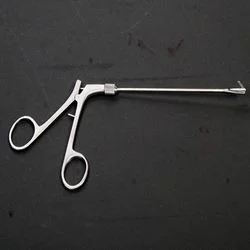
Rotatable Reverse Punch Surgical Instrument For Orthopedic Arthroscopic Procedures
Professional Bone Cutter Sharp Blade Corrosion Resistant Medical Veterinary
Industrial Ring Scissors For Precision Cutting In Textile Packaging
Why Businesses Trust Pepagora
Thousands of companies trust Pepagora to source smarter and sell faster
Expand Your Sales Globally
25000+Products listed.Get discovered by global buyers
Tools to boost visibility
Build your own catalog

Source Smarter,Grow Faster
4000+Active RFQs
100+ Countries served
Easy Sourcing Tools
