
 IN
INundefined
Pulses (Tur, Urad, Moong, Chana)
8 products available
What are Pulses (Tur, Urad, Moong, Chana)?
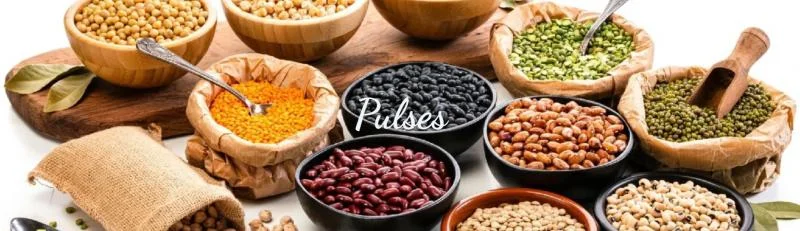
Pulses are a category of leguminous crops that provide high protein content and are widely consumed around the world. They include various types such as Tur (Pigeon Pea), Urad (Black Gram), Moong (Green Gram), and Chana (Chickpea). Pulses are typically cultivated in diverse climatic conditions and are known for their health benefits, including being rich in fiber, vitamins, and minerals.
In business applications, pulses serve as essential ingredients in food processing, catering, and the culinary sector. They are utilized in the production of various food products such as flour, snacks, and ready-to-eat meals. The demand for pulses continues to rise due to their nutritional value, making them a significant component in vegetarian and vegan diets. As global awareness of health and nutrition increases, the market for pulses is expected to expand further.
𝗞𝗲𝘆 𝗙𝗲𝗮𝘁𝘂𝗿𝗲𝘀 𝗮𝗻𝗱 𝗦𝗽𝗲𝗰𝗶𝗳𝗶𝗰𝗮𝘁𝗶𝗼𝗻𝘀
Pulses (Tur, Urad, Moong, Chana) have several features that make them suitable for various industrial applications. Their specifications define the quality and performance parameters essential for buyers.
Key specifications include:
1. Protein Content
- High protein content ranging from 20% to 30%
- Essential for nutrition-focused food products
2. Moisture Level
- Moisture content typically between 10% and 14%
- Necessary for maintaining shelf life and preventing spoilage
3. Color and Appearance
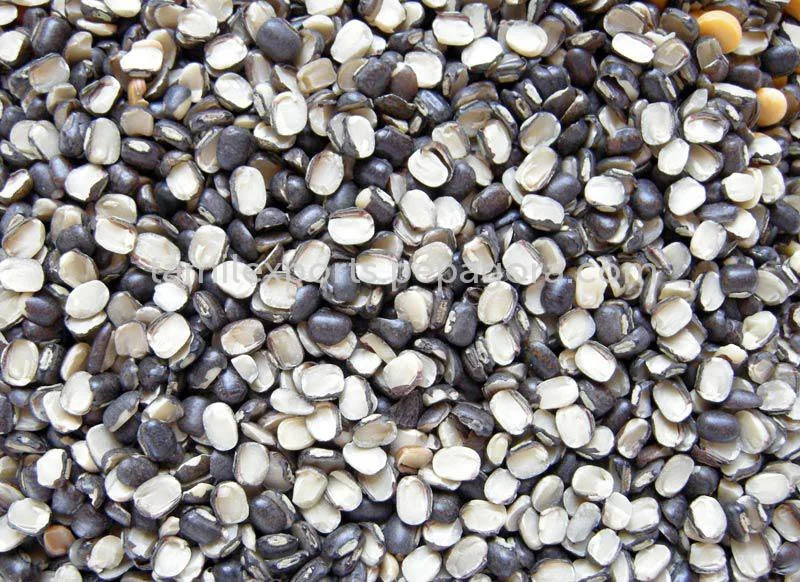
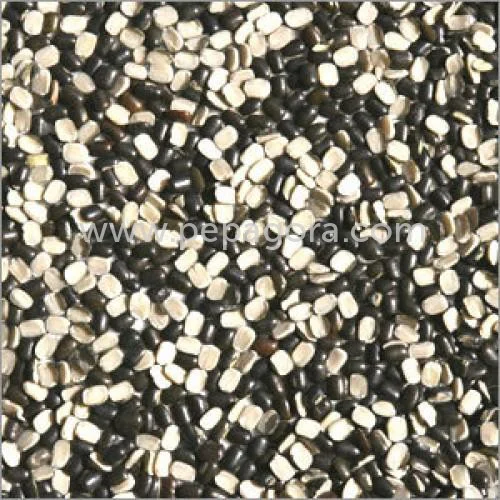
- Varieties with distinct colors: yellow (Tur), black (Urad), green (Moong), and beige (Chana)
- Visual appeal important for marketing and consumer preference
4. Size and Shape
- Standard sizes and shapes vary among different pulses
- Consistency is key for processing and packaging
5. Cooking Time
- Varies by type: Tur and Chana generally take longer to cook than Urad and Moong
- Important for food manufacturers and restaurants
6. Shelf Life
- Dry pulses can last for several months to years when stored properly
- Vital for inventory management in food industries
7. Nutritional Profile
- Rich in dietary fiber, vitamins, and minerals
- Promotes health benefits that are increasingly marketed to consumers
8. Origin and Quality
- Sourced from various regions, affecting quality and taste
- Quality assurance measures are essential for consistent supply
In summary, the key features and specifications of pulses are crucial for businesses looking to incorporate these nutritious legumes into their products.
𝗖𝗼𝗺𝗺𝗼𝗻 𝗔𝗽𝗽𝗹𝗶𝗰𝗮𝘁𝗶𝗼𝗻𝘀 𝗮𝗻𝗱 𝗨𝘀𝗲 𝗖𝗮𝘀𝗲𝘀
Pulses serve various industries due to their versatility and nutritional benefits.
1. Food Processing: Pulses are processed into flours and snacks, catering to health-conscious consumers and vegetarian diets.
2. Catering Services: Restaurants and catering services utilize pulses in various dishes, including curries, salads, and soups, enhancing their menu offerings.
3. Nutraceuticals: The health benefits of pulses make them ideal for use in dietary supplements and health foods.
4. Animal Feed: Pulses are used as a protein source in animal feed, contributing to livestock nutrition.
5. Organic Farming: Pulses are often integrated into crop rotation systems to improve soil health and fertility.
6. Export Markets: Pulses have significant demand in international markets, particularly in regions focused on plant-based diets.
7. Vegan and Vegetarian Products: With the rise of veganism, pulses are increasingly incorporated into meat alternatives, appealing to a broader audience.
𝗣𝗿𝗼𝗱𝘂𝗰𝘁 𝗩𝗮𝗿𝗶𝗮𝗻𝘁𝘀 𝗮𝗻𝗱 𝗦𝘂𝗯𝗰𝗮𝘁𝗲𝗴𝗼𝗿𝗶𝗲𝘀
Pulses (Tur, Urad, Moong, Chana) come in various forms, providing options for different culinary and industrial needs.
Tur (Pigeon Pea)
Tur is a staple in many Asian cuisines and is often used to make dal. It is known for its rich flavor and high protein content, making it a favored choice in both home cooking and food processing.
Urad (Black Gram)
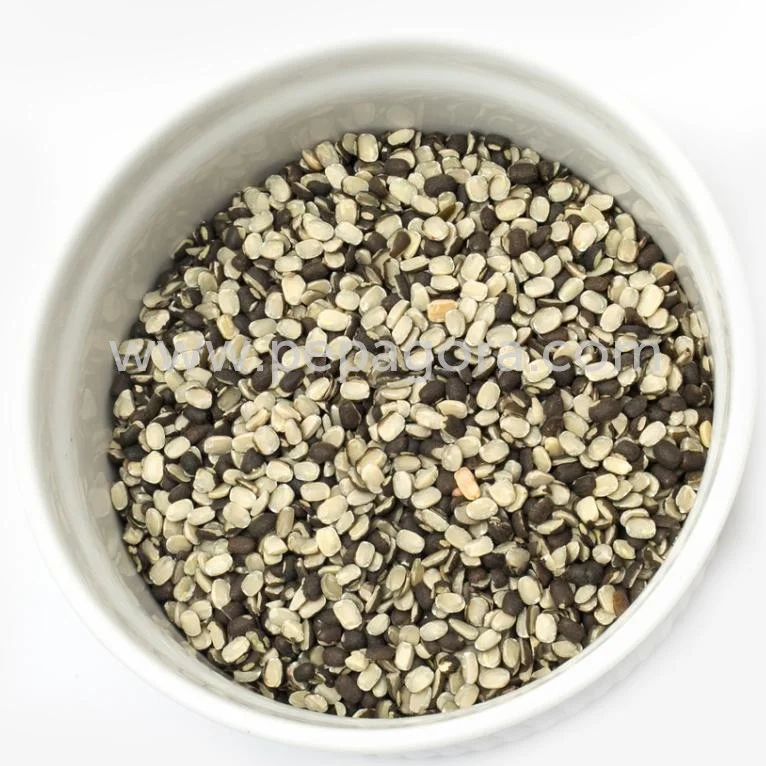
Urad is popular for its distinctive flavor and is often used in South Asian dishes such as dosa and idli. Its high nutritional value makes it a sought-after ingredient in health-focused products.
Moong (Green Gram)
Moong is celebrated for its easy digestibility and is used in salads, soups, and as a sprouted snack. Its versatility allows it to be integrated into a range of culinary applications.
Chana (Chickpea)
Chana is widely recognized for its nutty flavor and is a key ingredient in many dishes, including hummus and chana masala. Its high fiber content makes it popular among health-conscious consumers.
𝗕𝗲𝗻𝗲𝗳𝗶𝘁𝘀 𝗮𝗻𝗱 𝗔𝗱𝘃𝗮𝗻𝘁𝗮𝗴𝗲𝘀
Pulses (Tur, Urad, Moong, Chana) offer a range of benefits that make them a valuable addition to any food product line.
1. Nutritional Value: Rich in protein and fiber, pulses contribute to a balanced diet and help in maintaining health.
2. Versatility: Pulses can be used in various culinary applications, from soups to snacks, catering to diverse consumer tastes.
3. Cost-Effectiveness: Pulses are often more affordable than animal protein sources, making them accessible to a broader audience.
4. Sustainable: Pulses require less water and fertilizer than many other crops, promoting environmental sustainability.
5. Long Shelf Life: When stored correctly, pulses have a long shelf life, reducing waste and improving supply chain efficiency.
6. Gluten-Free: Pulses are naturally gluten-free, making them suitable for individuals with gluten sensitivities or celiac disease.
𝗕𝘂𝘆𝗶𝗻𝗴 𝗚𝘂𝗶𝗱𝗲 𝗳𝗼𝗿 𝗕𝟮𝗕 𝗕𝘂𝘆𝗲𝗿𝘀
When sourcing Pulses (Tur, Urad, Moong, Chana), several factors should be considered to ensure quality and reliability.
1. Quality Assessment: Evaluate the nutritional content, appearance, and moisture levels to ensure the pulses meet your specifications.
2. Supplier Verification: Check the credentials of suppliers, including their certifications and reputation in the market, to ensure reliability.
3. Pricing and MOQ: Understand the pricing structure and minimum order quantities to align with budget and inventory needs.
4. Delivery and Lead Times: Confirm delivery schedules and lead times to ensure timely availability for production.
5. Compliance Requirements: Ensure that the pulses meet relevant food safety and quality standards to avoid potential regulatory issues.
𝗖𝗼𝗺𝗽𝗹𝗶𝗮𝗻𝗰𝗲 𝗮𝗻𝗱 𝗖𝗲𝗿𝘁𝗶𝗳𝗶𝗰𝗮𝘁𝗶𝗼𝗻𝘀
Pulses (Tur, Urad, Moong, Chana) are subject to various quality standards and certifications to ensure safety and reliability in the market.
Relevant quality standards such as ISO 9001 and HACCP are crucial in maintaining consistent quality in production and processing. These standards help ensure that products are safe for consumption and meet the necessary regulatory requirements.
Industry certifications like CE and UL serve as indicators of compliance with safety and quality regulations. Such certifications provide assurance to buyers regarding the reliability of the product.
Safety and testing requirements are vital, particularly in the food industry, where contamination can have serious consequences. Regular testing for pesticides, mycotoxins, and other contaminants is necessary to ensure product integrity.
Regional compliance considerations may vary, with specific regulations in different countries affecting how pulses are sourced and sold. Understanding these regulations is important for businesses operating in international markets.
Why Source Pulses (Tur, Urad, Moong, Chana) from Pepagora?
Pepagora provides a trusted platform for sourcing Pulses (Tur, Urad, Moong, Chana) with several key advantages that enhance the purchasing experience.
Verified Supplier Network: Pepagora ensures that all suppliers are vetted and verified, providing buyers with confidence in the sourcing process and reducing the risk of fraud.
Streamlined RFQ Process: The request for quotation process on Pepagora is user-friendly and efficient, enabling buyers to receive competitive quotes and make informed purchasing decisions quickly.
Trade Assurance and Support: Pepagora offers trade assurance to protect buyers, ensuring that products meet quality standards and helping resolve any issues that may arise during the transaction.
Regional Coverage: With a broad geographic reach across India, the GCC, and Southeast Asia, Pepagora connects buyers with suppliers in key markets, facilitating access to high-quality pulses.
By choosing Pepagora, businesses can streamline their sourcing processes while ensuring they receive quality products that meet their needs.
Newly Added


Recently Added
Laxmi Protein Products Pvt Ltd
Premium Moong Dal For Buyers High Quality Reliable Supply
Organic Toor Dal Food Grade, Pesticide Free, Long Shelf Life
Premium Masoor Dal High Protein Food Grade Long Shelf Life
Tamil Exports
Bulk Organic Potatoes Fresh Hygienic High Grade
Organic Fresh Sliced Carrots Hygienical Processed Long Shelf Life
Bulk Organic Fresh Young Ginger Root For Health And Food Processing
Sky Associates
Organic Black Chana Dal Dried Food Grade Long Shelf Life
Organic Kabuli Chana Dal Pure Hygienic Long Shelf Life
Organic Basmati Broken Rice 2% Admixture Long Shelf Life
Kelvin Patel
Export Quality Spices for Culinary and Industrial Applications
Export Grade Premium Pulses For Food Processing And Wholesale
Premium Export Wheat Cereal For Food Processing And Baking
Simply Organics
Organic Flax Seed Powder Rich in Omega 3s, Fiber, Antioxidants
Premium Organic Kokum Powder For Food, Beverage & Cosmetic Industries
Organic Tulsi Powder For Immunity Support And Stress Relief
Why Businesses Trust Pepagora
Thousands of companies trust Pepagora to source smarter and sell faster
Expand Your Sales Globally
25000+Products listed.Get discovered by global buyers
Tools to boost visibility
Build your own catalog

Source Smarter,Grow Faster
4000+Active RFQs
100+ Countries served
Easy Sourcing Tools
