
 IN
INundefined
Prototype Tooling
11 products available
𝗪𝗵𝗮𝘁 𝗮𝗿𝗲 𝗣𝗿𝗼𝘁𝗼𝘁𝘆𝗽𝗲 𝗧𝗼𝗼𝗹𝗶𝗻𝗴?
Prototype tooling refers to the process and products used to create prototypes for various manufacturing applications. These tools are essential for developing initial models of products before mass production. Prototype tooling allows engineers and designers to test their concepts, validate designs, and make necessary adjustments without incurring the high costs associated with full-scale production.
In business applications, prototype tooling is used across industries such as automotive, aerospace, consumer electronics, and medical devices. Companies leverage these tools to ensure that their products meet design specifications and functional requirements. This aids in reducing time to market and enhances product quality by allowing for iterative testing and feedback.
The relevance of prototype tooling in today’s market cannot be overstated. With rapid advancements in technology and increasing competition, businesses need to innovate quickly. Prototype tooling enables organizations to stay ahead by facilitating faster design cycles and reducing risks associated with product launches.
𝗞𝗲𝘆 𝗙𝗲𝗮𝘁𝘂𝗿𝗲𝘀 𝗮𝗻𝗱 𝗦𝗽𝗲𝗰𝗶𝗳𝗶𝗰𝗮𝘁𝗶𝗼𝗻𝘀
Prototype tooling features vary widely based on the specific requirements of the project. Understanding these features is crucial for selecting the right tooling for your needs. The specifications help in determining the best fit for various applications.
Key specifications include:
1. Material Compatibility
- Tools can be made from various materials, including aluminum, steel, and plastics.
- Each material offers different benefits in terms of durability and cost.
2. Tolerance Levels
- Precision is critical in prototype tooling.
- Typical tolerance levels range from ±0.01 mm to ±0.1 mm, depending on the application.
3. Surface Finish
- The surface finish can affect the aesthetic and functional aspects of the prototype.
- Common finishes include rough, matte, or polished.
4. Production Speed
- The speed of tool production can significantly impact project timelines.
- Rapid prototyping may require tools that can be produced within a few days.
5. Tooling Lifecycle
- Understanding the expected lifespan of the tooling is essential for budgeting.
- Some tools may be designed for short-term use, while others are built for long-term applications.
6. Customization Options
- Many prototype tools can be customized to meet specific design needs.
- Customization can include modifications in size, shape, and functionality.
7. Size and Complexity
- The size of the prototype tooling can vary dramatically based on the product being developed.
- Complex geometries may require advanced machining capabilities.
8. Cost Range
- The cost of prototype tooling can vary widely based on material, complexity, and production methods.
- Typical costs can range from a few hundred to several thousand dollars.
In summary, understanding the key features and specifications of prototype tooling is vital for businesses looking to innovate and develop high-quality products efficiently.
𝗖𝗼𝗺𝗺𝗼𝗻 𝗔𝗽𝗽𝗹𝗶𝗰𝗮𝘁𝗶𝗼𝗻𝘀 𝗮𝗻𝗱 𝗨𝘀𝗲 𝗖𝗮𝘀𝗲𝘀
Prototype tooling is utilized across various industries to streamline product development and testing. Each industry has unique applications that benefit from prototype tooling.
1. Automotive: In the automotive industry, prototype tooling is used to create parts for testing in vehicles. This helps manufacturers refine designs and ensure safety and performance.
2. Aerospace: Aerospace companies utilize prototype tooling to develop complex components that require rigorous testing before they can be used in aircraft. This ensures compliance with safety regulations.
3. Consumer Electronics: For consumer electronics, prototype tooling aids in developing new devices quickly. It allows companies to test user interfaces and ergonomics before final production.
4. Medical Devices: Prototype tooling plays a critical role in the medical industry by facilitating the development of devices that must meet strict regulatory standards. Prototypes help in testing usability and safety.
5. Industrial Equipment: Manufacturers of industrial equipment use prototype tooling to develop machinery parts, ensuring they meet operational standards and performance expectations.
6. Packaging: In packaging, prototype tooling helps design and test new packaging solutions, ensuring they are effective and meet consumer needs.
7. Consumer Goods: For companies producing consumer goods, prototype tooling allows for the rapid development and testing of new product ideas, helping to bring innovative products to market faster.
𝗣𝗿𝗼𝗱𝘂𝗰𝘁 𝗩𝗮𝗿𝗶𝗮𝗻𝘁𝘀 𝗮𝗻𝗱 𝗦𝘂𝗯𝗰𝗮𝘁𝗲𝗴𝗼𝗿𝗶𝗲𝘀
Prototype tooling encompasses a variety of products tailored to different manufacturing needs. Each variant offers unique features suitable for specific applications.
Injection Molding Tools
Injection molding tools are designed for producing plastic parts. They are highly versatile and can produce complex shapes with excellent precision. These tools are ideal for high-volume production runs once a prototype is validated.
CNC Machined Tools
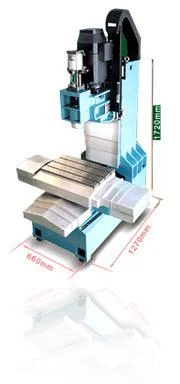
CNC machined tools are created using computer-controlled machines. They allow for high accuracy and can be used to prototype metal and plastic parts. This variant is particularly useful for industries requiring tight tolerances.
3D Printed Tools
3D printed tools are increasingly popular for rapid prototyping. They allow for quick iterations and can produce complex geometries that traditional methods may not achieve. This variant is often used in early-stage product development.
Vacuum Forming Tools
Vacuum forming tools are utilized for creating packaging and shallow parts. They are cost-effective for low-volume production and allow for quick prototyping of larger items.
𝗕𝗲𝗻𝗲𝗳𝗶𝘁𝘀 𝗮𝗻𝗱 𝗔𝗱𝘃𝗮𝗻𝘁𝗮𝗴𝗲𝘀
Utilizing prototype tooling offers several advantages that can significantly enhance the product development process.
Key benefits include:
1. Reduced Time to Market: Prototype tooling accelerates the design and testing phases, allowing businesses to launch products more quickly.
2. Cost Efficiency: By identifying design flaws early through prototyping, companies can avoid costly changes in later production stages.
3. Improved Design Quality: Prototype tooling enables iterative testing and refinements, leading to higher-quality final products.
4. Risk Mitigation: Testing prototypes helps identify potential issues before mass production, reducing the risk of product failures in the market.
5. Enhanced Collaboration: Prototypes facilitate better communication among design, engineering, and marketing teams, ensuring everyone is aligned on the product vision.
6. Flexibility in Design: Prototype tooling allows for adjustments and modifications, enabling companies to explore various design options before finalizing a product.
𝗕𝘂𝘆𝗶𝗻𝗴 𝗚𝘂𝗶𝗱𝗲 𝗳𝗼𝗿 𝗕𝟮𝗕 𝗕𝘂𝘆𝗲𝗿𝘀
When sourcing prototype tooling, several factors need to be considered to ensure the best outcomes for your project.
1. Quality Assessment: Evaluate the quality of the materials and processes used in tooling. Look for suppliers who adhere to industry standards and can demonstrate their capabilities.
2. Supplier Verification: It is essential to vet potential suppliers thoroughly. Check their track record, client reviews, and previous projects to ensure reliability and expertise.
3. Pricing and MOQ: Understand the pricing structure and minimum order quantities. This will help you budget effectively and determine the feasibility of your tooling needs.
4. Delivery and Lead Times: Assess the supplier’s ability to meet deadlines. Timely delivery is crucial in maintaining project schedules and avoiding delays.
5. Compliance Requirements: Ensure that the tooling meets relevant industry regulations and standards. This is particularly important in sectors such as medical devices and aerospace, where compliance is mandatory.
𝗖𝗼𝗺𝗽𝗹𝗶𝗮𝗻𝗰𝗲 𝗮𝗻𝗱 𝗖𝗲𝗿𝘁𝗶𝗳𝗶𝗰𝗮𝘁𝗶𝗼𝗻𝘀
Compliance and certifications are critical components of prototype tooling. Adhering to relevant quality standards ensures that the tooling meets industry requirements and customer expectations.
ISO 9001 is a widely recognized standard that outlines quality management principles. Companies that adhere to this standard demonstrate their commitment to quality and continuous improvement.
CE certification is essential for products designed for the European market. It ensures that the tooling complies with safety, health, and environmental protection standards.
Safety and testing requirements should also be a priority. Tools must undergo rigorous testing to ensure they can perform as expected without posing risks to users or the environment.
Additionally, regional compliance considerations may vary depending on the market. Understanding local regulations and requirements is crucial for businesses seeking to operate globally and avoid legal pitfalls.
𝗪𝗵𝘆 𝗦𝗼𝘂𝗿𝗰𝗲 𝗣𝗿𝗼𝘁𝗼𝘁𝘆𝗽𝗲 𝗧𝗼𝗼𝗹𝗶𝗻𝗴 𝗳𝗿𝗼𝗺 𝗣𝗲𝗽𝗮𝗴𝗼𝗿𝗮?
Pepagora provides a trusted platform for sourcing prototype tooling, offering several key advantages for businesses.
Verified Supplier Network: Pepagora's extensive network of verified suppliers ensures that you have access to high-quality tooling options. Each supplier is vetted for reliability and expertise, giving peace of mind to buyers.
Streamlined RFQ Process: The platform offers a simplified Request for Quotation process, allowing buyers to easily compare quotes and select the best options for their needs. This efficiency saves time and enhances decision-making.
Trade Assurance and Support: Pepagora offers trade assurance, protecting buyers throughout the sourcing process. Their dedicated support team is available to assist with any questions or concerns, ensuring a smooth transaction.
Regional Coverage: With a strong presence in India, the GCC, and Southeast Asia, Pepagora enables businesses to access prototype tooling suppliers across diverse markets. This geographic reach helps companies find the right solutions tailored to their specific needs.
Newly Added


Recently Added
CHAIN TOOLS - PRODUCTS P LTD
High Precision Pressure Die Casting Dies For Durable Metal Casting Production
Hot Chamber Die Casting Dies For Zinc Components With Precision Tooling
Precision Rotor Die Casting Dies For EV, Pump & Electrical Equipment
Ganapathy Steels and Forgings
Industrial Machinery Precision Casting Components For Pump Assemblies
Industrial Precision Pump Shafts Durable Corrosion Resistant OEM
Industrial Precision Motor Shafts For Electric Motors With High Speed Rotation
Bunty Enterprises
Industrial Pipe Bending Machines For Metalworking And Construction
Industrial Heavy Duty Tooling Solutions For Precision And Durability
Professional Hot Plate Welding Machines For Strong Plastic Joints
Lovely Mechanical Works
Industrial Radial Drill Machine Heavy Duty Adjustable Arm Precision
Industrial Jigsaw Machines For Woodworking And Metal Fabrication
Industrial Woodworking Surface Planer Machines For Precision Material Processing
Dee Kay Engg. Works
Automotive Moulded Parts Precision Components OEM Aftermarket
Industrial HDPE Blow Moulds For Plastic Bottles And Containers
Automotive Parts Moulding Solutions For Durability Precision
Atharva Engineers
Industrial Sand Casting Solutions For Large Complex Components
Industrial Aluminum Sand Castings For Durable Custom Parts
Industrial Automation Ball Screws Stainless Steel Precision Linear Motion
Marcopolo Products Pvt Ltd
Precision CAD Scanning Verification Reports For Quality Control
SLS 3D Printing Services For Rapid Prototyping And Production Parts
SLA 3D Printing Services High Precision Rapid Prototypes Epoxy Resin
Nova Engineering
Industrial Machinery Guide Roll Assemblies For Precision Alignment
Steel Plant Mould Oscillation Assembly High Grade Steel Durable
Industrial Metal Straightener Assembly 4M Radius High Grade Durable
Abhirami Engineering Works
Coimbatore Foundry Patterns Precision Manufacturing Industrial Casting
Industrial Metal Casting Wooden Patterns For Precision Manufacturing
Industrial Araldite Patterns Galvanized Shot Blasting 0.01mm Tolerance
Ganesh Machine Tools
V1000 High Speed Machining Center BT40 10000 RPM BT50 6000 RPM
Precision Machining DV 600 Gantry High Speed Center 24,000 RPM
Industrial Heavy Duty Lathe Machine For Precision Metalworking
Why Businesses Trust Pepagora
Thousands of companies trust Pepagora to source smarter and sell faster
Expand Your Sales Globally
25000+Products listed.Get discovered by global buyers
Tools to boost visibility
Build your own catalog

Source Smarter,Grow Faster
4000+Active RFQs
100+ Countries served
Easy Sourcing Tools
