
 IN
INundefined
Processed Meat Exporters
9 products available
𝗪𝗵𝗮𝘁 𝗮𝗿𝗲 𝗣𝗿𝗼𝗰𝗲𝘀𝘀𝗲𝗱 𝗠𝗲𝗮𝘁 𝗘𝘅𝗽𝗼𝗿𝘁𝗲𝗿𝘀?
Processed meat exporters are businesses that specialize in the international trade of meat products that have been modified through various preservation techniques. These techniques can include curing, smoking, cooking, or canning, which enhance the shelf life and flavor of the meat. Processed meat can include products like sausages, deli meats, and canned meats, which are often produced in bulk for distribution to retailers, food service providers, and other businesses.
The primary uses of processed meat products are in the food industry, where they serve as essential ingredients in a wide range of dishes. Restaurants, supermarkets, and food manufacturers rely on these products to meet consumer demand for convenient and ready-to-eat meal options. Additionally, processed meats are popular in various cuisines around the world, contributing to their significant role in local and global markets.
In terms of industry relevance, the processed meat export sector is critical for many economies, particularly in regions with strong livestock production. As global demand for protein-rich foods continues to rise, processed meat exporters play a vital role in meeting this demand while adhering to health and safety regulations. Market dynamics are influenced by changing consumer preferences, dietary trends, and the rise of plant-based alternatives, which all shape the landscape for processed meat products.
𝗞𝗲𝘆 𝗙𝗲𝗮𝘁𝘂𝗿𝗲𝘀 𝗮𝗻𝗱 𝗦𝗽𝗲𝗰𝗶𝗳𝗶𝗰𝗮𝘁𝗶𝗼𝗻𝘀
Processed meat exporters offer a variety of specifications to ensure the quality and safety of their products. These specifications are crucial for businesses looking to source high-quality processed meats for their operations.
Key specifications include:
1. Quality Assurance Standards
- Adherence to international quality standards like ISO 9001 and HACCP.
- Regular testing and monitoring of meat products for safety.
2. Product Variety
- A diverse range of processed meats including sausages, hams, and ready-to-eat meals.
- Options for different cuts and types of meat, catering to specific market needs.
3. Packaging Standards
- Use of vacuum sealing and modified atmosphere packaging to enhance shelf life.
- Compliance with food safety regulations in packaging materials.
4. Traceability
- Systems in place to trace the source of meat products back to farms.
- Detailed record-keeping for transparency and safety.
5. Temperature Control
- Strict temperature guidelines during processing and transportation.
- Use of refrigerated transport to maintain product quality.
6. Minimum Order Quantities (MOQ)
- Flexible MOQs based on customer requirements.
- Options for bulk orders to accommodate large-scale buyers.
7. Delivery Times
- Efficient logistics to ensure timely delivery of products.
- Clear communication regarding lead times for orders.
8. Regulatory Compliance
- Adherence to local and international food safety regulations.
- Certification from relevant authorities for cross-border trade.
In summary, the specifications provided by processed meat exporters are designed to ensure that businesses receive high-quality products that meet safety standards and market demands.
𝗖𝗼𝗺𝗺𝗼𝗻 𝗔𝗽𝗽𝗹𝗶𝗰𝗮𝘁𝗶𝗼𝗻𝘀 𝗮𝗻𝗱 𝗨𝘀𝗲 𝗖𝗮𝘀𝗲𝘀
Processed meat products have a wide range of applications across various industries.
1. Food Service Industry: Restaurants and catering services use processed meats in sandwiches, salads, and main dishes, providing convenience and consistent flavors.
2. Retail Supermarkets: Grocery stores stock processed meats for consumers looking for quick meal options. These products help meet the demand for ready-to-eat items.
3. Food Manufacturing: Food producers incorporate processed meats into their products, such as frozen meals and snack foods, enhancing their offerings with protein-rich ingredients.
4. Hospitality Sector: Hotels and resorts utilize processed meats in their kitchen operations for breakfast buffets and event catering, ensuring quality and variety for guests.
5. Snack Food Production: Processed meats are often used in the creation of snack items, such as meat sticks and jerky, appealing to on-the-go consumers.
6. Meal Kit Services: Companies providing meal kits include processed meats as part of their offerings, catering to consumers looking for convenient cooking solutions.
7. Export and Trade: Processed meat exporters play a crucial role in supplying international markets, meeting demand across borders and contributing to global food security.
𝗣𝗿𝗼𝗱𝘂𝗰𝘁 𝗩𝗮𝗿𝗶𝗮𝗻𝘁𝘀 𝗮𝗻𝗱 𝗦𝘂𝗯𝗰𝗮𝘁𝗲𝗴𝗼𝗿𝗶𝗲𝘀
Processed meat exporters offer a diverse range of product variants to cater to different market needs.
Sausages
Sausages come in various types, including fresh, smoked, and cured. They are popular in many cuisines and can be made from different meats, offering versatility in flavor and preparation.
Deli Meats
Deli meats include products like ham, turkey, and roast beef, often sliced thin for use in sandwiches and salads. They are valued for their convenience and flexible applications in meal preparation.
Canned Meats
Canned meats are a shelf-stable option that provides long-lasting protein sources. They are often used in ready-to-eat meals and emergency supply kits, appealing to consumers seeking convenience.
Cooked Meats
Cooked meats, such as pre-cooked chicken or beef, are ideal for quick meal solutions. These products save preparation time and can be used in various dishes.
𝗕𝗲𝗻𝗲𝗳𝗶𝘁𝘀 𝗮𝗻𝗱 𝗔𝗱𝘃𝗮𝗻𝘁𝗮𝗴𝗲𝘀
Sourcing processed meat products offers numerous advantages for businesses.
1. Convenience: Processed meats provide ready-to-use options, reducing preparation time in kitchens and food service operations.
2. Extended Shelf Life: Through preservation techniques, processed meats have a longer shelf life, minimizing waste and allowing for better inventory management.
3. Versatility: The variety of processed meat products allows businesses to create diverse menus and cater to varying consumer preferences.
4. Consistent Quality: Established exporters adhere to quality standards, ensuring consistent flavor and safety across product batches.
5. Cost-Effectiveness: Bulk purchasing from processed meat exporters can lead to cost savings for businesses, enabling better pricing strategies.
6. Global Sourcing: Access to international markets allows for a broader range of products and competitive pricing, enhancing business opportunities.
𝗕𝘂𝘆𝗶𝗻𝗴 𝗚𝘂𝗶𝗱𝗲 𝗳𝗼𝗿 𝗕𝟮𝗕 𝗕𝘂𝘆𝗲𝗿𝘀
When sourcing processed meat exporters, several key factors should be taken into consideration.
1. Quality Assessment: Evaluate the quality of products based on certifications and standards. Request samples to assess flavor, texture, and overall quality.
2. Supplier Verification: Vet suppliers by checking their reputation, certifications, and previous customer reviews. Establishing trust is crucial for long-term partnerships.
3. Pricing and MOQ: Compare pricing among different exporters while considering minimum order quantities. Ensure that the costs align with your budget and business needs.
4. Delivery and Lead Times: Discuss logistics and expected delivery times upfront. Reliable shipping is essential to maintaining your supply chain.
5. Compliance Requirements: Verify that suppliers comply with local and international regulations. Understanding these requirements helps mitigate risks in sourcing.
𝗖𝗼𝗺𝗽𝗹𝗶𝗮𝗻𝗰𝗲 𝗮𝗻𝗱 𝗖𝗲𝗿𝘁𝗶𝗳𝗶𝗰𝗮𝘁𝗶𝗼𝗻𝘀
Compliance and certifications are critical in the processed meat export industry. Exporters must adhere to relevant quality standards that ensure the safety and quality of their products. Key standards include ISO 9001, which outlines quality management principles, and HACCP, a systematic approach to food safety that focuses on hazard identification and risk management.
Industry certifications, such as CE marking, indicate compliance with safety and environmental standards. These certifications are essential for building consumer trust and meeting regulatory requirements in different markets.
Additionally, exporters must meet safety and testing requirements to ensure that their products are free from contaminants and safe for consumption. Regular testing is necessary to maintain compliance with industry standards.
Regional compliance considerations also play a significant role in the export process. Different countries may have specific regulations regarding meat processing and packaging. Understanding these regional requirements is crucial for successful export operations.
𝗪𝗵𝘆 𝗦𝗼𝘂𝗿𝗰𝗲 𝗣𝗿𝗼𝗰𝗲𝘀𝘀𝗲𝗱 𝗠𝗲𝗮𝘁 𝗘𝘅𝗽𝗼𝗿𝘁𝗲𝗿𝘀 𝗳𝗿𝗼𝗺 𝗣𝗲𝗽𝗮𝗴𝗼𝗿𝗮?
Pepagora offers a reliable platform for sourcing processed meat exporters, providing several key advantages for businesses.
Verified Supplier Network: Pepagora has a robust verification process for suppliers, ensuring that only reputable exporters are listed. This helps buyers find trusted partners for their sourcing needs.
Streamlined RFQ Process: The Request for Quotation (RFQ) system simplifies the purchasing process. Buyers can quickly receive quotes from multiple suppliers, saving time and facilitating better decision-making.
Trade Assurance and Support: Pepagora provides trade assurance, protecting buyers against potential risks. This support gives buyers confidence in their transactions and fosters long-term relationships with suppliers.
Regional Coverage: With a strong presence in regions like India, the GCC, and Southeast Asia, Pepagora connects buyers with a diverse range of processed meat exporters, enhancing access to global markets.
By utilizing Pepagora, businesses can efficiently navigate the complexities of sourcing processed meat products while ensuring quality and compliance.
Newly Added
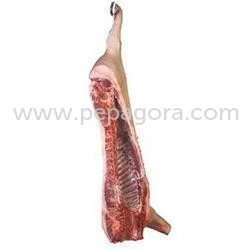


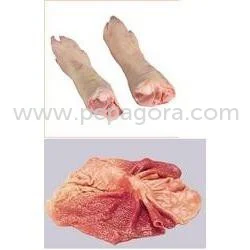
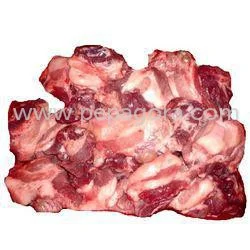

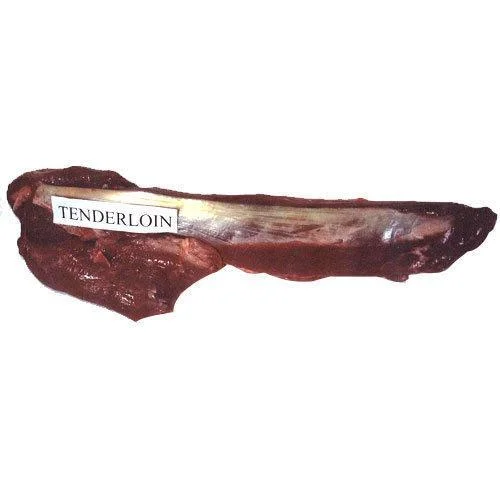
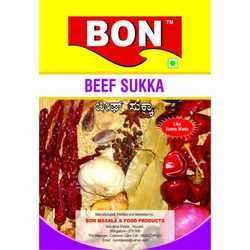
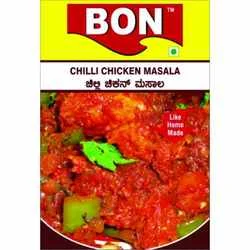
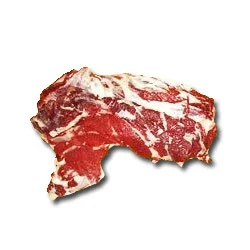

Recently Added
Beetta Instruments & Equipment Co.
Histology Labs Premium Rotary Microtome For Precise Tissue Sectioning
Premium Sledge Microtomes For Histology And Pathology Labs
High Precision Freezing Microtomes For Cryosectioning In Labs
Al-Shirin Exports
Premium Buffalo Knuckle Meat Lean Low Fat High Protein
Premium Neck Buffalo Meat For Food Processing And HORECA
Premium Veal Leg Meat For Fine Dining And Global Distribution
Bon Masala And Food Products
Premium Mutton Masala For Buyers High Grade Ingredients
Premium Chilly Powder Bulk Hygienic Rich Aroma Spice
Premium Fish Fry Masala For Bulk Orders With Long Shelf Life
Al Barkat Enterprises
Frozen Kurri Meat High Nutrition Low Cholesterol Fat No Preservatives
Premium Buffalo Rump Steak Rich Flavor Hygienic Packaging
Premium Beef Tenderloin For Food Service High Protein Preservative Free
BHALARIA METAL CRAFT PRIVATE LIMITED
Commercial Stainless Steel Racks For Storage And Display
Stainless Steel Racks Commercial Storage Durable Hygienic
Stainless Steel Triangle Rings For Food Service And Industrial Use
Marutham Meat Products
Frozen Chicken Bulk Low Fat Caffeinated For Food Service
Bulk Frozen Chicken Feet Low Fat Caffeinated For Processing
Frozen Pork Offals Bulk Pack For Food Processing Industries
Why Businesses Trust Pepagora
Thousands of companies trust Pepagora to source smarter and sell faster
Expand Your Sales Globally
25000+Products listed.Get discovered by global buyers
Tools to boost visibility
Build your own catalog

Source Smarter,Grow Faster
4000+Active RFQs
100+ Countries served
Easy Sourcing Tools
