
 IN
INundefined
Private Label Poultry Systems
33 products available
𝗪𝗵𝗮𝘁 𝗮𝗿𝗲 𝗣𝗿𝗶𝘃𝗮𝘁𝗲 𝗟𝗮𝗯𝗲𝗹 𝗣𝗼𝘂𝗹𝘁𝗿𝘆 𝗦𝘆𝘀𝘁𝗲𝗺𝘀?
Private label poultry systems are tailored solutions designed for businesses looking to establish their own brand in the poultry market. These systems encompass a range of equipment and technologies used in the production, processing, and packaging of poultry products. They enable companies to manufacture poultry under their own label while ensuring consistency, quality, and efficiency in operations.
These systems find primary applications in poultry farms, processing facilities, and distribution centers. They allow businesses to control the entire supply chain, from breeding and feeding to processing and packaging. By leveraging private label poultry systems, companies can enhance their market presence and cater to specific consumer preferences, ultimately driving sales and profitability.
With a growing demand for poultry products worldwide, private label poultry systems are increasingly relevant in the global market. Businesses are seeking innovative solutions to meet consumer expectations for quality and sustainability. As competition intensifies, the ability to offer unique poultry products under a private label can provide a significant competitive edge.
𝗞𝗲𝘆 𝗙𝗲𝗮𝘁𝘂𝗿𝗲𝘀 𝗮𝗻𝗱 𝗦𝗽𝗲𝗰𝗶𝗳𝗶𝗰𝗮𝘁𝗶𝗼𝗻𝘀
Private label poultry systems come equipped with various features and specifications that address the needs of poultry producers. These features ensure optimal performance, safety, and compliance with industry standards.
Key specifications include:
1. Quality Control Systems
- Integrated monitoring technologies for tracking production quality
- Ensures compliance with health and safety regulations
2. Processing Capacity
- Capable of handling varying volumes of poultry
- Designed for scalability to meet business growth
3. Automation Features
- Automated feeding and watering systems
- Reduces labor costs and improves operational efficiency
4. Temperature Regulation
- Advanced temperature control systems for optimal processing conditions
- Ensures product safety and quality
5. Energy Efficiency
- Designed to minimize energy consumption during operations
- Contributes to lower operational costs
6. Customization Options
- Ability to tailor systems to meet specific business needs
- Supports unique branding and packaging requirements
7. Compliance Certifications
- Systems that meet industry standards such as UL and CE
- Ensures safety and reliability in operation
8. Maintenance and Support
- Easy access to technical support and maintenance services
- Reduces downtime and enhances operational continuity
In summary, private label poultry systems are equipped with advanced features and specifications that enhance operational efficiency and product quality, making them essential for businesses in the poultry industry.
𝗖𝗼𝗺𝗺𝗼𝗻 𝗔𝗽𝗽𝗹𝗶𝗰𝗮𝘁𝗶𝗼𝗻𝘀 𝗮𝗻𝗱 𝗨𝘀𝗲 𝗖𝗮𝘀𝗲𝘀
Private label poultry systems serve various industries beyond traditional poultry farming. Their versatility makes them suitable for different applications.
1. Food Processing: These systems are used for processing chicken, turkey, and other poultry products, ensuring high standards of hygiene and quality.
2. Retail Grocers: Supermarkets and grocery chains utilize private label poultry systems to offer their own branded poultry products, enhancing customer loyalty.
3. Restaurants and Food Service: Food service providers implement these systems to ensure consistent supply and quality of poultry in their menus.
4. Export Markets: Companies looking to export poultry products can use private label systems to meet international standards and consumer preferences.
5. Organic Poultry Production: Businesses focusing on organic poultry can customize systems to align with organic farming practices and certification requirements.
6. Value-Added Products: Manufacturers can use these systems to create processed poultry items like sausages or marinated products, catering to evolving consumer tastes.
7. Local Farms: Smaller farms can leverage private label systems to enter the market with unique offerings, competing with larger producers.
𝗣𝗿𝗼𝗱𝘂𝗰𝘁 𝗩𝗮𝗿𝗶𝗮𝗻𝘁𝘀 𝗮𝗻𝗱 𝗦𝘂𝗯𝗰𝗮𝘁𝗲𝗴𝗼𝗿𝗶𝗲𝘀
The diversity of private label poultry systems allows businesses to choose variants that best fit their operational needs.
Variant 1: Automated Poultry Processing Line
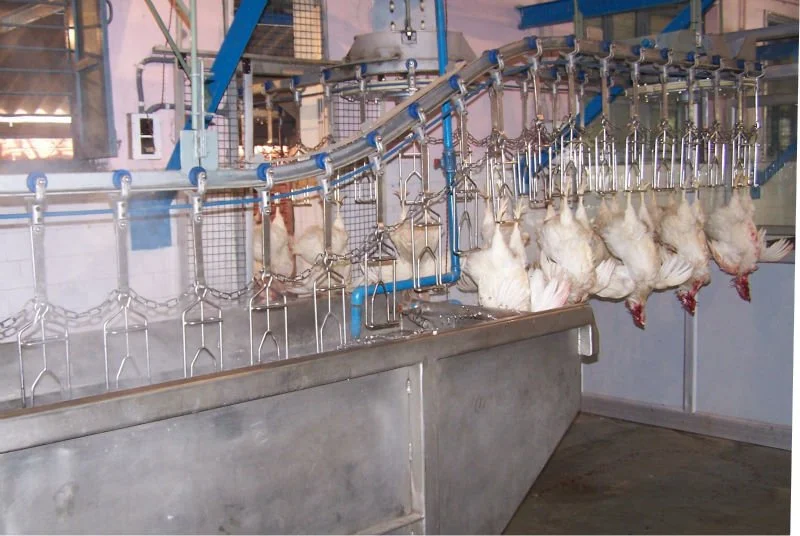
This variant features an integrated system designed for large-scale processing of poultry. It includes automated cutting, deboning, and packaging systems, maximizing efficiency and reducing labor costs.
Variant 2: Modular Poultry Rearing System
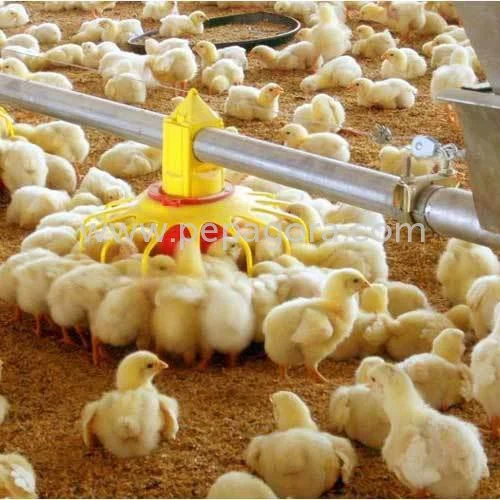
This system allows for flexible poultry rearing with adjustable configurations. It supports various farming practices, from free-range to intensive rearing, and can be tailored to specific environmental conditions.
Variant 3: Eco-Friendly Poultry System
Designed for sustainability, this variant incorporates energy-efficient technologies and eco-friendly materials. It caters to businesses focused on reducing their environmental footprint.
𝗕𝗲𝗻𝗲𝗳𝗶𝘁𝘀 𝗮𝗻𝗱 𝗔𝗱𝘃𝗮𝗻𝘁𝗮𝗴𝗲𝘀
Choosing private label poultry systems offers numerous advantages for businesses in the poultry sector.
Key benefits include:
1. Brand Control: Companies can establish and promote their brand identity through customized poultry products.
2. Cost Efficiency: Automating processes reduces labor costs and enhances productivity, leading to significant savings.
3. Quality Assurance: Integrated quality control systems help maintain high standards throughout the production process.
4. Flexibility: These systems can be customized to meet diverse operational needs, allowing businesses to adapt to market changes.
5. Enhanced Market Reach: Offering unique private label products can attract new customers and increase market share.
6. Compliance Support: Systems designed to meet industry standards simplify the process of regulatory compliance, reducing risks.
𝗕𝘂𝘆𝗶𝗻𝗴 𝗚𝘂𝗶𝗱𝗲 𝗳𝗼𝗿 𝗕𝟮𝗕 𝗕𝘂𝘆𝗲𝗿𝘀
When sourcing private label poultry systems, it is crucial for buyers to consider several factors to ensure a successful procurement process.
1. Quality Assessment: Evaluate the quality of materials and components used in the systems. Look for certifications that demonstrate compliance with industry standards.
2. Supplier Verification: Conduct thorough research on potential suppliers. Check for experience, reputation, and customer reviews to ensure reliability.
3. Pricing and MOQ: Understand the pricing structure and minimum order quantities. Negotiate to find a balance between cost and quality.
4. Delivery and Lead Times: Inquire about delivery schedules and lead times. Timely delivery is essential for maintaining production schedules.
5. Compliance Requirements: Ensure that the systems meet local and international regulations. Familiarize yourself with necessary certifications and compliance standards.
𝗖𝗼𝗺𝗽𝗹𝗶𝗮𝗻𝗰𝗲 𝗮𝗻𝗱 𝗖𝗲𝗿𝘁𝗶𝗳𝗶𝗰𝗮𝘁𝗶𝗼𝗻𝘀
Private label poultry systems must adhere to various quality standards and certifications to ensure safety and reliability.
Relevant quality standards include ISO 9001, which establishes requirements for a quality management system, and HACCP, which focuses on food safety management. These standards help businesses ensure that their products are safe for consumption.
Industry certifications such as UL and CE provide assurance that the systems meet specific safety and performance criteria. These certifications are crucial for gaining consumer trust and ensuring compliance with regulatory frameworks.
Safety and testing requirements are essential in the poultry industry. Systems must undergo rigorous testing to ensure they can handle the demands of production while maintaining safety standards.
Regional compliance considerations vary depending on the market. Businesses should stay informed about local regulations that may impact system design and operation.
𝗪𝗵𝘆 𝗦𝗼𝘂𝗿𝗰𝗲 𝗣𝗿𝗶𝘃𝗮𝘁𝗲 𝗟𝗮𝗯𝗲𝗹 𝗣𝗼𝘂𝗹𝘁𝗿𝘆 𝗦𝘆𝘀𝘁𝗲𝗺𝘀 𝗳𝗿𝗼𝗺 𝗣𝗲𝗽𝗮𝗴𝗼𝗿𝗮?
Pepagora offers a trusted platform for sourcing private label poultry systems, providing businesses with several key advantages.
Verified Supplier Network: Pepagora connects buyers with verified suppliers, ensuring quality and reliability in procurement. This network is essential for businesses looking to establish long-term partnerships.
Streamlined RFQ Process: The platform facilitates a streamlined request-for-quotation process, enabling businesses to obtain competitive pricing and options quickly.
Trade Assurance and Support: Pepagora provides trade assurance, protecting buyers throughout the purchasing process. The platform also offers support to help businesses navigate procurement challenges.
Regional Coverage: With a strong presence in India, the GCC, and Southeast Asia, Pepagora caters to a broad market, ensuring businesses can find suitable suppliers within their geographic reach.
By choosing Pepagora, businesses can confidently source private label poultry systems that meet their operational needs and enhance their market competitiveness.
Newly Added









Recently Added
KS machines
Commercial Automatic Chapati Machine For High Volume Roti Production
Automatic Murukku Machine For High Speed Snack Production
Commercial 100W Automatic Idiyappam Machine For Restaurants And Food Businesses
Abhi Industries
Commercial Semi Automatic Poultry Cutting Machine 35kg 220V 367W
Commercial Murukku Making Machine For Bulk Snack Production
Commercial Coconut Scraper Machine With Stainless Steel Blades
Omega Engineering System
Semi Automatic Snack Making Machine For Namkeen Production 50 100 Kg/Hr
Automatic Jangri Murukku Machine 50Kg/Hour For Food Industry
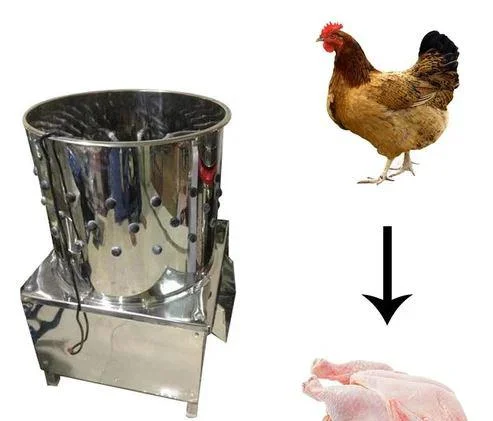
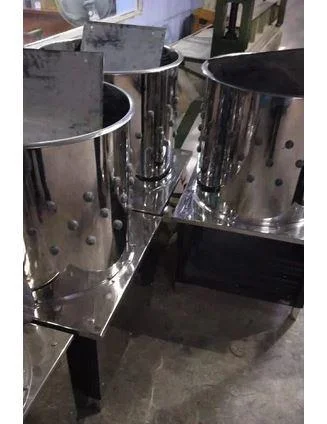
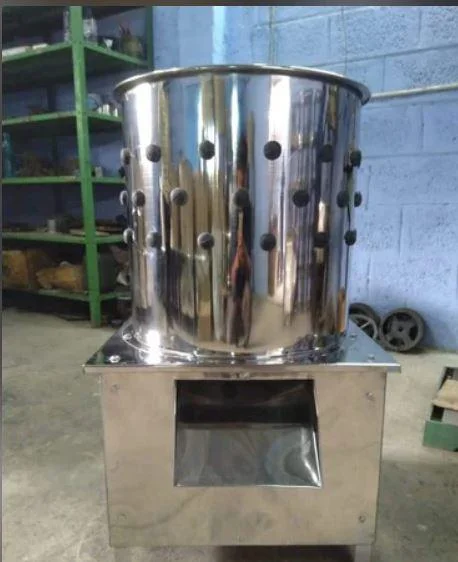
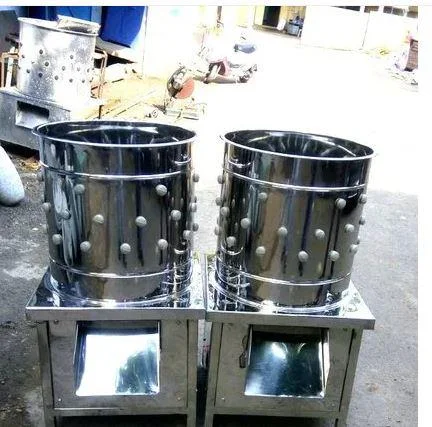
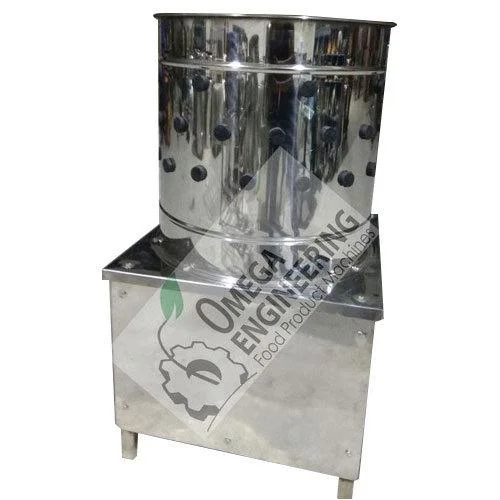
Automatic Chicken Feather Cleaning Machine For Poultry Processing
DHOPESHWAR & SONS
Distillery Blender Premium Stainless Steel 304 High Speed Liquor Mixer
Distillery Stainless Steel Blenders For Whiskey Rum Brandy Gin
Industrial Distillery Blenders Stainless Steel High Speed Liquor Mixing
Caretech Pharmaceuticals
Neoxy K Wsp Water Soluble Growth Promoter Powder For Poultry Livestock
Poultry Calcium Supplement Neuortho Forte Liquid For Bone Health
Electrovet WSP Poultry Cattle Electrolyte Supplement Heat Stress Dehydration
Klassik International Equipments
Poultry Farm Automatic Bell Drinker 320mm For 60 Birds Low Maintenance
OEM Baby Chick Drinker Easy Install New Poultry Farm Supply
Poultry Farm Baby Chick Guard Easy Install Durable Plastic
Venkateswara Engineering Works
Industrial Heavy Duty Cake Kneader with CI Body and SS Drum
Industrial Cake Kneader Heavy Duty Dough Mixer CI Body SS Drum 1 HP
Commercial Fully Automatic Chapati Machine For High Volume Production
Gartech Equipments Pvt Ltd
Poultry Farm Automated Egg Collection Nest System Eco Friendly Durable
Industrial Fan Pad Cooling System Galvanized Steel Evaporative Climate Control
Poultry Farm Automatic Feeding System Eco Friendly Durable Non Metal
Amma Engineering Pvt Ltd
Truck Mounted Cranes For Construction And Logistics Lifting
Mahindra Navistar MN 31 Tipper Body For Heavy Duty Construction Mining
Heavy Duty Truck Container Bodies For Logistics And Industrial Transport
Annai Engineering Enterprises
Industrial Fogger Nozzles High Grade Brass Stainless Steel Fine Mist
Poultry Farming Metal Nipple Drinker Reliable Durable Standard 360 Deg
Premium Chick Drinker For Poultry Farms Durable Non Metal Standard
Why Businesses Trust Pepagora
Thousands of companies trust Pepagora to source smarter and sell faster
Expand Your Sales Globally
25000+Products listed.Get discovered by global buyers
Tools to boost visibility
Build your own catalog

Source Smarter,Grow Faster
4000+Active RFQs
100+ Countries served
Easy Sourcing Tools
