
 IN
INundefined
Power Cables
267 products available
𝗪𝗵𝗮𝘁 𝗮𝗿𝗲 𝗣𝗼𝘄𝗲𝗿 𝗖𝗮𝗯𝗹𝗲𝘀?
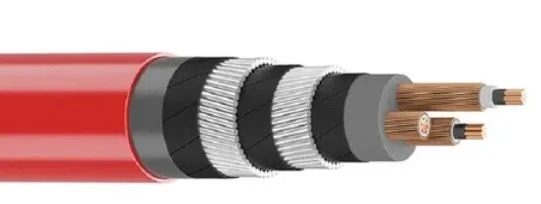
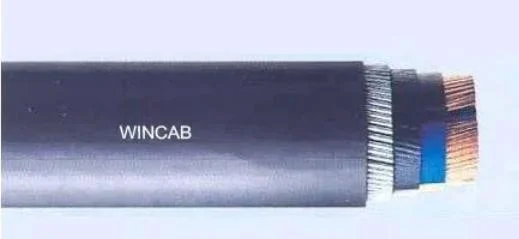
Power cables are essential electrical conductors used to transmit electrical energy from one point to another. They consist of conductors that carry the current, insulation that protects against electrical leakage, and sometimes additional layers for mechanical protection. Typically, power cables are designed to handle high voltages and currents, making them critical components in various electrical systems.
These cables are commonly used in a variety of business applications, including power generation, distribution, and industrial operations. They serve as the backbone for electrical networks, connecting power plants to substations and distribution points. Additionally, power cables are utilized in commercial buildings, manufacturing facilities, and infrastructure projects, highlighting their importance in maintaining a reliable power supply.
The market for power cables is vast and continues to grow due to increasing energy demands and advancements in technology. As industries evolve and expand, the need for efficient and reliable power transmission becomes ever more crucial. This relevance in various sectors, including construction, utilities, and manufacturing, positions power cables as a key component in modern electrical systems.
𝗞𝗲𝘆 𝗙𝗲𝗮𝘁𝘂𝗿𝗲𝘀 𝗮𝗻𝗱 𝗦𝗽𝗲𝗰𝗶𝗳𝗶𝗰𝗮𝘁𝗶𝗼𝗻𝘀
Power cables come with distinct features and specifications that determine their performance and suitability for specific applications. Understanding these specifications is crucial for selecting the right cable for your needs.
Key specifications include:
1. Voltage Rating
- Indicates the maximum voltage the cable can handle safely.
- Common ratings include 600V, 1kV, and up to 35kV.
2. Conductor Material
- Typically made of copper or aluminum, influencing conductivity and weight.
- Copper offers better conductivity, while aluminum is lighter and less expensive.
3. Insulation Type
- Determines the cable’s resistance to environmental factors.
- Common types include PVC, XLPE, and rubber.
4. Temperature Rating
- Specifies the maximum and minimum operating temperatures.
- Common ranges are from -20°C to 90°C.
5. Armor Type
- Provides mechanical protection from physical damage.
- Options include unarmored, steel wire armored, and aluminum wire armored.
6. Sheath Material
- Protects the cable from moisture and chemicals.
- Can be made from PVC, PE, or other materials.
7. Length Options
- Available in various lengths to accommodate different installation needs.
- Custom lengths may also be available upon request.
8. Compliance Standards
- Ensures the cable meets industry safety and performance standards.
- Common certifications include CE.
Understanding these features helps in making informed choices when selecting power cables for various applications.
𝗖𝗼𝗺𝗺𝗼𝗻 𝗔𝗽𝗽𝗹𝗶𝗰𝗮𝘁𝗶𝗼𝗻𝘀 𝗮𝗻𝗱 𝗨𝘀𝗲 𝗖𝗮𝘀𝗲𝘀
Power cables are versatile and find applications across multiple industries, ensuring efficient energy transport.
1. Energy Sector: Power cables are vital in electricity generation and distribution. They connect power plants to transmission grids, ensuring reliable energy supply.
2. Construction: In construction sites, power cables provide electricity for tools and machinery. They are essential for temporary power setups during building projects.
3. Manufacturing: Factories use power cables to connect machinery to power sources. This ensures efficient operations and minimizes downtime.
4. Transportation: Railways and public transit systems utilize power cables for electrification, supporting trains and trams with necessary power.
5. Telecommunications: Power cables support data centers and communication networks, ensuring that systems remain operational and efficient.
6. Mining: In mining operations, power cables are used to power equipment and support extraction processes, often in challenging environments.
7. Renewable Energy: Power cables play a crucial role in connecting solar panels and wind turbines to the grid, facilitating the transition to sustainable energy sources.
𝗣𝗿𝗼𝗱𝘂𝗰𝘁 𝗩𝗮𝗿𝗶𝗮𝗻𝘁𝘀 𝗮𝗻𝗱 𝗦𝘂𝗯𝗰𝗮𝘁𝗲𝗴𝗼𝗿𝗶𝗲𝘀
Power cables come in various forms, each tailored for specific applications and environments.
Low Voltage Power Cables
These cables are designed for applications below 1kV. They are commonly used in residential and commercial buildings for wiring and lighting.
Medium Voltage Power Cables
With voltage ratings between 1kV and 35kV, these cables are utilized in industrial plants and utility networks for efficient power distribution.
High Voltage Power Cables
Rated over 35kV, these cables are critical for long-distance transmission and are often used in substations and large-scale power generation facilities.
Flexible Power Cables
These cables are designed for mobility and ease of handling. They are ideal for applications requiring frequent movement or bending.
𝗕𝗲𝗻𝗲𝗳𝗶𝘁𝘀 𝗮𝗻𝗱 𝗔𝗱𝘃𝗮𝗻𝘁𝗮𝗴𝗲𝘀
Choosing the right power cables offers several advantages that enhance operational efficiency and safety.
1. Reliability: Power cables provide a dependable means of electricity transmission, ensuring that operations run smoothly without interruptions.
2. Safety: Quality power cables are designed to meet safety standards, minimizing the risk of electrical hazards.
3. Efficiency: High-quality cables reduce energy loss during transmission, leading to lower operational costs.
4. Versatility: Power cables can be used in various applications across multiple industries, making them an adaptable solution for different needs.
5. Durability: With proper insulation and protective layers, power cables can withstand harsh conditions, extending their lifespan.
6. Compliance: Many power cables meet industry standards and certifications, ensuring they are suitable for regulatory needs.
𝗕𝘂𝘆𝗶𝗻𝗴 𝗚𝘂𝗶𝗱𝗲 𝗳𝗼𝗿 𝗕𝟮𝗕 𝗕𝘂𝘆𝗲𝗿𝘀
When sourcing power cables for business needs, several factors should be considered to ensure the right choice.
1. Quality Assessment: Evaluate the quality of the cables by reviewing certifications and standards they meet. Look for cables that have undergone rigorous testing for safety and performance.
2. Supplier Verification: Vet suppliers to ensure they are reliable and have a good reputation in the industry. Check reviews and seek recommendations from other businesses.
3. Pricing and MOQ: Understand the pricing structure and any minimum order quantities. Compare quotes from different suppliers to find cost-effective solutions.
4. Delivery and Lead Times: Assess the logistics involved in the delivery of power cables. Ensure the supplier can meet your timeline requirements for project completion.
5. Compliance Requirements: Be aware of relevant regulatory standards that apply to your industry. Ensure that the cables you source comply with these requirements to avoid legal issues.
𝗖𝗼𝗺𝗽𝗹𝗶𝗮𝗻𝗰𝗲 𝗮𝗻𝗱 𝗖𝗲𝗿𝘁𝗶𝗳𝗶𝗰𝗮𝘁𝗶𝗼𝗻𝘀
Power cables must adhere to various quality standards and regulations to ensure safety and reliability. Compliance with ISO 9001 is often required, as this standard ensures that products meet customer and regulatory requirements.
Industry certifications such as CE indicate that the cables comply with EU safety, health, and environmental protection standards. These certifications are critical for market acceptance and assurance of product quality.
In addition to these standards, safety and testing requirements must be met. This includes assessments for temperature extremes, moisture resistance, and mechanical durability.
Regional compliance can also vary, necessitating awareness of local regulations when sourcing power cables for different geographic markets.
𝗪𝗵𝘆 𝗦𝗼𝘂𝗿𝗰𝗲 𝗣𝗼𝘄𝗲𝗿 𝗖𝗮𝗯𝗹𝗲𝘀 𝗳𝗿𝗼𝗺 𝗣𝗲𝗽𝗮𝗴𝗼𝗿𝗮?
Pepagora offers a comprehensive platform for sourcing power cables, providing several key advantages for B2B buyers.
Verified Supplier Network: Pepagora ensures that all suppliers in the network have been thoroughly vetted. This guarantees that buyers can trust the quality and reliability of the products they source.
Streamlined RFQ Process: The request for quotation (RFQ) system simplifies the procurement process. Buyers can easily submit their requirements and receive competitive quotes from multiple suppliers.
Trade Assurance and Support: Pepagora provides buyer protection through trade assurance services. This adds a layer of security for transactions, ensuring that buyers are protected against potential issues.
Regional Coverage: With a strong presence in India, GCC, and Southeast Asia, Pepagora facilitates access to a wide range of suppliers. This geographical reach allows businesses to find the right power cables suited to their specific operational needs.
Newly Added
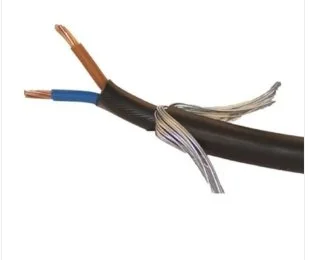


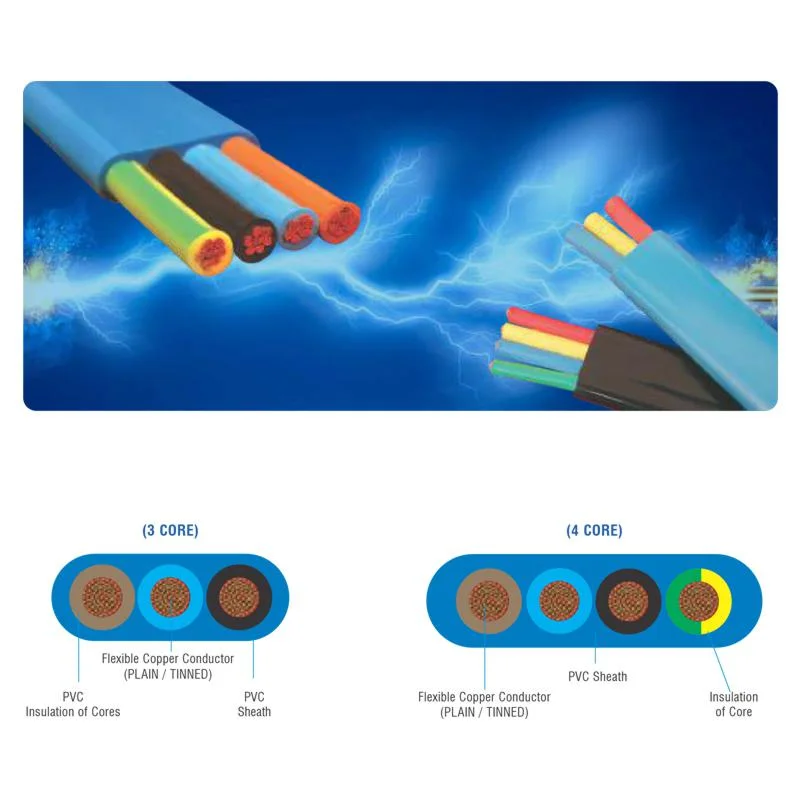

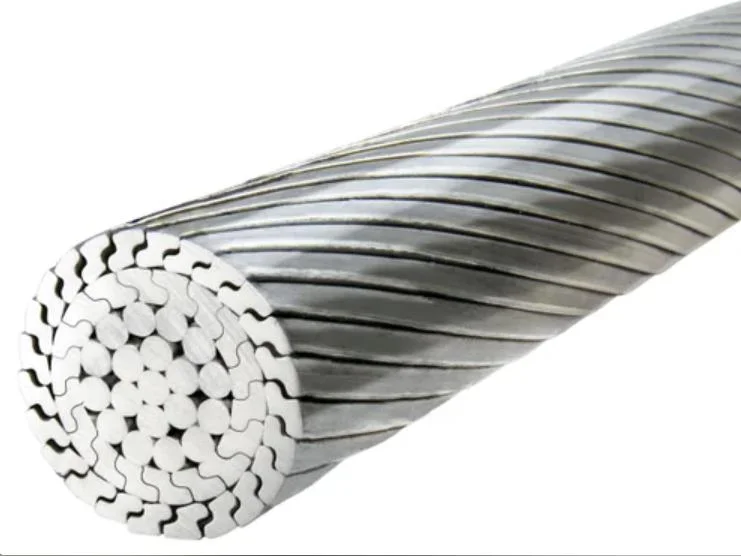
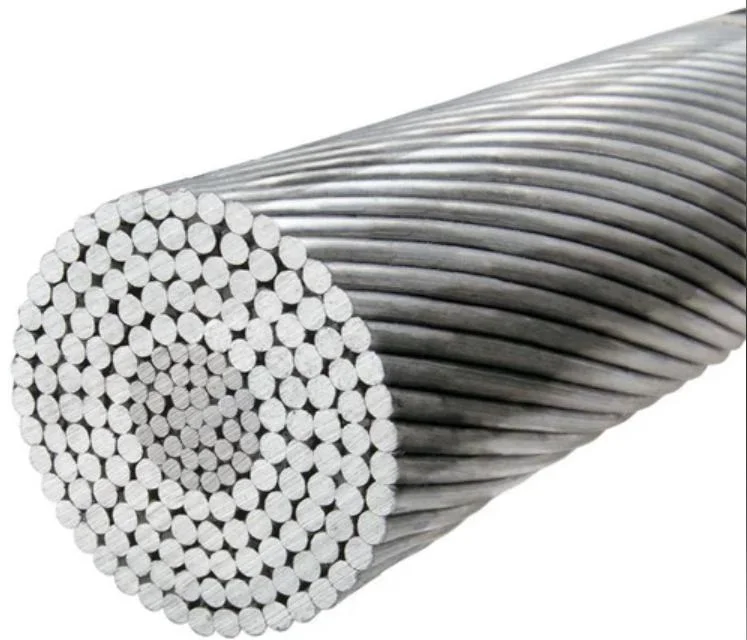




Recently Added
Krk Power Pvt Ltd
Industrial EHV Transformers For High Voltage Power Transmission
Special Purpose Transformers For Industrial Voltage And Load Requirements
Industrial Special Purpose Transformers For Reliable Power Solutions
Paras Wires Pvt Ltd
Industrial Commercial UL Approved Cables Certified Safety Durable
Industrial Commercial UL Certified Flexible Cords Cables 300V 600V 40C 105C
ZHFR Zero Halogen Fire Retardant Cables For High Risk Safety
Mittal & Brothers
Premium Polycab Multicore Cable Wires For Industrial And Commercial Electrical Systems
Premium Aerial Bunched Cables For Overhead Power Distribution
Premium Submersible Cables High Tensile Strength Heat Resistant 1300C
Yog Electrical
Industrial Electrical Distribution 11KV 33KV Air Break Switches
Premium Mild Steel Beams For Construction And Engineering
Premium Stay Wire For Electrical And Telecom Infrastructure Support
Maruti Technologies
Industrial Automation Premium A.C. Drives For Motor Control Efficiency
Industrial Plugs And Sockets IP44 To IP67 Water Dust Proof
Industrial Cable Drum 25m Extension 32A IP44 Overload Protection
Jaya Electronics
Industrial PTFE Multicore Wires High Temperature Signal Transmission
Industrial PTFE Thermocouple Wires For Extreme Temperature Measurement
Aerospace Military Medical PTFE Equipment Wires High Performance Durable
Modern Pumps & Electricals
Submersible Power Station Cable Copper PVC Insulated Durable
Industrial Water Management Hydraulic Submersible Pump High Pressure Single Stage
Industrial Vertical V4 Open Well Submersible Pump 180 240V AC/DC
SPR Electricals
Medium Voltage Copper Electrical Cables For Building Power Stations
Premium TV Power Cables Copper PVC Low Voltage Reliable Durable
Premium Telephone Coaxial Cable Copper Polyester Insulation Standard
Kenter Cables
Industrial Power Distribution XLPE Cables High Current Moisture Resistant
Premium PVC Power Cables For Low Voltage Industrial Applications
Industrial PVC Control Cables Oil Resistant For Power Stations
Jaydeep Metal India
Premium Aluminum Alloys For Industrial Manufacturing And Construction
Industrial EC Grade Copper Sheets Foils Pipes High Conductivity
Industrial Brass Rods High Strength Corrosion Resistant Machining
Why Businesses Trust Pepagora
Thousands of companies trust Pepagora to source smarter and sell faster
Expand Your Sales Globally
25000+Products listed.Get discovered by global buyers
Tools to boost visibility
Build your own catalog

Source Smarter,Grow Faster
4000+Active RFQs
100+ Countries served
Easy Sourcing Tools
