
 IN
INundefined
Post-Emergent Herbicides
1 products available
𝗪𝗵𝗮𝘁 𝗮𝗿𝗲 𝗣𝗼𝘀𝘁-𝗘𝗺𝗲𝗿𝗴𝗲𝗻𝘁 𝗛𝗲𝗿𝗯𝗶𝗰𝗶𝗱𝗲𝘀?
Post-emergent herbicides are chemical products designed to control unwanted plants after they have emerged from the soil. Unlike pre-emergent herbicides, which prevent weed seeds from germinating, post-emergent formulations act on actively growing weeds. These herbicides target various types of unwanted vegetation, including broadleaf weeds and grasses, making them essential tools for maintaining the health of crops, lawns, and landscaped areas.
In business applications, post-emergent herbicides are widely used in agriculture, horticulture, and landscaping. They are particularly beneficial for farmers looking to protect their crops from competing weeds that can reduce yield and quality. Additionally, landscaping professionals utilize these products to maintain aesthetically pleasing environments by controlling invasive plant species. The growing focus on sustainable agriculture and effective weed management has increased the relevance of post-emergent herbicides in various industries, making them a vital component of integrated pest management strategies.
𝗞𝗲𝘆 𝗙𝗲𝗮𝘁𝘂𝗿𝗲𝘀 𝗮𝗻𝗱 𝗦𝗽𝗲𝗰𝗶𝗳𝗶𝗰𝗮𝘁𝗶𝗼𝗻𝘀
Post-emergent herbicides are characterized by several key features that enhance their effectiveness and usability in various applications. Understanding these specifications is crucial for selecting the right product for specific needs.
Key specifications include:
1. Active Ingredients
- Common active ingredients include glyphosate, dicamba, and 2,4-D.
- Concentration levels vary by formulation, affecting efficacy.
2. Mode of Action
- Systemic herbicides are absorbed by the plant and transported to growth sites.
- Contact herbicides work on direct application, affecting only the parts touched.
3. Application Rate
- Recommended rates typically range from 1 to 3 quarts per acre.
- Variations depend on weed species and growth stage.
4. Rainfastness
- Most products require a specific time to be rainfast, typically 1 to 2 hours.
- Rainfastness indicates how long the herbicide remains effective after application.
5. Environmental Impact
- Formulations may be designed to minimize drift and runoff.
- Biodegradable options are available for eco-conscious applications.
6. Packaging Options
- Available in various sizes, including bulk, drums, and ready-to-use containers.
- Packaging should ensure product stability and ease of use.
7. Shelf Life
- Generally, post-emergent herbicides have a shelf life of 2 to 5 years.
- Proper storage conditions can extend the usable life.
8. Safety Precautions
- Each product is accompanied by detailed safety data sheets.
- Personal protective equipment (PPE) guidelines are provided for applicators.
In summary, understanding the features and specifications of post-emergent herbicides equips buyers with the knowledge needed to choose effective solutions for weed management.
𝗖𝗼𝗺𝗺𝗼𝗻 𝗔𝗽𝗽𝗹𝗶𝗰𝗮𝘁𝗶𝗼𝗻𝘀 𝗮𝗻𝗱 𝗨𝘀𝗲 𝗖𝗮𝘀𝗲𝘀
Post-emergent herbicides find application across various industries, each with specific uses and benefits.
1. Agriculture: Farmers utilize post-emergent herbicides to protect crops from weeds that compete for nutrients, water, and sunlight. This enhances crop quality and yield.
2. Horticulture: Gardeners and horticulturists apply these herbicides to manage unwanted vegetation in flower beds and ornamental gardens, ensuring that desired plants thrive.
3. Landscaping: Landscaping professionals use post-emergent herbicides to maintain aesthetically pleasing spaces by controlling invasive weeds and ensuring healthy lawns.
4. Turf Management: Sports field managers and golf course superintendents apply these products to keep turf healthy and free of weeds that could impact playability.
5. Forestry: In forestry applications, post-emergent herbicides help manage underbrush and invasive species, promoting the growth of desired trees and plants.
6. Industrial Sites: Facilities managing industrial sites use these herbicides to control vegetation around buildings, roads, and other infrastructure, preventing damage and maintaining safety.
7. Rights-of-Way: Utility companies apply post-emergent herbicides along power lines and railways to manage vegetation that may obstruct access or pose safety hazards.
𝗣𝗿𝗼𝗱𝘂𝗰𝘁 𝗩𝗮𝗿𝗶𝗮𝗻𝘁𝘀 𝗮𝗻𝗱 𝗦𝘂𝗯𝗰𝗮𝘁𝗲𝗴𝗼𝗿𝗶𝗲𝘀
Post-emergent herbicides are diverse in formulation and application, catering to a range of needs across different sectors.
Herbicide Concentrate
This variant is highly concentrated and requires dilution before application. It is ideal for large agricultural operations where precise control over application rates is necessary.
Ready-to-Use Formulation
This variant comes pre-diluted and is convenient for smaller applications such as home gardens or landscaping projects. It allows users to apply directly without additional mixing.
Selective Post-Emergent Herbicides
These products are designed to target specific weed species while sparing desirable plants. They are commonly used in turf management and ornamental gardens.
Non-Selective Post-Emergent Herbicides
These formulations kill all vegetation they come into contact with, making them suitable for clearing unwanted weeds in non-crop areas.
𝗕𝗲𝗻𝗲𝗳𝗶𝘁𝘀 𝗮𝗻𝗱 𝗔𝗱𝘃𝗮𝗻𝘁𝗮𝗴𝗲𝘀
Post-emergent herbicides offer numerous advantages for effective weed management across various applications.
Key benefits include:
1. Effective Weed Control: These herbicides are specifically designed to target and eliminate existing weeds, ensuring better crop yields and healthier landscapes.
2. Versatility: Post-emergent herbicides can be used in a variety of settings, including agriculture, horticulture, and landscaping, making them a flexible choice for different needs.
3. Time Efficiency: By acting quickly on weeds, these products reduce competition for resources, allowing plants to grow healthier and more robust.
4. Customizable Application: With different formulations available, users can select products tailored to their specific weed problems and environmental conditions.
5. Integration with Other Practices: Post-emergent herbicides can be part of an integrated pest management strategy, working alongside cultural and mechanical weed control methods.
6. Cost-Effectiveness: Effective weed control can lead to improved crop yields and reduced costs associated with manual weeding or other control methods.
𝗕𝘂𝘆𝗶𝗻𝗴 𝗚𝘂𝗶𝗱𝗲 𝗳𝗼𝗿 𝗕𝟮𝗕 𝗕𝘂𝘆𝗲𝗿𝘀
When sourcing post-emergent herbicides, it is essential to consider several factors to ensure the right product selection.
1. Quality Assessment: Evaluate products based on efficacy, active ingredients, and manufacturer reputation. Quality assurance measures such as third-party testing can provide additional confidence.
2. Supplier Verification: Verify suppliers by checking credentials, reviews, and certifications. A reliable supplier will have a proven track record and offer transparent communication.
3. Pricing and MOQ: Compare pricing across different suppliers while considering minimum order quantities. This helps in budgeting and ensures you are getting the best value for your investment.
4. Delivery and Lead Times: Understand the lead times for product delivery, as this can affect your scheduling and operations. Confirm that suppliers can meet your required timelines.
5. Compliance Requirements: Ensure the products meet local and regional regulatory standards. Compliance with safety and environmental regulations is crucial for responsible usage.
𝗖𝗼𝗺𝗽𝗹𝗶𝗮𝗻𝗰𝗲 𝗮𝗻𝗱 𝗖𝗲𝗿𝘁𝗶𝗳𝗶𝗰𝗮𝘁𝗶𝗼𝗻𝘀
Post-emergent herbicides are subject to various compliance and certification standards to ensure safety and effectiveness in use. Adherence to quality standards such as ISO 9001 and HACCP can indicate that products are manufactured under stringent guidelines, ensuring consistency and reliability.
Industry certifications like CE validate that the products meet European safety, health, and environmental protection standards, providing additional assurance for buyers.
Safety and testing requirements are critical, with many products undergoing rigorous evaluations before reaching the market. This includes both efficacy tests and assessments for potential environmental impact.
Regional compliance considerations are also important, as regulations may vary significantly across different areas. Buyers should familiarize themselves with local regulations governing the usage of herbicides to ensure compliance.
𝗪𝗵𝘆 𝗦𝗼𝘂𝗿𝗰𝗲 𝗣𝗼𝘀𝘁-𝗘𝗺𝗲𝗿𝗴𝗲𝗻𝘁 𝗛𝗲𝗿𝗯𝗶𝗰𝗶𝗱𝗲𝘀 𝗳𝗿𝗼𝗺 𝗣𝗲𝗽𝗮𝗴𝗼𝗿𝗮?
Pepagora provides a trusted platform for sourcing post-emergent herbicides, offering numerous advantages to buyers in need of reliable products.
Verified Supplier Network: Pepagora collaborates with a network of verified suppliers, ensuring that buyers can access high-quality herbicides from reputable manufacturers. This verification process helps mitigate risks associated with sourcing.
Streamlined RFQ Process: The request for quotation (RFQ) process is straightforward, allowing buyers to quickly obtain pricing and product information. This efficiency saves time and simplifies decision-making.
Trade Assurance and Support: Pepagora offers trade assurance and buyer protection, giving customers peace of mind throughout their purchasing journey. Support is available to address any concerns that may arise.
Regional Coverage: With a presence in India, the GCC, and Southeast Asia, Pepagora has a wide geographic reach. This allows for local expertise and timely support, catering to the specific needs of buyers in different regions.
Newly Added


Recently Added
Agastya Bio-Tech
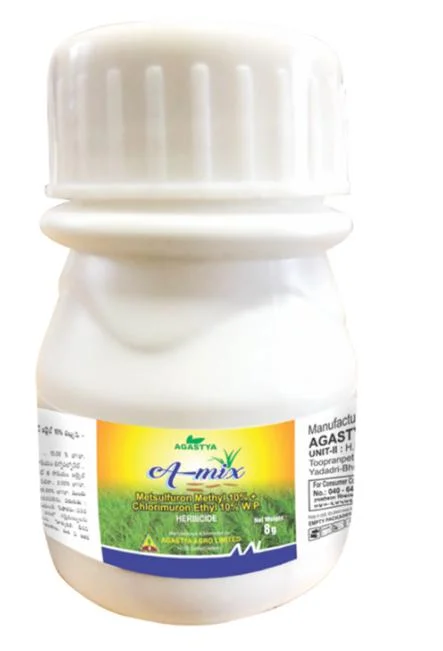
A Mix Herbicide For Transplanted Paddy Early Post Emergent Weed Control
Aalprit Pre Emergent Herbicide For Transplanted Paddy Weed Control
Agastya Aalquit 24% Paraquat Dichloride SL Herbicide For Preplant Weed Control
Why Businesses Trust Pepagora
Thousands of companies trust Pepagora to source smarter and sell faster
Expand Your Sales Globally
25000+Products listed.Get discovered by global buyers
Tools to boost visibility
Build your own catalog

Source Smarter,Grow Faster
4000+Active RFQs
100+ Countries served
Easy Sourcing Tools
