
 IN
INundefined
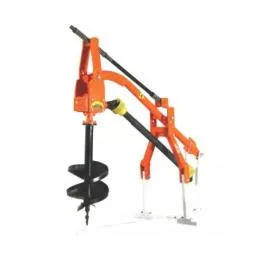
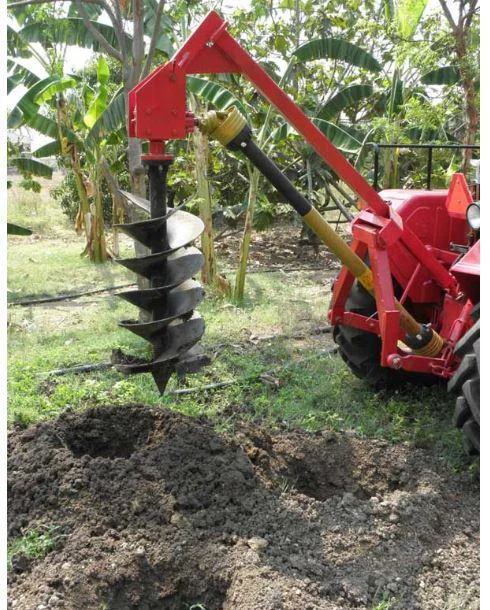
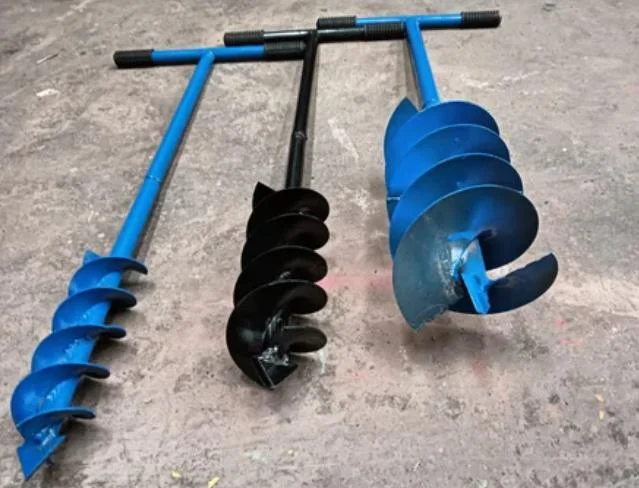
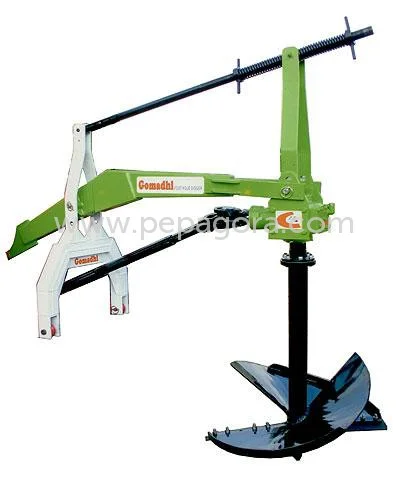
Post Hole Diggers
4 products available
𝗪𝗵𝗮𝘁 𝗮𝗿𝗲 𝗣𝗼𝘀𝘁 𝗛𝗼𝗹𝗲 𝗗𝗶𝗴𝗴𝗲𝗿𝘀?
Post hole diggers are specialized tools designed for creating deep, narrow holes in the ground, primarily for the installation of fence posts, signs, and other vertical structures. These tools come in various designs, including manual and powered options, and are essential for professionals in construction, landscaping, and agricultural sectors. By allowing users to efficiently excavate soil with precision, post hole diggers simplify the process of setting posts securely in the ground.
The primary applications of post hole diggers are found in various industries, including construction, landscaping, and agriculture. In construction, they are used to establish foundations for fences and signs. Landscapers utilize them for planting trees, shrubs, and other vegetation. In agriculture, post hole diggers assist in setting up posts for livestock fencing or trellises for crops. Their versatility makes them an invaluable tool across many sectors, contributing significantly to project efficiency and effectiveness.
In the current market, post hole diggers are relevant due to the growing demand for outdoor structures and landscaping projects. As urban development continues to expand, the need for reliable tools that can aid in the quick and efficient installation of posts has become critical. Businesses focused on construction and landscaping increasingly rely on these tools to meet the demands of their clients while maintaining high standards of quality and safety.
𝗞𝗲𝘆 𝗙𝗲𝗮𝘁𝘂𝗿𝗲𝘀 𝗮𝗻𝗱 𝗦𝗽𝗲𝗰𝗶𝗳𝗶𝗰𝗮𝘁𝗶𝗼𝗻𝘀
Post hole diggers come with a variety of features and specifications that cater to different user needs. Understanding these key specifications is essential for businesses looking to invest in these tools to ensure they choose the right model for their applications.
Key specifications include:
1. Type of Digging Mechanism
- Manual or powered options available
- Manual models require physical effort, while powered models offer enhanced efficiency
2. Handle Length
- Typically ranges from 36 to 60 inches
- Longer handles provide better leverage for deep digging
3. Auger Diameter
- Common sizes range from 6 inches to 12 inches
- Diameter choice depends on the specific application and post size
4. Material Composition
- Usually made from steel or heavy-duty plastic
- Steel offers durability and strength, while plastic versions may be lighter
5. Weight
- Manual models generally weigh between 5 to 15 pounds
- Powered models can weigh significantly more, depending on the motor size
6. Depth Capacity
- Capable of digging holes up to 48 inches deep
- Depth capacity varies based on the model and digging mechanism
7. Grip Type
- Ergonomic grips are standard in many models
- Grips enhance user comfort and control during operation
8. Safety Features
- Some models include safety locks and reinforced handles
- Safety features help prevent accidents during use
In summary, understanding these specifications is crucial for businesses to select the appropriate post hole digger that meets their operational needs and enhances productivity.
𝗖𝗼𝗺𝗺𝗼𝗻 𝗔𝗽𝗽𝗹𝗶𝗰𝗮𝘁𝗶𝗼𝗻𝘀 𝗮𝗻𝗱 𝗨𝘀𝗲 𝗖𝗮𝘀𝗲𝘀
Post hole diggers play a vital role in a variety of industries, making them indispensable tools for various applications.
1. Construction: In the construction sector, post hole diggers are used to set fence posts, utility poles, and signs. Their precision helps ensure structural integrity.
2. Landscaping: Landscapers utilize post hole diggers to plant trees, shrubs, and garden embellishments. This tool allows for deep planting in challenging soil conditions.
3. Agriculture: Farmers use post hole diggers to install fencing for livestock and to support trellises for crops. Their efficiency aids in quick installations.
4. Municipal Projects: Local governments often employ post hole diggers for installing public signage and light poles, ensuring community safety and information dissemination.
5. Sports Facilities: In sports management, post hole diggers are essential for setting up goalposts and fencing around fields, enhancing player safety and organization.
6. Home Improvement: DIY enthusiasts use post hole diggers for personal projects such as building fences or garden structures, allowing for professional-quality results.
7. Utility Installation: Utility companies utilize these diggers to install poles for electrical and telecommunications services, ensuring reliable infrastructure.
𝗣𝗿𝗼𝗱𝘂𝗰𝘁 𝗩𝗮𝗿𝗶𝗮𝗻𝘁𝘀 𝗮𝗻𝗱 𝗦𝘂𝗯𝗰𝗮𝘁𝗲𝗴𝗼𝗿𝗶𝗲𝘀
Post hole diggers come in a variety of forms, catering to diverse user requirements and preferences.
Manual Post Hole Diggers: These are traditional models that require physical effort to operate. They are typically lightweight and easy to transport, making them ideal for small projects and residential use.
Powered Post Hole Diggers: These models are equipped with electric or gas-powered engines, allowing for rapid and efficient digging. They are suitable for larger projects and heavy-duty applications, significantly reducing the time required for installation.
Auger Attachments: Some powered models can be equipped with various auger attachments, offering flexibility in hole diameter and depth based on specific project needs. These attachments enhance the versatility of powered diggers.
𝗕𝗲𝗻𝗲𝗳𝗶𝘁𝘀 𝗮𝗻𝗱 𝗔𝗱𝘃𝗮𝗻𝘁𝗮𝗴𝗲𝘀
Investing in post hole diggers offers numerous benefits that enhance operational efficiency and project outcomes.
1. Time Efficiency: Post hole diggers significantly reduce the time required to dig holes compared to manual methods, allowing for quicker project completion.
2. Precision: These tools provide accuracy in hole placement and depth, essential for ensuring stability in installed structures.
3. Versatility: Suitable for various applications, post hole diggers can be used across industries, making them a valuable addition to any toolkit.
4. Ergonomics: Many models are designed with user comfort in mind, featuring ergonomic grips that reduce strain during prolonged use.
5. Cost-Effectiveness: By improving productivity and reducing labor costs, post hole diggers contribute to better overall project budgets.
6. Enhanced Safety: With built-in safety features, modern post hole diggers minimize the risk of accidents during operation, ensuring a safer working environment.
𝗕𝘂𝘆𝗶𝗻𝗴 𝗚𝘂𝗶𝗱𝗲 𝗳𝗼𝗿 𝗕𝟮𝗕 𝗕𝘂𝘆𝗲𝗿𝘀
When sourcing post hole diggers, businesses should consider several key factors to ensure optimal selection.
1. Quality Assessment: Evaluate the materials used in construction and the overall design of the digger. High-quality tools will withstand heavy use and provide reliable performance over time.
2. Supplier Verification: It is vital to vet suppliers thoroughly. Look for manufacturers with a good reputation and positive reviews to ensure that the products meet industry standards.
3. Pricing and MOQ: Understand the pricing structure and minimum order quantities, as these can vary significantly between suppliers. Evaluate the overall cost in relation to the value offered.
4. Delivery and Lead Times: Discuss logistics with suppliers to determine delivery times. Timely delivery is crucial for maintaining project schedules.
5. Compliance Requirements: Ensure that the products meet applicable regulations and industry standards. This may include safety certifications or environmental compliance.
𝗖𝗼𝗺𝗽𝗹𝗶𝗮𝗻𝗰𝗲 𝗮𝗻𝗱 𝗖𝗲𝗿𝘁𝗶𝗳𝗶𝗰𝗮𝘁𝗶𝗼𝗻𝘀
Post hole diggers must adhere to various compliance and certification standards to ensure safety and quality. Commonly recognized standards include ISO 9001, which focuses on quality management systems, ensuring that products are consistently produced to meet customer and regulatory requirements.
Industry certifications, such as CE marking, indicate that products comply with European safety, health, and environmental protection standards. These certifications are crucial for businesses looking to operate in international markets.
Additionally, safety and testing requirements are essential to guarantee that post hole diggers perform reliably and safely. Manufacturers should conduct rigorous testing to meet these standards, providing buyers with confidence in their products.
Regional compliance considerations may vary based on local regulations. It is important for businesses to be aware of these requirements to ensure legal operation of their tools.
𝗪𝗵𝘆 𝗦𝗼𝘂𝗿𝗰𝗲 𝗣𝗼𝘀𝘁 𝗛𝗼𝗹𝗲 𝗗𝗶𝗴𝗴𝗲𝗿𝘀 𝗳𝗿𝗼𝗺 𝗣𝗲𝗽𝗮𝗴𝗼𝗿𝗮?
Pepagora provides a trusted platform for sourcing post hole diggers, offering several key advantages for B2B buyers.
Verified Supplier Network: Pepagora features a network of verified suppliers, ensuring that buyers can access high-quality products from reputable manufacturers. This reduces the risk associated with sourcing tools from unverified sources.
Streamlined RFQ Process: The platform offers a straightforward request for quotation (RFQ) process, enabling buyers to easily compare prices and specifications from multiple suppliers. This transparency helps in making informed purchasing decisions.
Trade Assurance and Support: Pepagora provides trade assurance services, ensuring that buyers are protected throughout the transaction process. This support fosters confidence in procurement activities.
Regional Coverage: With a strong presence in India, the GCC, and Southeast Asia, Pepagora offers extensive regional coverage. This allows businesses to source post hole diggers tailored to their specific market needs while enjoying local support and expertise.
Newly Added


Recently Added
Gomadhi Engineering Service
OEM Rotary Tiller 30 40 HP 138 cm Width 30 Blades For Agriculture
Industrial OEM Rotary Drill High Pressure Diesel Metal Tiles Masonry Wood
Agricultural Spading Machine For Soil Preparation In Indian Conditions
Ramakumar Industries
Agricultural Landscaping Post Hole Digger Durable Tractor Attachment Replaceable Blades
Disc Type Earthing Up De Ridging Plough For Sugarcane Agricultural Applications
Sheet Type Earthing Up Plough For Sugarcane Banana Mini Tractor
Tirth Agro Technology Pvt Ltd
Agricultural Fertilizer Broadcaster For Uniform Distribution Across Fields
Agricultural Rotary Mulcher For Crop Residue Shredding And Soil Enhancement
Agricultural Post Hole Digger For Planting Trees And Installing Poles
Why Businesses Trust Pepagora
Thousands of companies trust Pepagora to source smarter and sell faster
Expand Your Sales Globally
25000+Products listed.Get discovered by global buyers
Tools to boost visibility
Build your own catalog

Source Smarter,Grow Faster
4000+Active RFQs
100+ Countries served
Easy Sourcing Tools
