
 IN
INundefined
Portable Generators
59 products available
𝗪𝗵𝗮𝘁 𝗮𝗿𝗲 𝗣𝗼𝗿𝘁𝗮𝗯𝗹𝗲 𝗚𝗲𝗻𝗲𝗿𝗮𝘁𝗼𝗿𝘀?
Portable generators are versatile power supply solutions designed to provide electricity in remote locations or during power outages. Unlike stationary generators, portable generators are lightweight and can be easily transported, making them ideal for various applications. They typically run on gasoline, diesel, or propane and can power essential appliances and tools, making them a crucial resource for businesses and individuals alike.
These generators are widely used in numerous sectors, including construction, outdoor events, and emergency preparedness. In construction sites, they power tools and equipment when grid power is unavailable. For outdoor events, they ensure a reliable energy source for lighting and sound systems. Additionally, businesses often rely on portable generators to maintain operations during unexpected power loss, thereby minimizing downtime and associated costs.
In terms of market context, the demand for portable generators continues to grow, driven by increased outdoor activities and the need for backup power solutions. As businesses look for reliable and efficient energy sources, manufacturers are innovating with more efficient designs and features that cater to specific industry needs.
𝗞𝗲𝘆 𝗙𝗲𝗮𝘁𝘂𝗿𝗲𝘀 𝗮𝗻𝗱 𝗦𝗽𝗲𝗰𝗶𝗳𝗶𝗰𝗮𝘁𝗶𝗼𝗻𝘀
Portable generators come equipped with various features that enhance their usability and efficiency. These features not only improve performance but also ensure safety during operation.
Key specifications include:
1. Power Output
- Measured in watts, this specification indicates the maximum power the generator can supply.
- Typical ranges are from 1,000 to 10,000 watts, accommodating various needs.
2. Fuel Type
- Portable generators can run on different fuels such as gasoline, diesel, or propane.
- Each fuel type has its own benefits in terms of availability and efficiency.
3. Run Time
- This indicates how long the generator can operate on a full tank of fuel.
- Run times can vary from 5 to 12 hours depending on load and fuel capacity.
4. Size and Weight
- The physical dimensions and weight are essential for portability.
- Most portable generators weigh between 50 to 200 pounds.
5. Noise Level
- Measured in decibels, this specification affects usability in residential areas.
- Typical noise levels range from 50 to 70 dB.
6. Starting Mechanism
- Options include manual pull start or electric start for convenience.
- Electric start systems are preferred for ease of use.
7. Outlets and Ports
- Generators come with various outlet types to accommodate different devices.
- Common outlets include standard 120V, 240V, and USB ports.
8. Safety Features
- Many models include features such as low oil shutdown and overload protection.
- These features enhance safety and prolong the generator's lifespan.
In summary, understanding these features and specifications is essential for selecting the right portable generator for specific needs and applications.
𝗖𝗼𝗺𝗺𝗼𝗻 𝗔𝗽𝗽𝗹𝗶𝗰𝗮𝘁𝗶𝗼𝗻𝘀 𝗮𝗻𝗱 𝗨𝘀𝗲 𝗖𝗮𝘀𝗲𝘀
Portable generators are utilized across a variety of industries and settings, providing flexible power solutions.
1. Construction: These generators supply electricity for tools and machinery on job sites where grid power is unavailable, ensuring continuous operation.
2. Events: For outdoor events such as concerts and festivals, portable generators provide necessary power for lighting, sound systems, and food vendors.
3. Emergency Services: During natural disasters or power outages, portable generators are crucial for emergency response teams, ensuring that essential services remain operational.
4. Camping and Recreational Use: Portable generators are popular among campers and outdoor enthusiasts, allowing them to power appliances and devices in remote locations.
5. Agriculture: Farmers use portable generators to power equipment and irrigation systems, especially in areas with unreliable electricity supply.
6. Home Backup: Many homeowners invest in portable generators to provide backup power during outages, ensuring continuity for refrigerators, heating systems, and medical devices.
7. Film and Photography: In the film industry, portable generators supply power for lighting and equipment in remote shooting locations.
𝗣𝗿𝗼𝗱𝘂𝗰𝘁 𝗩𝗮𝗿𝗶𝗮𝗻𝘁𝘀 𝗮𝗻𝗱 𝗦𝘂𝗯𝗰𝗮𝘁𝗲𝗴𝗼𝗿𝗶𝗲𝘀
Portable generators come in various types to suit different applications and user preferences.
Inverter Generators: These generators produce clean and stable power suitable for sensitive electronics. They are quieter and more fuel-efficient, making them ideal for camping and recreational use.
Conventional Generators: These generators provide high power output and are often used in heavy-duty applications like construction sites. They are generally more affordable but can be noisier.
Dual Fuel Generators: Offering versatility, these generators can run on both gasoline and propane. This feature provides users with flexibility in fuel choice and can be advantageous during emergencies.
Solar Generators: While not traditional portable generators, solar generators harness solar energy and provide a quiet, eco-friendly power solution. They are ideal for sustainable practices and outdoor activities.
𝗕𝗲𝗻𝗲𝗳𝗶𝘁𝘀 𝗮𝗻𝗱 𝗔𝗱𝘃𝗮𝗻𝘁𝗮𝗴𝗲𝘀
Investing in portable generators offers numerous advantages for businesses and individuals alike.
Key benefits include:
1. Portability: The lightweight design allows easy transportation, making them suitable for various applications.
2. Versatility: Portable generators can be used for a wide range of purposes, from powering tools on construction sites to serving as backup power at home.
3. Reliability: They provide a dependable source of electricity during outages, ensuring that critical operations continue without interruption.
4. Cost-Effective: Compared to permanent installations, portable generators are generally more affordable and require less investment.
5. Easy Maintenance: Most portable generators are designed for straightforward maintenance, allowing users to keep them in optimal condition with minimal effort.
6. Fuel Options: The availability of different fuel types provides users with flexibility and the ability to choose the most convenient and cost-effective option.
𝗕𝘂𝘆𝗶𝗻𝗴 𝗚𝘂𝗶𝗱𝗲 𝗳𝗼𝗿 𝗕𝟮𝗕 𝗕𝘂𝘆𝗲𝗿𝘀
When sourcing portable generators, several factors should be taken into account to ensure a suitable purchase.
1. Quality Assessment: Evaluate the quality of the generators by reviewing manufacturer reputation and product reviews. Look for generators that meet industry standards for performance and safety.
2. Supplier Verification: Vet potential suppliers to ensure they are reliable and can provide necessary documentation, including warranties and certifications.
3. Pricing and MOQ: Compare prices from different suppliers and consider minimum order quantities. Understanding the pricing structure can help in budgeting and negotiations.
4. Delivery and Lead Times: Check the delivery options and lead times for the generators to ensure they meet your project schedules. Timely delivery is crucial for maintaining operational continuity.
5. Compliance Requirements: Ensure that the generators comply with local regulations and safety standards. This may include certifications such as CE for safety and performance.
𝗖𝗼𝗺𝗽𝗹𝗶𝗮𝗻𝗰𝗲 𝗮𝗻𝗱 𝗖𝗲𝗿𝘁𝗶𝗳𝗶𝗰𝗮𝘁𝗶𝗼𝗻𝘀
Portable generators must adhere to various quality standards and certifications to ensure safety and reliability.
Relevant quality standards such as ISO 9001 establish a framework for quality management systems within manufacturing processes. Compliance to these standards signifies that the product meets consistent quality benchmarks.
Industry certifications, including CE marking, indicate that the generators meet European health, safety, and environmental protection standards. This certification is essential for gaining market access in Europe and other regions.
Safety and testing requirements are critical, as they ensure that the generators operate safely under specified conditions. Manufacturers should conduct comprehensive testing to verify performance and safety claims.
Regional compliance considerations also play a role, as different countries may have unique regulations regarding emissions and noise levels. Understanding these requirements is vital for businesses operating across borders.
𝗪𝗵𝘆 𝗦𝗼𝘂𝗿𝗰𝗲 𝗣𝗼𝗿𝘁𝗮𝗯𝗹𝗲 𝗚𝗲𝗻𝗲𝗿𝗮𝘁𝗼𝗿𝘀 𝗳𝗿𝗼𝗺 𝗣𝗲𝗽𝗮𝗴𝗼𝗿𝗮?
Pepagora provides a trusted platform for sourcing portable generators, delivering several key advantages to B2B buyers.
Verified Supplier Network: Pepagora connects buyers with a network of verified suppliers, ensuring that all partners meet stringent quality and reliability standards. This verification process helps mitigate risks associated with sourcing.
Streamlined RFQ Process: The request for quotation system on Pepagora simplifies the sourcing process, allowing buyers to compare offers from multiple suppliers quickly. This efficiency saves time and aids in making informed purchasing decisions.
Trade Assurance and Support: Pepagora offers trade assurance to protect buyers throughout the sourcing process. This support includes assistance with transactions and dispute resolution, enhancing buyer confidence.
Regional Coverage: With a strong presence in regions like India, GCC, and Southeast Asia, Pepagora provides access to a diverse range of suppliers and products. This geographic reach allows buyers to find the right portable generators tailored to their specific needs.
Newly Added






Recently Added
Bhagwati Generator
Industrial Generator Rentals For Construction Events Backup Power
Rent Premium Diesel Generators For Reliable Power Backup
Industrial Diesel Generator Rentals For Backup Power And Events
Dev Industries, Delhi
Industrial Commercial CPCB Compliant Diesel Generator Sets
Precision Armature Stamping For Electric Motors Reliability Performance
Industrial Alternator Generators 18 750 KVA Heavy Duty Power
Southern Radiator
Industrial Generator Radiators OEM Metal Construction Reliable Durable
Industrial Generator Radiators For Wind Power AC Three Phase CE Certified
Automotive Generator Radiators Aluminum Core Plastic Tank Brazed Welded
Axis Powerr Networks
Data Center Online UPS System For Critical Power Protection
Business Line Interactive UPS Systems 500VA To 1500VA Power Protection
Industrial Servo Voltage Stabilizers For Reliable Power Supply
PASCAL SYSTEMTECHNIK PVT. LTD.
Industrial Oil Filling And Filtration Trolley For Maintenance
Industrial Hydraulic System Anode Preparation For Corrosion Protection
Marine Construction Hydraulic Barge Jack Up Systems For Offshore Operations
Mago Thermal Energy Products
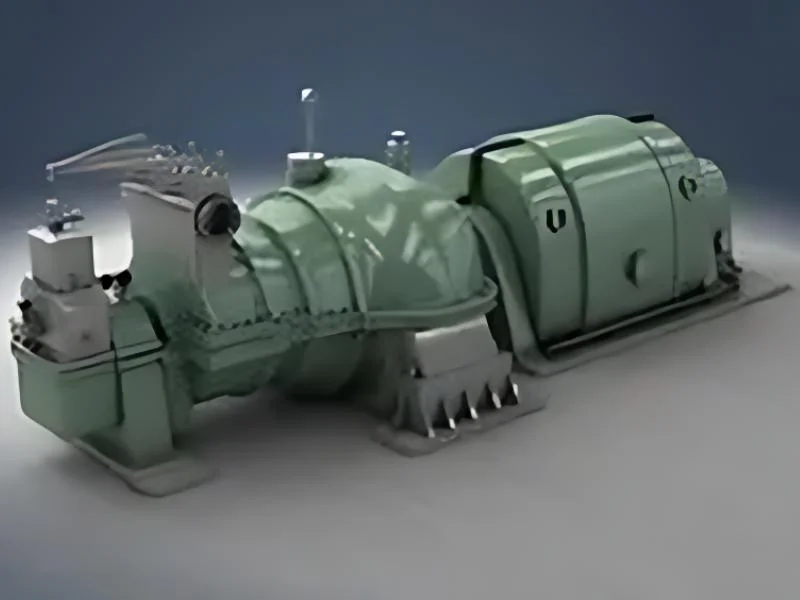
Industrial Steam Turbines For Reliable Power Generation
Industrial Power Generation High Efficiency Steam Turbines Durable
Industrial Boiler Dust Collectors High Efficiency Filtration High Temperature
Lamachinotech
Industrial Batch Ovens For Thermal Processing Curing Drying Heating
Industrial Blowers 0.5 20 HP ID FD Fan Ventilation Exhaust
Industrial Conveyorized Ovens For Drying Curing Pre Heating
Uni Tech Automation
Industrial Generator Kirloskar 15 KVA OEM Durable Metal
Ashok Leyland 82.5 KVA Industrial Generator New OEM Durable
Industrial CNC Lathe Super Jobber 500 290mm Diameter 450mm Length
Hi Power Generators India
Industrial Diesel Generator Sets For Uninterrupted Backup Power
Silent DG Sets For Hospitals Schools Offices Backup Power
Industrial Backup Power DG Sets For Hospitals And Commercial Use
Anshul Automation
Industrial Quick Couplings For Hydraulic Pneumatic Fluid Systems
Industrial Hydraulic Adapters High Pressure Leak Free Connections
Automotive Heaters For Commercial Vehicles And Fleets
Why Businesses Trust Pepagora
Thousands of companies trust Pepagora to source smarter and sell faster
Expand Your Sales Globally
25000+Products listed.Get discovered by global buyers
Tools to boost visibility
Build your own catalog

Source Smarter,Grow Faster
4000+Active RFQs
100+ Countries served
Easy Sourcing Tools
