
 IN
INundefined
Pomegranates
6 products available
𝗪𝗵𝗮𝘁 𝗮𝗿𝗲 𝗣𝗼𝗺𝗲𝗴𝗿𝗮𝗻𝗮𝘁𝗲𝘀?
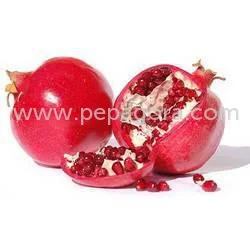
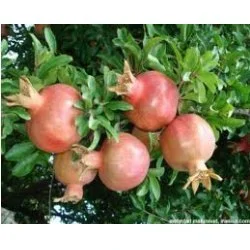
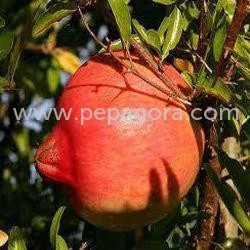
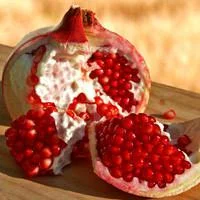
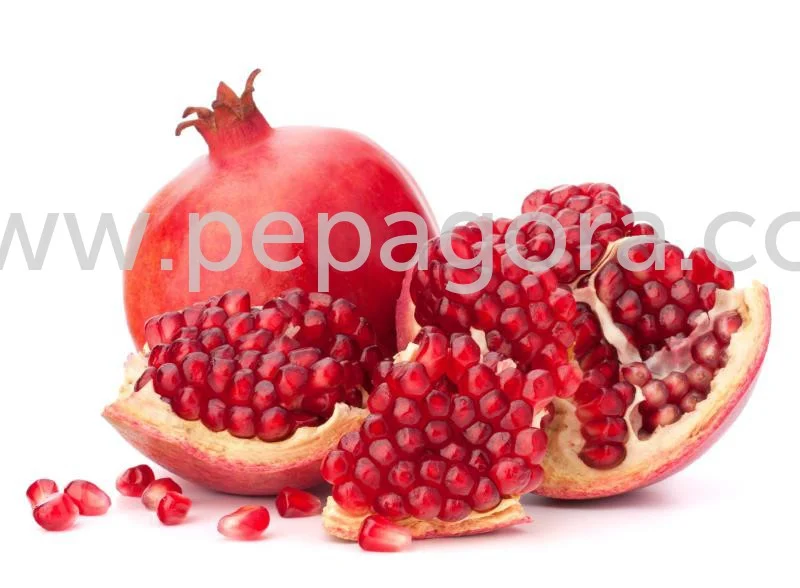
Pomegranates are a type of fruit-bearing shrub or small tree belonging to the family Lythraceae. The scientific name of the pomegranate is Punica granatum. Pomegranates are characterized by their round shape, thick, reddish skin, and juicy, seed-filled interior. Each pomegranate contains numerous arils, which are the edible seeds surrounded by a juicy, red pulp. The flavor profile is sweet and tart, making them a unique addition to various culinary applications.
In business applications, pomegranates are highly valued for their health benefits and culinary versatility. They are commonly used in juices, sauces, and salads. Additionally, pomegranates have gained popularity in the health and wellness industry due to their antioxidant properties. The market for pomegranates is expanding, driven by consumer interest in natural and healthy food options. As a result, they are increasingly incorporated into products ranging from beverages to skincare.
The relevance of pomegranates in various industries is significant. The fruit is widely cultivated in regions with Mediterranean climates, such as the Middle East, India, and parts of the United States. The global demand for pomegranates is rising, reflecting a growing awareness of their nutritional benefits and culinary uses. Businesses looking to capitalize on this trend can benefit from sourcing high-quality pomegranates to meet consumer needs.
𝗞𝗲𝘆 𝗙𝗲𝗮𝘁𝘂𝗿𝗲𝘀 𝗮𝗻𝗱 𝗦𝗽𝗲𝗰𝗶𝗳𝗶𝗰𝗮𝘁𝗶𝗼𝗻𝘀
Pomegranates come with a range of features and specifications that make them an attractive choice for businesses. Understanding these specifications can help buyers make informed sourcing decisions.
Key specifications include:
1. Size and Weight
- Pomegranates typically range from 150 to 500 grams in weight.
- The average diameter is between 7 to 12 centimeters.
2. Color
- The skin color varies from light pink to deep red.
- A bright, uniform color indicates ripeness and quality.
3. Taste Profile
- Pomegranates offer a balance of sweet and tart flavors.
- The taste can vary based on the variety and growing conditions.
4. Shelf Life
- Fresh pomegranates can last 1 to 2 months under proper storage conditions.
- The ideal storage temperature is between 5 to 10 degrees Celsius.
5. Nutritional Content
- Rich in vitamins C and K, fiber, and antioxidants.
- Low in calories, making them a healthy snack option.
6. Packaging
- Typically sold in bulk or in retail packaging.
- Packaging must ensure protection against bruising.
7. Origin
- Major producers include India, Iran, and the United States.
- Sourcing from reputable regions ensures quality.
8. Certification
- Pomegranates should meet food safety standards, including CE certification.
- Compliance with regulations ensures quality control.
In summary, understanding these specifications helps businesses select pomegranates that align with their quality standards and consumer expectations.
𝗖𝗼𝗺𝗺𝗼𝗻 𝗔𝗽𝗽𝗹𝗶𝗰𝗮𝘁𝗶𝗼𝗻𝘀 𝗮𝗻𝗱 𝗨𝘀𝗲 𝗖𝗮𝘀𝗲𝘀
Pomegranates find diverse applications across multiple industries, making them a versatile product.
1. Food and Beverage Industry: Pomegranates are widely used in juices, cocktails, sauces, and desserts. Their unique flavor and vibrant color enhance the appeal of many dishes.
2. Health and Wellness: The fruit is popular in dietary supplements and health foods due to its high antioxidant content. Pomegranate extracts are often included in wellness products.
3. Cosmetics: Pomegranate extract is used in skincare products for its anti-aging properties. It is valued for promoting skin health and hydration.
4. Nutraceuticals: The health benefits of pomegranates make them suitable for inclusion in nutraceutical formulations aimed at improving health.
5. Culinary Arts: Chefs utilize pomegranates in gourmet dishes for their flavor and visual appeal. They are often featured in salads and as garnishes.
6. Agricultural Trade: Pomegranates are a significant agricultural product for exporting countries, contributing to their economy.
7. Retail: Fresh pomegranates are sold in grocery stores and specialty markets, catering to health-conscious consumers.
𝗣𝗿𝗼𝗱𝘂𝗰𝘁 𝗩𝗮𝗿𝗶𝗮𝗻𝘁𝘀 𝗮𝗻𝗱 𝗦𝘂𝗯𝗰𝗮𝘁𝗲𝗴𝗼𝗿𝗶𝗲𝘀
Pomegranates exhibit a variety of characteristics, although specific subcategories are not available. However, different varieties can be distinguished based on taste, color, and size.
Sweet Varieties: These pomegranates are known for their rich, sweet flavor. They are often preferred for juicing and eating fresh.
Tart Varieties: Tart pomegranates are favored for culinary uses, especially in savory dishes and sauces. Their flavor profile enhances many recipes.
Organic Varieties: Grown without synthetic pesticides or fertilizers, organic pomegranates appeal to health-conscious consumers. They are often marketed at a premium.
𝗕𝗲𝗻𝗲𝗳𝗶𝘁𝘀 𝗮𝗻𝗱 𝗔𝗱𝘃𝗮𝗻𝘁𝗮𝗴𝗲𝘀
Sourcing pomegranates offers several key benefits for businesses.
1. Health Benefits: Pomegranates are rich in antioxidants, vitamins, and minerals, making them a nutritious choice for customers.
2. Culinary Versatility: The unique flavor and vibrant color of pomegranates make them suitable for a wide range of dishes and beverages.
3. Market Demand: The growing consumer interest in healthy foods creates a strong market for pomegranates, presenting profitable opportunities.
4. Sustainable Sourcing: Pomegranates can be sourced from regions with sustainable agricultural practices, enhancing a company's eco-friendly profile.
5. Product Differentiation: Offering pomegranates can help businesses stand out in competitive markets by providing unique and appealing products.
6. Long Shelf Life: When stored properly, pomegranates have a relatively long shelf life, reducing waste and increasing profitability.
𝗕𝘂𝘆𝗶𝗻𝗴 𝗚𝘂𝗶𝗱𝗲 𝗳𝗼𝗿 𝗕𝟮𝗕 𝗕𝘂𝘆𝗲𝗿𝘀
When sourcing pomegranates, businesses should consider several key factors to ensure the selection of high-quality products.
1. Quality Assessment: Evaluate pomegranates based on color, size, and firmness. Fruits should be free of blemishes and have a uniform appearance.
2. Supplier Verification: Vet suppliers to ensure they meet quality standards and have a good track record in sourcing fresh produce.
3. Pricing and MOQ: Understand the pricing structure and minimum order quantities. Compare prices among suppliers to ensure competitive sourcing.
4. Delivery and Lead Times: Discuss logistics and expected lead times with suppliers to ensure timely delivery of fresh pomegranates.
5. Compliance Requirements: Verify that pomegranates meet relevant regulatory and safety standards, including CE certification, to ensure compliance with market demands.
𝗖𝗼𝗺𝗽𝗹𝗶𝗮𝗻𝗰𝗲 𝗮𝗻𝗱 𝗖𝗲𝗿𝘁𝗶𝗳𝗶𝗰𝗮𝘁𝗶𝗼𝗻𝘀
Pomegranates are subject to various compliance and certification requirements that ensure product quality and safety.
Quality standards such as ISO 9001 outline the management systems for quality assurance in production and sourcing. Adhering to these standards helps maintain consistent quality in pomegranate supply.
HACCP (Hazard Analysis Critical Control Point) is a system focused on food safety. Implementing HACCP practices during the handling and processing of pomegranates is crucial to prevent contamination.
CE certification indicates compliance with European health, safety, and environmental protection standards. This certification is vital for pomegranates exported to European markets.
Safety and testing requirements may include checks for pesticide residues and microbial contamination. Regular testing ensures that pomegranates meet safety regulations.
Regional compliance considerations vary depending on the market. Understanding local regulations is essential for successful sourcing and distribution.
𝗪𝗵𝘆 𝗦𝗼𝘂𝗿𝗰𝗲 𝗣𝗼𝗺𝗲𝗴𝗿𝗮𝗻𝗮𝘁𝗲𝘀 𝗳𝗿𝗼𝗺 𝗣𝗲𝗽𝗮𝗴𝗼𝗿𝗮?
Pepagora provides a trusted platform for sourcing pomegranates, offering several key advantages for B2B buyers.
Verified Supplier Network: Pepagora has established a network of verified suppliers who meet stringent quality and safety standards. This ensures that buyers receive high-quality products.
Streamlined RFQ Process: The request for quotation (RFQ) process on Pepagora is designed to be efficient, allowing buyers to quickly compare offers and make informed purchasing decisions.
Trade Assurance and Support: Pepagora offers trade assurance, protecting buyers against potential risks during transactions. This support fosters trust and confidence in sourcing.
Regional Coverage: With a strong presence in regions like India, the GCC, and Southeast Asia, Pepagora connects buyers with local suppliers, simplifying the sourcing process and enhancing accessibility.
Newly Added


Recently Added
Atul Vilas Gade
Bulk Nashik Red Onions Premium Quality 30mm 75mm Sizes
Premium Pink Onions For Culinary Dishes And Food Industry
Supply Premium White Onions For Global Cuisine & Food Processing
VNP Exim Trading
Premium Fresh Apples Multiple Sizes Hygienic Packed Nutrient Rich
Premium Fresh Bananas For Food Industry Bulk Orders
Premium Fresh Oranges Bulk Supply For Juice Production
M S Y Traders
Premium Tender Bottle Gourd High Nutritional Value Fresh Quality
Premium Kesar Mangoes For Distributors And Food Manufacturers
Premium Dasheri Mangoes Fiberless Sweet Elongated Yellow
Saraswati International
Fresh White Onions Premium Round For Global Distributors
Dehydrated Red Onions Whole Sliced For Food Manufacturing
Premium Indian Shallots Fresh Round Onions For Importers
Baba Foods
Premium Roasted Chana Chickpeas Bulk Snacks For Buyers
Premium Chivda Namkeen Bulk Snacks For Retail Hospitality
Bhakarwadi Namkeen Premium Indian Snack For Distributors
H C Fruits
Fresh Totapuri Mangoes Food Grade Export Carton Box
Premium Alphonso Mango Fresh Yellow Food Grade Export
Premium Sweet Tamarind 100% Pure Natural Food Grade
Why Businesses Trust Pepagora
Thousands of companies trust Pepagora to source smarter and sell faster
Expand Your Sales Globally
25000+Products listed.Get discovered by global buyers
Tools to boost visibility
Build your own catalog

Source Smarter,Grow Faster
4000+Active RFQs
100+ Countries served
Easy Sourcing Tools
