
 IN
INundefined
Polypropylene (PP) Granules
18 products available
What are Polypropylene (PP) Granules?
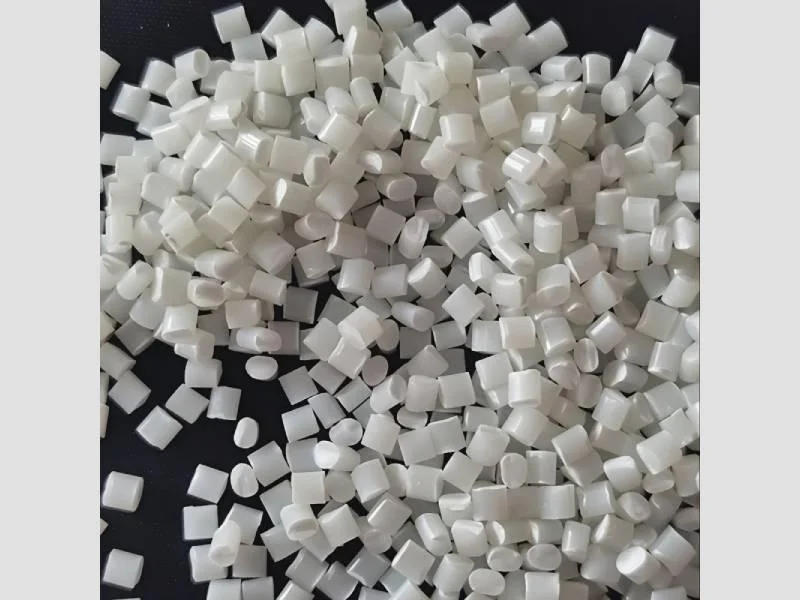
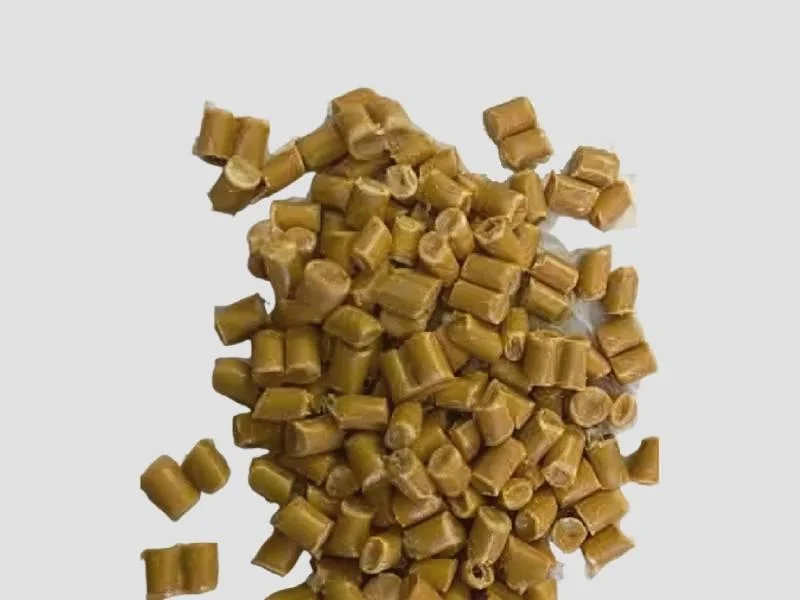
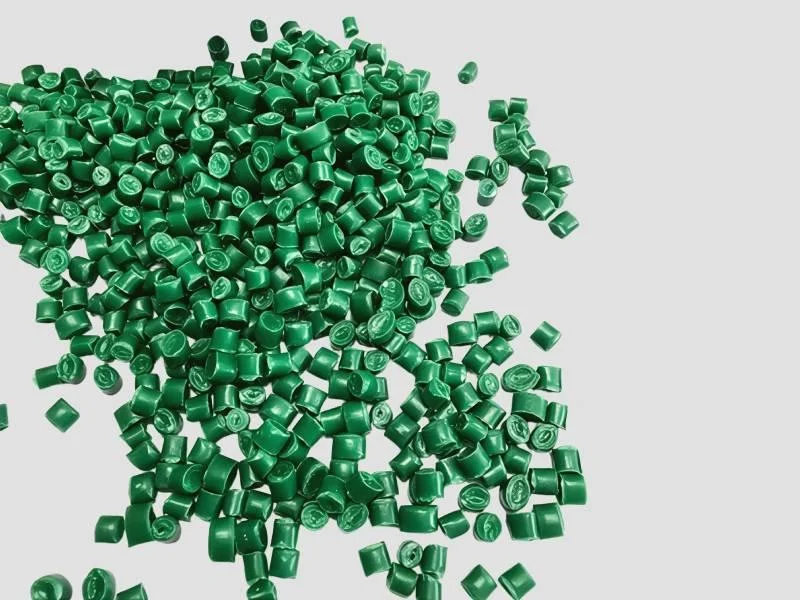
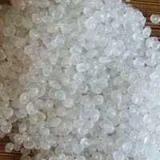
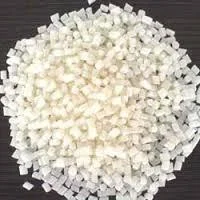
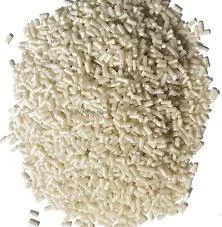
Polypropylene (PP) granules are a type of thermoplastic polymer commonly used in various industrial applications. They are produced through the polymerization of propylene monomers and are known for their versatility, lightweight nature, and resistance to various chemical agents. PP granules can be molded into different shapes and forms, making them an essential raw material for manufacturing a wide range of products.
These granules are utilized in various sectors, including packaging, automotive, textiles, and consumer goods. They are particularly valued for their durability, resistance to moisture, and ease of processing. Businesses often use PP granules for injection molding, extrusion, and blow molding processes, catering to a diverse array of applications such as containers, automotive parts, and household items. With a growing demand for lightweight and cost-effective materials, the significance of PP granules continues to increase in the global market.
𝗞𝗲𝘆 𝗙𝗲𝗮𝘁𝘂𝗿𝗲𝘀 𝗮𝗻𝗱 𝗦𝗽𝗲𝗰𝗶𝗳𝗶𝗰𝗮𝘁𝗶𝗼𝗻𝘀
Polypropylene (PP) granules offer a range of features that make them suitable for numerous applications. Their chemical stability, thermal resistance, and lightweight properties are among the most notable. This section outlines the key specifications that define PP granules' performance characteristics.
Key specifications include:
1. Density
- Typical range: 0.90 - 0.91 g/cm³
- Influences the material's lightweight properties and structural integrity
2. Melt Flow Rate (MFR)
- Typical range: 1 - 40 g/10 min
- Determines the flow characteristics during processing
3. Tensile Strength
- Typical range: 20 - 40 MPa
- Indicates the material's ability to withstand tension without breaking
4. Elongation at Break
- Typical range: 50 - 800%
- Represents the material's flexibility and ductility
5. Heat Deflection Temperature
- Typical range: 100 - 120°C
- Indicates the temperature at which the material begins to deform under load
6. Chemical Resistance
- Resistant to acids, bases, and solvents
- Provides longevity and durability in harsh environments
7. Impact Strength
- Typical range: 3 - 5 kJ/m²
- Indicates the material's resistance to sudden impacts
8. UV Resistance
- Varies by formulation
- Essential for outdoor applications to prevent degradation
These specifications highlight the capabilities of PP granules, making them a preferred choice across various industries.
𝗖𝗼𝗺𝗺𝗼𝗻 𝗔𝗽𝗽𝗹𝗶𝗰𝗮𝘁𝗶𝗼𝗻𝘀 𝗮𝗻𝗱 𝗨𝘀𝗲 𝗖𝗮𝘀𝗲𝘀
Polypropylene (PP) granules are widely utilized in numerous industries due to their versatile properties. Their application ranges from everyday items to specialized industrial products.
1. Packaging: PP granules are extensively used in the production of packaging materials, including bags, containers, and films, due to their lightweight and moisture-resistant characteristics.
2. Automotive: In the automotive sector, PP granules are employed to manufacture interior components, bumpers, and exterior trims, contributing to vehicle weight reduction and fuel efficiency.
3. Textiles: The textile industry uses PP granules for producing non-woven fabrics, carpets, and upholstery, benefiting from their durability and resistance to wear.
4. Consumer Goods: Household items such as storage containers, toys, and kitchenware are often made from PP granules, taking advantage of their safety and ease of cleaning.
5. Medical Applications: PP granules are also utilized in medical supplies, including syringes and surgical instruments, due to their sterilization capabilities and chemical resistance.
6. Construction: In construction, PP granules are used for manufacturing pipes and fittings, benefiting from their strength and resistance to corrosion.
7. Electrical Components: Various electrical components, such as connectors and insulators, are produced using PP granules due to their insulating properties.
𝗣𝗿𝗼𝗱𝘂𝗰𝘁 𝗩𝗮𝗿𝗶𝗮𝗻𝘁𝘀 𝗮𝗻𝗱 𝗦𝘂𝗯𝗰𝗮𝘁𝗲𝗴𝗼𝗿𝗶𝗲𝘀
Polypropylene (PP) granules come in various formulations, allowing for tailored solutions to meet specific industrial needs. This diversity enhances their applicability across different sectors.
Standard PP Granules
These granules are the most common form and are utilized in a wide range of applications, including packaging and consumer goods. Their balanced properties make them suitable for many industries.
Impact-Modified PP Granules
These variants offer enhanced impact resistance, making them ideal for automotive parts and other applications where durability is critical. They are designed to withstand sudden impacts without cracking.
Fiber-Grade PP Granules
Specially formulated for textile applications, fiber-grade PP granules are used to produce non-woven fabrics and carpets. Their properties ensure high strength and durability in fabric production.
Copolymer PP Granules
These granules provide improved flexibility and clarity, making them suitable for specific packaging applications. They are often used in food containers and medical packaging.
𝗕𝗲𝗻𝗲𝗳𝗶𝘁𝘀 𝗮𝗻𝗱 𝗔𝗱𝘃𝗮𝗻𝘁𝗮𝗴𝗲𝘀
Sourcing Polypropylene (PP) granules offers numerous benefits that enhance operational efficiency and product quality.
Key benefits include:
1. Cost-Effectiveness: PP granules are generally less expensive than other plastics, making them an economical choice for manufacturers.
2. Lightweight Properties: The lightweight nature of PP granules allows for reduced shipping costs and increased energy efficiency in transportation.
3. Chemical Resistance: Their resistance to various chemicals makes PP granules suitable for use in harsh environments, extending product lifespan.
4. Versatility: PP granules can be processed using different methods such as injection molding and extrusion, accommodating a wide range of applications.
5. Recyclability: PP granules can be recycled, contributing to sustainability efforts and reducing environmental impact.
6. Ease of Processing: These granules can be easily molded and shaped, allowing for efficient manufacturing processes.
𝗕𝘂𝘆𝗶𝗻𝗴 𝗚𝘂𝗶𝗱𝗲 𝗳𝗼𝗿 𝗕𝟮𝗕 𝗕𝘂𝘆𝗲𝗿𝘀
When sourcing Polypropylene (PP) granules, it is essential for B2B buyers to consider several factors to ensure they choose the right product and supplier.
1. Quality Assessment: Evaluate the quality of PP granules based on industry standards and specifications. Look for certifications that indicate compliance with quality benchmarks.
2. Supplier Verification: Conduct thorough research on potential suppliers to verify their reputation, reliability, and history of delivering quality products.
3. Pricing and MOQ: Analyze pricing structures and minimum order quantities (MOQ) to ensure that they align with your budget and production needs.
4. Delivery and Lead Times: Discuss logistics and delivery timelines with suppliers to ensure timely access to materials and avoid production delays.
5. Compliance Requirements: Ensure that the PP granules meet all relevant regulatory requirements and certifications applicable to your industry.
𝗖𝗼𝗺𝗽𝗹𝗶𝗮𝗻𝗰𝗲 𝗮𝗻𝗱 𝗖𝗲𝗿𝘁𝗶𝗳𝗶𝗰𝗮𝘁𝗶𝗼𝗻𝘀
Polypropylene (PP) granules must adhere to various compliance standards and certifications to ensure product safety and quality. Key quality standards include ISO 9001, which outlines best practices for quality management systems.
Additionally, industry certifications such as UL and CE indicate that the materials meet specific safety and performance requirements. Buyers should also be aware of regional compliance considerations, which may vary depending on local regulations.
Safety and testing requirements are crucial for ensuring that the PP granules are suitable for their intended applications, especially in sectors like food packaging and medical supplies. Manufacturers often conduct rigorous testing to confirm that their products meet these standards.
Why Source Polypropylene (PP) Granules from Pepagora?
Pepagora offers a trusted platform for sourcing Polypropylene (PP) granules, providing several advantages for businesses seeking reliable materials.
Verified Supplier Network: Pepagora ensures that all suppliers are thoroughly vetted, helping buyers connect with reputable manufacturers who adhere to quality standards.
Streamlined RFQ Process: The platform simplifies the request for quotation (RFQ) process, allowing buyers to easily compare options and make informed purchasing decisions.
Trade Assurance and Support: Pepagora offers trade assurance, providing buyers with protection and support throughout the sourcing process, ensuring a smooth transaction.
Regional Coverage: With a strong presence in India, the GCC, and Southeast Asia, Pepagora facilitates access to a broad network of suppliers, helping businesses find the right PP granules to meet their needs.
Newly Added



Recently Added
Dua Steel Traders
P20 Steel 1.2738 Mold Tooling High Hardness Injection Pressing
Industrial Die Steel Flats For Precision Molds And Tooling
Premium Alloy Steel For Automotive And Industrial Machinery Components
AUM IMPEX
Bulk PC CD Runners Recycled Plastic Scrap 25kg Bags
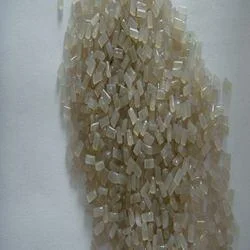
PP Milky Polypropylene Injection Molding Grade MFI 8 10 Low Filler
Premium Mexican Iron Ore 60 63% Fe Bulk Supply FOB
AVH Polychem Private Limited
Red HDPE Reprocessed Granules For Blow Moulding And HM Film
Premium LLDPE Lamination Film High Seal Strength Abrasion Resistant
Premium LDPE Resin For Packaging Bags And Films
Crystal Tech Polymer
Industrial Plastic Powder For Coatings Composites Manufacturing
Recycled ABS Granules FR Flame Retardant Injection Molding Extrusion
Industrial LD Granules For Plastic Manufacturing And Packaging
Barkaat Packaging
Packaging BOPP Self Adhesive Tapes For Carton Sealing
Premium Packing GI Clips Galvanized Iron 12mm 16mm 19mm Sizes
Industrial Packing Clips Galvanized Color 12mm 16mm 19mm
Arham Polymers Pvt Ltd
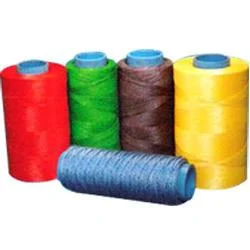
Premium Polypropylene Baler Twine 100% Virgin Material, Multiple Colors
Premium PP Mono Rope For Marine And Industrial Use
Premium UV Stabilized PP Denline Rope For Marine And Construction
Vikas Polymers
Rotomolding Plastic Granules Premium Durable Hollow Products
Premium HD Blow Molding Plastic Granules For HM Bags And Jars
Industrial Nylon 6 Black Granules High Strength Thermal Stability
A H Industrial Polymers
High Performance PBT Glass Filled Plastic For Automotive And Industrial
Industrial Nylon Unfilled Granules High Strength Durable Engineering Plastic
Industrial Poly Carbonate GF Granules High Impact Resistance Thermal Stability
Ayyappa Plastics
Premium PVC Irrigation Pipe Machinery For And Distributors
Premium Drip Lateral Pipes For Precision Agricultural Irrigation
Commercial Pop Up Sprinklers For Irrigation Landscapes Sports Fields
Corel Pharma Chem
Pharmaceutical Sustained Release Polymer Dispersion Acrycoat RS30D EP Type B
Premium Carbomer Polymer For High Viscosity Gels And Liquids
Acrypol 971P USP/NF Polymer For Oral Care Sustained Release Tablets
Why Businesses Trust Pepagora
Thousands of companies trust Pepagora to source smarter and sell faster
Expand Your Sales Globally
25000+Products listed.Get discovered by global buyers
Tools to boost visibility
Build your own catalog

Source Smarter,Grow Faster
4000+Active RFQs
100+ Countries served
Easy Sourcing Tools
