
 IN
INundefined
Pneumatic Cylinders
27 products available
𝗪𝗵𝗮𝘁 𝗮𝗿𝗲 𝗣𝗻𝗲𝘂𝗺𝗮𝘁𝗶𝗰 𝗖𝘆𝗹𝗶𝗻𝗱𝗲𝗿𝘀?
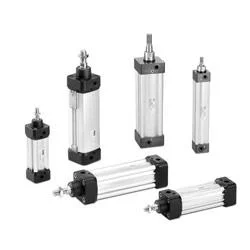
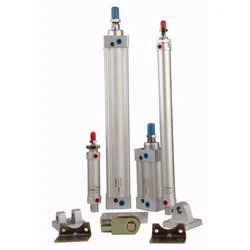
Pneumatic cylinders are devices that convert compressed air into linear mechanical motion. These cylinders operate by utilizing the force generated by pressurized air to drive a piston within a cylindrical chamber. This mechanism allows for precise and efficient movement, making pneumatic cylinders a crucial component in various automation and industrial applications.
In terms of business applications, pneumatic cylinders are widely used in manufacturing, packaging, and assembly processes. They play a vital role in tasks such as lifting, pushing, and pulling applications across diverse industries. The ability to control speed and force with accuracy makes them ideal for automated systems where reliability and consistency are paramount. The growing trend towards automation in industries further emphasizes the relevance of pneumatic cylinders in today’s market.
𝗞𝗲𝘆 𝗙𝗲𝗮𝘁𝘂𝗿𝗲𝘀 𝗮𝗻𝗱 𝗦𝗽𝗲𝗰𝗶𝗳𝗶𝗰𝗮𝘁𝗶𝗼𝗻𝘀
Pneumatic cylinders come with several key features and specifications that make them suitable for a range of applications. Understanding these aspects is essential for selecting the right product for your needs.
Key specifications include:
1. Cylinder Type
- Common types include double-acting and single-acting cylinders.
- Double-acting cylinders use air pressure for both extension and retraction, while single-acting cylinders use air pressure for one direction only.
2. Bore Size
- The bore size determines the cylinder's force output.
- Available bore sizes typically range from small diameters (10 mm) to larger sizes (200 mm or more).
3. Stroke Length
- Stroke length indicates how far the piston travels.
- Typical stroke lengths can vary from a few millimeters to several meters based on application requirements.
4. Operating Pressure
- Pneumatic cylinders generally operate at pressures between 1 to 10 bar.
- Some high-performance models can handle pressures exceeding 10 bar.
5. Material Construction
- Common materials include aluminum, stainless steel, and composite materials.
- Material selection impacts durability, weight, and resistance to corrosion.
6. Mounting Options
- Mounting styles include pivot, flange, and foot mounts.
- Choosing the right mounting option is crucial for installation and operational efficiency.
7. Temperature Range
- Most pneumatic cylinders can operate effectively within a temperature range of -20°C to 80°C.
- Specialized cylinders may be designed to withstand extreme temperatures.
8. Certifications
- Many pneumatic cylinders hold certifications such as CE, ensuring compliance with European safety standards.
Pneumatic cylinders' diverse specifications cater to various operational needs, making them an essential choice for many industrial applications.
𝗖𝗼𝗺𝗺𝗼𝗻 𝗔𝗽𝗽𝗹𝗶𝗰𝗮𝘁𝗶𝗼𝗻𝘀 𝗮𝗻𝗱 𝗨𝘀𝗲 𝗖𝗮𝘀𝗲𝘀
Pneumatic cylinders are integral to numerous industries due to their versatility and reliability.
1. Automotive Industry: Pneumatic cylinders are used in assembly lines for tasks like lifting and positioning components. They enhance automation in processes such as welding and painting.
2. Food and Beverage Industry: These cylinders facilitate packaging and processing operations, ensuring safe handling of products. They are crucial in systems that require hygienic functionality.
3. Manufacturing: In manufacturing settings, pneumatic cylinders are employed for material handling, assembly, and quality control tasks. Their speed and precision improve overall productivity.
4. Pharmaceuticals: Pneumatic cylinders assist in the automation of packaging and labeling processes, ensuring accuracy and consistency in production.
5. Construction: In construction, pneumatic cylinders are used in machinery for lifting heavy loads and operating tools. Their strength and reliability are essential for heavy-duty applications.
6. Electronics: These cylinders are utilized in pick-and-place applications in electronics manufacturing, ensuring precise movement of components.
7. Packaging: Pneumatic cylinders play a vital role in various packaging processes, including sealing, filling, and boxing products, enhancing efficiency and speed.
𝗣𝗿𝗼𝗱𝘂𝗰𝘁 𝗩𝗮𝗿𝗶𝗮𝗻𝘁𝘀 𝗮𝗻𝗱 𝗦𝘂𝗯𝗰𝗮𝘁𝗲𝗴𝗼𝗿𝗶𝗲𝘀
Pneumatic cylinders come in a variety of configurations to meet different industrial needs.
Standard Pneumatic Cylinders
These are the most common type, designed for general-purpose use. They are available in various bore sizes and stroke lengths, making them suitable for a wide array of tasks.
Compact Pneumatic Cylinders
Compact cylinders are designed for applications with limited space. Their smaller size does not compromise performance, making them ideal for tight environments.
Guided Pneumatic Cylinders
These cylinders feature integrated guides that enhance stability and precision during operation. They are particularly useful in applications requiring high accuracy.
Rotary Pneumatic Cylinders
Rotary cylinders convert pneumatic energy into rotational motion. They are used in applications such as positioning and clamping, providing versatile functionality.
𝗕𝗲𝗻𝗲𝗳𝗶𝘁𝘀 𝗮𝗻𝗱 𝗔𝗱𝘃𝗮𝗻𝘁𝗮𝗴𝗲𝘀
Pneumatic cylinders offer several benefits that make them an attractive choice for various applications.
1. Efficiency: Pneumatic cylinders can operate quickly and with high precision, improving productivity in automated processes.
2. Durability: Constructed from robust materials, pneumatic cylinders are designed to withstand rigorous industrial environments and provide long service life.
3. Cost-Effectiveness: Compared to electric actuators, pneumatic cylinders often have lower initial costs and maintenance expenses, making them budget-friendly.
4. Versatility: These cylinders can be utilized in a wide range of applications across different industries, enhancing their appeal to manufacturers.
5. Safety: Pneumatic systems generally have built-in safety features, reducing the risk of accidents and injuries in the workplace.
6. Simplicity: Pneumatic cylinders are relatively easy to install and integrate into existing systems, simplifying the adoption of automation technologies.
𝗕𝘂𝘆𝗶𝗻𝗴 𝗚𝘂𝗶𝗱𝗲 𝗳𝗼𝗿 𝗕𝟮𝗕 𝗕𝘂𝘆𝗲𝗿𝘀
When sourcing pneumatic cylinders, it is essential to consider several key factors to ensure you choose the right product for your needs.
1. Quality Assessment: Look for quality certifications such as ISO 9001 or CE. Ensure the products meet industry standards for performance and safety.
2. Supplier Verification: Vet suppliers to confirm their reliability. Check customer reviews, request references, and evaluate their history in the industry.
3. Pricing and MOQ: Consider the total cost, including shipping and handling. Be aware of minimum order quantities to ensure they align with your procurement strategy.
4. Delivery and Lead Times: Confirm the expected delivery timelines. Ensure that the supplier can meet your schedule for production or project needs.
5. Compliance Requirements: Understand any regional or industry-specific regulations that may affect the use of pneumatic cylinders. Ensure the products you procure meet all compliance standards.
𝗖𝗼𝗺𝗽𝗹𝗶𝗮𝗻𝗰𝗲 𝗮𝗻𝗱 𝗖𝗲𝗿𝘁𝗶𝗳𝗶𝗰𝗮𝘁𝗶𝗼𝗻𝘀
Pneumatic cylinders must adhere to several quality standards and certifications to ensure safety and reliability. ISO 9001 is a widely recognized standard that indicates a commitment to quality management principles. Compliance with ISO ensures that manufacturers maintain consistent quality in their production processes.
Another important certification is CE marking, which indicates that a product meets European health, safety, and environmental protection standards. This certification is crucial for companies that operate within the European market.
In addition to these certifications, pneumatic cylinders may also need to meet specific safety and testing requirements, depending on their application. Manufacturers should ensure that their products have undergone relevant testing to verify their performance under various conditions.
Regional compliance considerations are also essential, as regulations can vary significantly across regions. Companies must be aware of local laws and standards to ensure their pneumatic cylinders are compliant and safe for use.
𝗪𝗵𝘆 𝗦𝗼𝘂𝗿𝗰𝗲 𝗣𝗻𝗲𝘂𝗺𝗮𝘁𝗶𝗰 𝗖𝘆𝗹𝗶𝗻𝗱𝗲𝗿𝘀 𝗳𝗿𝗼𝗺 𝗣𝗲𝗽𝗮𝗴𝗼𝗿𝗮?
Pepagora provides a trusted platform for sourcing pneumatic cylinders, offering several key advantages that set it apart from competitors.
Verified Supplier Network: Pepagora ensures that all suppliers in its network are thoroughly vetted. This verification process guarantees that buyers can trust the quality and reliability of the products they are sourcing.
Streamlined RFQ Process: The platform features a simplified Request for Quotation (RFQ) system that allows buyers to receive multiple quotes quickly. This process saves time and helps buyers compare options effectively.
Trade Assurance and Support: Pepagora offers trade assurance to protect buyers during transactions. This support includes buyer protection policies that help ensure satisfaction with the purchased products.
Regional Coverage: With a broad geographic reach, Pepagora caters to industries across India, the GCC region, and Southeast Asia. This extensive coverage allows businesses to connect with suppliers that meet their specific regional needs.
Newly Added





Recently Added
Accord Hydraulic & Automation
Industrial HV3 Series Pumps For High Performance Fluid Transfer
Industrial Machinery ACCORD Hydraulic Cylinders Heavy Duty Performance
Hydraulic Spare Parts Compatible With Yuken Vickers Rexroth Eaton Parker
Alite Earthmovers
Premium Hydraulic Cylinders For Excavators Durable High Performance
Premium Hydraulic Cylinders For Cranes High Performance Durable
Mill Duty Hydraulic Cylinders For Heavy Industrial Applications
G P M Hydraulics
Industrial Hydraulic Cylinders For Automation And Construction Equipment
Industrial Automation Pneumatic Cylinders For Linear Motion
Industrial Hydraulic Cylinder Accessories For Machinery Systems
Anshul Automation
Industrial Quick Couplings For Hydraulic Pneumatic Fluid Systems
Industrial Hydraulic Adapters High Pressure Leak Free Connections
Automotive Heaters For Commercial Vehicles And Fleets
Minerva Hydro Peneumatics
Industrial Solenoid Valves For Precise Fluid Control In Automation
Industrial Rubber Sheets Premium Abrasion Chemical Weather Resistant
Premium Industrial Gasket Sheets for High Temp High Pressure Sealing
Fluid Power And Control Corpo
Industrial Hydraulic Pressure Valves 10000 PSI Durable Control
Industrial Direct Acting Solenoid Valves 1/8 1/4 Inch BSP
Industrial Automation Gang Control Valves For Actuators And Flow Control
Multitech Pneumatics & Hydraulics
Industrial Automation Pneumatic Cylinders Reliable Linear Motion
Heavy Duty Industrial Mountings For Machinery Support And Vibration Damping
Industrial Automation SU Series Heavy Duty Air Cylinder With Cushions
Khera Hydpower Co
Industrial Hydraulic Power Packs And Cylinders For Automation Lifting Pressing
Industrial Hydraulic Motors With Intersecting Rotor Design For Heavy Duty Applications
Industrial Hydraulic Directional Control Valves For Heavy Duty Applications
Bakshi Enterprises
Premium Poly V Belts For Automotive And Agricultural Machinery
Industrial GI Pipes 10 100mm NB 1.80 5.40mm Thickness
Industrial PU Tubes Durable Flexible Abrasion Oil Chemical Resistant
Om Shakthi Hydraulics Pvt Ltd
Industrial Hydraulic Cylinder Piston 4000 PSI Standard OEM
Non Tie Rod Hydraulic Cylinder 4000 PSI For Industrial And Agricultural
Hydraulic Telescopic Cylinder 2500 4000 PSI For Industrial Agricultural Mobile
Why Businesses Trust Pepagora
Thousands of companies trust Pepagora to source smarter and sell faster
Expand Your Sales Globally
25000+Products listed.Get discovered by global buyers
Tools to boost visibility
Build your own catalog

Source Smarter,Grow Faster
4000+Active RFQs
100+ Countries served
Easy Sourcing Tools
