
 IN
INundefined
Pneumatic Conveying Systems
22 products available
𝗪𝗵𝗮𝘁 𝗮𝗿𝗲 𝗣𝗻𝗲𝘂𝗺𝗮𝘁𝗶𝗰 𝗖𝗼𝗻𝘃𝗲𝘆𝗶𝗻𝗴 𝗦𝘆𝘀𝘁𝗲𝗺𝘀?
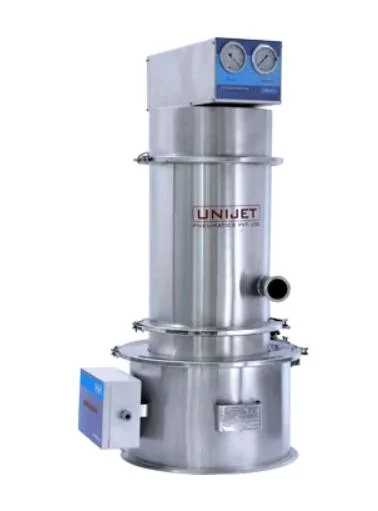
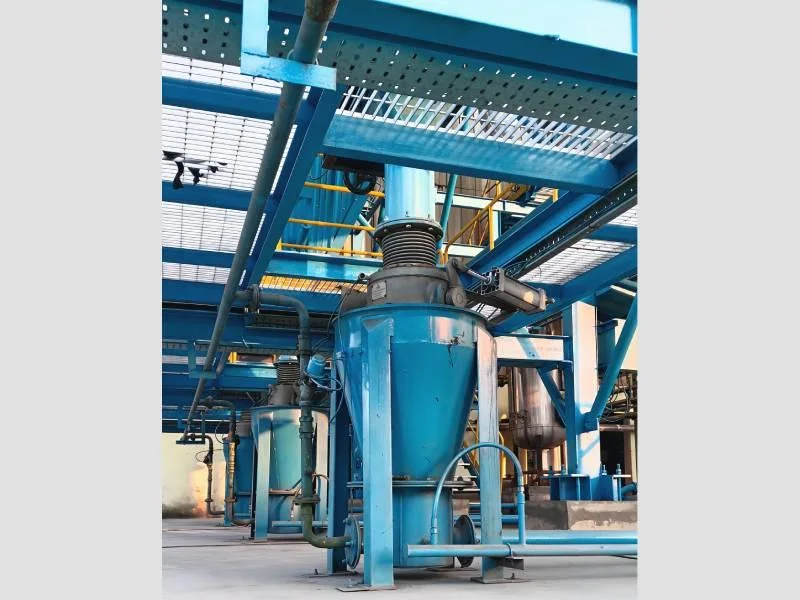
Pneumatic conveying systems are engineered solutions designed to transport bulk materials through pipelines using air or other gases as a transport medium. These systems utilize a combination of pressure and vacuum to move materials efficiently from one location to another. Pneumatic conveying is favored for its ability to handle various materials, including powders, granules, and even some liquids, making it a versatile choice in many industrial sectors.
In terms of business applications, pneumatic conveying systems are commonly used in industries such as food processing, pharmaceuticals, plastics, and agriculture. They are ideal for transporting materials over both short and long distances while minimizing contamination and product degradation. The ability to automate the conveying process also enhances production efficiency and reduces labor costs, making these systems a valuable investment for companies aiming to streamline operations.
The relevance of pneumatic conveying systems in the market is significant, especially as industries continue to prioritize automation and efficiency. With growing demands for bulk material handling, the market for pneumatic conveying solutions is expanding. Companies are increasingly seeking systems that offer reliability, reduced maintenance costs, and compliance with stringent safety standards.
𝗞𝗲𝘆 𝗙𝗲𝗮𝘁𝘂𝗿𝗲𝘀 𝗮𝗻𝗱 𝗦𝗽𝗲𝗰𝗶𝗳𝗶𝗰𝗮𝘁𝗶𝗼𝗻𝘀
Pneumatic conveying systems come with several key features that enhance their operational capabilities. These specifications are critical for buyers to understand in order to choose the right system for their needs.
Key specifications include:
1. Conveying Method
- Pressure or vacuum systems for optimal material transport
- Suitable for various materials depending on the method
2. Material Compatibility
- Designed to handle a range of materials including powders and granules
- Ensures minimal product degradation during transport
3. System Capacity
- Varies based on application needs, typically measured in tons per hour
- Allows scalability to meet production demands
4. Pipeline Diameter
- Available in multiple diameters to accommodate different material sizes
- Impacts the efficiency and speed of conveying
5. Control Systems
- Automated controls for monitoring and managing flow rates
- Integration with existing production systems for seamless operation
6. Energy Efficiency
- Designed to minimize power consumption during operation
- Contributes to lower operational costs over time
7. Safety Features
- Equipped with safety mechanisms to prevent overpressure and material blockages
- Compliance with safety regulations for industrial use
8. Maintenance Requirements
- Low maintenance designs to reduce downtime
- Easy access to components for routine checks
In summary, understanding these specifications helps businesses select pneumatic conveying systems that align with their operational requirements and enhance overall productivity.
𝗖𝗼𝗺𝗺𝗼𝗻 𝗔𝗽𝗽𝗹𝗶𝗰𝗮𝘁𝗶𝗼𝗻𝘀 𝗮𝗻𝗱 𝗨𝘀𝗲 𝗖𝗮𝘀𝗲𝘀
Pneumatic conveying systems serve a wide range of industries, each with specific applications that leverage their unique capabilities.
1. Food Processing: In this sector, pneumatic conveying is used to transport ingredients like flour, sugar, and spices. The systems help maintain hygiene standards and ensure consistent flow.
2. Pharmaceuticals: These systems are essential for moving powders and granules while preventing contamination. They support the stringent quality control measures required in pharmaceutical manufacturing.
3. Plastics: Pneumatic conveying systems facilitate the movement of plastic pellets and powders in manufacturing processes. They enhance efficiency and reduce material waste.
4. Agriculture: Used for transporting grains and feed, pneumatic systems help streamline operations in agricultural settings, ensuring timely processing and distribution.
5. Chemicals: In the chemical industry, pneumatic conveying is vital for moving raw materials and finished products while minimizing exposure to hazardous substances.
6. Building Materials: Pneumatic systems are employed to transport cement, sand, and other aggregates. They improve the speed of material handling in construction projects.
7. Metal Processing: These systems assist in conveying metal powders used in various applications, ensuring safe and efficient transport.
𝗣𝗿𝗼𝗱𝘂𝗰𝘁 𝗩𝗮𝗿𝗶𝗮𝗻𝘁𝘀 𝗮𝗻𝗱 𝗦𝘂𝗯𝗰𝗮𝘁𝗲𝗴𝗼𝗿𝗶𝗲𝘀
Pneumatic conveying systems offer a variety of options to suit different operational needs. This diversity enables businesses to select systems that best fit their specific applications.
High-Pressure Pneumatic Conveying Systems: These systems are designed for high-capacity applications, capable of moving materials over long distances with minimal loss. They are ideal for industries requiring rapid transport of bulk materials.
Vacuum Pneumatic Conveying Systems: These systems leverage vacuum pressure to move materials, making them suitable for delicate products that require gentle handling. They are commonly used in food and pharmaceutical applications.
Positive Pressure Conveying Systems: Utilizing positive air pressure, these systems efficiently transport materials through pipelines. They are often used in industries with higher throughput requirements.
Dense Phase Pneumatic Conveying Systems: These systems move materials in a dense phase, reducing air consumption and wear on the conveying equipment. They are particularly effective for abrasive materials.
𝗕𝗲𝗻𝗲𝗳𝗶𝘁𝘀 𝗮𝗻𝗱 𝗔𝗱𝘃𝗮𝗻𝘁𝗮𝗴𝗲𝘀
Pneumatic conveying systems offer numerous benefits that contribute to operational efficiency and cost savings.
1. Efficient Material Handling: Pneumatic systems enable quick and efficient transportation of materials, improving overall production timelines.
2. Reduced Contamination Risk: These systems minimize exposure to external elements, helping maintain product quality and safety.
3. Space-Saving Design: Pneumatic conveying systems can be installed in compact spaces, making them ideal for facilities with limited floor area.
4. Automation Capabilities: Automation features streamline operations, reducing manual labor and the potential for human error.
5. Flexibility: These systems can handle a variety of materials and can be easily adapted to changing production needs.
6. Lower Maintenance Costs: With fewer moving parts, pneumatic systems typically require less maintenance, leading to reduced operational downtime.
𝗕𝘂𝘆𝗶𝗻𝗴 𝗚𝘂𝗶𝗱𝗲 𝗳𝗼𝗿 𝗕𝟮𝗕 𝗕𝘂𝘆𝗲𝗿𝘀
When sourcing pneumatic conveying systems, it is crucial for businesses to consider several key factors to ensure they select the right solution.
1. Quality Assessment: Evaluate the quality of the systems through certifications and industry standards. Look for systems that comply with ISO 9001 and other relevant guidelines.
2. Supplier Verification: Conduct thorough research on potential suppliers. Assess their reputation, experience, and customer reviews to ensure reliability.
3. Pricing and MOQ: Understand the pricing structure and any minimum order quantities. This helps in budgeting and aligns procurement with production needs.
4. Delivery and Lead Times: Inquire about the lead times for delivery. Efficient logistics are essential for maintaining production schedules.
5. Compliance Requirements: Ensure that the pneumatic conveying systems meet industry-specific regulations and standards. This includes safety and environmental compliance.
𝗖𝗼𝗺𝗽𝗹𝗶𝗮𝗻𝗰𝗲 𝗮𝗻𝗱 𝗖𝗲𝗿𝘁𝗶𝗳𝗶𝗰𝗮𝘁𝗶𝗼𝗻𝘀
Pneumatic conveying systems are subject to various compliance and certification requirements. Quality standards such as ISO 9001 ensure that manufacturers adhere to consistent quality management practices. This certification is crucial for companies aiming for reliability in their operations.
Additionally, industry certifications like CE are important, signifying that the products meet European health, safety, and environmental protection standards. Manufacturers must also adhere to safety and testing requirements to ensure that their systems operate efficiently and safely in industrial environments.
Regional compliance considerations may vary, so businesses should be aware of local regulations related to pneumatic conveying systems. Ensuring compliance is vital for avoiding legal issues and maintaining operational integrity.
𝗪𝗵𝘆 𝗦𝗼𝘂𝗿𝗰𝗲 𝗣𝗻𝗲𝘂𝗺𝗮𝘁𝗶𝗰 𝗖𝗼𝗻𝘃𝗲𝘆𝗶𝗻𝗴 𝗦𝘆𝘀𝘁𝗲𝗺𝘀 𝗳𝗿𝗼𝗺 𝗣𝗲𝗽𝗮𝗴𝗼𝗿𝗮?
Pepagora offers a trusted platform for sourcing pneumatic conveying systems, providing several key advantages for businesses.
Verified Supplier Network: Pepagora connects buyers with a network of verified suppliers, ensuring that products meet industry standards and buyer expectations. This verification process helps mitigate risks associated with sourcing.
Streamlined RFQ Process: The platform simplifies the request for quotation process, allowing buyers to receive competitive quotes efficiently. This feature saves time and enhances decision-making.
Trade Assurance and Support: Pepagora provides trade assurance, offering buyers protection throughout the procurement process. This support builds confidence in transactions and fosters long-term relationships with suppliers.
Regional Coverage: With a strong presence in regions like India, the GCC, and Southeast Asia, Pepagora ensures that buyers have access to a wide range of pneumatic conveying systems tailored to their regional needs. This geographic reach facilitates smoother transactions and better service delivery.
Newly Added



Recently Added
Boulton Trading Corporation
Premium Edible Oil For Food Production Industrial Cooking
Industrial Pressure Switch RT KP For HVAC Water Treatment Automation
Industrial Pressure And Temperature Switch For HVAC And Manufacturing
Aar Gee Automation & Control
Aquapack Pressure Booster System For Commercial Water Supply
Industrial Automation Asda A Series AC Servo Systems High Performance Motion Control
Industrial Automation CNC Main Devices For Precision Control And Reliability
Vishal Machinery Industries
Industrial Double Corn Mixture For Chemicals Pharmaceuticals Fertilizers
Industrial Ultrafine Grinder For Chemicals Pharmaceuticals Food Processing
Industrial Powder Mixers Nauta SS Aluminum MS 500L To 10000L
Arushi Engineers
Industrial Bevel Helical Gears For High Torque And Smooth Operation
Industrial Machinery Parallel Shaft Helical Gearbox High Torque Durable
Industrial Extruder Gear Boxes For Reliable Torque Transmission
Bajaj Steel Industries Limited
Industrial Cotton Seed Cleaner 5 TPH Durable Steel Sieve Technology
Cotton Ginning Machinery Double Roller High Efficiency CNC Precision
Cotton Ginning Auto Feeder For Productivity Boost & Energy Efficiency
Krishna Machineries
Industrial Mosaic Cutting Machine For High Precision Glass Sheet Production
Industrial Bridge Type Cutting Machine For Metals And Nonmetals
Industrial Double Edge Cutting Machine For Plastics Composites Non Ferrous Metals
Jai Vinayak Enterprises
Industrial Heavy Duty Bucket Elevators For Bulk Material Transport
Industrial Heavy Duty Slat Conveyor For Material Handling
Industrial Printing Drum Rollers Corrosion Resistant Durable
Indopol Food Processing Machinery Pvt Ltd
Technical Consulting Services For Operational Efficiency And Growth
Precision Laser Cutting Services For Metal Fabrication With Negotiable Pricing
Industrial Precision CNC Turning Machining Services High Quality
Fluid Flow Systems
Industrial Stainless Steel Hopper For Material Handling OEM
Industrial Metal Blower Panel For Ventilation And Cooling
Industrial Packaging Conveyor System For Coal Mining Metal OEM
Oswal Engineers
Oswal Auto Power Sampler For Bulk Material Sampling In Industrial Quality Control
Industrial Material Sampler With Adjustable Hole Size And RPM Control
Industrial Automated Material Sampler With Adjustable RPM And Consistent Collection
Why Businesses Trust Pepagora
Thousands of companies trust Pepagora to source smarter and sell faster
Expand Your Sales Globally
25000+Products listed.Get discovered by global buyers
Tools to boost visibility
Build your own catalog

Source Smarter,Grow Faster
4000+Active RFQs
100+ Countries served
Easy Sourcing Tools
