
 IN
INundefined
Platform Scales
9 products available
𝗪𝗵𝗮𝘁 𝗮𝗿𝗲 𝗣𝗹𝗮𝘁𝗳𝗼𝗿𝗺 𝗦𝗰𝗮𝗹𝗲𝘀?
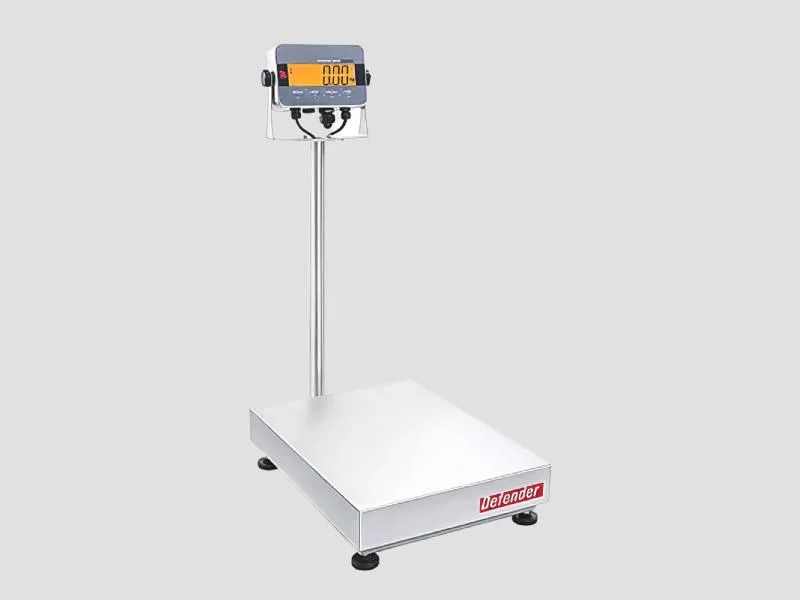
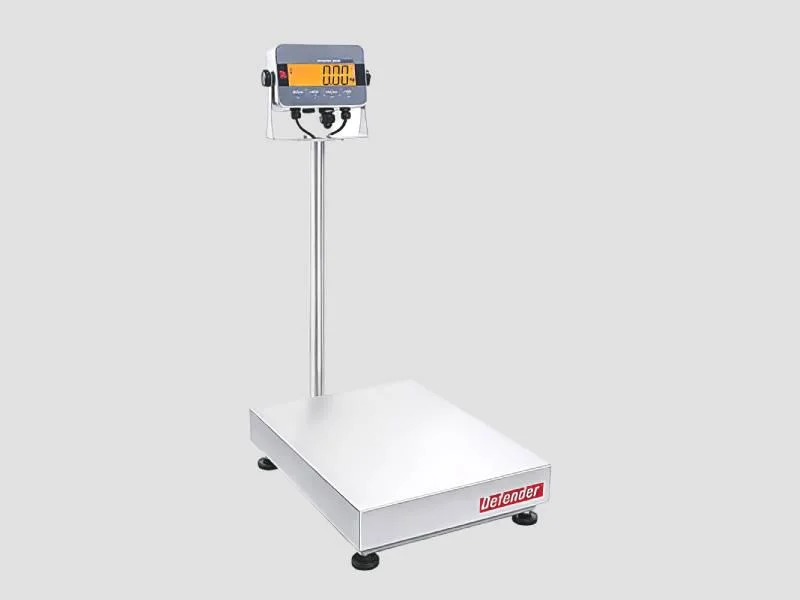
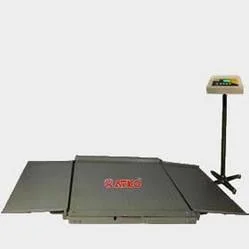
Platform scales are industrial weighing devices designed to measure the weight of large items or bulk quantities. These scales typically feature a flat platform where goods can be placed, allowing for accurate weight measurement. They are built to handle heavy loads, making them essential in environments such as warehouses, factories, and shipping facilities. The scales are often equipped with digital displays for easy reading of weight measurements.
These scales find extensive applications across various sectors, including logistics, manufacturing, and retail. They are commonly used to weigh pallets, containers, and large products, ensuring compliance with shipping regulations and helping businesses manage inventory effectively. The ability to provide precise measurements is critical in industries where weight impacts pricing, safety, and operational efficiency. With the increasing demand for accurate and reliable weighing solutions, platform scales have become a vital tool in many industrial operations.
𝗞𝗲𝘆 𝗙𝗲𝗮𝘁𝘂𝗿𝗲𝘀 𝗮𝗻𝗱 𝗦𝗽𝗲𝗰𝗶𝗳𝗶𝗰𝗮𝘁𝗶𝗼𝗻𝘀
Platform scales come with a variety of features and specifications tailored to meet the needs of different industries. Understanding these specifications can help businesses choose the right scale for their applications.
Key specifications include:
1. Capacity
- The maximum weight the scale can measure.
- Typically ranges from 1,000 kg to 5,000 kg or more.
2. Platform Size
- Dimensions of the weighing platform.
- Common sizes include 1m x 1m, 1.2m x 1.2m, and larger options for bulky items.
3. Accuracy
- The degree of precision in weight measurement.
- Generally ranges from ±0.1% to ±0.5% of the total weight.
4. Display Type
- Type of display used for weight readings.
- Options include LED, LCD, and digital screens.
5. Power Supply
- The method of powering the scale.
- Available options include battery-operated, AC-powered, or rechargeable battery.
6. Material Construction
- The materials used to build the platform and frame.
- Common materials include stainless steel and mild steel for durability.
7. Connectivity Options
- Methods for data transfer and integration with other systems.
- Includes USB, RS232, and wireless connectivity.
8. Compliance
- Adherence to industry standards and regulations.
- Often certified with CE marking for safety and reliability.
Platform scales are designed with a focus on durability and accuracy, ensuring they meet the demanding requirements of various industrial applications.
𝗖𝗼𝗺𝗺𝗼𝗻 𝗔𝗽𝗽𝗹𝗶𝗰𝗮𝘁𝗶𝗼𝗻𝘀 𝗮𝗻𝗱 𝗨𝘀𝗲 𝗖𝗮𝘀𝗲𝘀
Platform scales are versatile tools used in numerous industries due to their ability to handle large and heavy items.
1. Logistics: In logistics, platform scales are used to weigh pallets and containers, ensuring compliance with shipping regulations and optimizing transport processes.
2. Manufacturing: These scales are essential in manufacturing for weighing raw materials and finished products, helping to maintain quality control and inventory management.
3. Retail: In retail environments, platform scales are used for bulk items, allowing for accurate pricing based on weight and improving customer service.
4. Agriculture: Farmers use platform scales to weigh produce and livestock, ensuring accurate sales and monitoring growth.
5. Construction: In construction, these scales help weigh materials like concrete and metal, aiding in project management and cost estimation.
6. Food Industry: Platform scales are utilized in food processing to ensure portion control and compliance with health regulations.
7. Warehousing: In warehouses, platform scales assist in inventory management by accurately weighing products for storage and shipment.
𝗣𝗿𝗼𝗱𝘂𝗰𝘁 𝗩𝗮𝗿𝗶𝗮𝗻𝘁𝘀 𝗮𝗻𝗱 𝗦𝘂𝗯𝗰𝗮𝘁𝗲𝗴𝗼𝗿𝗶𝗲𝘀
Platform scales come in various designs to cater to different operational needs. This diversity ensures businesses can find a scale that fits their specific requirements.
Electronic Platform Scales: These scales offer digital displays and advanced features such as connectivity options for data logging. They are ideal for environments requiring precise measurements and easy data management.
Mechanical Platform Scales: Built for durability, these scales do not rely on power sources and are suitable for outdoor use. They are often more rugged and can handle harsh conditions.
Portable Platform Scales: Designed for mobility, these scales can be easily moved between locations, making them suitable for businesses with multiple weighing points.
𝗕𝗲𝗻𝗲𝗳𝗶𝘁𝘀 𝗮𝗻𝗱 𝗔𝗱𝘃𝗮𝗻𝘁𝗮𝗴𝗲𝘀
Investing in platform scales provides numerous benefits that enhance operational efficiency and accuracy.
1. Enhanced Accuracy: Platform scales deliver precise measurements, which is crucial for industries where weight impacts pricing and compliance.
2. Increased Efficiency: By allowing for quick and easy weighing of large items, these scales significantly speed up processes like shipping and inventory management.
3. Durability: Built with robust materials, platform scales are designed to withstand heavy usage in industrial environments, ensuring long-term reliability.
4. Versatility: These scales can be used across various industries, making them a versatile solution for businesses with diverse weighing needs.
5. User-Friendly Features: Many platform scales come with digital displays and easy-to-use interfaces, enabling quick operation and minimal training requirements.
6. Compliance Assurance: Platform scales often meet industry standards, providing businesses confidence in their weighing processes and helping to avoid regulatory issues.
𝗕𝘂𝘆𝗶𝗻𝗴 𝗚𝘂𝗶𝗱𝗲 𝗳𝗼𝗿 𝗕𝟮𝗕 𝗕𝘂𝘆𝗲𝗿𝘀
When sourcing platform scales, B2B buyers should consider several critical factors to ensure they select the right equipment for their needs.
1. Quality Assessment: Evaluate the build quality and durability of the scales. Look for certifications and user reviews to ensure the scales meet industry standards.
2. Supplier Verification: Vet suppliers by checking their reputation, experience, and customer feedback. A reliable supplier should provide transparent information about their products.
3. Pricing and MOQ: Understand the pricing structure and minimum order quantities. Compare costs among suppliers to ensure you receive competitive pricing without compromising quality.
4. Delivery and Lead Times: Consider logistics and the time it takes for scales to be delivered. Ensure that the supplier can meet your timeline requirements.
5. Compliance Requirements: Familiarize yourself with the regulatory standards relevant to your industry. Ensure that the scales comply with necessary certifications for safety and accuracy.
𝗖𝗼𝗺𝗽𝗹𝗶𝗮𝗻𝗰𝗲 𝗮𝗻𝗱 𝗖𝗲𝗿𝘁𝗶𝗳𝗶𝗰𝗮𝘁𝗶𝗼𝗻𝘀
Compliance with industry standards is critical for platform scales to guarantee safety and reliability.
Many platform scales adhere to quality standards such as ISO 9001, which focuses on quality management systems. This certification ensures that the scales are produced with consistent quality and performance.
In addition, platform scales often carry the CE certification, indicating compliance with European health, safety, and environmental protection standards. This certification assures buyers of the product's safety and reliability.
Safety and testing requirements are also essential. Scales should undergo rigorous testing to ensure they can accurately measure weight under various conditions.
Additionally, regional compliance considerations may vary, so it is crucial for buyers to understand the specific regulations applicable in their location.
𝗪𝗵𝘆 𝗦𝗼𝘂𝗿𝗰𝗲 𝗣𝗹𝗮𝘁𝗳𝗼𝗿𝗺 𝗦𝗰𝗮𝗹𝗲𝘀 𝗳𝗿𝗼𝗺 𝗣𝗲𝗽𝗮𝗴𝗼𝗿𝗮?
Pepagora offers a trusted platform for sourcing platform scales, ensuring buyers have access to quality products and reliable suppliers.
Verified Supplier Network: Pepagora maintains a network of verified suppliers, ensuring that all listed products meet high standards of quality and reliability. This verification process provides peace of mind for buyers.
Streamlined RFQ Process: The request for quotation (RFQ) process is designed to be efficient, allowing buyers to receive multiple quotes from suppliers quickly. This system simplifies the purchasing process and helps buyers make informed decisions.
Trade Assurance and Support: Pepagora offers trade assurance and support services to protect buyers throughout the purchasing journey. This includes handling disputes and ensuring timely delivery.
Regional Coverage: With a focus on markets in India, GCC, and Southeast Asia, Pepagora provides extensive regional coverage. This allows businesses in these areas to find local suppliers efficiently, reducing shipping costs and lead times.
Newly Added


Recently Added
Annan Weighing Systems
Industrial Counting Scales For Inventory Management And Parts Counting
Industrial Precision Scale With Percentage Weight Counting And Tare
Industrial Bench Scale High Precision 20,00,000 Resolution IP65
Endeavour Instrument Pvt Ltd
Industrial Chain Pulley Block High Grade Durable Low Maintenance
Electric Wire Rope Hoist 6x37 Construction Pendant Push Button
Industrial Overhead Travelling Crane EOT HOT SG EG Jib Crane
Nipro Weitek
Nipro 80 Ton Weighbridge For Dairy Farms & Food Industries 9x3 Meter
Cement Plant Weighbridge 100 Ton Computerized Concrete 14m
Heavy Duty Digital Weighbridge 80 Ton Load Capacity Auto Calibration
Mudhra Weighing
Laboratory Scale MS JS CL II High Precision Weighing Auto Calibration RS232
Electronic Table Top Scale MS TTS Digital Weighing Industrial Retail Lab
Industrial Weighing Scale MS Electronic Platform IND 01 16 476
Somu scales
Suspension Spring Balance for Hanging Weighing and Force Measurement Application
Label Printing and Check Weighing Machine for Packaging and Quality Control
Jewellery Weighing Scale for Gold and Precision Measurement Application
Why Businesses Trust Pepagora
Thousands of companies trust Pepagora to source smarter and sell faster
Expand Your Sales Globally
25000+Products listed.Get discovered by global buyers
Tools to boost visibility
Build your own catalog

Source Smarter,Grow Faster
4000+Active RFQs
100+ Countries served
Easy Sourcing Tools
