
 IN
INundefined
Platform Ladders
2 products available
𝗪𝗵𝗮𝘁 𝗮𝗿𝗲 𝗣𝗹𝗮𝘁𝗳𝗼𝗿𝗺 𝗟𝗮𝗱𝗱𝗲𝗿𝘀?
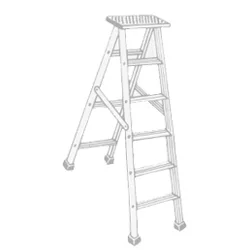
Platform ladders are a type of access equipment designed to provide a stable and secure platform for workers to perform tasks at height. These ladders typically feature a wide base and a platform that offers ample space for standing, reducing the risk of falls and ensuring greater safety compared to traditional ladders. Constructed from durable materials, platform ladders are ideal for various industrial applications where workers need to reach elevated areas while maintaining balance and stability.
These ladders are primarily used in industries such as construction, warehousing, manufacturing, and maintenance. They facilitate tasks such as inventory management, equipment repairs, and routine inspections. The robust design and safety features make platform ladders an essential tool in environments where safety regulations are strictly enforced. As businesses increasingly prioritize worker safety and operational efficiency, the demand for high-quality platform ladders continues to grow across multiple sectors.
In the current market context, platform ladders are recognized for their contributions to workplace safety and productivity. Manufacturers are continually innovating to improve the design and functionality of these ladders, ensuring compliance with safety standards and meeting the diverse needs of various industries. As a result, platform ladders have become a staple in many workplaces, underscoring their relevance in today’s industrial landscape.
𝗞𝗲𝘆 𝗙𝗲𝗮𝘁𝘂𝗿𝗲𝘀 𝗮𝗻𝗱 𝗦𝗽𝗲𝗰𝗶𝗳𝗶𝗰𝗮𝘁𝗶𝗼𝗻𝘀
Platform ladders come equipped with several features that enhance safety and usability. These features are designed to cater to the specific needs of various industries and applications. When selecting a platform ladder, it is crucial to consider the following specifications.
Key specifications include:
1. Height Range
- Platform ladders are available in various heights, typically ranging from 4 to 12 feet.
- This range allows users to choose a ladder that meets their specific access requirements.
2. Load Capacity
- Most platform ladders can support loads ranging from 250 to 500 pounds.
- This capacity ensures that the ladder can safely accommodate workers and tools.
3. Material Construction
- Platform ladders are typically constructed from materials such as aluminum or fiberglass.
- Aluminum ladders are lightweight and resistant to rust, while fiberglass ladders are non-conductive and ideal for electrical work.
4. Platform Size
- The platform area usually measures between 24 to 36 inches in width.
- A larger platform provides more room for stability and comfort during use.
5. Step Design
- Steps are often designed with anti-slip surfaces for added safety.
- Many ladders feature wide, deep steps to enhance foot placement and grip.
6. Mobility Features
- Some platform ladders include wheels or casters for easy movement.
- These mobility features allow users to reposition the ladder quickly and efficiently.
7. Safety Features
- Many models come equipped with guard rails and safety locks.
- These features provide additional protection and prevent accidental falls.
In summary, understanding these key specifications helps buyers select the right platform ladder for their specific needs while ensuring safety and compliance with industry standards.
𝗖𝗼𝗺𝗺𝗼𝗻 𝗔𝗽𝗽𝗹𝗶𝗰𝗮𝘁𝗶𝗼𝗻𝘀 𝗮𝗻𝗱 𝗨𝘀𝗲 𝗖𝗮𝘀𝗲𝘀
Platform ladders serve various industries, making them versatile tools for numerous applications.
1. Construction: In the construction industry, platform ladders are commonly used for accessing elevated areas during building projects. They provide a stable base for workers to perform tasks such as framing, electrical installation, and roofing.
2. Warehousing: In warehouses, platform ladders facilitate inventory management. Workers use them to reach high shelves and storage racks, improving efficiency during order picking and stock replenishment.
3. Manufacturing: In manufacturing facilities, platform ladders are employed for equipment maintenance and inspections. They allow technicians to safely access machinery and perform necessary repairs without the risk of falling.
4. Retail: Retail environments use platform ladders for merchandising and stock management. Employees can easily reach high display areas to arrange products and ensure store aesthetics.
5. Maintenance Services: Maintenance teams rely on platform ladders for building upkeep. They provide access to hard-to-reach areas for cleaning, painting, and general repairs.
6. Telecommunications: In telecommunications, technicians use platform ladders to install and maintain equipment at height, such as antennas and communication towers.
7. HVAC Services: HVAC technicians utilize platform ladders to access rooftops and elevated systems for installation and repairs, ensuring optimal performance of heating and cooling systems.
𝗣𝗿𝗼𝗱𝘂𝗰𝘁 𝗩𝗮𝗿𝗶𝗮𝗻𝘁𝘀 𝗮𝗻𝗱 𝗦𝘂𝗯𝗰𝗮𝘁𝗲𝗴𝗼𝗿𝗶𝗲𝘀
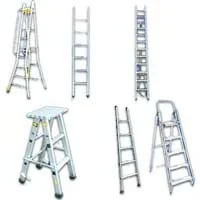
Platform ladders come in various designs to suit different needs and preferences.
Heavy-Duty Platform Ladder
This variant is built for demanding environments, featuring reinforced construction and higher load capacities. It is ideal for construction sites and industrial applications requiring frequent use.
Folding Platform Ladder
A folding platform ladder offers convenience and portability. It can be easily stored and transported, making it suitable for businesses that require flexibility in their access solutions.
Rolling Platform Ladder
This variant includes wheels for enhanced mobility. It is particularly useful in warehouses and retail environments where frequent repositioning is necessary to access different areas.
Multi-Position Platform Ladder
A multi-position platform ladder can be adjusted to various configurations, allowing it to be used as both a step ladder and a platform ladder. This versatility makes it a valuable tool for multiple applications.
𝗕𝗲𝗻𝗲𝗳𝗶𝘁𝘀 𝗮𝗻𝗱 𝗔𝗱𝘃𝗮𝗻𝘁𝗮𝗴𝗲𝘀
Platform ladders offer numerous benefits that enhance workplace safety and productivity.
1. Enhanced Safety: The wide base and platform design provide stability, reducing the risk of falls and injuries.
2. Increased Productivity: With a stable platform, workers can perform tasks more efficiently, minimizing downtime and enhancing workflow.
3. Versatile Usage: Platform ladders are suitable for various applications across multiple industries, making them a valuable investment.
4. Easy Access: Their design allows users to reach elevated areas without the need for additional support, simplifying access to hard-to-reach spots.
5. Durable Construction: Made from high-quality materials, platform ladders are built to withstand rigorous use and harsh conditions.
6. Compliance with Standards: Many platform ladders meet or exceed safety regulations, providing peace of mind to businesses concerned about workplace safety.
𝗕𝘂𝘆𝗶𝗻𝗴 𝗚𝘂𝗶𝗱𝗲 𝗳𝗼𝗿 𝗕𝟮𝗕 𝗕𝘂𝘆𝗲𝗿𝘀
When sourcing platform ladders, there are several important factors to consider to ensure a suitable purchase.
1. Quality Assessment: Evaluate the materials and construction quality of the ladder. Look for ladders that adhere to industry standards and have a proven track record of durability.
2. Supplier Verification: Research potential suppliers to ensure they are reputable and reliable. Check reviews and testimonials to gauge their credibility in the market.
3. Pricing and MOQ: Understand the pricing structure and minimum order quantities (MOQ) of the suppliers. Compare prices to find a balance between cost and quality.
4. Delivery and Lead Times: Discuss delivery options and lead times with suppliers. Timely delivery is crucial for maintaining project schedules.
5. Compliance Requirements: Ensure that the platform ladders meet all relevant safety regulations and certifications required for your industry. This may include local safety standards and compliance with CE certification.
𝗖𝗼𝗺𝗽𝗹𝗶𝗮𝗻𝗰𝗲 𝗮𝗻𝗱 𝗖𝗲𝗿𝘁𝗶𝗳𝗶𝗰𝗮𝘁𝗶𝗼𝗻𝘀
Compliance with industry standards and certifications is crucial when sourcing platform ladders.
Many platform ladders are manufactured in accordance with ISO 9001 quality standards, which ensure a consistent level of quality and performance. This certification indicates that the manufacturer adheres to international quality management principles.
Additionally, platform ladders often carry CE certification, which demonstrates compliance with European health, safety, and environmental protection standards. This certification is essential for businesses operating in or exporting to European markets.
Safety and testing requirements are also critical in the production of platform ladders. Manufacturers must conduct rigorous testing to ensure that ladders can withstand specified loads and are safe for use in various environments.
Regional compliance considerations may vary, so it is important for buyers to be aware of local regulations concerning ladder safety and usage in their specific regions.
𝗪𝗵𝘆 𝗦𝗼𝘂𝗿𝗰𝗲 𝗣𝗹𝗮𝘁𝗳𝗼𝗿𝗺 𝗟𝗮𝗱𝗱𝗲𝗿𝘀 𝗳𝗿𝗼𝗺 𝗣𝗲𝗽𝗮𝗴𝗼𝗿𝗮?
Pepagora provides a trusted platform for sourcing platform ladders, offering several key advantages for B2B buyers.
The verified supplier network ensures that buyers have access to reputable manufacturers and suppliers. This verification process helps mitigate risks associated with sourcing equipment from unreliable sources.
The streamlined RFQ (Request for Quotation) process allows buyers to quickly and efficiently obtain price quotes from multiple suppliers. This competitive approach helps businesses find the best value for their purchases.
Trade assurance and support are additional benefits that Pepagora offers. Buyers can feel confident knowing that their transactions are protected, allowing them to focus on their core operations without worrying about supply chain disruptions.
Finally, Pepagora's regional coverage extends throughout India, the GCC, and Southeast Asia. This wide geographic reach ensures that businesses in these regions have access to high-quality platform ladders, tailored to their specific needs and industry requirements.
Newly Added


Recently Added
Aluminum Enterprises
Industrial Rolled Aluminium Sheets Foils Rolls 0.2 3mm Thickness
Aluminium Safety Grills For Doors Windows Partitions Balconies
Aluminum Sections Bars Rods Tubes Corrosion Resistant Industrial
Aluminium Trading & Interiors
Commercial Vinyl Flooring Durable Scratch Proof Shock Resistant
Professional Conference Tables Termite Resistant Durable Elegant
Premium Aluminium Sliding Doors Durable Smooth Operation
Allied Electrical Industries
Industrial Steel Tower Ladders Up To 40 Feet Durable M.S Tubes
Industrial Heavy Duty Double Steps Trestle Ladder Aluminum Corrosion Resistant
Industrial Aluminium Trolley Step Ladders with Platform and Handle
Why Businesses Trust Pepagora
Thousands of companies trust Pepagora to source smarter and sell faster
Expand Your Sales Globally
25000+Products listed.Get discovered by global buyers
Tools to boost visibility
Build your own catalog

Source Smarter,Grow Faster
4000+Active RFQs
100+ Countries served
Easy Sourcing Tools
