
 IN
INundefined
Plastic Shredders
1 products available
𝗪𝗵𝗮𝘁 𝗮𝗿𝗲 𝗣𝗹𝗮𝘀𝘁𝗶𝗰 𝗦𝗵𝗿𝗲𝗱𝗱𝗲𝗿𝘀?
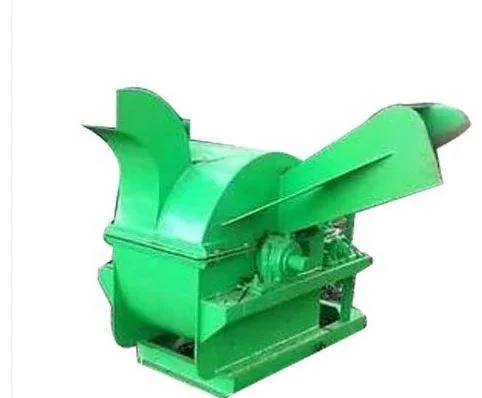
Plastic shredders are industrial machines designed to reduce plastic waste into smaller, manageable pieces. These machines operate by employing sharp blades that slice through plastic materials, allowing for easier recycling or disposal. The shredding process helps in breaking down various forms of plastic, including bottles, containers, and other rigid plastics, into granulated forms that can be reused in manufacturing or repurposed.
The primary uses of plastic shredders extend across multiple industries, including manufacturing, recycling, and waste management. Businesses utilize these machines to efficiently process plastic scrap, which can significantly reduce storage space and improve recycling processes. Plastic shredders contribute to environmental sustainability by facilitating the recycling of plastics, allowing companies to minimize waste and adhere to regulatory compliance regarding waste management.
In the current market, the relevance of plastic shredders is more significant than ever, as industries face increasing pressure to adopt sustainable practices. With growing environmental awareness and strict regulations surrounding plastic waste, plastic shredders have become essential tools for businesses seeking to enhance their recycling efforts and reduce their carbon footprint. The demand for these machines is anticipated to grow as more companies recognize the importance of effective waste management strategies.
𝗞𝗲𝘆 𝗙𝗲𝗮𝘁𝘂𝗿𝗲𝘀 𝗮𝗻𝗱 𝗦𝗽𝗲𝗰𝗶𝗳𝗶𝗰𝗮𝘁𝗶𝗼𝗻𝘀
Plastic shredders come equipped with several key features that enhance their efficiency and usability. Understanding these specifications is crucial for businesses looking to invest in shredding technology.
Key specifications include:
1. Shredding Capacity
- Refers to the amount of plastic that can be processed per hour.
- Typically ranges from 100 kg/hour to over 1000 kg/hour depending on the model.
2. Blade Configuration
- Different designs may be used, such as single-shaft or multi-shaft blades.
- Each configuration affects the shredding efficiency and final output size.
3. Power Consumption
- Indicates the energy required to operate the shredder.
- Generally ranges from 5 kW to 50 kW depending on the machine size and capacity.
4. Dimensions
- Overall size of the shredder, affecting installation and space requirements.
- Common dimensions vary widely based on industrial application.
5. Safety Features
- Includes emergency stop buttons and protective enclosures.
- Essential for ensuring safe operation in a working environment.
6. Material Compatibility
- Ability to shred various types of plastics, including PET, HDPE, and PVC.
- Important for businesses handling diverse plastic waste.
7. Noise Level
- Measurement of sound produced during operation.
- Typically ranges from 70 dB to 90 dB, impacting workplace conditions.
8. Maintenance Requirements
- Frequency and type of maintenance needed to keep the shredder in optimal condition.
- Regular checks on blades and motor are usually necessary.
In summary, when selecting a plastic shredder, it is vital to consider these features and specifications to ensure the chosen machine aligns with specific operational needs and goals.
𝗖𝗼𝗺𝗺𝗼𝗻 𝗔𝗽𝗽𝗹𝗶𝗰𝗮𝘁𝗶𝗼𝗻𝘀 𝗮𝗻𝗱 𝗨𝘀𝗲 𝗖𝗮𝘀𝗲𝘀
Plastic shredders serve various industries, each benefiting from the efficient processing of plastic waste.
1. Manufacturing: Many manufacturers use plastic shredders to recycle production waste, allowing them to reclaim and reuse materials in their processes. This not only reduces costs but also minimizes environmental impact.
2. Recycling Centers: Plastic shredders are critical in recycling facilities where they prepare plastic waste for further processing. Shredded plastics are easier to transport and process, leading to higher recycling rates.
3. Waste Management: Waste management companies utilize shredders to reduce the volume of plastic waste collected from consumers. This helps in streamlining waste processing and improving landfill space utilization.
4. Automotive Industry: The automotive sector often incorporates recycled plastics in new parts. Shredders facilitate the recycling of old automotive plastics, contributing to sustainable manufacturing practices.
5. Retail: Retailers manage large quantities of plastic packaging waste. Shredders help reduce the volume of this waste, making it easier to handle and recycle.
6. Construction: In the construction industry, plastic shredders process plastic waste generated from building materials. Recycled plastic can be used in various applications, such as insulation or composite materials.
7. Consumer Products: Companies producing consumer goods often need to manage plastic waste. Shredding helps in recycling defective or leftover products, promoting sustainability.
𝗣𝗿𝗼𝗱𝘂𝗰𝘁 𝗩𝗮𝗿𝗶𝗮𝗻𝘁𝘀 𝗮𝗻𝗱 𝗦𝘂𝗯𝗰𝗮𝘁𝗲𝗴𝗼𝗿𝗶𝗲𝘀
Plastic shredders come in various designs and configurations to meet specific industry needs. The diversity of these machines allows businesses to select the right model for their applications.
Heavy-Duty Plastic Shredders
These models are built for high-capacity shredding and can handle large volumes of tough plastic materials. They are ideal for industrial settings and recycling centers that process significant amounts of plastic waste daily.
Compact Plastic Shredders
Designed for smaller operations, compact shredders offer efficient shredding in a reduced footprint. They are suitable for businesses with limited space but still require effective plastic waste management.
Mobile Plastic Shredders
These shredders are mounted on wheels for easy mobility, allowing for on-site shredding. They are especially useful for companies that need to shred plastics at multiple locations or in remote areas.
𝗕𝗲𝗻𝗲𝗳𝗶𝘁𝘀 𝗮𝗻𝗱 𝗔𝗱𝘃𝗮𝗻𝘁𝗮𝗴𝗲𝘀
Investing in plastic shredders offers numerous advantages for businesses.
1. Cost Efficiency: By recycling plastic waste, companies can significantly reduce disposal costs and recover valuable materials for reuse. This leads to substantial cost savings over time.
2. Environmental Sustainability: Plastic shredders promote recycling and reduce landfill waste, contributing to a more sustainable business model. This aligns with growing environmental regulations and consumer expectations.
3. Increased Productivity: Efficient shredding processes streamline waste management operations, allowing businesses to focus on core activities and improve overall productivity.
4. Improved Material Quality: Shredding plastic waste leads to a more uniform material size, enhancing the quality of recycled products and making them more suitable for manufacturing.
5. Customization Options: Many shredders can be tailored to meet specific processing needs, allowing businesses to optimize their operations effectively.
6. Compliance Support: Utilizing shredders helps businesses adhere to waste management regulations, ensuring compliance with local and international standards.
𝗕𝘂𝘆𝗶𝗻𝗴 𝗚𝘂𝗶𝗱𝗲 𝗳𝗼𝗿 𝗕𝟮𝗕 𝗕𝘂𝘆𝗲𝗿𝘀
When sourcing plastic shredders, several critical factors should be considered to make an informed purchase decision.
1. Quality Assessment: Buyers should evaluate the build quality and durability of the shredder. This includes checking for robust materials and manufacturer reputation to ensure long-term performance.
2. Supplier Verification: It is essential to vet suppliers thoroughly. This can include checking references, reviews, and certifications to ensure reliability and service quality.
3. Pricing and MOQ: Understanding the pricing structure and minimum order quantities is vital for budgeting. Buyers should compare quotes from multiple suppliers to find the best deal.
4. Delivery and Lead Times: Assessing delivery timelines is crucial for operational planning. Buyers should inquire about lead times to ensure that the shredder will be available when needed.
5. Compliance Requirements: It is important to consider any regional compliance standards that the shredder must meet. Buyers should confirm that the selected shredder adheres to safety and environmental regulations.
𝗖𝗼𝗺𝗽𝗹𝗶𝗮𝗻𝗰𝗲 𝗮𝗻𝗱 𝗖𝗲𝗿𝘁𝗶𝗳𝗶𝗰𝗮𝘁𝗶𝗼𝗻𝘀
Plastic shredders must adhere to various compliance and certification standards to ensure safety and reliability in industrial applications. One relevant quality standard is ISO 9001, which outlines criteria for quality management systems. This certification helps ensure that products consistently meet customer and regulatory requirements.
Additionally, CE certification is essential for plastic shredders sold in European markets, indicating compliance with health, safety, and environmental protection standards. It assures buyers that the machinery meets stringent safety guidelines.
Safety and testing requirements are also critical in the design and production of shredders. Machines should undergo rigorous testing to evaluate performance under various conditions. Regional compliance considerations may include adherence to local environmental laws and regulations regarding waste management, which are crucial for operational legality.
𝗪𝗵𝘆 𝗦𝗼𝘂𝗿𝗰𝗲 𝗣𝗹𝗮𝘀𝘁𝗶𝗰 𝗦𝗵𝗿𝗲𝗱𝗱𝗲𝗿𝘀 𝗳𝗿𝗼𝗺 𝗣𝗲𝗽𝗮𝗴𝗼𝗿𝗮?
Pepagora provides a trusted platform for sourcing plastic shredders, offering several key advantages for businesses.
Verified Supplier Network: Pepagora connects buyers with a network of verified suppliers, ensuring that all listed vendors meet quality and service expectations. This reduces the risk associated with sourcing equipment.
Streamlined RFQ Process: The platform simplifies the request for quotation process, allowing buyers to receive and compare multiple offers quickly. This efficiency helps businesses make timely decisions.
Trade Assurance and Support: Pepagora offers trade assurance, providing buyers with protection throughout the purchasing process. This includes support for resolving disputes and ensuring timely delivery of products.
Regional Coverage: With a strong presence in India, the GCC, and Southeast Asia, Pepagora facilitates sourcing for businesses across diverse regions. This geographic reach enhances accessibility to quality plastic shredders for various industrial applications.











Why Businesses Trust Pepagora
Thousands of companies trust Pepagora to source smarter and sell faster
Expand Your Sales Globally
25000+Products listed.Get discovered by global buyers
Tools to boost visibility
Build your own catalog

Source Smarter,Grow Faster
4000+Active RFQs
100+ Countries served
Easy Sourcing Tools
