
 IN
INundefined
Plastic Rolling Machinery
6 products available
𝗪𝗵𝗮𝘁 𝗮𝗿𝗲 𝗣𝗹𝗮𝘀𝘁𝗶𝗰 𝗥𝗼𝗹𝗹𝗶𝗻𝗴 𝗠𝗮𝗰𝗵𝗶𝗻𝗲𝗿𝘆?
Plastic rolling machinery refers to specialized equipment designed for the processing and shaping of plastic materials through a rolling mechanism. This type of machinery typically utilizes rollers to flatten, stretch, or mold plastic sheets or films into desired shapes and thicknesses. The operation can involve various techniques such as extrusion, calendering, and thermoforming, depending on the specific requirements of the manufacturing process.
The primary uses of plastic rolling machinery span a wide range of industries, including packaging, automotive, and construction. Businesses leverage this machinery to create components like plastic films, sheets, and custom parts that require precise dimensions and consistent quality. As the demand for plastic products continues to grow, the relevance of plastic rolling machinery in the marketplace increases, facilitating advancements in production efficiency and material versatility.
𝗞𝗲𝘆 𝗙𝗲𝗮𝘁𝘂𝗿𝗲𝘀 𝗮𝗻𝗱 𝗦𝗽𝗲𝗰𝗶𝗳𝗶𝗰𝗮𝘁𝗶𝗼𝗻𝘀
Plastic rolling machinery is characterized by several key features and specifications that cater to the needs of different manufacturing processes. These include advanced technology integration, operational efficiency, and adaptability to various plastic materials. Understanding these specifications is essential for businesses looking to invest in reliable and efficient machinery.
Key specifications include:
1. Roller Diameter
- This specification indicates the size of the rollers used in the machinery.
- Common diameters range from 150 mm to 600 mm, impacting the thickness and width of the finished product.
2. Output Capacity
- The output capacity refers to the volume of plastic material processed within a specific time frame.
- Typical capacities range from 50 kg/h to 1000 kg/h, depending on the model and configuration.
3. Heating System
- This indicates the type of heating method used to maintain optimal processing temperatures.
- Options may include electric, steam, or infrared heating systems.
4. Control System
- The control system manages the operation and parameters of the machinery.
- Advanced models may feature PLC (Programmable Logic Controller) systems for enhanced precision.
5. Material Compatibility
- This specifies the types of plastics that can be processed by the machinery.
- Common compatible materials include PVC, PET, and PE.
6. Dimensions
- The physical size of the machinery is crucial for space planning in production facilities.
- Dimensions vary significantly based on model and specifications.
7. Safety Features
- Safety features are essential for ensuring operator protection.
- Typical features may include emergency stop buttons, safety guards, and overload protection.
8. Energy Efficiency
- This refers to the machinery's consumption of energy during operation.
- Energy-efficient models help reduce operational costs and environmental impact.
In summary, understanding the key features and specifications of plastic rolling machinery is vital for businesses looking to enhance their manufacturing capabilities and ensure product quality.
𝗖𝗼𝗺𝗺𝗼𝗻 𝗔𝗽𝗽𝗹𝗶𝗰𝗮𝘁𝗶𝗼𝗻𝘀 𝗮𝗻𝗱 𝗨𝘀𝗲 𝗖𝗮𝘀𝗲𝘀
Plastic rolling machinery serves various industries, each leveraging its capabilities for specific applications.
1. Packaging: In the packaging industry, plastic rolling machinery is used to produce films and sheets for food, consumer goods, and industrial products. The machinery enables the creation of flexible packaging solutions that meet stringent quality and safety standards.
2. Automotive: The automotive industry utilizes plastic rolling machinery for the production of interior and exterior components. This includes parts like dashboards, trims, and panels, which require precision engineering and durability.
3. Construction: In construction, plastic rolling machinery is employed to manufacture durable plastic sheets and membranes. These materials are used for insulation, moisture barriers, and protective coverings, benefiting from the machinery's ability to create strong, consistent products.
4. Electrical: The electrical industry uses plastic rolling machinery to produce insulation materials and casings for wires and cables. The equipment ensures that these components meet necessary safety and performance standards.
5. Consumer Goods: Plastic rolling machinery plays a crucial role in the consumer goods sector, where it is used to create items such as containers, toys, and household products. The versatility of the machinery allows for a wide range of designs and applications.
6. Medical: In the medical field, plastic rolling machinery is essential for producing sterile packaging and medical device components. The precision and reliability of the machinery help ensure compliance with regulatory standards.
7. Textiles: In textiles, machinery is used to manufacture plastic-based fabrics and coatings. This has applications in various products, from clothing to upholstery, highlighting the adaptability of plastic rolling technology.
𝗣𝗿𝗼𝗱𝘂𝗰𝘁 𝗩𝗮𝗿𝗶𝗮𝗻𝘁𝘀 𝗮𝗻𝗱 𝗦𝘂𝗯𝗰𝗮𝘁𝗲𝗴𝗼𝗿𝗶𝗲𝘀
Plastic rolling machinery offers a diverse range of variants tailored to specific manufacturing needs. This diversity allows businesses to choose machinery that best fits their production requirements.
One common variant is the Calendering Machine. This variant is specifically designed for producing flat sheets of plastic by passing the material through a series of heated rollers. It is ideal for applications requiring smooth surfaces and uniform thickness.
Another variant is the Extrusion Rolling Machine. This type combines extrusion and rolling processes to create continuous plastic sheets from raw plastic materials. It is widely used in industries where large volumes of plastic sheets are needed.
Additionally, there are Custom Rolling Machines that can be tailored to meet unique specifications or processing needs. These machines can accommodate various materials and thicknesses, making them versatile options for specialized applications.
𝗕𝗲𝗻𝗲𝗳𝗶𝘁𝘀 𝗮𝗻𝗱 𝗔𝗱𝘃𝗮𝗻𝘁𝗮𝗴𝗲𝘀
Investing in plastic rolling machinery provides numerous benefits that can enhance manufacturing operations.
1. Increased Production Efficiency: Plastic rolling machinery streamlines the production process, allowing for higher output rates compared to manual methods.
2. Consistent Quality: The precision offered by this machinery ensures that products meet strict quality standards, reducing waste and rework.
3. Versatility: Plastic rolling machinery can process a variety of plastic materials, making it suitable for diverse applications across multiple industries.
4. Cost-Effectiveness: By optimizing production processes and reducing material waste, businesses can achieve significant cost savings over time.
5. Customization Opportunities: Many machines can be tailored to specific production needs, allowing businesses to produce unique products and meet market demands.
6. Enhanced Safety Features: Modern plastic rolling machinery incorporates safety features that protect operators and minimize the risk of accidents.
𝗕𝘂𝘆𝗶𝗻𝗴 𝗚𝘂𝗶𝗱𝗲 𝗳𝗼𝗿 𝗕𝟮𝗕 𝗕𝘂𝘆𝗲𝗿𝘀
When sourcing plastic rolling machinery, B2B buyers should consider several key factors to make informed decisions.
1. Quality Assessment: Evaluate the quality of machinery by reviewing manufacturer certifications, customer testimonials, and performance metrics. High-quality machinery typically offers better durability and efficiency.
2. Supplier Verification: It is essential to vet suppliers through background checks, performance history, and customer feedback. Reliable suppliers often provide warranties and support services.
3. Pricing and MOQ: Understand the pricing structure and minimum order quantities (MOQ) before making a purchase. Compare quotes from multiple suppliers to ensure competitive pricing.
4. Delivery and Lead Times: Inquire about delivery schedules and lead times. Timely delivery is crucial for maintaining production schedules and minimizing downtime.
5. Compliance Requirements: Ensure that the machinery complies with relevant industry regulations and safety standards. This may include certifications like CE and adherence to quality management systems.
𝗖𝗼𝗺𝗽𝗹𝗶𝗮𝗻𝗰𝗲 𝗮𝗻𝗱 𝗖𝗲𝗿𝘁𝗶𝗳𝗶𝗰𝗮𝘁𝗶𝗼𝗻𝘀
Plastic rolling machinery must adhere to various compliance standards and certifications to ensure safety and quality in production.
Relevant quality standards include ISO 9001, which outlines the requirements for quality management systems. Compliance with this standard indicates that manufacturers consistently provide products that meet customer and regulatory requirements.
In addition, certifications such as CE signify that the machinery meets European safety, health, and environmental protection standards. This certification is crucial for businesses operating in regions where compliance is mandatory.
Safety and testing requirements are also paramount. Machinery should undergo rigorous testing to ensure it operates safely under specified conditions. This includes assessments for electrical safety, mechanical integrity, and operational performance.
Furthermore, regional compliance considerations may vary based on local regulations. It is essential for buyers to research and understand the compliance landscape in their respective markets.
𝗪𝗵𝘆 𝗦𝗼𝘂𝗿𝗰𝗲 𝗣𝗹𝗮𝘀𝘁𝗶𝗰 𝗥𝗼𝗹𝗹𝗶𝗻𝗴 𝗠𝗮𝗰𝗵𝗶𝗻𝗲𝗿𝘆 𝗳𝗿𝗼𝗺 𝗣𝗲𝗽𝗮𝗴𝗼𝗿𝗮?
Pepagora provides a trusted platform for sourcing plastic rolling machinery, offering several key advantages to B2B buyers.
Verified Supplier Network: Pepagora maintains a network of verified suppliers, ensuring that buyers have access to reliable and reputable manufacturers. This verification process helps mitigate risks associated with sourcing machinery.
Streamlined RFQ Process: The platform features a streamlined request for quotation (RFQ) process, allowing buyers to easily compare offers from multiple suppliers. This efficiency enables businesses to make informed purchasing decisions quickly.
Trade Assurance and Support: Pepagora offers trade assurance programs that protect buyers during transactions. This includes support services that help resolve issues and ensure a smooth purchasing experience.
Regional Coverage: With a focus on markets in India, the GCC, and Southeast Asia, Pepagora offers extensive regional coverage. This geographic reach enables businesses to find suitable suppliers that align with their operational needs.
Newly Added


Recently Added
Beijing Holland Tech Co. Limited
Industrial PCB Insulating Plate Press For Precision Lamination
Industrial Precision Insulation Board Sawing Machine For Clean Cuts
Industrial Transformer Insulator Precision Cardboard Batten Chamfering Machine
Ferro Industries
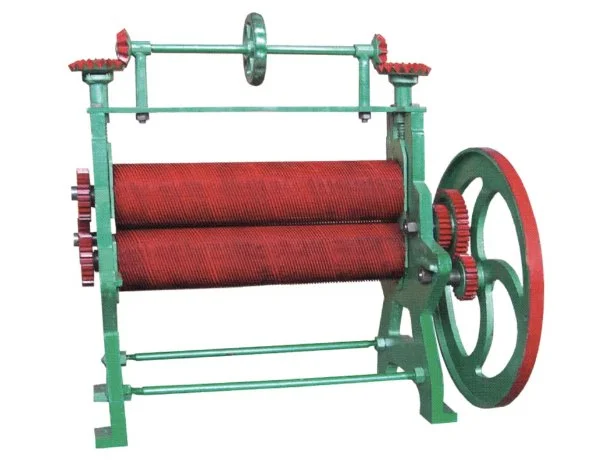
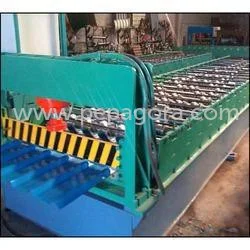
Hi Rib Sheet Making Machine for Durable Roofing and Cladding Production
Sinusoidal Sheet Making Machine For High Volume Corrugated Production
Industrial Roll Forming Machines For Roofing Sheet Production
Heatco
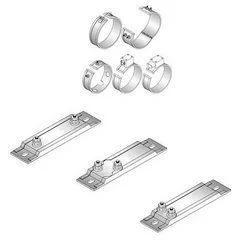
Industrial Ceramic Band Heaters For Plastic Processing Machinery
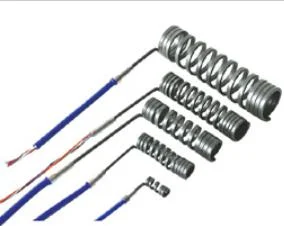
Industrial Thermocouples And Sensors For Precise Temperature Measurement
Industrial Oil Immersion Heaters Mild Steel Thermostat Pockets
Electron Systems
Industrial Mica Band Heaters For Plastic Machinery And Extrusion Equipment
Plastic Processing Mica Nozzle Heater Durable Uniform Heating
Industrial Mica Jacket Heaters For Plastic Machinery And Food Processing
Why Businesses Trust Pepagora
Thousands of companies trust Pepagora to source smarter and sell faster
Expand Your Sales Globally
25000+Products listed.Get discovered by global buyers
Tools to boost visibility
Build your own catalog

Source Smarter,Grow Faster
4000+Active RFQs
100+ Countries served
Easy Sourcing Tools
