
 IN
INundefined
Plastic Recycling Machinery
33 products available
𝗪𝗵𝗮𝘁 𝗮𝗿𝗲 𝗣𝗹𝗮𝘀𝘁𝗶𝗰 𝗥𝗲𝗰𝘆𝗰𝗹𝗶𝗻𝗴 𝗠𝗮𝗰𝗵𝗶𝗻𝗲𝗿𝘆?
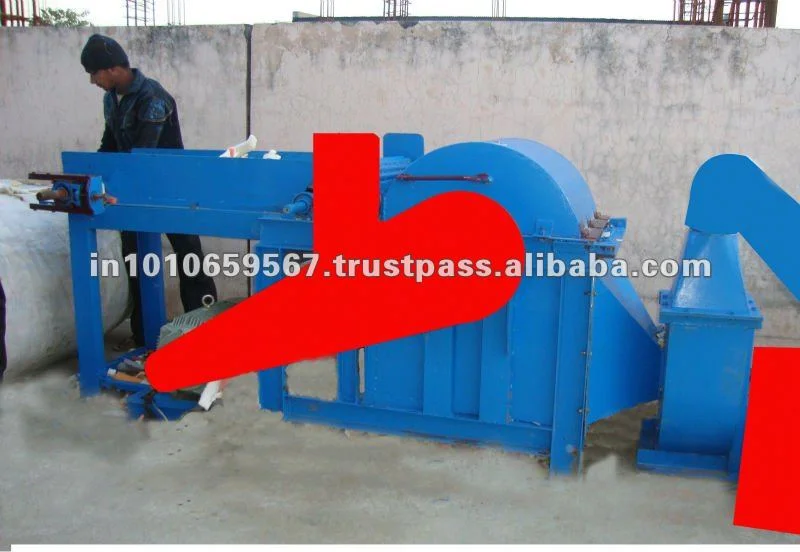
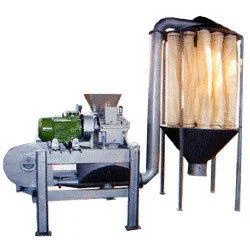
Plastic recycling machinery refers to a range of equipment designed to process and recycle plastic waste into reusable materials. These machines play a crucial role in the circular economy by converting discarded plastics into pellets or flakes that can be used to manufacture new products. Various types of machinery are involved in this process, including shredders, granulators, extruders, and washing systems.
The primary uses of plastic recycling machinery span multiple industries, including packaging, automotive, and consumer goods. Businesses leverage these machines to reduce waste and meet sustainability goals while also tapping into cost savings by reusing materials. As demand for recycled plastics continues to grow, the machinery's efficiency and reliability become increasingly critical for manufacturers aiming to stay competitive in the market.
In the context of industry relevance, plastic recycling machinery is positioned at the intersection of environmental responsibility and economic opportunity. With increasing regulations on plastic waste and a global push for sustainable practices, the market for these machines is expanding. Companies that invest in effective recycling machinery not only comply with regulations but also enhance their brand reputation by promoting eco-friendly practices.
𝗞𝗲𝘆 𝗙𝗲𝗮𝘁𝘂𝗿𝗲𝘀 𝗮𝗻𝗱 𝗦𝗽𝗲𝗰𝗶𝗳𝗶𝗰𝗮𝘁𝗶𝗼𝗻𝘀
Plastic recycling machinery comes equipped with various features designed to enhance functionality and efficiency. When selecting machinery, it is essential to consider specifications that align with operational needs.
Key specifications include:
1. Capacity
- Refers to the amount of plastic waste processed per hour
- Common ranges are from 100 kg/h to over 1000 kg/h
2. Size Reduction Technology
- Includes shredding, granulating, or milling processes
- Different technologies may impact material size and quality
3. Power Consumption
- Indicates the energy required for operation
- Typically measured in kilowatts, with variations based on size and capacity
4. Automation Level
- Refers to the degree of automated features for operation
- Options range from manual systems to fully automated setups
5. Material Compatibility
- Specifies the types of plastics that can be processed
- Common types include PET, HDPE, and LDPE
6. Control Systems
- Features for monitoring and controlling machinery operations
- May include digital interfaces or programmable logic controllers
7. Maintenance Requirements
- Outlines the frequency and type of maintenance needed
- Essential for ensuring long-term reliability and performance
8. Safety Features
- Includes emergency stop buttons and protective guards
- Critical for ensuring operator safety during operation
In summary, understanding the key features and specifications of plastic recycling machinery is vital for making informed purchasing decisions that align with operational requirements.
𝗖𝗼𝗺𝗺𝗼𝗻 𝗔𝗽𝗽𝗹𝗶𝗰𝗮𝘁𝗶𝗼𝗻𝘀 𝗮𝗻𝗱 𝗨𝘀𝗲 𝗖𝗮𝘀𝗲𝘀
Plastic recycling machinery serves various industries where plastic waste is prevalent and needs processing.
1. Packaging: In the packaging industry, machinery is used to recycle plastic films and containers, turning them back into usable materials for new packaging solutions.
2. Automotive: The automotive sector utilizes recycling machinery to handle plastic parts and components from old vehicles, contributing to sustainable manufacturing practices.
3. Consumer Goods: Manufacturers of consumer products use recycled plastics to create new items, promoting environmental sustainability and reducing raw material costs.
4. Construction: In the construction industry, recycled plastics can be transformed into durable building materials, reducing the reliance on virgin resources.
5. Electronics: The electronics industry incorporates recycled plastics in the production of various devices, helping to minimize waste and environmental impact.
6. Agriculture: Plastic recycling machinery helps manage agricultural plastics, such as mulch films, by converting them into reusable materials for new applications.
7. Textiles: The textile industry increasingly uses recycled plastics to create fibers for clothing and other textile products, supporting sustainability initiatives.
𝗣𝗿𝗼𝗱𝘂𝗰𝘁 𝗩𝗮𝗿𝗶𝗮𝗻𝘁𝘀 𝗮𝗻𝗱 𝗦𝘂𝗯𝗰𝗮𝘁𝗲𝗴𝗼𝗿𝗶𝗲𝘀
Plastic recycling machinery comes in various forms, allowing businesses to choose equipment that best fits their specific needs.
Shredders
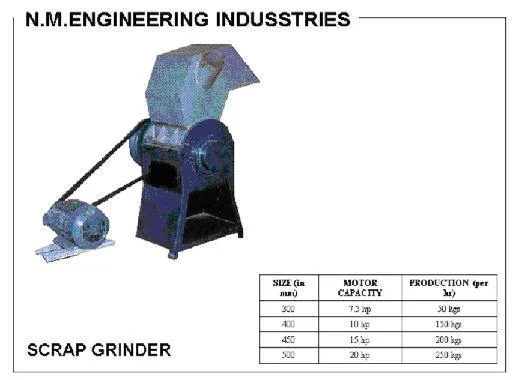
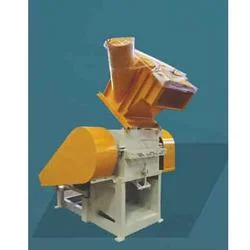
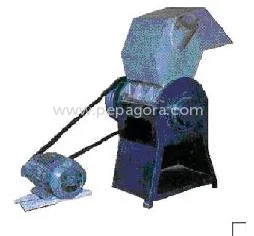
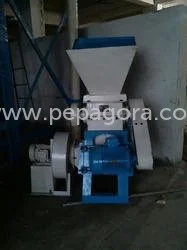
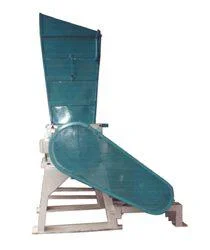
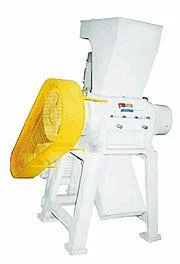
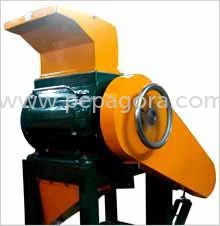
Shredders are designed to break down large plastic waste into smaller pieces, making it easier to process further. They are essential for initial size reduction and can handle various types of plastics.
Granulators
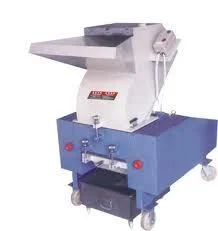
Granulators are used to process shredded plastic into uniform granules. This machinery is crucial for producing high-quality raw materials that can be used in manufacturing new products.
Extruders
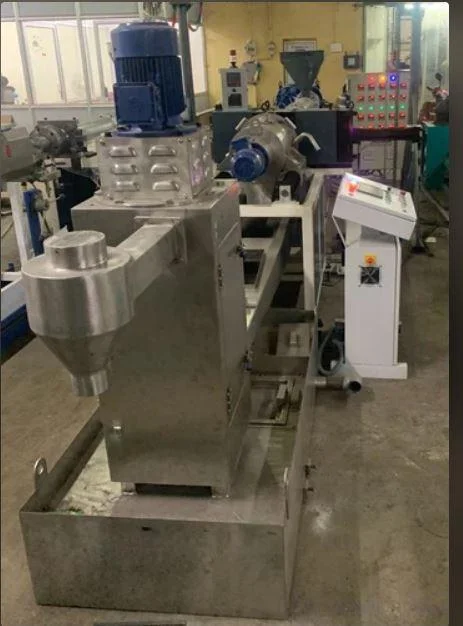
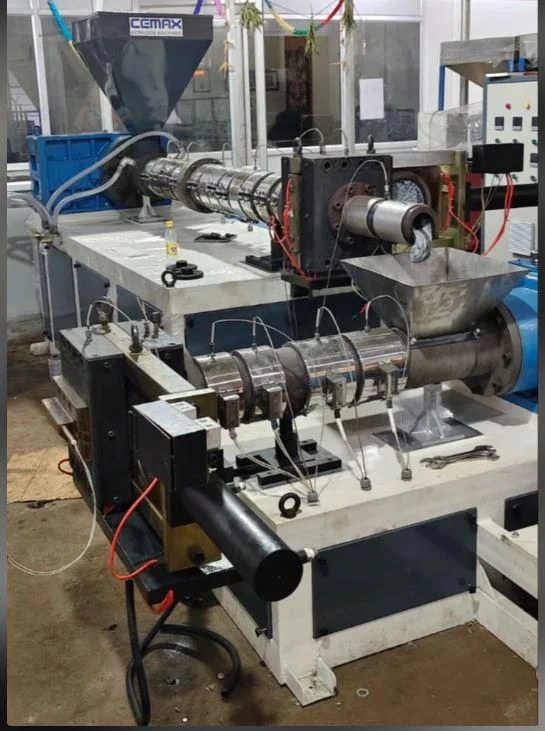
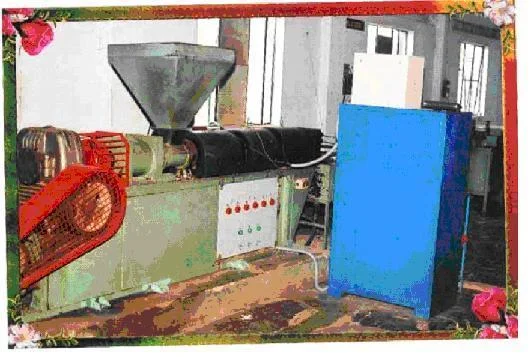
Extruders convert plastic pellets into sheets, films, or other shapes through a continuous process. This machinery plays a significant role in creating products from recycled materials.
𝗕𝗲𝗻𝗲𝗳𝗶𝘁𝘀 𝗮𝗻𝗱 𝗔𝗱𝘃𝗮𝗻𝘁𝗮𝗴𝗲𝘀
Investing in plastic recycling machinery offers numerous benefits that can enhance operational efficiency and sustainability.
Key benefits include:
1. Cost Savings: By recycling plastic waste, companies can reduce raw material costs and minimize waste disposal expenses.
2. Environmental Compliance: Utilizing recycling machinery helps businesses meet regulatory requirements and contribute to environmental initiatives.
3. Improved Brand Image: Companies that prioritize recycling can enhance their reputation as environmentally responsible organizations.
4. Resource Sustainability: Recycling machinery supports the conservation of natural resources by reducing the need for virgin plastics.
5. Versatile Applications: These machines can process various types of plastics, making them suitable for diverse industries.
6. Innovation Potential: Investing in advanced recycling technology can lead to new product developments and market opportunities.
𝗕𝘂𝘆𝗶𝗻𝗴 𝗚𝘂𝗶𝗱𝗲 𝗳𝗼𝗿 𝗕𝟮𝗕 𝗕𝘂𝘆𝗲𝗿𝘀
When sourcing plastic recycling machinery, it is essential to consider several key factors to ensure a successful investment.
1. Quality Assessment: Evaluate the machinery's build quality and performance history. Look for reputable manufacturers with proven track records in the industry.
2. Supplier Verification: Conduct thorough research on potential suppliers. Ensure they have the necessary certifications and a strong reputation in the market.
3. Pricing and MOQ: Understand the pricing structure and minimum order quantities. Compare costs across suppliers to ensure competitive pricing.
4. Delivery and Lead Times: Discuss logistics with suppliers to confirm delivery schedules and lead times. Timely delivery is crucial for project planning.
5. Compliance Requirements: Ensure that the machinery complies with relevant regulations and industry standards. This may include safety, environmental, and operational certifications.
𝗖𝗼𝗺𝗽𝗹𝗶𝗮𝗻𝗰𝗲 𝗮𝗻𝗱 𝗖𝗲𝗿𝘁𝗶𝗳𝗶𝗰𝗮𝘁𝗶𝗼𝗻𝘀
Plastic recycling machinery must comply with various quality standards and certifications to ensure safety and reliability. Key standards include ISO 9001, which focuses on quality management systems, ensuring that manufacturers maintain high-quality production processes.
Additionally, CE certification indicates that machinery meets European safety and environmental protection requirements. This certification is crucial for businesses looking to enter the European market.
Safety and testing requirements are paramount in the design and operation of recycling machinery. Manufacturers should adhere to safety guidelines to prevent accidents and ensure operator safety.
Regional compliance considerations may vary depending on local regulations. Buyers should be aware of specific compliance requirements in their operating regions to avoid potential legal issues.
𝗪𝗵𝘆 𝗦𝗼𝘂𝗿𝗰𝗲 𝗣𝗹𝗮𝘀𝘁𝗶𝗰 𝗥𝗲𝗰𝘆𝗰𝗹𝗶𝗻𝗴 𝗠𝗮𝗰𝗵𝗶𝗻𝗲𝗿𝘆 𝗳𝗿𝗼𝗺 𝗣𝗲𝗽𝗮𝗴𝗼𝗿𝗮?
Pepagora provides a trusted platform for sourcing plastic recycling machinery, offering several key advantages for B2B buyers.
Verified Supplier Network: Pepagora connects buyers with a network of verified suppliers. This ensures that buyers can trust the quality and reliability of the machinery they obtain.
Streamlined RFQ Process: The platform features a user-friendly request for quotation (RFQ) system. This allows buyers to easily compare offers from multiple suppliers, simplifying the procurement process.
Trade Assurance and Support: Pepagora offers trade assurance to protect buyers during transactions. This includes support services to address any concerns or issues that may arise.
Regional Coverage: With a strong presence in India, the GCC, and Southeast Asia, Pepagora offers extensive regional coverage. This geographic reach enables buyers to access local suppliers and services efficiently.
Newly Added



Recently Added
Ash Win Engineers
Industrial Cooling Towers For Heat Dissipation And Energy Efficiency
Industrial Pallet Moulds For Durable Plastic Pallet Production
Premium Hopper Loader For Automated Material Handling In Plastics Food Pharmaceuticals
B. S. P. Roto Moulding
Industrial Vibro Screen Machine For Solid Liquid Separation And Grading
Industrial Rotomoulding Machine With Integrated Cooling Fan For Hollow Plastic Products
Industrial Pulveriser Machine For Grinding Spices Grains Chemicals Minerals
Yadav Engineering Works
Industrial Heating And Cooling Mixer For Chemical Pharmaceutical Food Processing
PVC Conduit Pipe Manufacturing Plant High Performance Energy Efficient
HDPE PP Woven Sack Raffia Tape Plant For High Output Production
N. M. Engineering Industry
Industrial Three Phase Motor 0.18KW To 15KW Frame 63 160M
Industrial Electric Pulverizer Machine For Grinding And Powder Processing
Industrial Electric Extruders For LLDPE HDPE PVC Processing 380V
Padmanaban Engineering Industries
Industrial Rotary Siever For Material Grading And Separation
Premium Tube Conveyor Systems For Hygienic Material Handling
Heavy Duty Bucket Elevator For Vertical Material Handling High Capacity
Micro Pulverizer Manufacturing Works
Premium Ribbon Blender For Dry Powder Mixing In Pharmaceuticals, Food, And Chemicals
Industrial Sigma Mixer Dual Counter Rotating Blades For Viscous Materials
Industrial Micro Pulveriser MP 3 For Fine Grinding And Homogenizing
Lamachinotech
Industrial Batch Ovens For Thermal Processing Curing Drying Heating
Industrial Blowers 0.5 20 HP ID FD Fan Ventilation Exhaust
Industrial Conveyorized Ovens For Drying Curing Pre Heating
Vishwakarma Mechanical
Industrial High Speed Mixer For Pharmaceuticals Chemicals Food Cosmetics
Industrial Plastic Extruders For Pipes Profiles Sheets Manufacturing
Industrial Moulding Machines For High Performance Manufacturing
Neelam Fabricators
Industrial Closed Oven Rotomolding Machine With Microprocessor Controls
Industrial Moulds For Injection Blow Rotational Moulding Precision Durable
Injection Moulding Plastic Moulds For High Volume Production
Riya Industries
Industrial Foam Rebonding Machine For Mattress Furniture Automotive
Industrial Foam Cutting Machine For Packaging Upholstery Insulation
Industrial Block Cutting Machine For Concrete Stone Brick Precision
Why Businesses Trust Pepagora
Thousands of companies trust Pepagora to source smarter and sell faster
Expand Your Sales Globally
25000+Products listed.Get discovered by global buyers
Tools to boost visibility
Build your own catalog

Source Smarter,Grow Faster
4000+Active RFQs
100+ Countries served
Easy Sourcing Tools
