
 IN
INundefined
Plastic Mold Components
6 products available
𝗪𝗵𝗮𝘁 𝗮𝗿𝗲 𝗣𝗹𝗮𝘀𝘁𝗶𝗰 𝗠𝗼𝗹𝗱 𝗖𝗼𝗺𝗽𝗼𝗻𝗲𝗻𝘁𝘀?
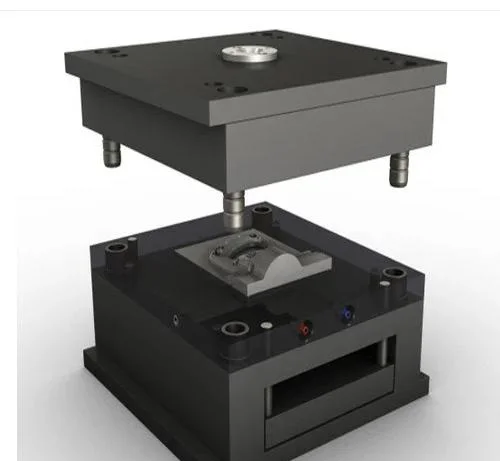
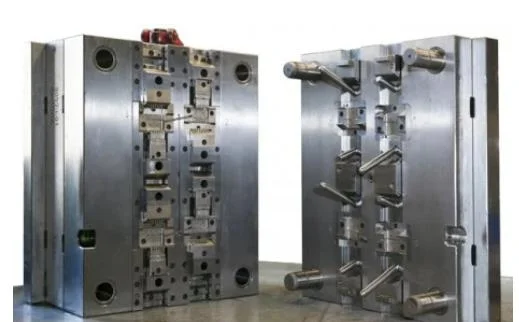
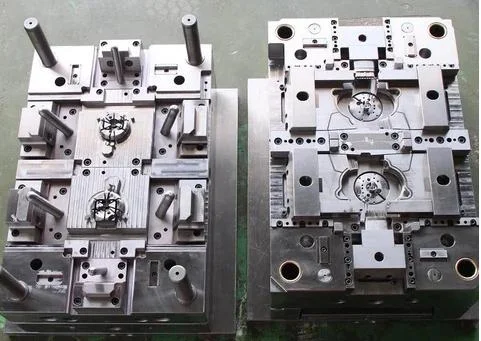
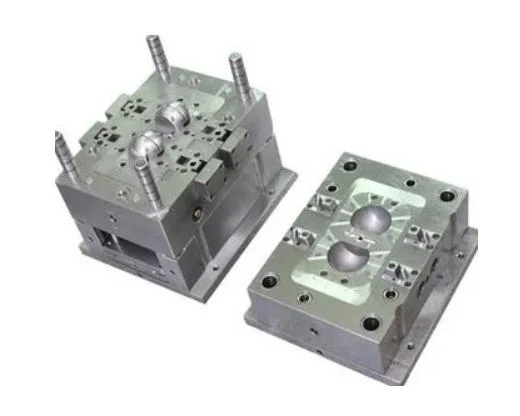
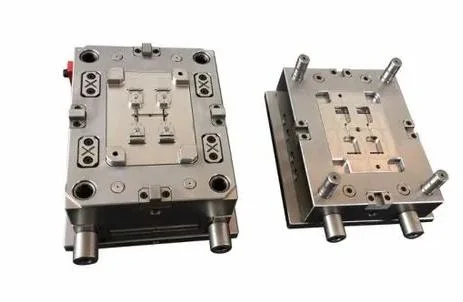
Plastic mold components are essential parts used in the manufacturing process of plastic products. These components are designed to work together within a mold to shape molten plastic into desired forms and features. They include a variety of elements such as cores, cavities, ejector pins, and guide pins, each serving a specific function in the injection molding process. The precision and quality of these components directly influence the overall quality of the finished plastic products.
Plastic mold components find application across multiple industries, including automotive, consumer goods, electronics, and medical devices. They are vital in producing items ranging from simple plastic bottles to complex automotive parts. The demand for high-quality plastic products has surged, making the reliability and performance of these mold components critical to manufacturing efficiency. As industries continue to innovate, the role of plastic mold components remains integral to meeting production standards and consumer expectations.
𝗞𝗲𝘆 𝗙𝗲𝗮𝘁𝘂𝗿𝗲𝘀 𝗮𝗻𝗱 𝗦𝗽𝗲𝗰𝗶𝗳𝗶𝗰𝗮𝘁𝗶𝗼𝗻𝘀
Plastic mold components are characterized by their precision, durability, and compatibility with various molding processes. Understanding their specifications is crucial for manufacturers to ensure optimal performance and longevity.
Key specifications include:
1. Material Composition
- Typically made from steel, aluminum, or other alloys.
- Chosen based on strength, corrosion resistance, and thermal conductivity.
2. Tolerance Levels
- Must meet strict dimensional tolerances.
- Common ranges include ±0.01 mm to ±0.05 mm.
3. Surface Finish
- Varies from polished to textured finishes.
- Affects the release of the molded part and overall aesthetic.
4. Heat Treatment
- Components may undergo heat treatment for increased hardness.
- Common processes include quenching and tempering.
5. Ejector Mechanism Type
- Can be hydraulic or mechanical.
- Influences the ease of part removal from the mold.
6. Cooling Channels
- Designed for efficient heat dissipation.
- Placement and size impact cycle times and quality.
7. Lifespan Expectations
- Varies based on material and usage.
- Typically ranges from thousands to millions of cycles.
8. Customization Options
- Many components can be tailored to specific applications.
- Options include size, shape, and functionality.
In summary, selecting the right specifications for plastic mold components is crucial for achieving high-quality production outcomes.
𝗖𝗼𝗺𝗺𝗼𝗻 𝗔𝗽𝗽𝗹𝗶𝗰𝗮𝘁𝗶𝗼𝗻𝘀 𝗮𝗻𝗱 𝗨𝘀𝗲 𝗖𝗮𝘀𝗲𝘀
Plastic mold components serve a wide range of industries, ensuring efficient production processes and high-quality outputs.
1. Automotive: Used in manufacturing parts like dashboards, exterior panels, and interior components, ensuring durability and precision.
2. Consumer Goods: Essential in producing everyday items such as containers, packaging, and household appliances, focusing on functionality and aesthetics.
3. Electronics: Crucial for creating casings and components for devices, emphasizing precision and heat resistance.
4. Medical Devices: Used in the production of syringes, surgical tools, and other critical medical components, where sterility and reliability are paramount.
5. Aerospace: Employed in creating lightweight components that meet stringent safety and performance standards.
6. Construction: Utilized for producing durable fittings, fixtures, and components that withstand environmental stress.
7. Industrial Equipment: Necessary for manufacturing parts that require high performance and reliability in demanding applications.
𝗣𝗿𝗼𝗱𝘂𝗰𝘁 𝗩𝗮𝗿𝗶𝗮𝗻𝘁𝘀 𝗮𝗻𝗱 𝗦𝘂𝗯𝗰𝗮𝘁𝗲𝗴𝗼𝗿𝗶𝗲𝘀
Plastic mold components come in various types, each designed for specific applications and requirements.
Standard Mold Bases: These provide a foundation for assembling mold components and are designed for various configurations and sizes.
Insert Molds: Used to create complex shapes by allowing for the insertion of additional materials or components during the molding process.
Core and Cavity Sets: These components shape the inside and outside of molded parts, making them essential for achieving desired product designs.
Ejector Systems: These variants focus on the mechanisms that remove finished parts from the mold, available in both manual and automated designs.
𝗕𝗲𝗻𝗲𝗳𝗶𝘁𝘀 𝗮𝗻𝗱 𝗔𝗱𝘃𝗮𝗻𝘁𝗮𝗴𝗲𝘀
Plastic mold components offer numerous advantages that enhance production efficiency and product quality.
1. High Precision: They ensure accurate dimensions and tolerances, resulting in high-quality molded parts.
2. Cost-Effectiveness: Efficient production processes reduce waste and lower manufacturing costs.
3. Versatility: Suitable for a wide range of materials and applications, allowing for diverse product offerings.
4. Durability: High-quality components withstand repeated use, extending the lifespan of molds.
5. Customization: Many components can be tailored to meet specific production needs, enhancing flexibility.
6. Improved Cycle Times: Well-designed components optimize cooling and ejection processes, leading to faster production rates.
𝗕𝘂𝘆𝗶𝗻𝗴 𝗚𝘂𝗶𝗱𝗲 𝗳𝗼𝗿 𝗕𝟮𝗕 𝗕𝘂𝘆𝗲𝗿𝘀
When sourcing plastic mold components, businesses should consider several critical factors to ensure optimal results.
1. Quality Assessment: Look for components that meet industry standards and specifications. Evaluate material quality and manufacturing processes to ensure durability and performance.
2. Supplier Verification: Vet suppliers by checking their certifications, customer reviews, and track records. Reliable suppliers should have a history of delivering quality products on time.
3. Pricing and MOQ: Understand the pricing structures and minimum order quantities. Comparing multiple suppliers can help find the best value for quality.
4. Delivery and Lead Times: Consider logistics and the supplier's ability to meet delivery timelines. Efficient supply chains are crucial for maintaining production schedules.
5. Compliance Requirements: Ensure that components comply with relevant industry regulations and standards, such as CE certification and safety requirements.
𝗖𝗼𝗺𝗽𝗹𝗶𝗮𝗻𝗰𝗲 𝗮𝗻𝗱 𝗖𝗲𝗿𝘁𝗶𝗳𝗶𝗰𝗮𝘁𝗶𝗼𝗻𝘀
Plastic mold components must adhere to various quality standards and industry regulations to ensure safety and performance. Common standards include ISO 9001, which outlines quality management systems, and HACCP for food safety applications. CE certification is essential for components used in the European market, ensuring they meet safety and environmental requirements.
Manufacturers must also consider safety and testing requirements during production. This includes rigorous testing protocols to evaluate the durability and performance of components under various conditions. Regional compliance considerations may vary, necessitating awareness of local regulations to ensure that products meet specific market demands.
𝗪𝗵𝘆 𝗦𝗼𝘂𝗿𝗰𝗲 𝗣𝗹𝗮𝘀𝘁𝗶𝗰 𝗠𝗼𝗹𝗱 𝗖𝗼𝗺𝗽𝗼𝗻𝗲𝗻𝘁𝘀 𝗳𝗿𝗼𝗺 𝗣𝗲𝗽𝗮𝗴𝗼𝗿𝗮?
Pepagora provides a trusted platform for sourcing plastic mold components, offering several key advantages to B2B buyers.
Verified Supplier Network: Pepagora connects businesses with a network of verified suppliers, ensuring that buyers can access high-quality components from reputable sources. This reduces the risk of sourcing from unreliable manufacturers.
Streamlined RFQ Process: The platform simplifies the request for quotation process, allowing buyers to efficiently gather and compare quotes from multiple suppliers. This enhances decision-making and ensures competitive pricing.
Trade Assurance and Support: Pepagora offers trade assurance to protect buyers from potential disputes, providing peace of mind throughout the procurement process. Their customer support team is also available to assist with any inquiries or issues.
Regional Coverage: With a broad geographic reach across India, the GCC, and Southeast Asia, Pepagora enables buyers to find suppliers that meet their specific regional needs. This facilitates effective communication and logistics for sourcing plastic mold components.
Newly Added


Recently Added












Why Businesses Trust Pepagora
Thousands of companies trust Pepagora to source smarter and sell faster
Expand Your Sales Globally
25000+Products listed.Get discovered by global buyers
Tools to boost visibility
Build your own catalog

Source Smarter,Grow Faster
4000+Active RFQs
100+ Countries served
Easy Sourcing Tools
