
 IN
INundefined
Plastic Adhesives
1 products available
𝗪𝗵𝗮𝘁 𝗮𝗿𝗲 𝗣𝗹𝗮𝘀𝘁𝗶𝗰 𝗔𝗱𝗵𝗲𝘀𝗶𝘃𝗲𝘀?
Plastic adhesives are specialized bonding agents designed to securely join plastic materials. They work by creating a strong molecular bond between the surfaces of plastics, ensuring durability and longevity in various applications. These adhesives can come in different formulations, such as solvent-based, water-based, or reactive adhesives, each suited for specific types of plastic.
The primary uses of plastic adhesives span a wide range of industries, including automotive, electronics, and construction. In automotive manufacturing, for instance, these adhesives are used to bond components, reducing the need for mechanical fasteners. In the electronics sector, plastic adhesives help in assembling and sealing components, while in construction, they are utilized for both structural and decorative applications. The growing demand for lightweight materials in manufacturing further emphasizes the relevance of plastic adhesives in today’s market.
As industries evolve and seek more efficient bonding solutions, the market for plastic adhesives continues to expand. Innovations in adhesive formulations are addressing challenges like temperature resistance and environmental sustainability. This trend highlights the importance of understanding the specific requirements of different applications to select the most suitable adhesive.
𝗞𝗲𝘆 𝗙𝗲𝗮𝘁𝘂𝗿𝗲𝘀 𝗮𝗻𝗱 𝗦𝗽𝗲𝗰𝗶𝗳𝗶𝗰𝗮𝘁𝗶𝗼𝗻𝘀
Plastic adhesives are characterized by several key features that determine their effectiveness in various applications. Understanding these specifications is crucial for selecting the right adhesive for specific needs.
Key specifications include:
1. Bond Strength
- Indicates the force required to break the bond between the plastic surfaces.
- Measured in pounds per square inch (psi).
2. Cure Time
- Refers to the time it takes for the adhesive to reach its full strength after application.
- Ranges from a few minutes to several hours, depending on the formulation.
3. Temperature Resistance
- The ability of the adhesive to maintain its bond strength at elevated temperatures.
- Typically ranges from -40 to 120 degrees Celsius.
4. Viscosity
- Describes the thickness of the adhesive and its flow characteristics.
- Measured in centipoise (cP).
5. Chemical Resistance
- The ability to withstand exposure to various chemicals without degrading.
- Varies by formulation and may include resistance to solvents, oils, and fuels.
6. Flexibility
- Refers to the adhesive's ability to accommodate movement without cracking or breaking.
- Important in applications where thermal expansion occurs.
7. Application Method
- Various application methods include brush, spray, or cartridge dispensing.
- Each method has its advantages depending on the project requirements.
8. Shelf Life
- Indicates the period the adhesive can be stored without losing effectiveness.
- Varies by formulation and typically lasts from 6 months to 2 years.
In summary, understanding these specifications helps businesses choose the right plastic adhesive for their specific needs, ensuring optimal performance and reliability.
𝗖𝗼𝗺𝗺𝗼𝗻 𝗔𝗽𝗽𝗹𝗶𝗰𝗮𝘁𝗶𝗼𝗻𝘀 𝗮𝗻𝗱 𝗨𝘀𝗲 𝗖𝗮𝘀𝗲𝘀
Plastic adhesives serve a diverse range of industries, each leveraging their unique properties for specific applications.
1. Automotive: Plastic adhesives are used to bond interior and exterior components, reducing weight while maintaining structural integrity. They are also employed in assembling electronic parts and securing trim pieces.
2. Electronics: In the electronics industry, these adhesives provide critical bonding for components such as circuit boards and protective casings. They help enhance durability and improve the performance of electronic devices.
3. Construction: Plastic adhesives are extensively used in construction for applications like bonding tiles, securing panels, and joining insulation materials. Their strength and moisture resistance make them ideal for both indoor and outdoor use.
4. Packaging: In the packaging sector, plastic adhesives are used for sealing and assembling plastic containers and films, ensuring product protection and shelf stability.
5. Furniture: Adhesives play a crucial role in the furniture industry, bonding plastic components and finishes while allowing for design flexibility and aesthetic appeal.
6. Medical Devices: In the medical field, plastic adhesives are essential for assembling devices and ensuring they remain sterile and safe for use.
7. Aerospace: The aerospace industry uses plastic adhesives to bond lightweight materials, contributing to overall weight reduction while ensuring safety and performance standards are met.
𝗣𝗿𝗼𝗱𝘂𝗰𝘁 𝗩𝗮𝗿𝗶𝗮𝗻𝘁𝘀 𝗮𝗻𝗱 𝗦𝘂𝗯𝗰𝗮𝘁𝗲𝗴𝗼𝗿𝗶𝗲𝘀
Plastic adhesives come in various formulations to meet diverse application needs. Each variant is tailored for specific uses, offering unique features.
Solvent-Based Adhesives
These adhesives provide strong bonds and are suitable for bonding a wide range of plastics. They typically cure quickly and are effective in high-stress applications.
Water-Based Adhesives
These are environmentally friendly options that offer good bonding strength with lower volatile organic compounds (VOCs). They are ideal for applications requiring safety and ease of use.
Reactive Adhesives
These adhesives cure through a chemical reaction, providing superior strength and durability. They are often used in demanding applications where high performance is essential.
𝗕𝗲𝗻𝗲𝗳𝗶𝘁𝘀 𝗮𝗻𝗱 𝗔𝗱𝘃𝗮𝗻𝘁𝗮𝗴𝗲𝘀
Plastic adhesives offer numerous advantages that make them a preferred choice in many industries.
1. High Bond Strength: They provide robust bonding capabilities, ensuring durability and longevity in applications.
2. Versatility: Plastic adhesives can bond a wide variety of plastics and other materials, making them suitable for diverse applications.
3. Reduced Need for Fasteners: By eliminating the need for mechanical fasteners, plastic adhesives simplify assembly processes and reduce weight.
4. Temperature Resistance: Many formulations can withstand extreme temperatures, making them suitable for challenging environments.
5. Environmental Considerations: Water-based and low-VOC options are available, addressing environmental concerns associated with traditional adhesives.
6. Cost-Effectiveness: Plastic adhesives often reduce labor and material costs through efficient bonding solutions.
𝗕𝘂𝘆𝗶𝗻𝗴 𝗚𝘂𝗶𝗱𝗲 𝗳𝗼𝗿 𝗕𝟮𝗕 𝗕𝘂𝘆𝗲𝗿𝘀
When sourcing plastic adhesives, several factors should be considered to ensure the best choice for your application.
1. Quality Assessment: Evaluate the adhesive's performance through tests such as bond strength and chemical resistance. Check for compliance with industry standards to ensure reliability.
2. Supplier Verification: Vet suppliers by checking their reputation, certifications, and customer reviews. Ensure they can provide consistent quality and support.
3. Pricing and MOQ: Evaluate the pricing structure and minimum order quantities. Look for competitive pricing while considering the total cost of ownership.
4. Delivery and Lead Times: Assess the supplier's ability to meet your delivery schedules. Timely delivery is crucial to maintaining production timelines.
5. Compliance Requirements: Ensure that the adhesive meets all relevant regulatory and safety standards for your industry. This includes certifications like CE and adherence to local regulations.
𝗖𝗼𝗺𝗽𝗹𝗶𝗮𝗻𝗰𝗲 𝗮𝗻𝗱 𝗖𝗲𝗿𝘁𝗶𝗳𝗶𝗰𝗮𝘁𝗶𝗼𝗻𝘀
Plastic adhesives must adhere to several quality standards and certifications to ensure safety and performance. Compliance with ISO 9001 guarantees that the adhesive is produced under a quality management system, ensuring consistent quality. HACCP and GDP standards may also apply, particularly in industries like food and pharmaceuticals where safety is paramount.
CE certification indicates that the adhesive meets European safety and environmental requirements, which is vital for products sold within the European market. Additionally, manufacturers must ensure that their adhesives undergo rigorous testing for safety and performance. This includes evaluating their resistance to various chemicals and ensuring they perform under specified conditions.
Regional compliance is also an important consideration. Different regions may have specific regulations regarding the use of adhesives, particularly in sensitive applications. Understanding these requirements helps manufacturers ensure their products are suitable for their target markets.
𝗪𝗵𝘆 𝗦𝗼𝘂𝗿𝗰𝗲 𝗣𝗹𝗮𝘀𝘁𝗶𝗰 𝗔𝗱𝗵𝗲𝘀𝗶𝘃𝗲𝘀 𝗳𝗿𝗼𝗺 𝗣𝗲𝗽𝗮𝗴𝗼𝗿𝗮?
Pepagora provides a trusted platform for sourcing plastic adhesives with several key advantages.
Verified Supplier Network: Pepagora features a network of verified suppliers, ensuring that buyers can access high-quality products from reputable manufacturers. This verification process includes checks on production capabilities and compliance with industry standards.
Streamlined RFQ Process: The request for quotation (RFQ) process on Pepagora is designed to be efficient, allowing buyers to quickly obtain quotes from multiple suppliers. This saves time and simplifies the sourcing process.
Trade Assurance and Support: Pepagora offers trade assurance, providing buyers with protection against potential risks in transactions. This support builds confidence in the sourcing process.
Regional Coverage: With a strong presence in India, the GCC, and Southeast Asia, Pepagora connects buyers with suppliers across these regions, facilitating easy access to plastic adhesives tailored to local market needs.
By choosing Pepagora, businesses can ensure they are sourcing the best plastic adhesives for their requirements while benefiting from a robust support system.


Recently Added
Blue Coat Pvt Ltd
Professional Photo Screen Emulsion For High Resolution Screen Printing
Screen Printing Emulsion Bluecoat 585 Photo Direct High Quality
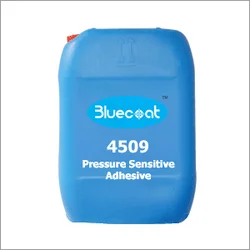
Premium 4509 Pressure Sensitive Adhesive for HDPE LDPE PET PVC Bottle Labeling
Why Businesses Trust Pepagora
Thousands of companies trust Pepagora to source smarter and sell faster
Expand Your Sales Globally
25000+Products listed.Get discovered by global buyers
Tools to boost visibility
Build your own catalog

Source Smarter,Grow Faster
4000+Active RFQs
100+ Countries served
Easy Sourcing Tools
